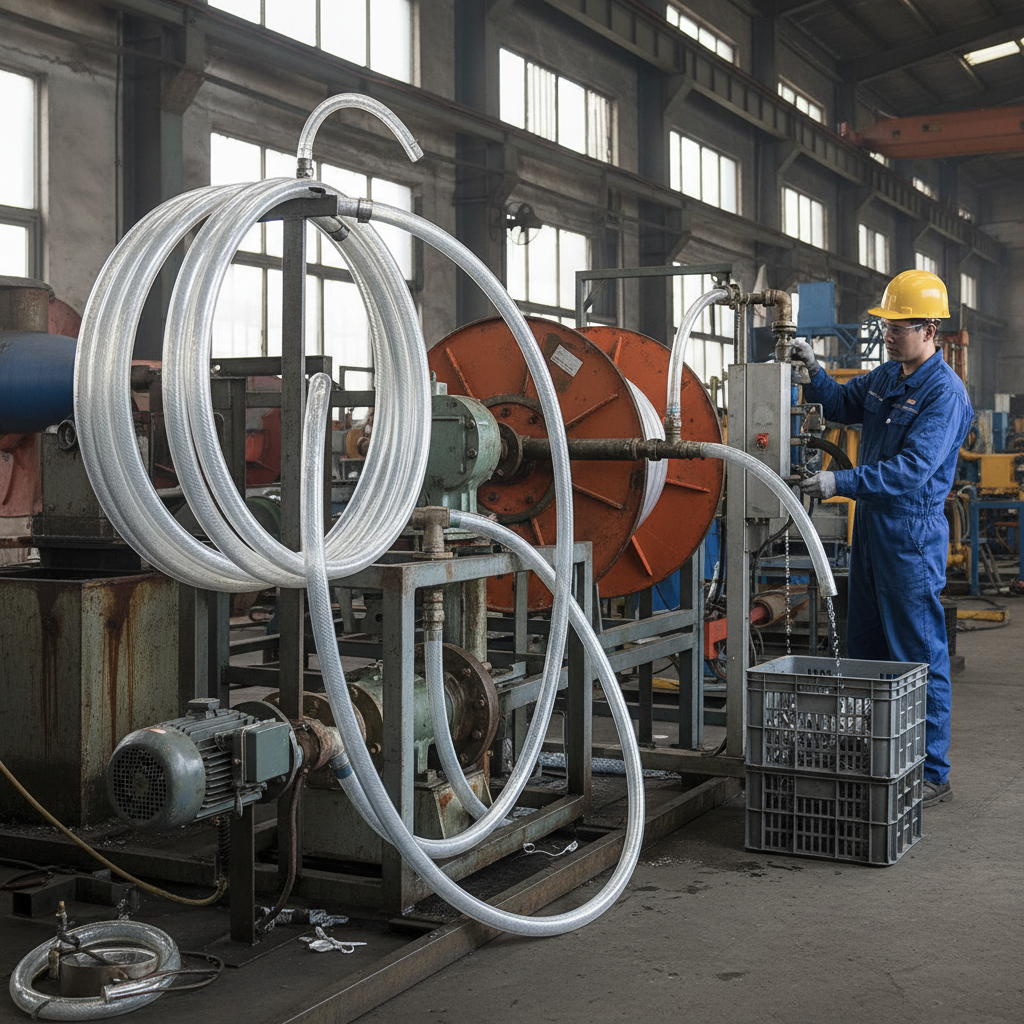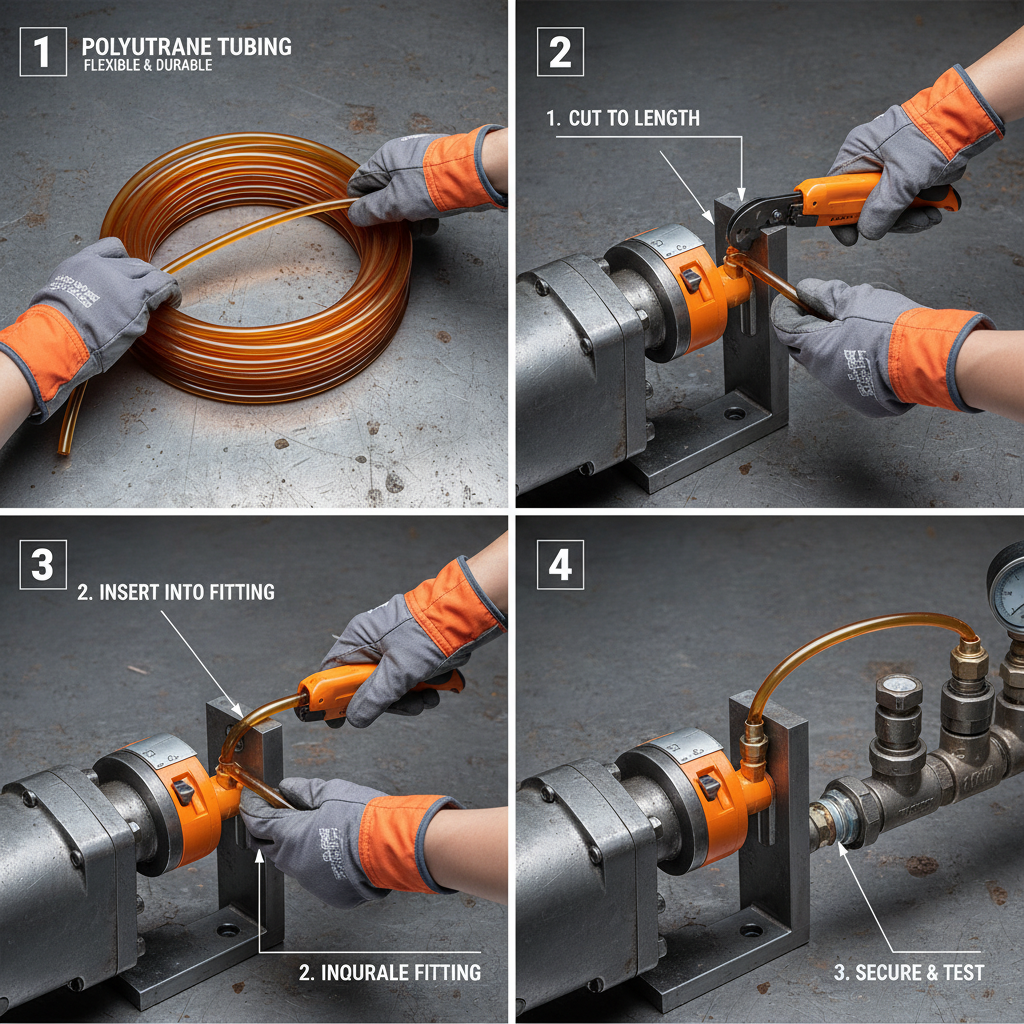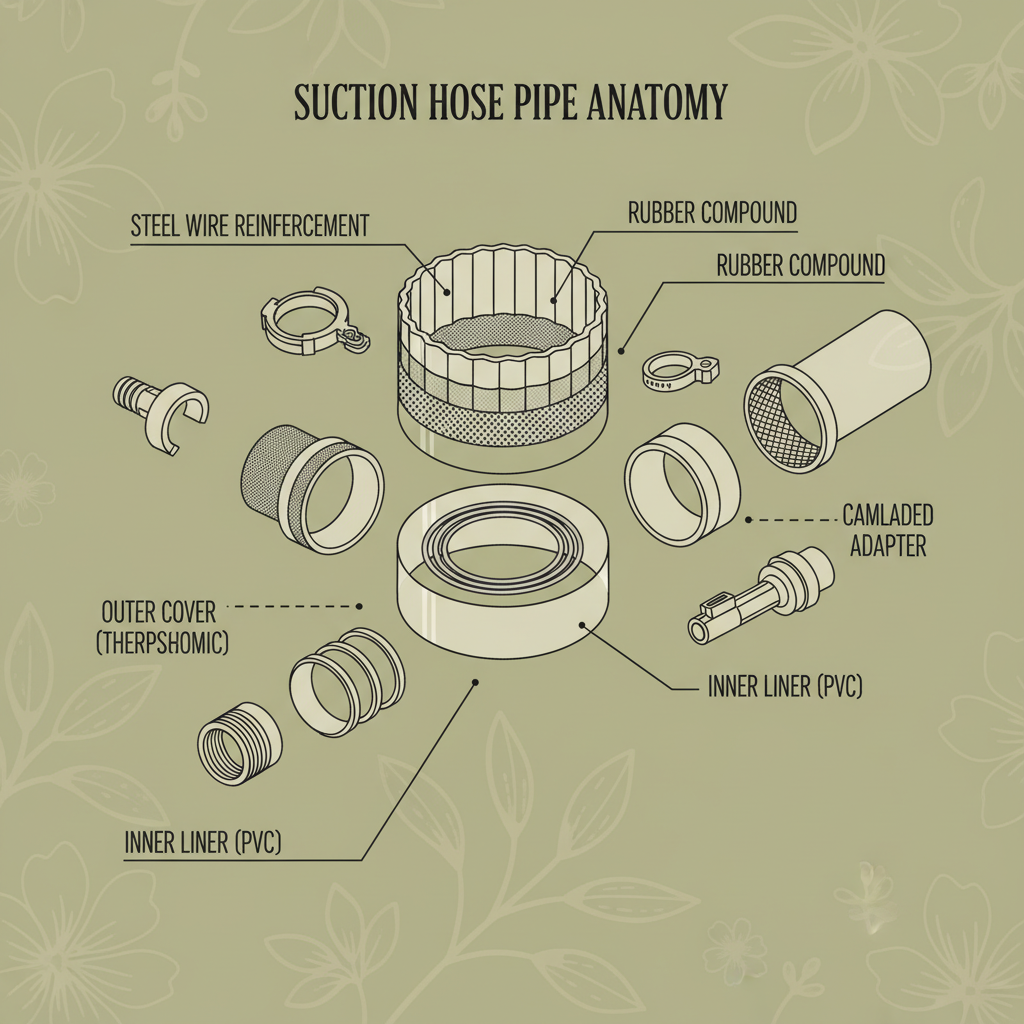
Understanding the polyurethane tube price is essential for procurement managers and engineers who balance high-performance material requirements with strict budgetary constraints. Polyurethane (PU) tubing is prized for its exceptional abrasion resistance, flexibility, and durability, making it a staple in pneumatic and hydraulic systems worldwide. By analyzing the pricing dynamics, businesses can optimize their supply chains and ensure they are investing in materials that offer the best long-term value.
Globally, the demand for high-quality plastic tubing has surged as automation and robotics expand across the manufacturing sector. The polyurethane tube price is not merely a reflection of raw material costs but a combination of polymer grade, extrusion precision, and additive enhancements such as UV stabilization or antimicrobial properties. For industries ranging from automotive assembly to medical device manufacturing, the cost-to-performance ratio of PU tubing determines the efficiency of the entire fluid handling system.
Navigating the complexities of the polyurethane tube price requires an understanding of market fluctuations, such as the cost of polyols and isocyanates. Whether you are sourcing bulk quantities for industrial plant construction or specialized small-diameter tubes for precision instruments, knowing the drivers of cost allows for better negotiation and technical specification. This guide provides a comprehensive breakdown of what influences the price and how to choose the most cost-effective solution without compromising on safety or quality.
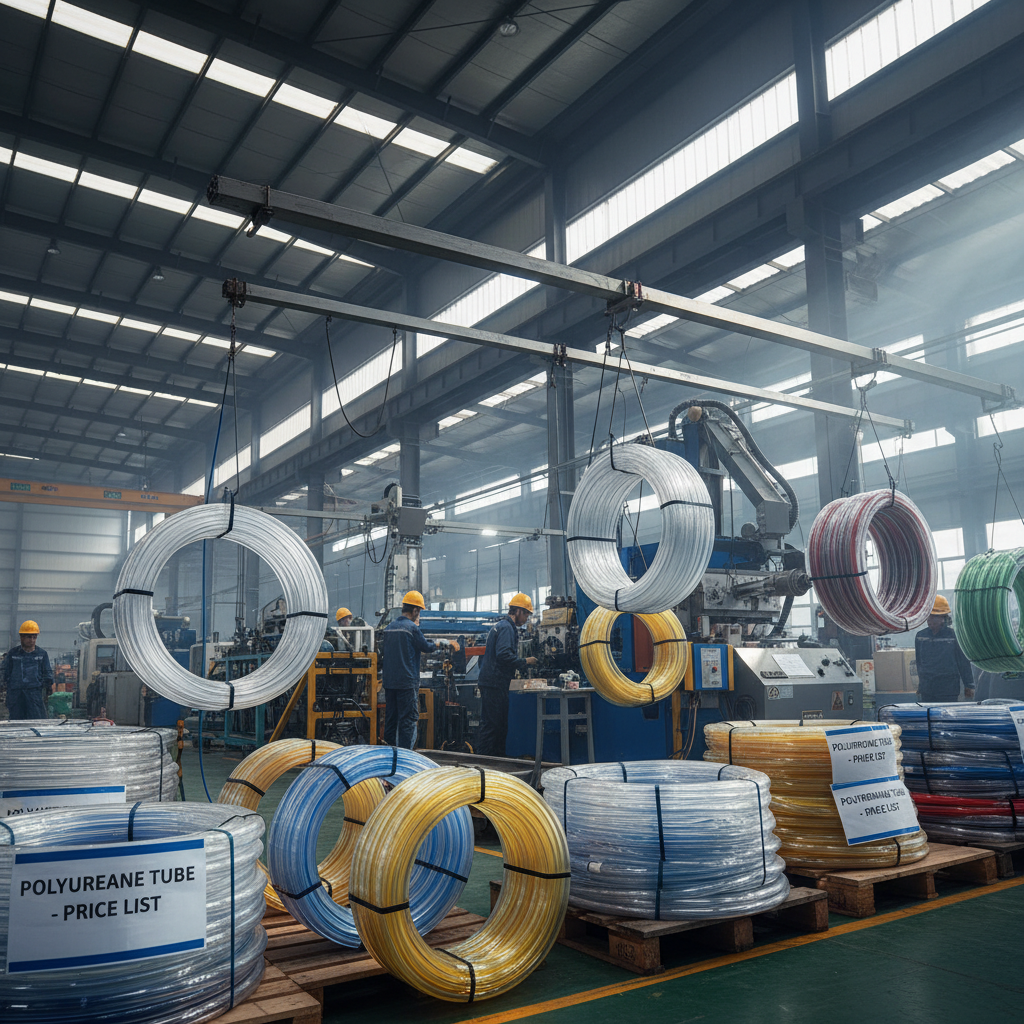
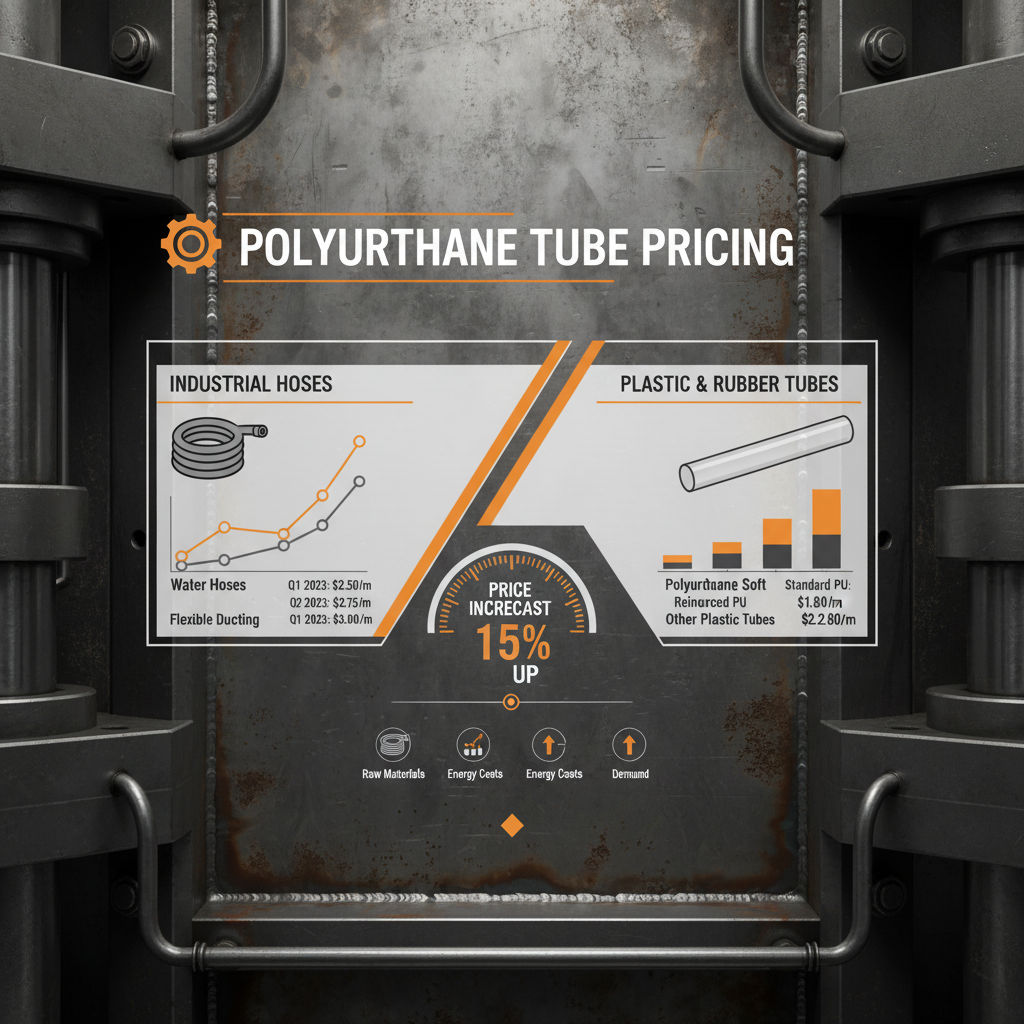
The polyurethane tube price is heavily influenced by the global petrochemical market. As a derivative of petroleum, the cost of raw polymers fluctuates based on oil prices and the availability of feedstocks. In recent years, volatility in the energy sector has led to price swings in the plastics industry, forcing manufacturers to adopt more agile pricing models to maintain stability for their end-users.
Beyond raw materials, logistical costs and international trade tariffs play a significant role. For example, shifts in shipping costs from major manufacturing hubs in Asia to markets in North America and Europe can add a noticeable premium to the final polyurethane tube price. Companies that maintain diversified supply chains often manage these fluctuations better, ensuring a consistent supply of tubing for critical industrial operations.
The most significant factors include the raw material costs (polyols and isocyanates), the chemistry used (ether vs. ester), the precision of the extrusion tolerance, and the addition of specialized properties like UV resistance or food-grade certification. Additionally, the volume of the order and shipping logistics can influence the final per-unit cost.
Generally, yes. Ether-based polyurethane is typically more expensive to synthesize and is priced higher due to its superior resistance to water, hydrolysis, and microbial attack. However, the total cost of ownership may be lower in humid environments because ether-based tubes last significantly longer than ester-based ones.
The price is directly proportional to the volume of material used. Larger outer diameters and thicker walls require more raw polymer, which increases the price. However, very small precision diameters may also have a higher price due to the difficulty of maintaining tight tolerances during the extrusion process.
While PVC usually has a lower initial purchase price, it lacks the abrasion resistance and flexibility of PU. Switching to PVC may lead to more frequent failures and replacements, especially in dynamic applications. For most industrial uses, the polyurethane tube price is justified by the reduction in maintenance costs.
Bulk orders significantly lower the price per meter due to economies of scale in production. Manufacturers can run their extruders for longer periods without changing setups, which reduces waste and labor costs. Many suppliers offer tiered pricing where the price drops as the volume increases.
Standard colors (like clear, blue, or black) typically do not affect the price. However, custom colors or high-visibility fluorescent dyes may require specialized masterbatches, which can slightly increase the production cost and the final price for small custom batches.
In summary, the polyurethane tube price is a multifaceted value proposition that extends far beyond the initial purchase cost. By understanding the interplay between material chemistry, technical specifications, and environmental demands, procurement professionals can make informed decisions that optimize both budget and performance. Whether choosing between the cost-effectiveness of ester-based PU or the long-term resilience of ether-based options, the goal is to minimize the total cost of ownership while ensuring maximum system reliability.
As the industry moves toward sustainable, bio-based materials and smart tubing technologies, the way we evaluate pricing will continue to evolve. We recommend that businesses prioritize quality and technical compatibility over the lowest upfront price to avoid costly downtime and safety risks. For those seeking high-performance fluid handling solutions with a transparent and competitive pricing structure, we invite you to explore our comprehensive product range. Visit our website: www.kebinghose.com

 Afrikaans
 Albanian
 Arabic
 Azerbaijani
 Belarusian
 Bengali
 Bulgarian
 Czech
Czech
 Danish
 Dutch
Dutch
 Finnish
 French
 German
 Greek
Greek
 Hebrew
 Hindi
Hindi
 Hungarian
 Indonesian
 Irish
Irish
 Italian
 Japanese
 Kazakh
 Korean
 Kyrgyz
 Lao
Lao
 Latin
Latin
 Lithuanian
 Luxembourgish
 Malay
Malay
 Mongolian
 Myanmar
 Nepali
 Norwegian
 Persian
 Polish
 Portuguese
 Russian
 Serbian
 Slovak
 Spanish
 Swedish
 Tagalog
 Thai
Thai
 Turkish
 Ukrainian
 Uighur
 Uzbek
Uzbek
 Vietnamese
 Welsh
Welsh
 English