0%

Table of Contents

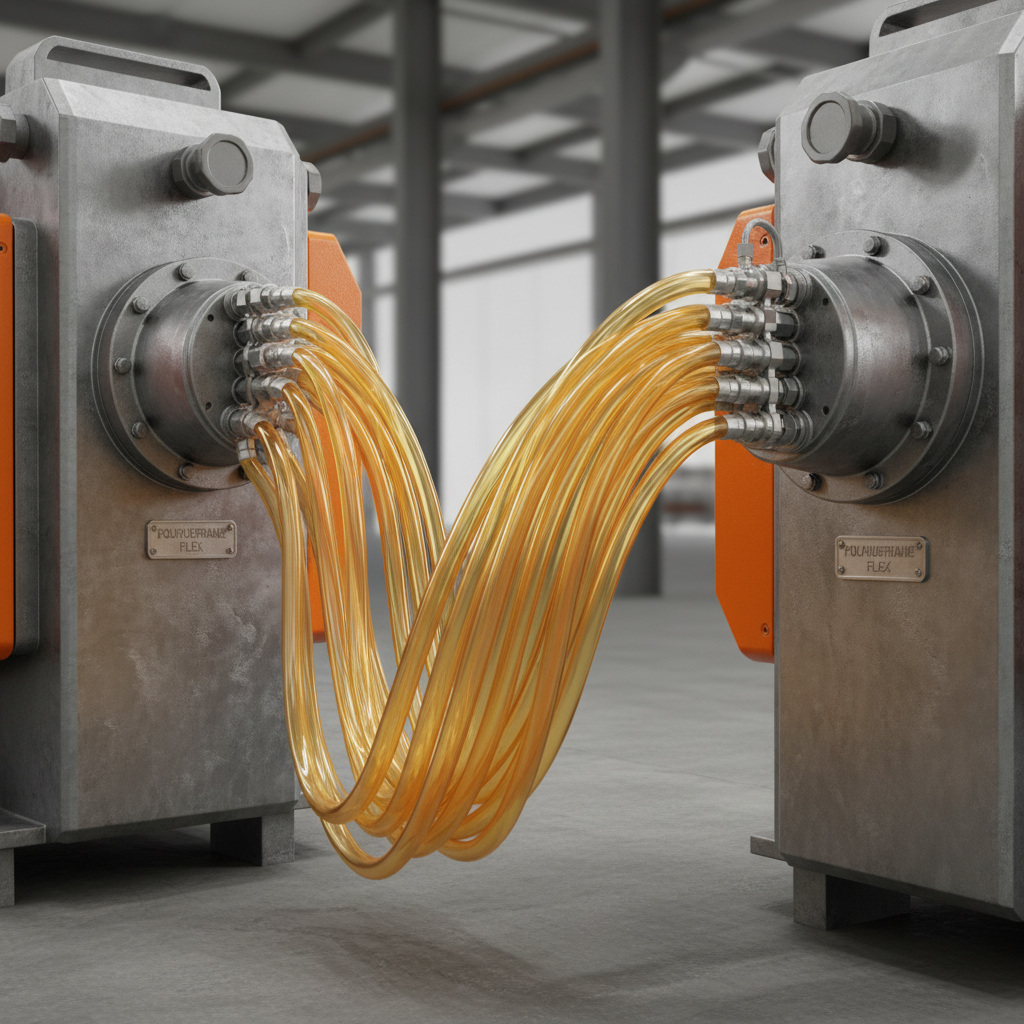
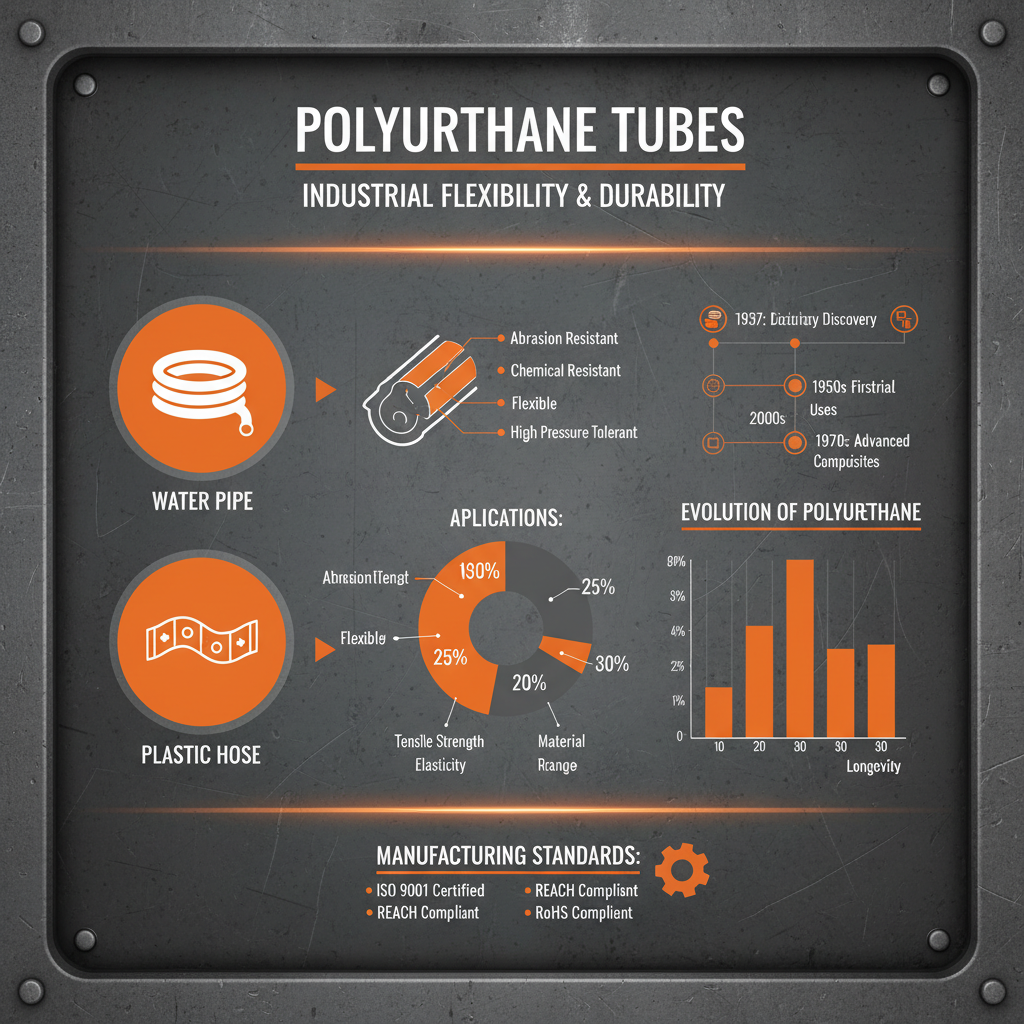
In the demanding world of fluid power and pneumatic systems, the selection of tubing materials can dictate the efficiency and longevity of an entire production line. The polyurethane tube has emerged as a cornerstone of modern industrial engineering, offering a unique blend of flexibility and robustness that traditional rubber or rigid plastic hoses often lack. By bridging the gap between soft elasticity and hard-wearing endurance, these tubes ensure that critical air and liquid transport systems operate without failure in high-pressure environments.

From an industrial perspective, the global shift toward automation and precision manufacturing has increased the demand for materials that can withstand repeated bending and abrasion without kinking. Polyurethane, a versatile polymer, provides the necessary tensile strength and abrasion resistance required for complex robotic arming and tight-radius installations. This versatility makes it indispensable across a spectrum of sectors, including automotive assembly, medical device manufacturing, and advanced food processing.

Understanding the technical nuances of a polyurethane tube is not merely about choosing a product; it is about optimizing system reliability and reducing operational downtime. As industries strive for leaner operations and higher safety standards, the adoption of high-performance PU tubing allows engineers to design more compact, efficient, and sustainable systems. This comprehensive guide explores the technical architecture, global applications, and future innovations of this essential industrial component.
Industrial Polyurethane Tube Guide for Pneumatic Systems

Global Industry Context of Polyurethane Tubing

Industrial Polyurethane Tube Guide for Pneumatic Systems

The global market for polyurethane tubing is intrinsically linked to the growth of the "Industry 4.0" movement. With the proliferation of pneumatic actuators and automated sensors, the need for a reliable polyurethane tube has surged. Statistics from industrial manufacturing benchmarks indicate that downtime caused by hose failure can cost enterprises thousands of dollars per hour, driving the search for materials that exceed the lifespan of traditional PVC or rubber alternatives.

Currently, the shift toward sustainable manufacturing and ISO-compliant safety standards is forcing a transition toward materials that are not only durable but also chemically stable. Polyurethane tubing addresses the challenge of material fatigue in high-cycle applications, where constant movement would typically lead to stress cracking in inferior plastics. This makes it a strategic asset for companies operating in highly regulated environments where failure is not an option.

Defining Polyurethane Tube and Its Role

In simple terms, a polyurethane tube is a high-performance flexible conduit made from a polymer consisting of organic units joined by carbamate links. Unlike rigid piping, PU tubing is engineered to be "elastic" yet "tough," meaning it can return to its original shape after deformation while resisting tears and punctures from sharp industrial debris.

Its role in modern industry is that of a critical "circulatory system." Whether it is transporting compressed air to a pneumatic cylinder or delivering precise dosages of fluids in a laboratory, these tubes ensure a leak-proof seal and consistent flow. This reliability is what allows for the miniaturization of machinery, as PU tubes can be routed through incredibly tight spaces without compromising the internal diameter or flow rate.

Beyond the factory floor, PU tubing serves vital humanitarian and medical needs. Because it can be formulated to be biocompatible and sterile, it is often used in medical devices and breathing apparatuses, where a failure in the tubing could have life-threatening consequences. Its ability to maintain flexibility at varying temperatures makes it a global standard for critical fluid transport.

Key Factors Governing Performance and Durability

One of the primary drivers of polyurethane tube performance is its exceptional abrasion resistance. In environments where tubes are dragged across concrete floors or rub against metal frames, PU resists the "shaving" effect that destroys PVC. This inherent toughness reduces the frequency of replacement and ensures that the inner wall remains smooth, preventing pressure drops over time.

Flexibility and kinking resistance are equally critical. A high-quality polyurethane tube is designed with a specific shore hardness that allows it to bend at acute angles without collapsing. This is particularly vital in robotic applications where the tubing must follow the movement of a multi-axis arm without restricting the air supply or creating a point of failure.

Furthermore, chemical compatibility and temperature stability define the operational envelope of the tube. Depending on whether the PU is ether-based or ester-based, the tube can be optimized for resistance to oils, microbial attack, or hydrolysis. This customization allows engineers to deploy these tubes in everything from humid food processing plants to oily automotive workshops.

Global Applications and Real-World Use Cases

The application of polyurethane tube spans across every continent, tailored to the specific needs of regional industries. In the high-tech hubs of East Asia, these tubes are integrated into semiconductor fabrication plants where extreme purity and precision in gas delivery are mandatory. In these settings, the low-outgassing properties of specialized PU tubing prevent the contamination of silicon wafers.

In the heavy industrial zones of North America and Europe, PU tubing is the gold standard for pneumatic tool lines in automotive assembly plants. For instance, in robotic welding cells, the tubing must endure thousands of cycles of extension and retraction daily. The use of PU prevents the sudden "burst" failures associated with aged rubber, ensuring that production lines remain active and worker safety is maintained.

Performance Comparison of Polyurethane Tube Variants


Long-Term Advantages and Economic Value

The long-term value of investing in a high-quality polyurethane tube extends far beyond the initial purchase price. While PU may have a higher upfront cost than PVC, its total cost of ownership (TCO) is significantly lower due to the extended replacement cycles. By reducing the frequency of "leak hunts" and emergency repairs, companies can maintain a more stable production cadence and lower their labor costs associated with maintenance.

Beyond economics, there is the intangible value of safety and trust. In pneumatic systems, a tube burst can lead to sudden machine decompression, potentially causing equipment damage or worker injury. The high burst pressure and fatigue resistance of PU provide peace of mind for plant managers. Furthermore, the ability to use color-coded tubes for different gas or fluid lines enhances operational safety by preventing cross-connection errors.

Future Trends and Material Innovations

The future of polyurethane tube technology is leaning heavily toward sustainability and "smart" materials. Researchers are currently developing bio-based polyurethanes derived from vegetable oils rather than petroleum, aiming to reduce the carbon footprint of industrial piping without sacrificing the mechanical properties that make PU so desirable. This alignment with green energy goals is becoming a requirement for many Fortune 500 companies.

Digital transformation is also touching the world of tubing. We are seeing the emergence of "intelligent" tubing systems where conductive layers are integrated into the polyurethane tube wall to monitor pressure changes or detect leaks in real-time via electrical impedance. This integration of sensor technology allows for predictive maintenance, where a tube is replaced based on actual wear data rather than a generic schedule.

Additionally, advancements in additive manufacturing are allowing for the creation of customized, multi-lumen PU tubes. Instead of running five separate hoses, engineers can now design a single tube with multiple internal channels, reducing the bulk and complexity of wiring and piping in compact medical devices or aerospace components.

Overcoming Common Implementation Challenges

Despite its advantages, implementing a polyurethane tube system is not without challenges. One common issue is "hydrolysis," where ester-based PU breaks down when exposed to high humidity and heat over long periods. This can lead to the tubing becoming brittle and cracking. The professional solution is to switch to ether-based polyurethane, which offers superior resistance to water and microbial degradation.

Another frequent challenge is the selection of the correct fitting. Because PU is flexible, improper insertion into push-to-connect fittings can lead to "blow-outs" under high pressure. Experts recommend ensuring that the tube is cut squarely and pushed fully past the internal gripping ring. Using the correct shore hardness (e.g., 95A vs 98A) ensures that the fitting grips the tube securely without permanently deforming the material.

Lastly, temperature extremes can affect the flexibility of PU. In ultra-cold environments, standard PU can become rigid. The solution lies in using specialized low-temperature formulations or integrating heating elements in critical runs. By matching the specific chemical grade of the tube to the environmental stressor, operators can maximize the lifespan of their systems.

Technical Comparison of Polyurethane Tube Grades for Industrial Selection

Material Grade Primary Resistance Flexibility Score (1-10) Typical Lifecycle (Yrs)
Ether-based PU Moisture & Hydrolysis 9 5-8
Ester-based PU Oil & Solvent 8 3-5
Reinforced PU High Pressure Burst 6 7-10
Medical Grade PU Biocompatibility 10 1-2 (Disposable)
UV-Stabilized PU Sunlight Exposure 7 4-6
Low-Temp PU Freezing Conditions 8 5-7

FAQS

What is the main difference between ether and ester polyurethane tubes?

The primary difference lies in their chemical resistance. Ether-based polyurethane tubes are highly resistant to hydrolysis (breakdown by water) and microbial attack, making them ideal for humid environments. Ester-based tubes, conversely, offer superior resistance to oils and certain solvents but can degrade if exposed to moisture and heat for long periods. Choosing the right one depends entirely on your environmental conditions.

Can a polyurethane tube handle high-pressure pneumatic systems?

Yes, PU tubing is designed for pneumatic applications, but the pressure rating depends on the wall thickness and material grade. Standard PU tubes can handle moderate to high pressures, but for extreme high-pressure needs, we recommend reinforced polyurethane tubing, which includes a braided layer to prevent expansion and bursting under heavy loads.

How do I prevent my PU tubing from kinking in tight spaces?

To prevent kinking, ensure you are using a tube with the appropriate shore hardness for your application. Additionally, using radius-limiting supports or ensuring the bend radius is at least 3-5 times the outer diameter of the tube will maintain internal flow and prevent the material from collapsing under stress.

Is polyurethane tubing safer than PVC for food-grade applications?

Generally, yes. Many polyurethane formulations are FDA-compliant and non-toxic, offering better flexibility and durability than PVC. PVC often contains plasticizers (like phthalates) that can migrate into the fluid, whereas high-quality PU is more stable and less likely to contaminate the medium being transported.

How often should I replace my polyurethane tubes in an automated line?

While PU is incredibly durable, replacement schedules should be based on the "cycle count" and environmental stress. In high-movement robotic arms, we recommend an inspection every 6 months and potential replacement every 2 years. However, if the tubes are static and in a climate-controlled environment, they can last a decade or more.

What fittings are most compatible with polyurethane tubing?

Push-to-connect fittings are the most common and efficient choice for PU tubing due to their ease of installation. However, for high-pressure or permanent installations, compression fittings or barb fittings with secure clamps are recommended to ensure a leak-proof seal that can withstand vibration.

Conclusion

In summary, the polyurethane tube represents a critical intersection of material science and industrial pragmatism. By providing unparalleled abrasion resistance, flexibility, and a customizable chemical profile, it solves the most persistent challenges of pneumatic and fluid transport. Whether it is through the use of ether-based grades for moisture resistance or reinforced structures for high-pressure environments, the versatility of PU tubing ensures that it remains a primary choice for engineers worldwide.

Looking forward, the integration of bio-based polymers and smart sensing technology will further elevate the role of these tubes from passive conduits to active components of the industrial ecosystem. We encourage facility managers and engineers to audit their current tubing infrastructure and transition to high-performance PU solutions to reduce downtime and enhance safety. For those seeking the highest standards in industrial tubing, we invite you to explore our full range of solutions. Visit our website: www.kebinghose.com
Ethan Blackwood

Ethan Blackwood

Ethan Blackwood serves as Kebing’s Quality Control Manager. He’s responsible for upholding our rigorous quality standards throughout the entire production process, from raw material sourcing to final product inspection. With a background in Materials Science and a decade of experience in quality assurance, Ethan ensures every hose meets or exceeds
Previous Understanding Global Polyurethane Tube Price and Market Dynamics
Next Industrial Polyurethane Tubings for Fluid and Air Transport Systems
INQUIRE
en_USEnglish