0%

Table of Contents

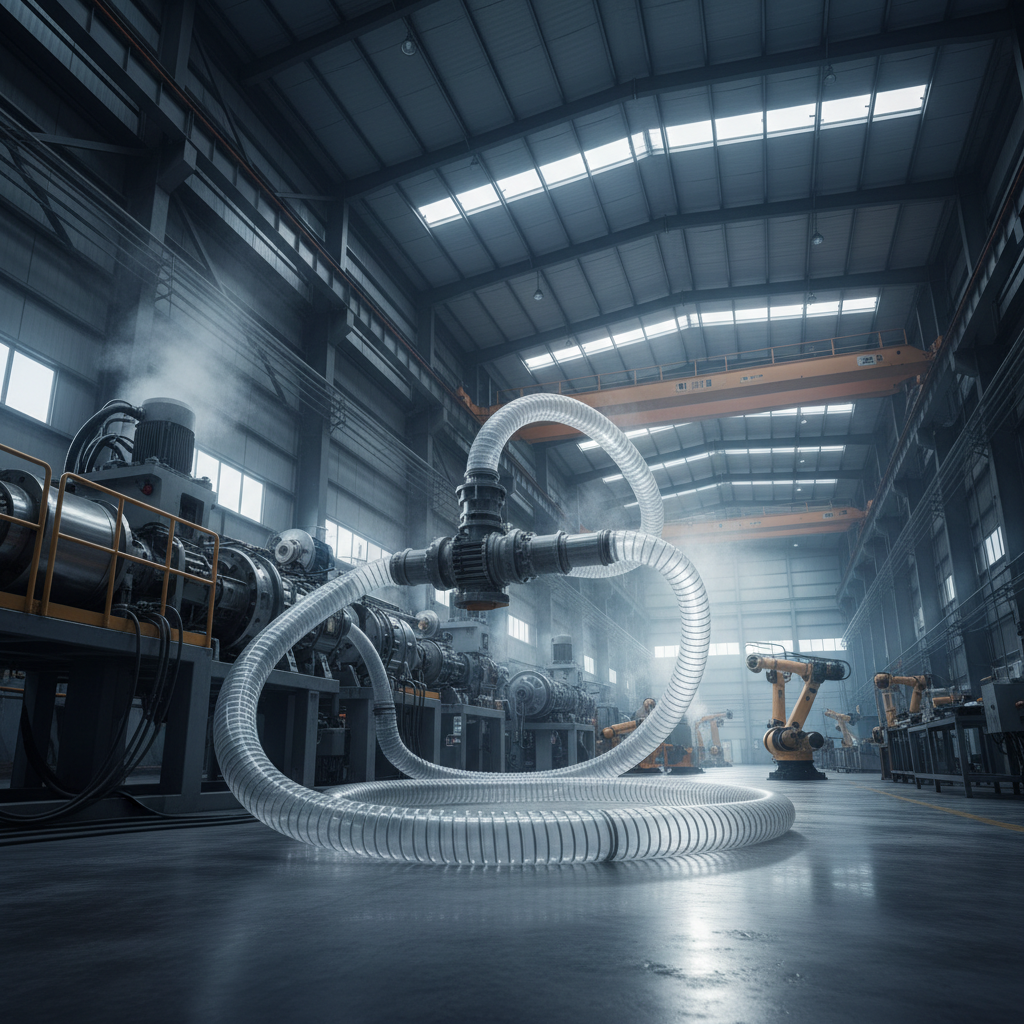
Polyurethane tubing has emerged as a cornerstone in modern fluid and gas handling, offering a unique blend of flexibility and strength that traditional rubber or PVC often lack. In an era where industrial precision and durability are paramount, understanding the material properties of polyurethane tubing is essential for engineers and procurement specialists aiming to optimize system uptime and safety.

Across the global manufacturing landscape, from automated assembly lines in Germany to textile factories in Southeast Asia, the adoption of these specialized tubes has streamlined pneumatic systems. The ability of this material to withstand abrasion while remaining pliable makes it an indispensable asset in environments where tubing is subject to constant movement or external friction.

By delving into the technical nuances of polyurethane tubing, businesses can significantly reduce maintenance costs and enhance operational efficiency. This guide explores the global context, technical advantages, and future trajectories of this versatile material, ensuring you make an informed choice for your industrial infrastructure.
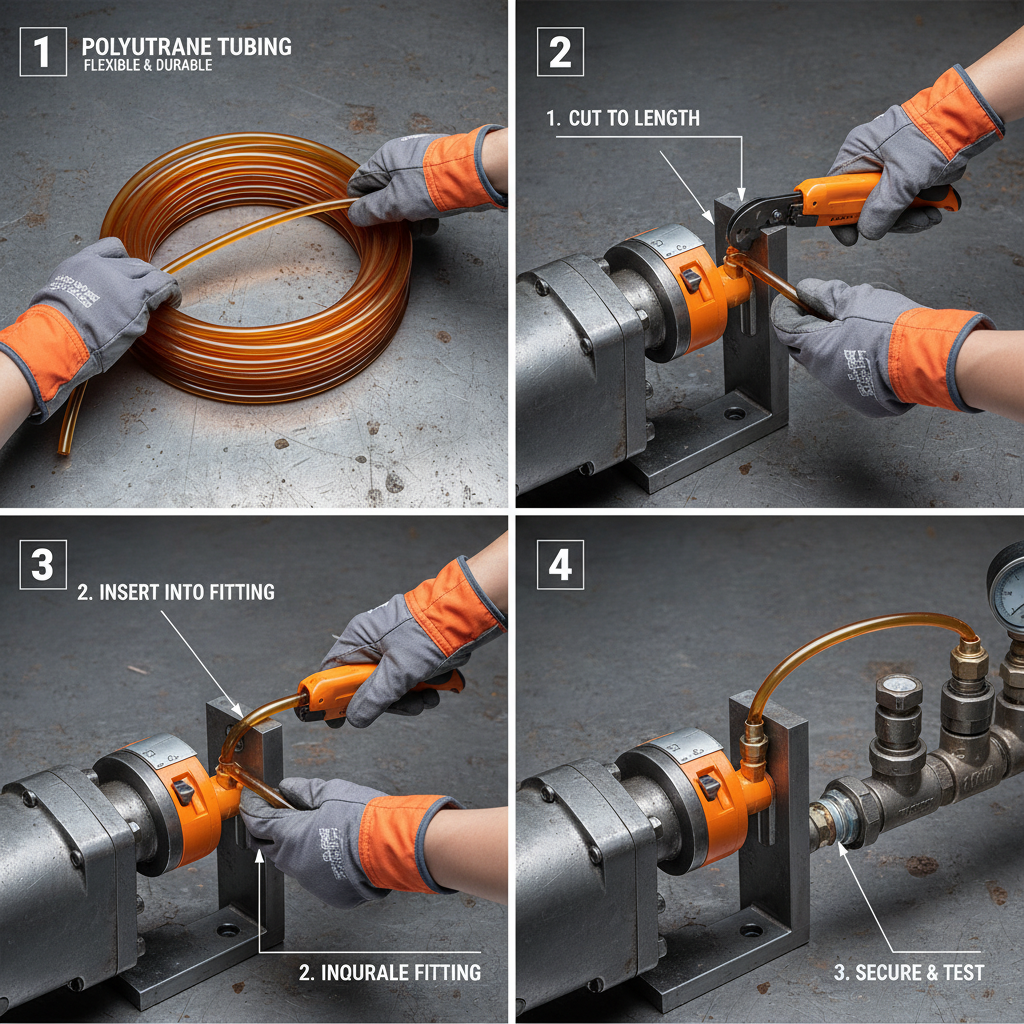
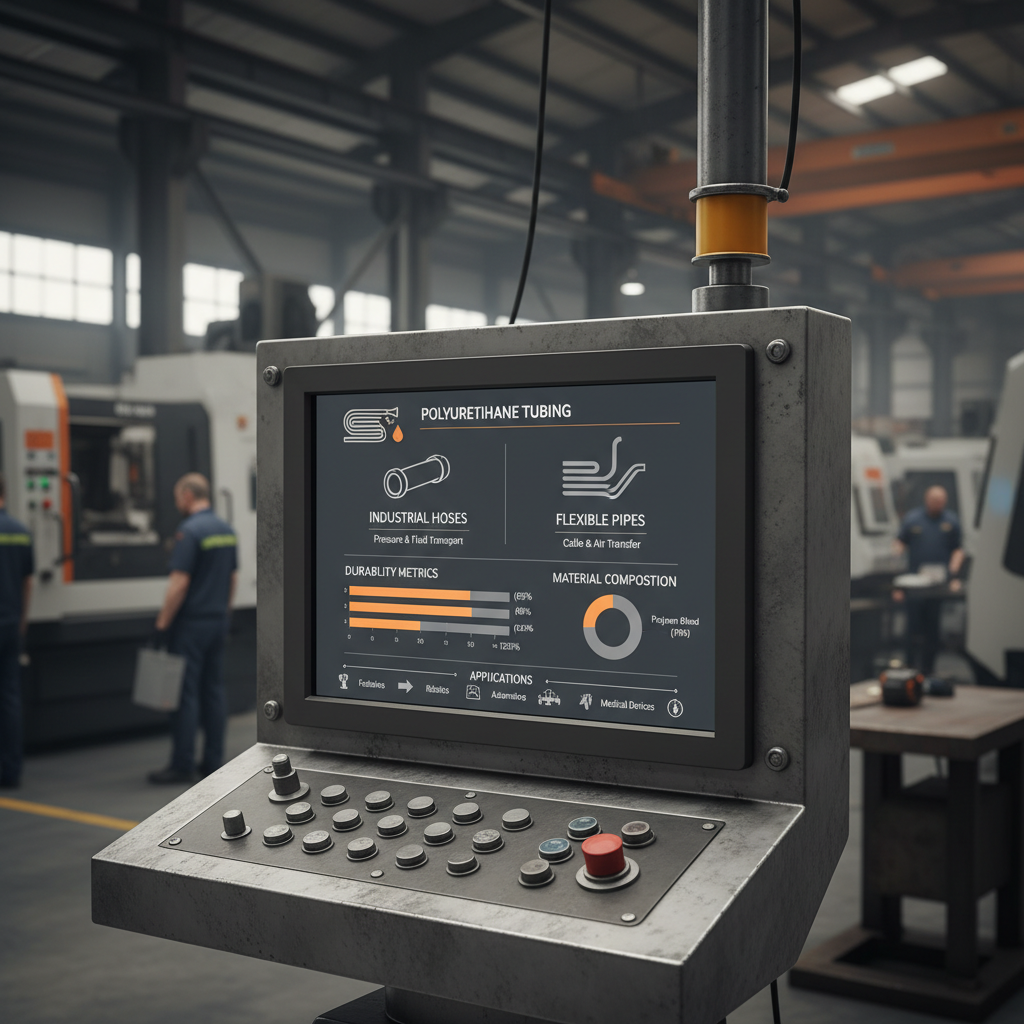
Industrial Polyurethane Tubing Properties and Global Applications

Global Industry Context of Polyurethane Tubing

Industrial Polyurethane Tubing Properties and Global Applications

The global demand for high-performance polymers has surged as industries shift toward automation and Industry 4.0. polyurethane tubing plays a critical role in this transition, particularly within the pneumatic and hydraulic sectors where precision fluid control is non-negotiable. According to international industrial standards, the move toward materials that offer higher fatigue resistance has reduced downtime in automotive and aerospace manufacturing by significant margins.

However, the industry faces a persistent challenge: balancing material cost with extreme environmental durability. Many traditional tubing materials fail prematurely under UV exposure or chemical stress, leading to costly leakages and safety hazards. This is where the engineered properties of polyurethane come into play, providing a resilient alternative that meets the rigorous demands of ISO quality certifications.

Defining Polyurethane Tubing and Its Industrial Role

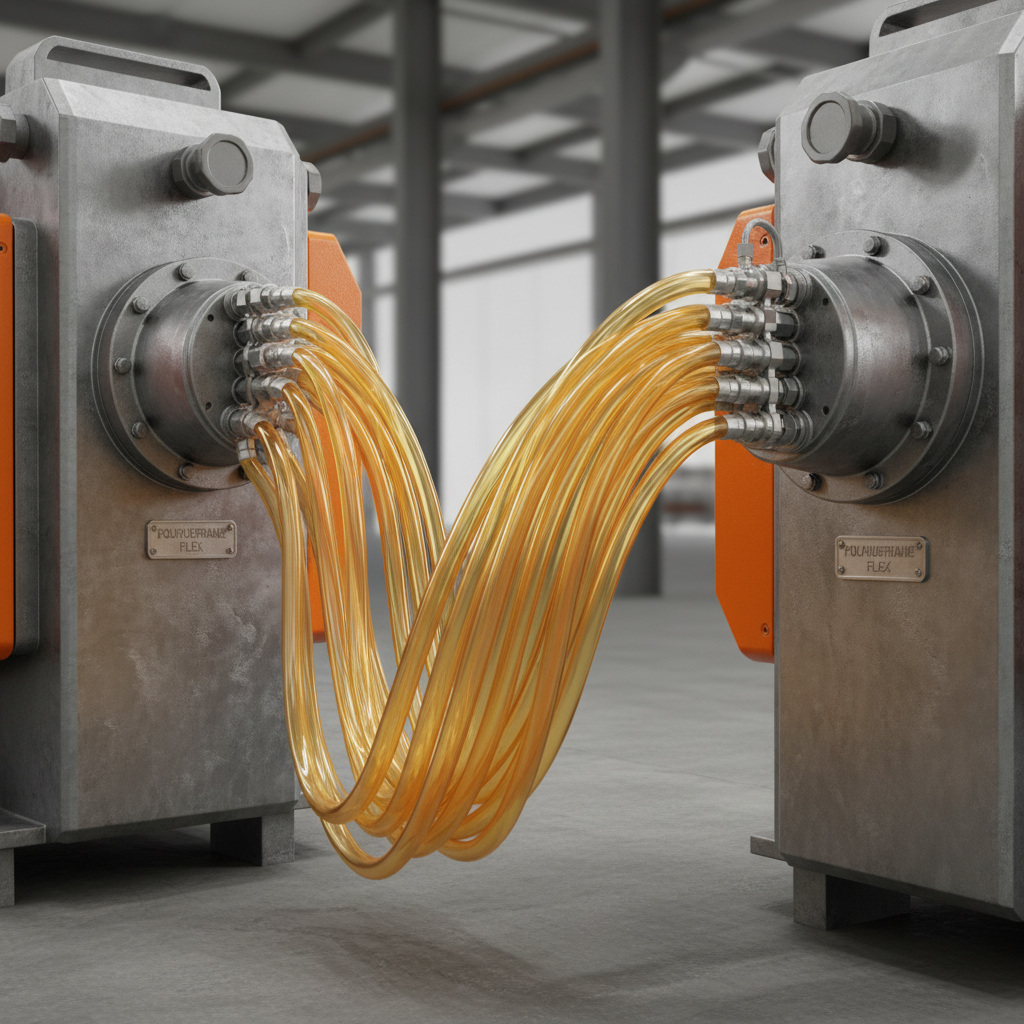
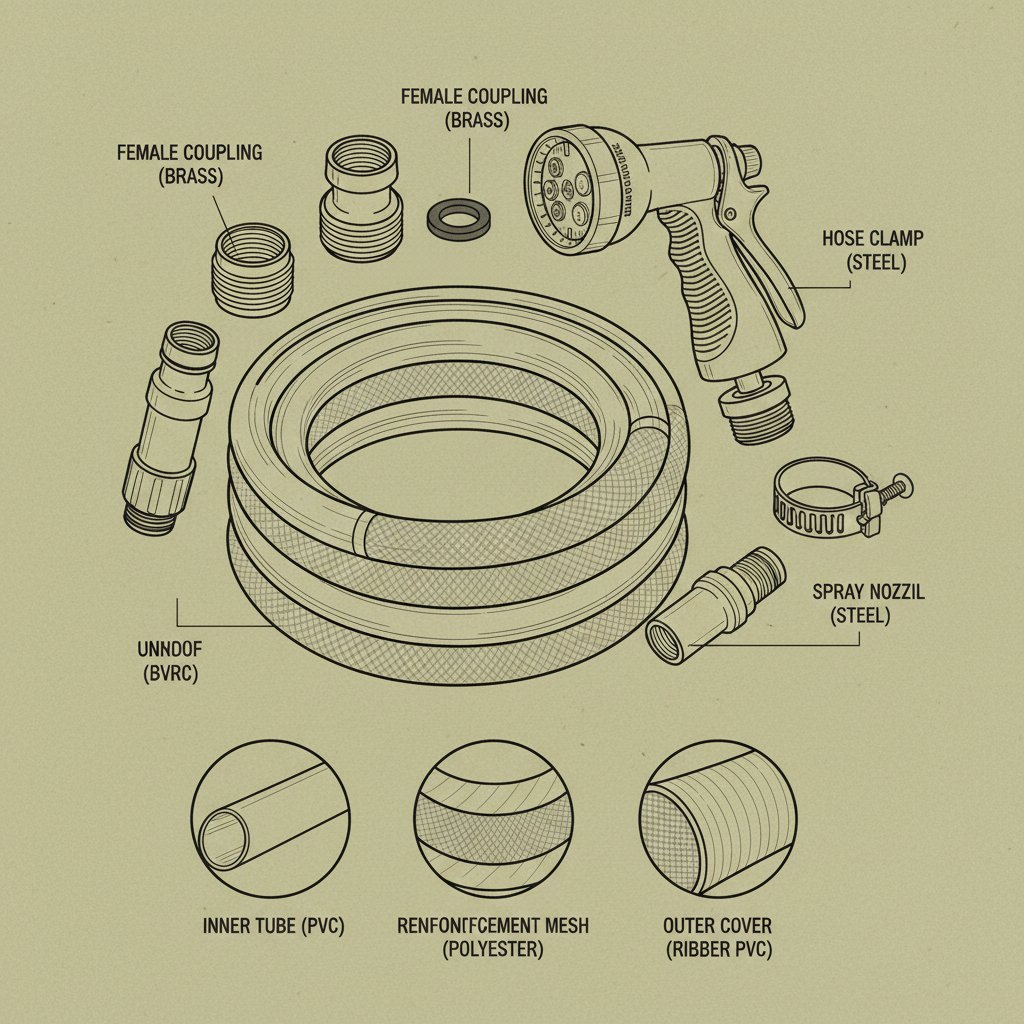
In simple terms, polyurethane tubing is a flexible hose made from a polymer that combines the properties of both plastics and rubbers. This unique chemical structure allows it to be highly elastic yet incredibly tough, making it an ideal conduit for air, water, and certain chemical fluids. Unlike rigid PVC, it can bend around tight corners without kinking, which is vital for complex machinery layouts.

Beyond its physical properties, this tubing serves as a vital link in modern humanitarian and industrial needs. For instance, in medical device manufacturing, its biocompatibility and clarity are highly valued, while in heavy industrial zones, its abrasion resistance prevents premature wear and tear in harsh environments.

Essentially, it bridges the gap between the extreme flexibility of silicone and the high pressure-resistance of nylon. This versatility ensures that regardless of whether the application is a simple air-brake system or a complex robotic arm, the tubing maintains a consistent flow rate and structural integrity.

Core Components Affecting Tubing Performance

The primary factor determining the success of polyurethane tubing is its shore hardness. Harder tubes offer better pressure ratings and a more rigid structure, which is essential for high-pressure pneumatic lines, while softer variants provide the extreme flexibility needed for robotic cabling.

Another critical component is the material's "memory" or recovery rate. High-quality polyurethane tubing is designed to return to its original shape after being bent or compressed, ensuring that the internal diameter remains constant and fluid flow is never restricted by permanent deformation.

Finally, chemical compatibility and temperature stability are key metrics. The ability to resist oils and grease without swelling makes this material far superior to standard plastics in automotive shops and hydraulic systems, extending the lifespan of the entire pneumatic circuit.

Comparative Efficiency of Tubing Materials

When comparing materials, the choice often boils down to the specific environment of the application. While Nylon is stronger and PVC is cheaper, polyurethane tubing offers the best middle-ground for applications requiring a balance of kink resistance, flexibility, and tensile strength.

For many operators, the "cost-per-hour" of operation is more important than the initial purchase price. Because polyurethane resists abrasion better than almost any other thermoplastic, the replacement frequency is lower, leading to significant long-term savings in labor and material.

Performance Comparison of Polyurethane Tubing Variants


Global Applications and Real-World Use Cases

In real-world contexts, polyurethane tubing is extensively used in the food and beverage industry due to its non-toxic properties and ease of cleaning. In automated bottling plants, these tubes carry compressed air to actuators that move bottles at high speeds, where any tube failure would halt the entire production line.

Beyond the factory floor, this material is crucial in remote industrial zones, such as mining operations in Australia or oil rigs in the North Sea. In these high-abrasion environments, the tubing's ability to resist cuts and scratches from rocky debris ensures that critical pneumatic controls remain functional even under extreme mechanical stress.

Long-Term Value and Sustainable Advantages

The tangible benefits of integrating high-grade polyurethane tubing extend beyond simple mechanics; they touch upon economic sustainability. By reducing the rate of leaks and bursts, companies lower their energy consumption, as compressors don't have to work overtime to compensate for air loss in a leaky system.

From a safety perspective, the reliability of these tubes provides peace of mind to operators. In high-pressure environments, a tube burst can be dangerous; the superior burst-pressure ratings of PU tubing enhance the overall safety culture of the workplace, fostering trust between the management and the technical staff.

Furthermore, the longevity of the material reduces the amount of plastic waste generated by frequent replacements. When a system is installed with durable polyurethane, the lifecycle of the infrastructure is extended, aligning industrial growth with a more sustainable approach to resource management.

Future Trends in Polyurethane Tubing Innovation

The future of polyurethane tubing is closely tied to the development of "smart materials." We are seeing the emergence of tubes infused with conductive elements that can sense pressure drops or temperature changes in real-time, integrating directly into a facility's digital twin for predictive maintenance.

Sustainability is also driving innovation, with a shift toward bio-based polyurethanes. These new materials aim to maintain the same high-performance specs—like abrasion resistance and flexibility—while reducing the reliance on petroleum-based precursors, meeting the green energy goals of global corporations.

Additionally, the trend toward miniaturization in medical and electronics manufacturing is pushing the boundaries of tubing wall thickness. New extrusion technologies are allowing for thinner, lighter tubes that can handle higher pressures, enabling the creation of more compact and efficient pneumatic devices.

Comparative Analysis of Polyurethane Tubing Material Grades

Material Grade Abrasion Resistance Hydrolysis Resistance Flexibility Score (1-10)
Ether-based PU Excellent High 8
Ester-based PU Superior Moderate 7
Medical Grade PU Good Very High 9
Industrial Hard PU Extreme Moderate 5
UV-Stabilized PU Good High 7
Low-Temp PU Moderate High 10

FAQS

What is the main difference between ether and ester polyurethane tubing?

The primary difference lies in their chemical resistance. Ether-based polyurethane tubing is far more resistant to hydrolysis (breakdown by water) and microorganisms, making it ideal for damp environments. Ester-based tubing, while slightly more susceptible to water, generally offers superior abrasion resistance and higher tensile strength, making it better for dry, high-friction mechanical applications.

Can polyurethane tubing be used for high-pressure hydraulic systems?

While PU tubing is excellent for pneumatic systems and low-to-medium pressure hydraulics, it is not a replacement for reinforced steel-wire hoses in ultra-high-pressure hydraulic systems. However, for control lines and low-pressure return lines, it is often preferred due to its flexibility and ease of installation. Always check the specific burst pressure rating of the tube grade you are using.

How do I prevent kinking in my pneumatic tubing lines?

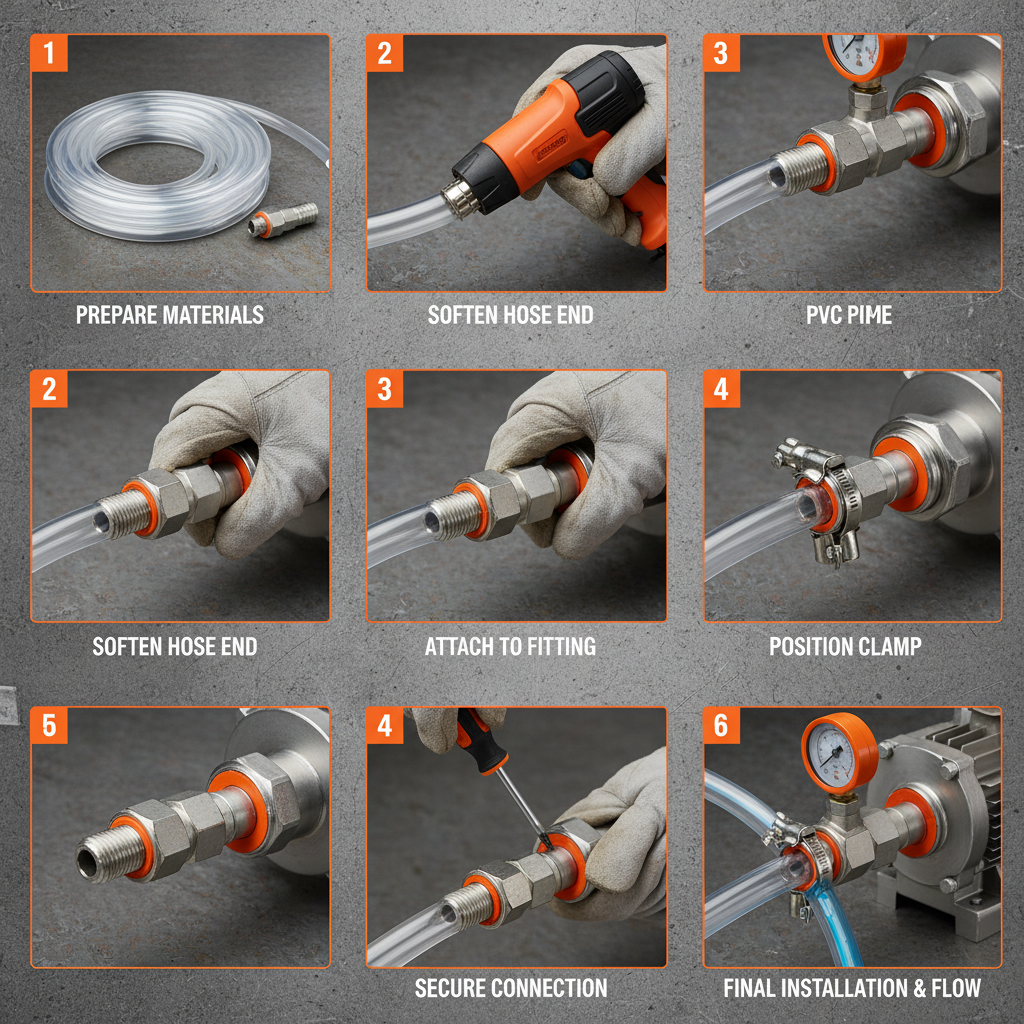
To prevent kinking, ensure you are using the correct shore hardness for your application. If the tube is too soft, it may collapse under vacuum or kink during tight bends. Using proper radius supports or selecting a high-quality polyurethane tubing with a high "memory" coefficient will ensure the tube maintains its circular cross-section even during repetitive bending.

Is polyurethane tubing eco-friendly and recyclable?

Traditional PU is petroleum-based, but its extreme durability makes it more eco-friendly than cheaper alternatives because it requires fewer replacements over time. Furthermore, the industry is rapidly moving toward bio-based polyurethanes and advanced recycling methods that allow old tubing to be pelletized and reused in other plastic components, reducing the overall environmental footprint.

How does temperature affect the flexibility of the tubing?

Like most polymers, polyurethane becomes stiffer at lower temperatures and softer at higher temperatures. If your application involves extreme cold (e.g., refrigeration or arctic climates), you should specify "low-temperature grade" PU tubing, which is engineered with additives to maintain flexibility and prevent cracking in sub-zero conditions.

What are the signs that my tubing needs to be replaced?

Look for signs of "crazing" (small surface cracks), discoloration from UV exposure, or permanent deformation (kinks that don't pop back). In ether-based tubes, a "sticky" surface can indicate chemical breakdown. Regularly auditing your lines for these signs can prevent catastrophic bursts and maintain system efficiency.

Conclusion

Polyurethane tubing stands as a vital intersection of material science and industrial utility, providing a robust solution to the age-old conflict between flexibility and durability. From its superior abrasion resistance and recovery properties to its versatility across the medical, automotive, and food industries, it has proven itself to be a high-value investment for any operation seeking to minimize downtime and maximize safety.

As we move toward a more automated and sustainable industrial future, the evolution of bio-based and smart polyurethane materials will continue to push the boundaries of what is possible in fluid handling. We recommend that engineers prioritize material grade (Ether vs. Ester) based on environmental humidity and friction levels to ensure maximum longevity. For high-quality solutions, visit our website: www.kebinghose.com.

David Miller

David Miller

David Miller is Kebing’s Senior Sales Engineer, specializing in pneumatic and high-pressure hose applications. With over 8 years of experience in industrial material sales, David focuses on building strong relationships with clients in the manufacturing and automotive sectors. He's a graduate of Purdue University with a degree in Mechanical Engineering,
Previous Industrial Polyurethane Tubings for Fluid and Air Transport Systems
Next Leading Polyurethane Tubing Supplier for Industrial and Specialized Applications
INQUIRE
en_USEnglish