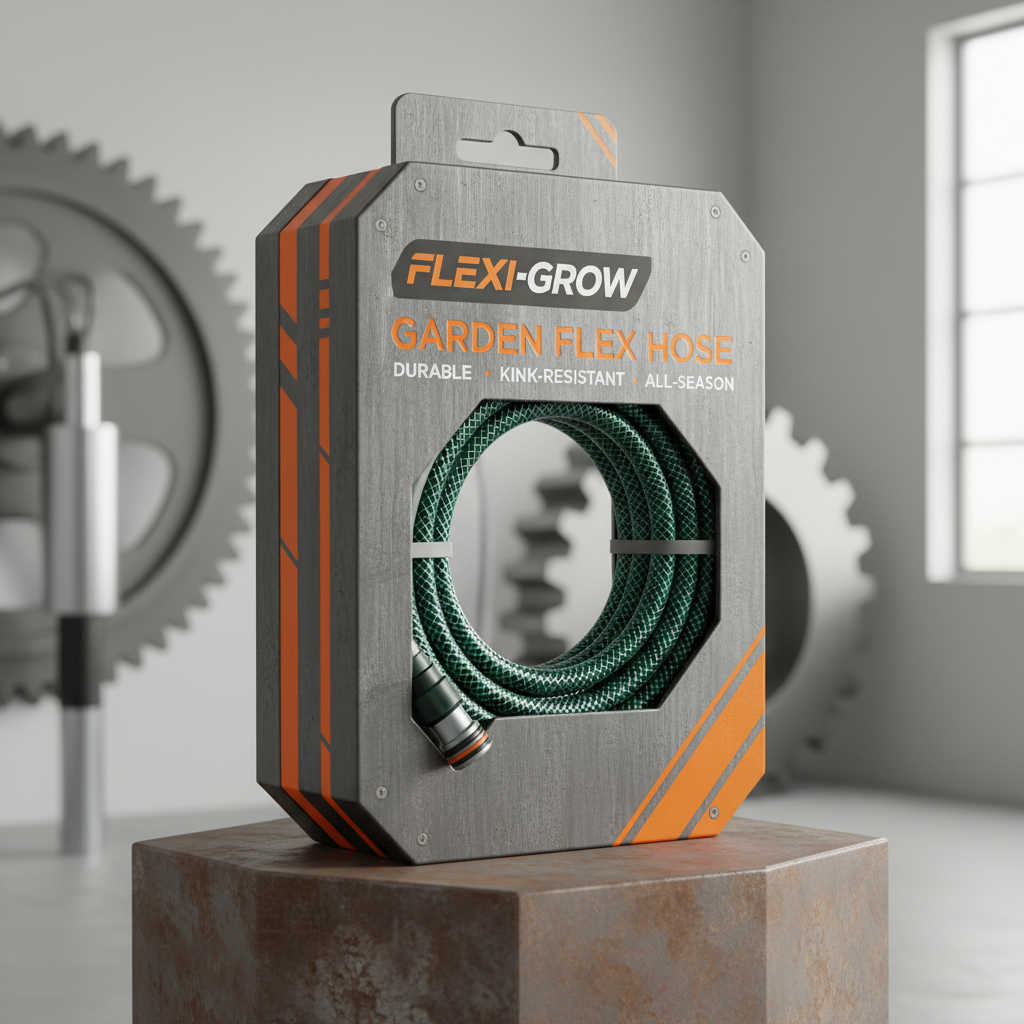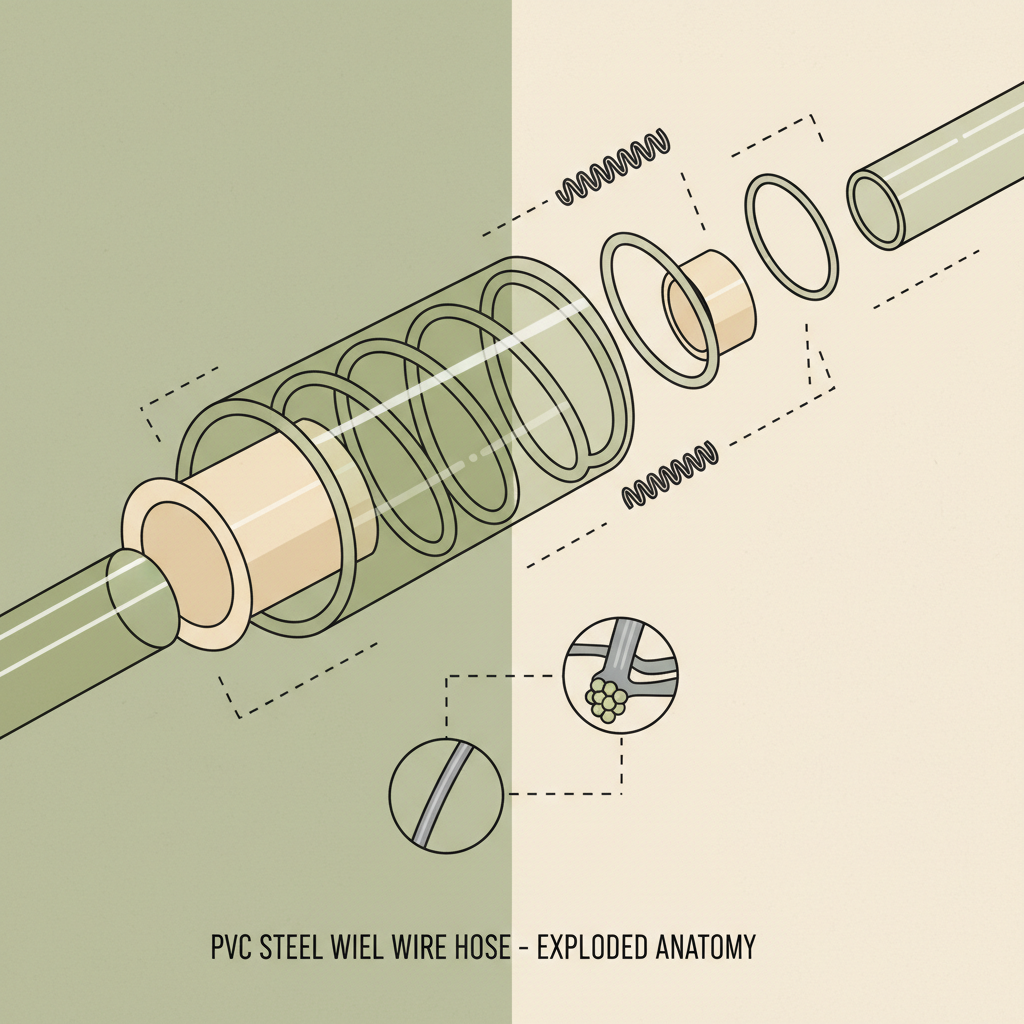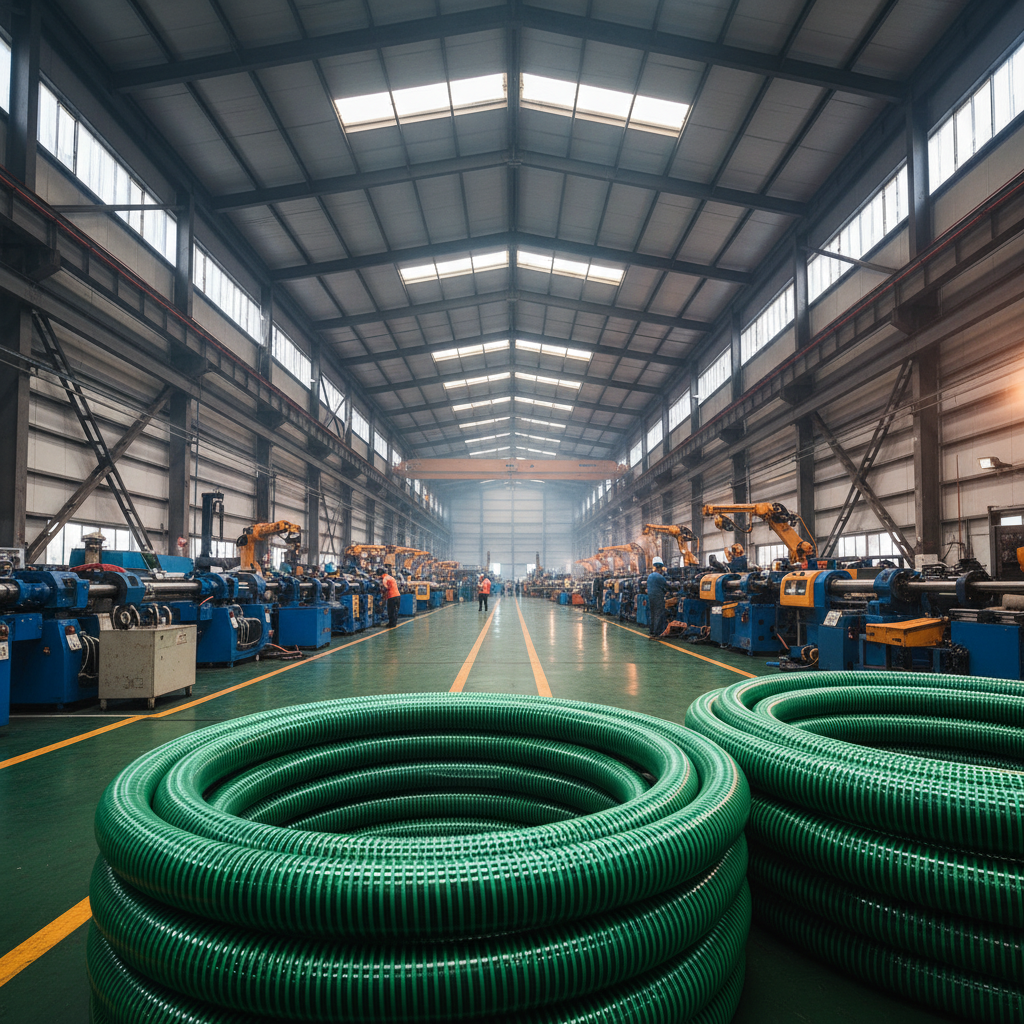
Look, I've been running around construction sites for fifteen years, seen a lot of things. Lately, everyone's talking about 'smart' hoses, you know? Sensors built-in, data logging… honestly, a bit much if you ask me. Give me a reliable rubber blend any day. But it's the direction things are going, I guess.
What's really been bugging me though, is this trend of over-engineering the connections. I encountered this at a factory in Ningbo last time - fancy quick-connects that look great in the catalog but clog with even the slightest bit of grit. Then you're standing there with a frustrated crew, trying to pry it apart with a screwdriver. Trust me, simplicity wins.
The core stuff though, that hasn't changed. We're still heavily reliant on good old EPDM rubber for most of our suction hoses. It's got that slightly oily feel when it's new, and that distinctive rubber smell... you can tell a quality blend just by the scent, honestly. Then there’s the PVC stuff, good for lighter applications, but feels… cheap. And the polyurethane? That's the expensive stuff, real flexible, but scratches easy.
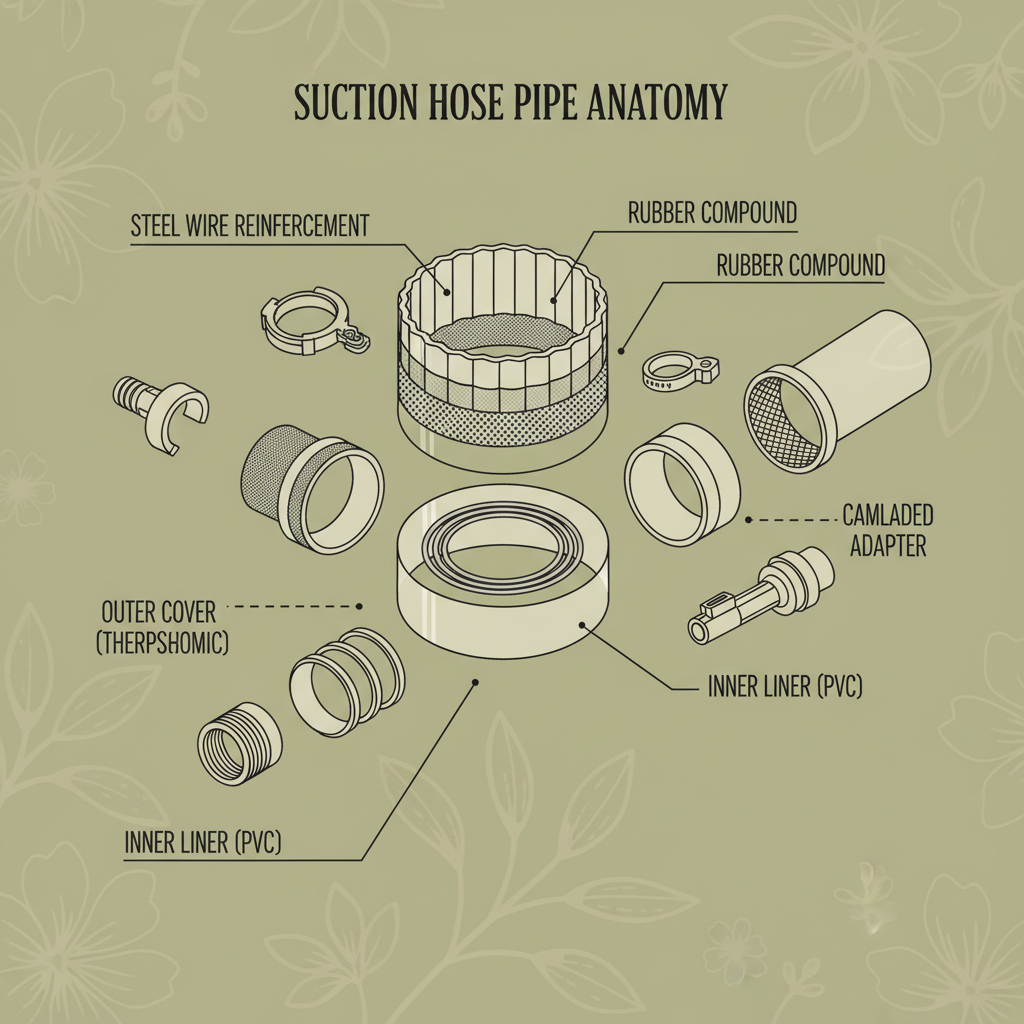
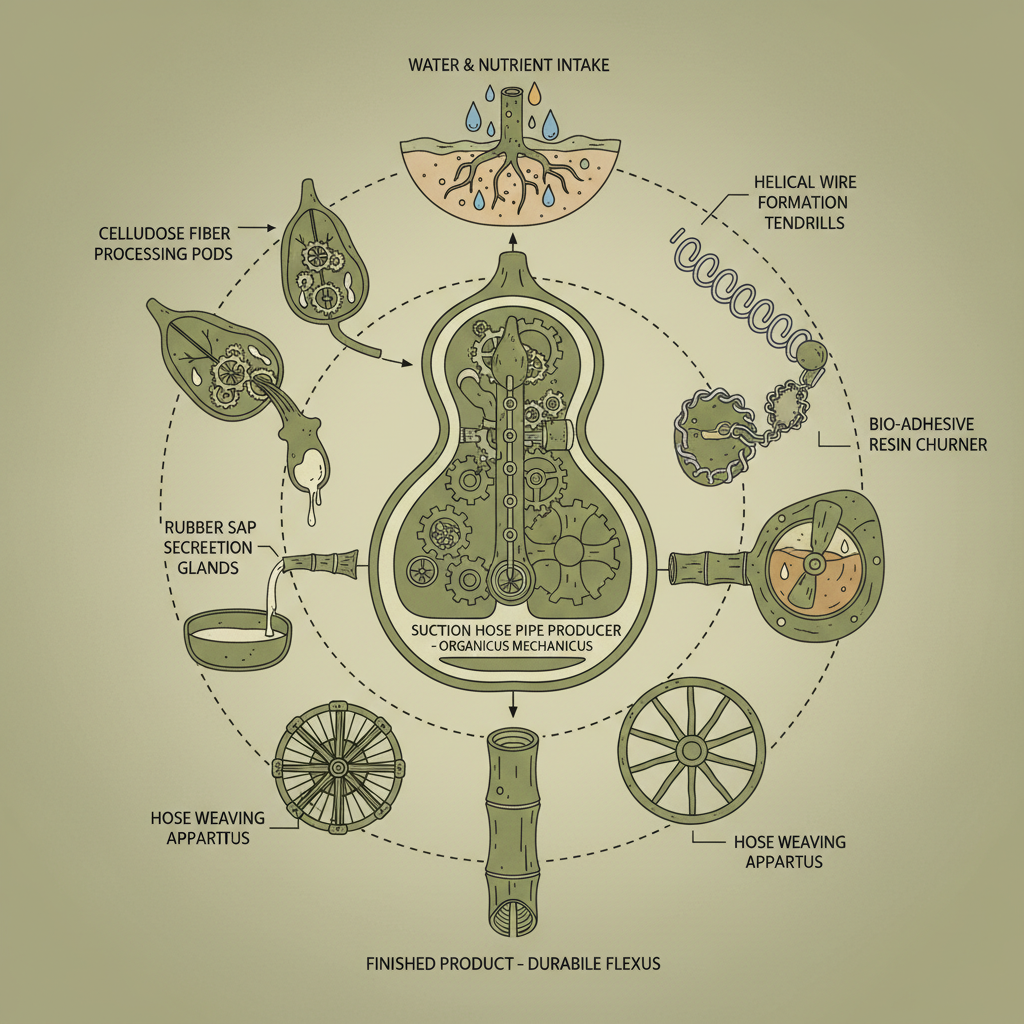
To be honest, "innovation" in this industry often means slapping a sensor on something. Don't get me wrong, data is useful, but a hose's job is to suck, not send reports. Have you noticed how everyone's chasing 'lightweight' materials? It’s fine, until you’re dragging a full hose across a rocky site. A little weight gives you control, you know?
I've also been seeing a lot of talk about bio-based polymers. Interesting idea, but the durability just isn't there yet. The early stuff felt… flimsy. Like it’d crack if you looked at it wrong. They need to work on that.
That really depends on the application and how well it's maintained. A hose used for clean water transfer might last for years, while one used for abrasive slurry could need replacing every few months. Generally, look for cracks, bulges, or a loss of flexibility – those are all signs it's time for a new one. It’s best to have a regular inspection schedule.
You need to consider the flow rate and the distance the liquid needs to travel. Too small a diameter creates excessive friction, reducing flow. Too large, and you lose suction power. There are formulas to calculate this, but honestly, experience is the best teacher. We usually recommend consulting with an engineer if you're unsure.
EPDM is much more flexible and has better chemical resistance. PVC is cheaper and more rigid. EPDM holds up better in extreme temperatures. PVC gets brittle in the cold. For general water transfer, PVC is okay. But for anything involving chemicals or harsh environments, EPDM is the way to go.
Avoid sharp bends! Use a larger bend radius. If that's not possible, consider using a hose with a stiffer construction or adding support sleeves. Also, make sure the hose isn't obstructed internally. Sometimes debris can build up and cause kinking. Proper storage is also important – don’t coil it too tightly.
Minor damage, like small cuts, can sometimes be repaired with specialized tape or patches. But for significant damage, like a burst or a large crack, it’s best to replace the hose. Repairs can be unreliable and could lead to failure. Safety first, always.
Store them in a cool, dry place, away from direct sunlight and extreme temperatures. Coil them loosely to avoid kinking. Don’t store them on the ground where they can be damaged by rocks or debris. And ideally, drain any remaining liquid from the hose before storing it.
So, there you have it. Suction hoses aren’t exactly the most glamorous part of any operation, but they’re absolutely critical. From material selection to real-world testing, understanding the nuances of these components can save you headaches, money, and even potential disasters. It’s a world of rubber, reinforcement, and surprisingly complex engineering.
Ultimately, whether this thing works or not, the worker will know the moment he tightens the screw. And if he’s cursing under his breath, you know you've got a problem. If you need help figuring out which hose is right for your job, give us a shout at suction hose pipe manufacturers. We've seen it all.

 Afrikaans
 Albanian
 Arabic
 Azerbaijani
 Belarusian
 Bengali
 Bulgarian
 Czech
Czech
 Danish
 Dutch
Dutch
 Finnish
 French
 German
 Greek
Greek
 Hebrew
 Hindi
Hindi
 Hungarian
 Indonesian
 Irish
Irish
 Italian
 Japanese
 Kazakh
 Korean
 Kyrgyz
 Lao
Lao
 Latin
Latin
 Lithuanian
 Luxembourgish
 Malay
Malay
 Mongolian
 Myanmar
 Nepali
 Norwegian
 Persian
 Polish
 Portuguese
 Russian
 Serbian
 Slovak
 Spanish
 Swedish
 Tagalog
 Thai
Thai
 Turkish
 Ukrainian
 Uighur
 Uzbek
Uzbek
 Vietnamese
 Welsh
Welsh
 English