Black PVC hose is a remarkably versatile material used extensively across a diverse range of industries, from agriculture and irrigation to construction and even emergency services. Its inherent flexibility, durability, and relatively low cost have made it a staple in countless applications globally. Understanding its properties and applications is crucial for professionals and consumers alike seeking efficient and reliable fluid transfer solutions. The increasing demand for robust and cost-effective infrastructure is directly fueling the continued growth and innovation within the black PVC hose market.
The global market for PVC hoses is substantial and growing, driven by infrastructure development in emerging economies and the consistent need for fluid management in established markets. According to industry reports, the PVC hose market is projected to reach significant figures in the coming years, reflecting its vital role in supporting essential services like water distribution, drainage systems, and industrial processes. The ability of black PVC hose to withstand varying environmental conditions and maintain its integrity makes it an indispensable component in many critical applications.
Beyond its practical applications, the development and responsible use of black PVC hose also impacts sustainability considerations and resource management. As awareness of environmental impact grows, manufacturers are continually innovating to create more eco-friendly PVC formulations and promote responsible disposal practices, ensuring that this vital material contributes to a more sustainable future.
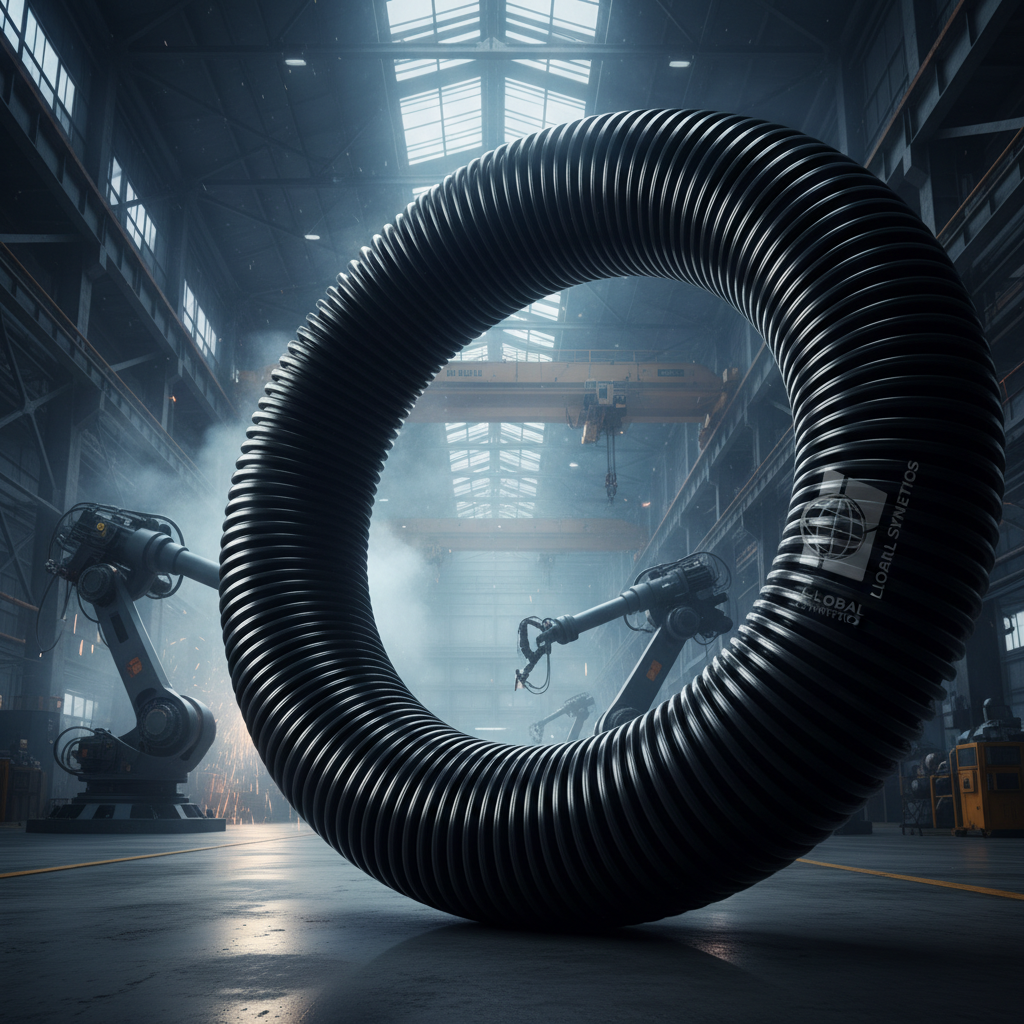
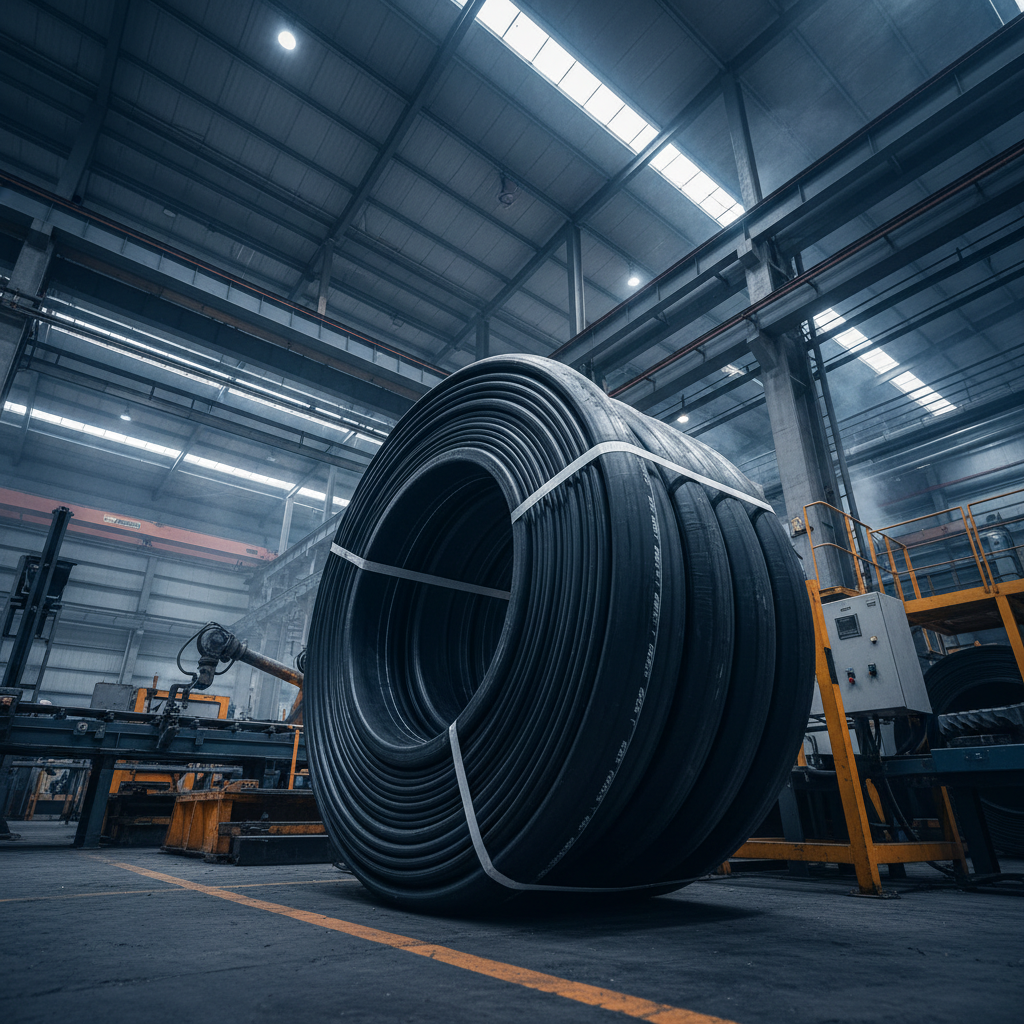
Black PVC hose, a ubiquitous component in numerous sectors, derives its utility from a specific blend of polyvinyl chloride and additives, resulting in a dark, flexible, and resilient tubing. This coloration provides enhanced resistance to ultraviolet (UV) degradation, making it suitable for outdoor applications where prolonged sun exposure is a concern. black pvc hose is fundamentally important.
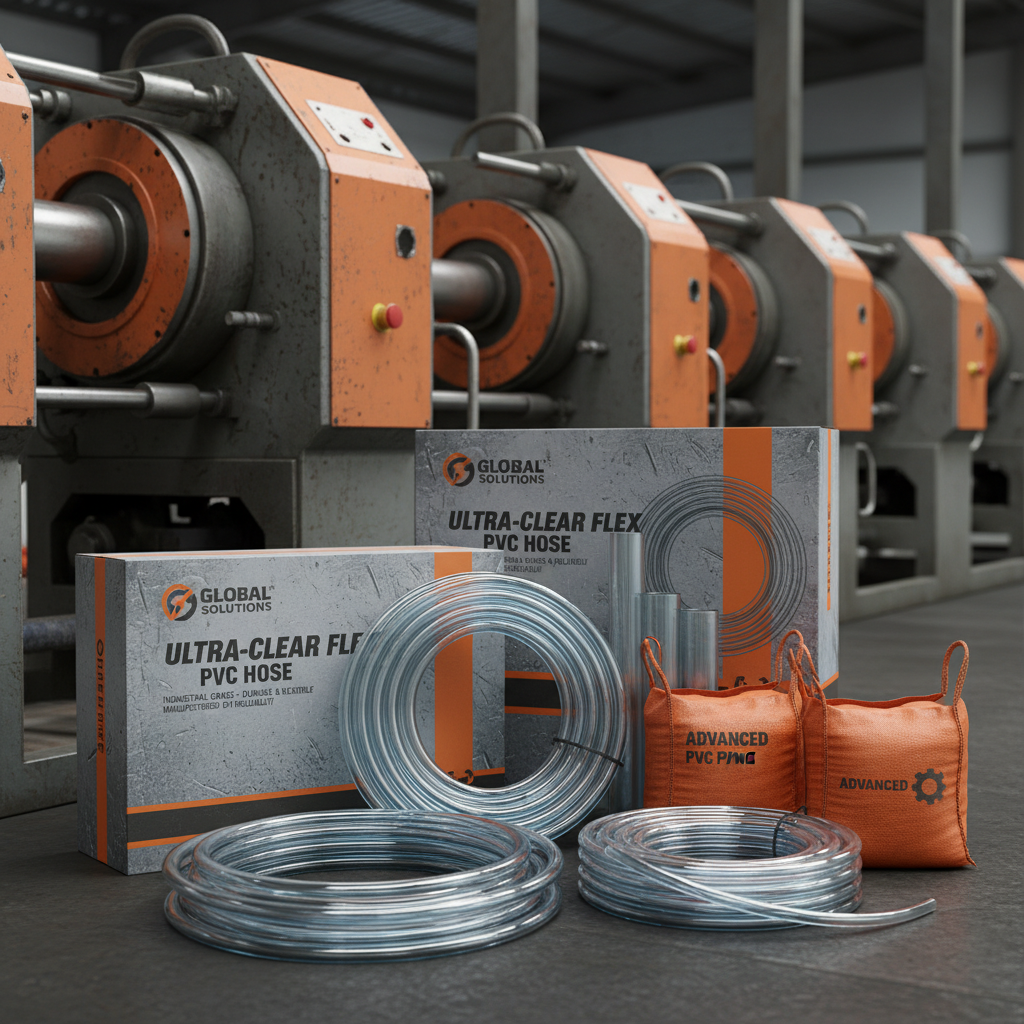
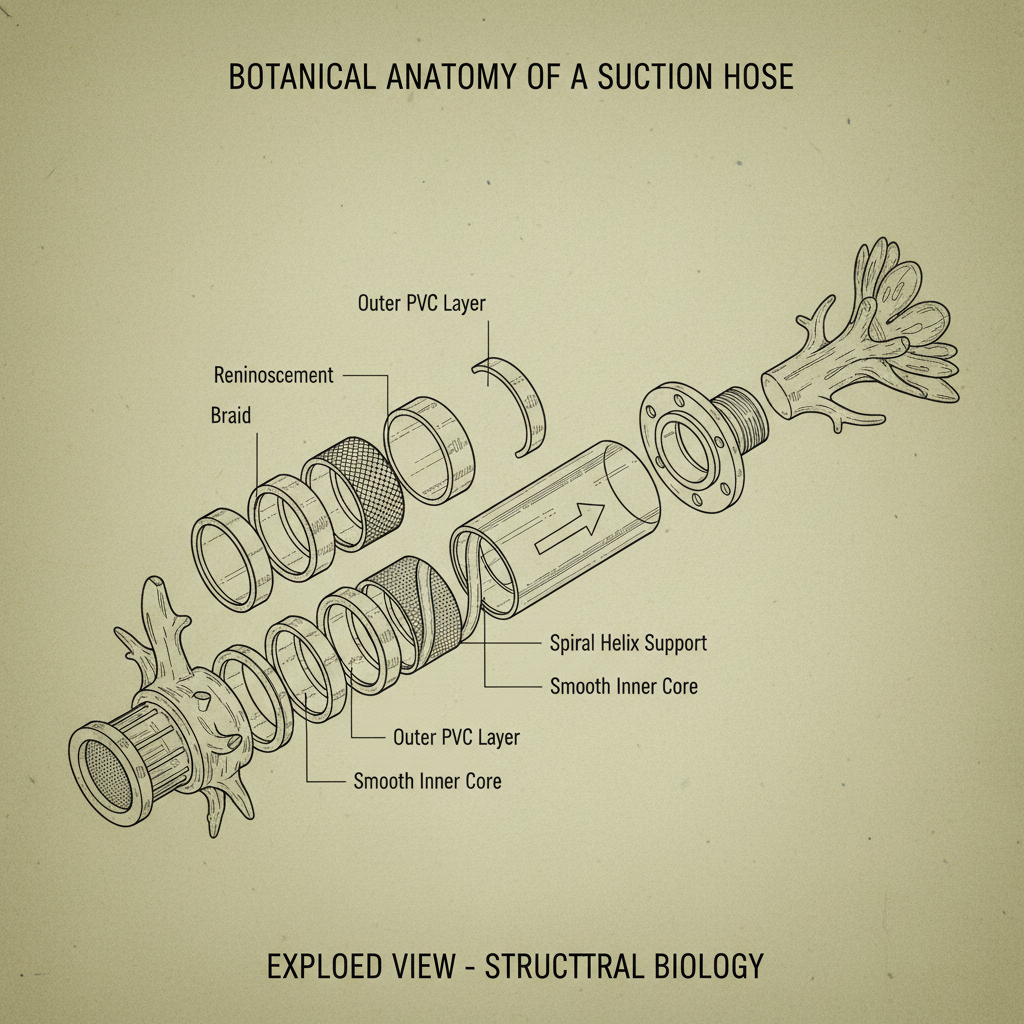
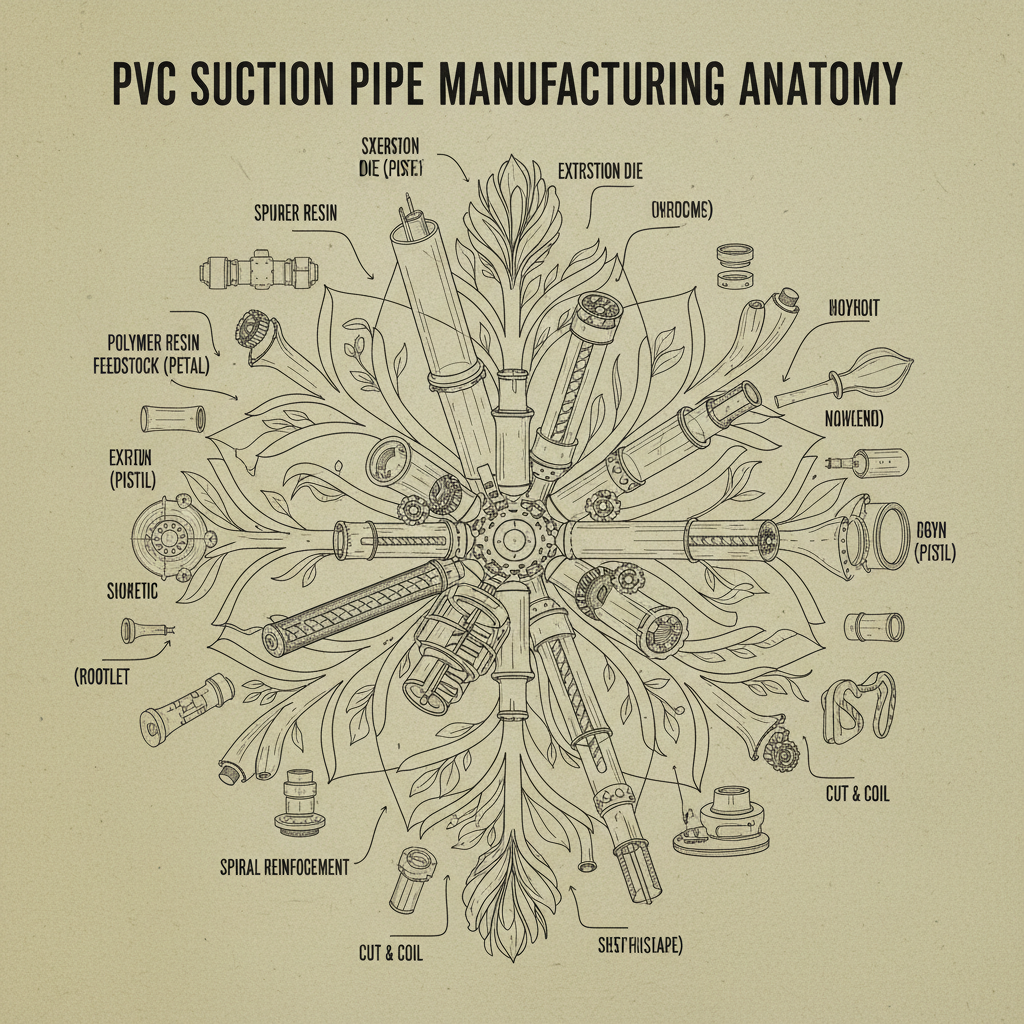
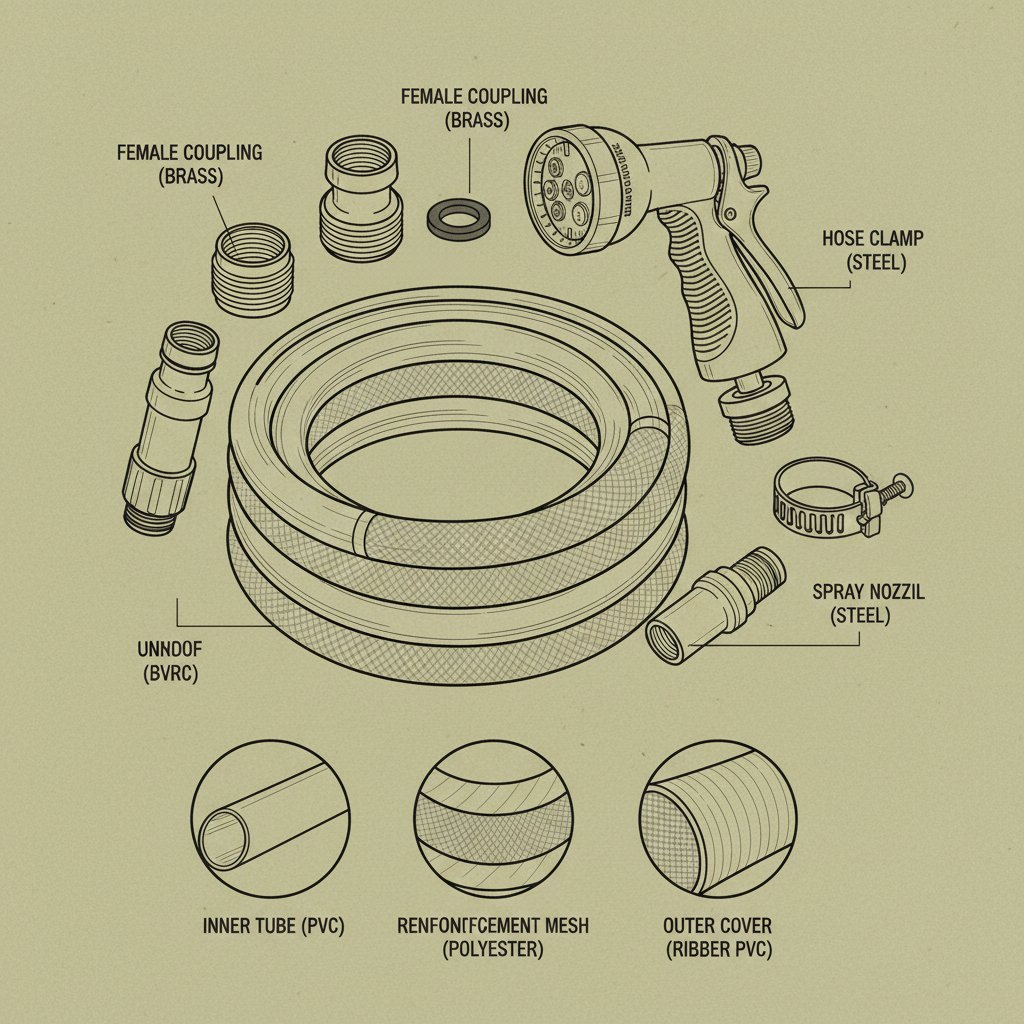
The manufacturing process for black PVC hose involves extrusion, where molten PVC compound is forced through a die to create a continuous tube. This tube is then cooled, cut to length, and often fitted with couplings or connectors to suit specific application needs. The resulting product is valued for its affordability, ease of use, and compatibility with a wide range of fluids and gases.
The lifespan of black PVC hose exposed to direct sunlight varies depending on UV intensity, climate, and hose quality, but generally ranges from 3 to 7 years. The carbon black pigment provides substantial UV protection, significantly extending the hose’s life compared to non-pigmented PVC. Regular inspection and proper storage during off-season periods can further prolong its usability.
While many black PVC hoses are not specifically certified for potable water, some formulations meet NSF/ANSI 61 standards for drinking water system components. It's crucial to verify the manufacturer's specifications and ensure the hose is labeled as safe for potable water use before using it for such applications. The presence of certain additives can render a hose unsuitable for drinking water.
The typical operating temperature range for black PVC hose is between -20°F (-29°C) and 140°F (60°C). Exceeding these temperatures can cause the hose to become brittle or lose its flexibility. It’s vital to select a hose rated for the specific temperature requirements of the application to ensure optimal performance and safety.
To maximize the lifespan of black PVC hose, store it in a cool, dry, and dark place away from direct sunlight and extreme temperatures. Avoid kinking or bending the hose tightly, and ensure it is completely drained of any fluids before storage. Coiling the hose loosely is preferred over tight wrapping to prevent cracking.
Black PVC hose is extensively used in landscaping for irrigation systems, sprinkler lines, and drainage solutions. Its flexibility and durability make it ideal for navigating gardens, lawns, and flowerbeds. It's also often used for connecting outdoor faucets to hoses and for creating temporary water lines for various landscaping projects.
Small leaks in black PVC hose can often be repaired using specialized PVC repair kits, which typically include patching materials and adhesive. However, for larger or more significant damage, replacing the hose is generally recommended to ensure continued safety and reliability. Attempting to repair severely damaged hose can compromise its structural integrity.
Black PVC hose remains a cornerstone material across diverse industries, offering a compelling combination of affordability, durability, and versatility. From agricultural irrigation and construction projects to emergency response and everyday household tasks, its adaptability continues to make it an essential component of modern infrastructure and fluid management systems. Understanding its properties and applications is key to utilizing it effectively and maximizing its long-term value.
Looking ahead, continued innovation in PVC formulations and manufacturing processes promises even more sustainable and efficient solutions. By embracing advancements in bio-based materials and smart technologies, we can further enhance the environmental performance and operational capabilities of black PVC hose, ensuring it remains a vital resource for years to come. Visit our website today to explore our comprehensive range of black pvc hose solutions.

 Afrikaans
 Albanian
 Arabic
 Azerbaijani
 Belarusian
 Bengali
 Bulgarian
 Czech
Czech
 Danish
 Dutch
Dutch
 Finnish
 French
 German
 Greek
Greek
 Hebrew
 Hindi
Hindi
 Hungarian
 Indonesian
 Irish
Irish
 Italian
 Japanese
 Kazakh
 Korean
 Kyrgyz
 Lao
Lao
 Latin
Latin
 Lithuanian
 Luxembourgish
 Malay
Malay
 Mongolian
 Myanmar
 Nepali
 Norwegian
 Persian
 Polish
 Portuguese
 Russian
 Serbian
 Slovak
 Spanish
 Swedish
 Tagalog
 Thai
Thai
 Turkish
 Ukrainian
 Uighur
 Uzbek
Uzbek
 Vietnamese
 Welsh
Welsh
 English