
pvc reinforced tubing has become a cornerstone of modern infrastructure and industrial applications worldwide. Its unique combination of flexibility, durability, and cost-effectiveness addresses critical needs across diverse sectors, from agriculture and construction to healthcare and disaster relief. Understanding the nuances of this material – its construction, properties, and evolving applications – is paramount for engineers, project managers, and anyone involved in designing and implementing robust, reliable systems.
Globally, the demand for efficient and resilient fluid transfer solutions is surging, fueled by rapid urbanization, population growth, and increasing environmental concerns. Traditional materials like metal pipes often face corrosion, high maintenance costs, and logistical challenges. pvc reinforced tubing offers a compelling alternative, reducing downtime, minimizing environmental impact, and delivering long-term value. The ISO standards governing its production and use further solidify its reliability and acceptance across international markets.
The increasing need for dependable infrastructure, especially in remote or challenging environments, underscores the importance of exploring innovative solutions like pvc reinforced tubing. Its adaptability and relatively simple installation process make it a vital component in numerous essential services, providing safe and efficient transfer of fluids and gases across a wide range of industries and applications.
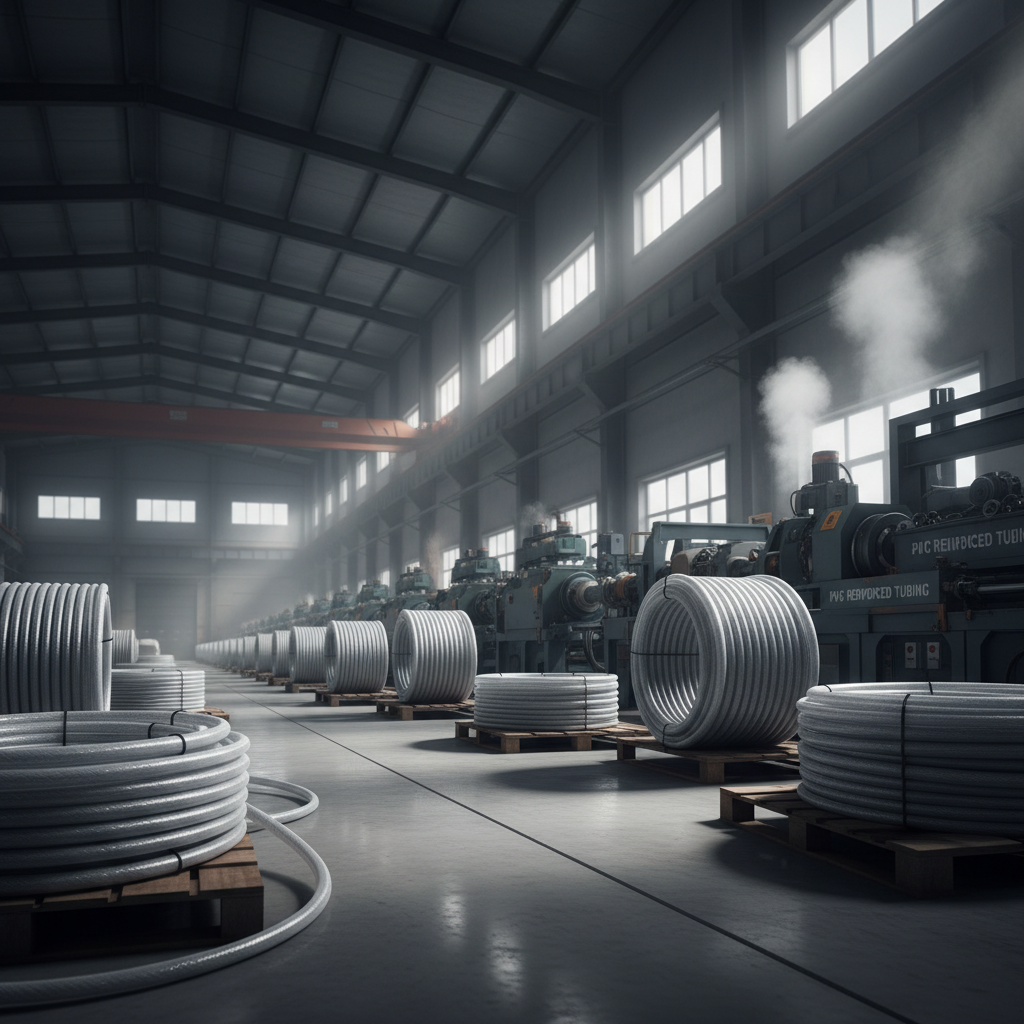
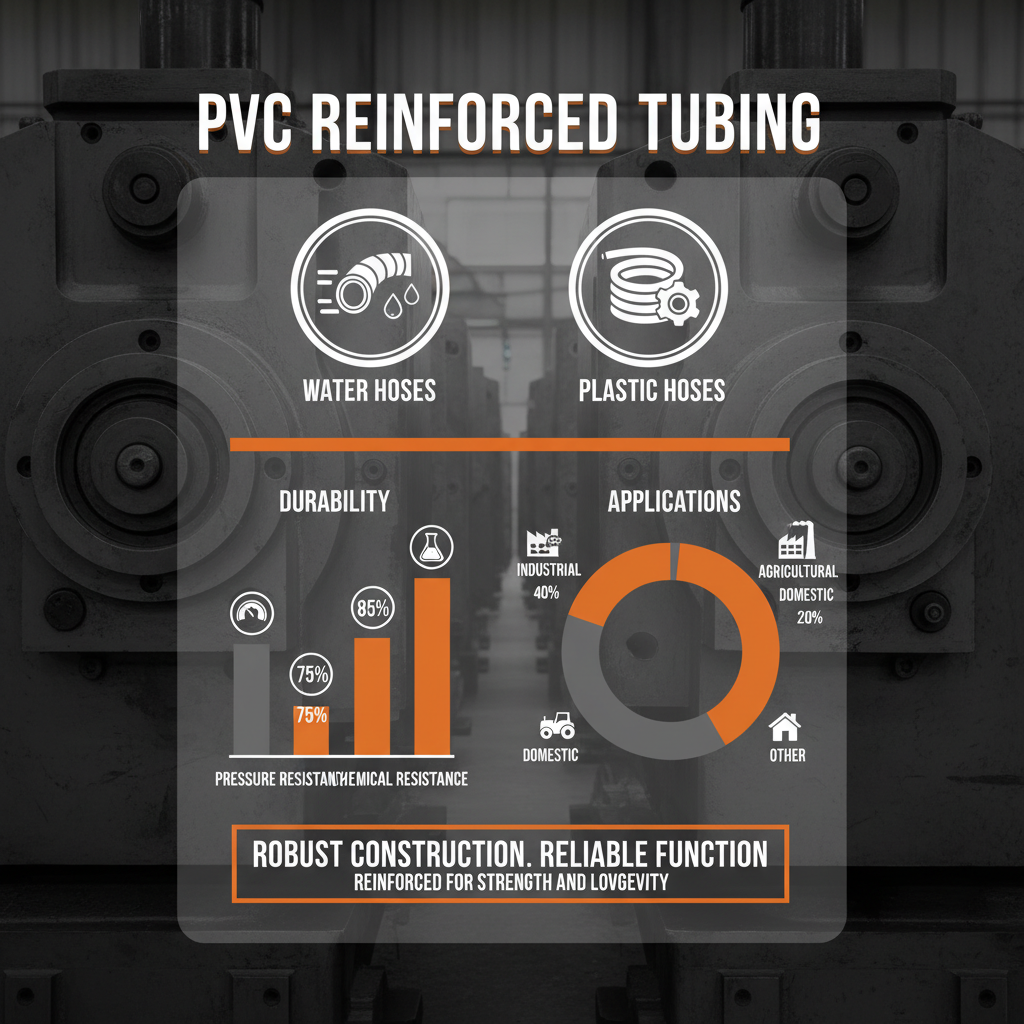
pvc reinforced tubing is a composite material constructed from multiple layers, typically consisting of a flexible PVC inner and outer lining, reinforced with a woven textile layer—often polyester or nylon—embedded within the PVC wall. This construction imparts significant strength and durability while maintaining the flexibility required for various applications.
The incorporation of the reinforcing layer dramatically increases the tubing's resistance to pressure, kinking, and abrasion. This makes it a superior choice over standard PVC tubing in applications involving high flow rates, demanding environments, or repetitive bending. pvc reinforced tubing is engineered to meet specific performance criteria, making it suitable for a wide range of industrial and commercial needs.
The lifespan of pvc reinforced tubing varies depending on the application and environmental conditions, but generally ranges from 10 to 20 years or more. Factors such as UV exposure, temperature fluctuations, and the types of fluids being transported can affect longevity. Proper installation and regular inspections contribute to maximizing its service life. Selecting a higher-quality material also extends the lifespan and reduces the frequency of replacements, providing long-term cost savings.
Yes, specific grades of pvc reinforced tubing are certified for potable water applications. These grades are formulated with materials that meet stringent safety standards, such as NSF/ANSI 61, ensuring that the water remains free from contaminants. It's crucial to verify that the tubing is specifically labeled and certified for this purpose before using it for drinking water.
pvc reinforced tubing is available in a wide range of pressure ratings, typically ranging from 50 PSI to 300 PSI or higher, depending on the construction and reinforcement layer. Selecting the appropriate pressure rating is crucial for ensuring safe and reliable operation. Always consult the manufacturer's specifications and consider the maximum pressure the tubing will be exposed to during use.
PVC, in general, has temperature limitations. Extreme temperatures, both high and low, can affect its flexibility and strength. While reinforced tubing offers some improved temperature resistance, prolonged exposure to very high or very low temperatures can lead to degradation. Always check the manufacturer’s temperature range specifications for the specific tubing being used.
Common joining methods include using barbed fittings with clamps, solvent welding (for specific PVC types), and flanged connections. The best method depends on the application, pressure requirements, and the size of the tubing. It’s vital to follow the manufacturer’s instructions carefully to ensure a secure and leak-proof connection.
PVC recycling is becoming more common, but it’s not universally available. Some municipalities have PVC recycling programs, and specialized recycling facilities can process PVC waste. However, the presence of the reinforcement layer can complicate the recycling process. Efforts are underway to develop more sustainable PVC formulations and improve recycling infrastructure.
pvc reinforced tubing represents a significant advancement in fluid transfer technology, offering a compelling combination of durability, flexibility, cost-effectiveness, and reliability. Its widespread adoption across diverse industries underscores its value as a critical component in modern infrastructure and industrial processes. Understanding its properties, applications, and future trends is essential for anyone involved in designing, implementing, or maintaining fluid handling systems.
Looking ahead, continued innovation in materials, manufacturing techniques, and smart technologies will further enhance the performance and sustainability of pvc reinforced tubing. Embracing these advancements will not only optimize operational efficiency but also contribute to a more resilient and environmentally responsible future. Visit our website at www.kebinghose.com to explore our comprehensive range of pvc reinforced tubing solutions.

 Afrikaans
 Albanian
 Arabic
 Azerbaijani
 Belarusian
 Bengali
 Bulgarian
 Czech
Czech
 Danish
 Dutch
Dutch
 Finnish
 French
 German
 Greek
Greek
 Hebrew
 Hindi
Hindi
 Hungarian
 Indonesian
 Irish
Irish
 Italian
 Japanese
 Kazakh
 Korean
 Kyrgyz
 Lao
Lao
 Latin
Latin
 Lithuanian
 Luxembourgish
 Malay
Malay
 Mongolian
 Myanmar
 Nepali
 Norwegian
 Persian
 Polish
 Portuguese
 Russian
 Serbian
 Slovak
 Spanish
 Swedish
 Tagalog
 Thai
Thai
 Turkish
 Ukrainian
 Uighur
 Uzbek
Uzbek
 Vietnamese
 Welsh
Welsh
 English