The humble garden hose is a staple in landscapes worldwide, but the evolution of materials has brought about significant advancements. Enter the fiber garden hose, a relatively new innovation poised to reshape how we approach outdoor watering. This isn’t merely a change in construction; it represents a shift toward greater durability, flexibility, and a reduced environmental footprint. Understanding the nuances of fiber garden hoses is crucial for both homeowners seeking reliable irrigation solutions and professionals looking for robust tools for landscaping and agricultural applications.
Globally, the demand for efficient and sustainable water management solutions is surging. According to the UN, water scarcity already affects every continent, impacting over 2 billion people. Traditional rubber and vinyl hoses often suffer from cracking, kinking, and leaks, leading to significant water waste and frequent replacements. The World Bank estimates that agriculture accounts for around 70% of global freshwater withdrawals, highlighting the need for more efficient irrigation methods. Fiber garden hoses offer a compelling alternative, addressing these challenges with their superior construction and longevity.
Beyond residential use, the industrial sector is also increasingly seeking durable and reliable hose options. From construction sites to agricultural operations, the ability to withstand harsh conditions and deliver consistent water flow is paramount. ISO standards for hose quality are becoming more stringent, driving innovation in materials and manufacturing processes. The fiber garden hose is emerging as a solution that meets these evolving demands, offering a robust and long-lasting alternative to traditional hoses.
Introduction to Fiber Garden Hoses
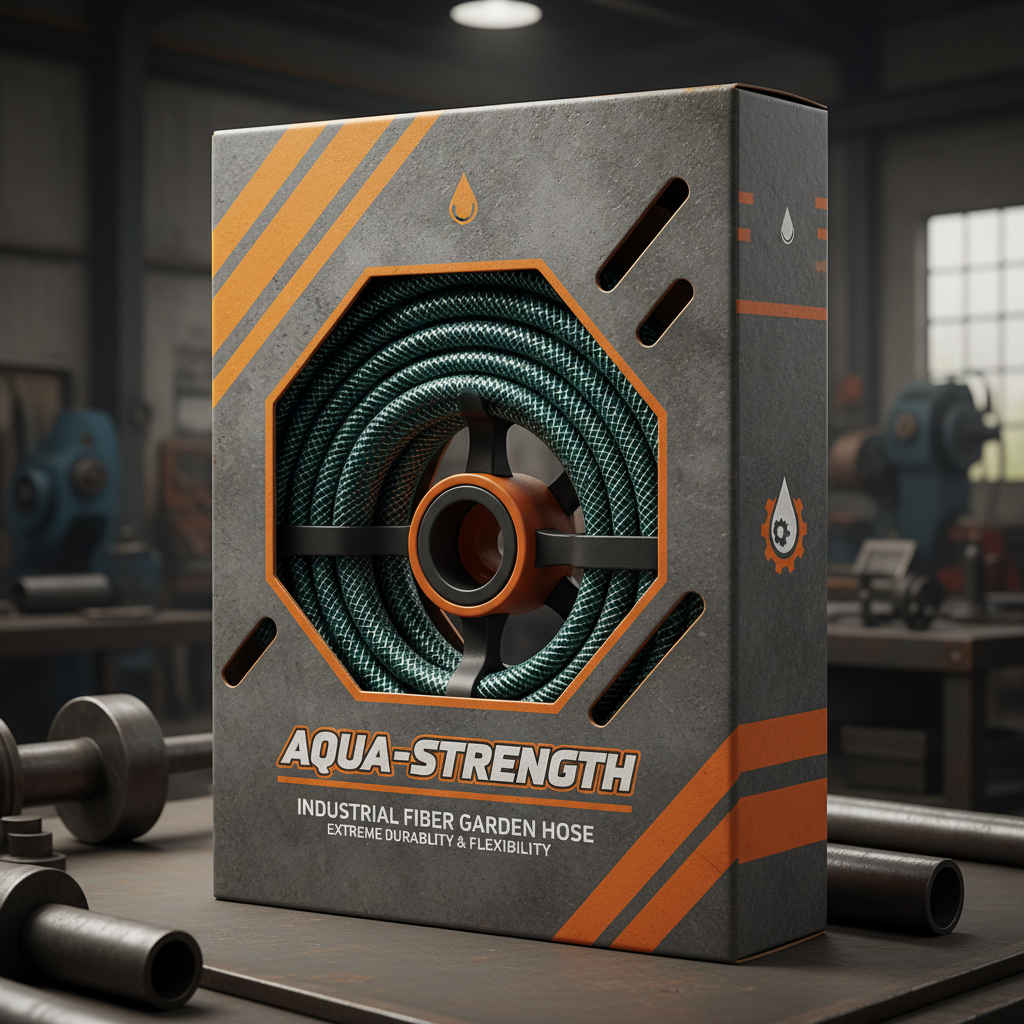
Fiber garden hoses represent a significant advancement in outdoor watering technology, distinguished by their innovative construction and superior performance. Unlike traditional rubber or vinyl hoses, these hoses utilize a tightly woven fiber reinforcement layer encased in a durable outer jacket. This design dramatically increases burst pressure, kink resistance, and overall lifespan, reducing the need for frequent replacements and minimizing water waste.
The growing awareness of environmental sustainability is driving demand for eco-friendly products, and fiber garden hoses align perfectly with this trend. Their extended lifespan contributes to reduced landfill waste, while their resistance to cracking and leaking conserves valuable water resources. Furthermore, the manufacturing processes for these hoses are becoming increasingly sustainable, utilizing recycled materials and minimizing energy consumption. fiber garden hose offers a responsible choice for environmentally conscious consumers.
Defining the Fiber Garden Hose
A fiber garden hose, at its core, is a flexible tube designed to convey water for irrigation, cleaning, and other outdoor applications. However, what sets it apart from conventional hoses is its internal construction. Traditional hoses rely on rubber or PVC for both the inner tube and the outer shell, which are prone to degradation from UV exposure, temperature fluctuations, and physical stress. Fiber garden hoses, in contrast, employ a robust inner liner – often made of TPE or similar material – surrounded by a woven fiber reinforcement layer, typically nylon or polyester.
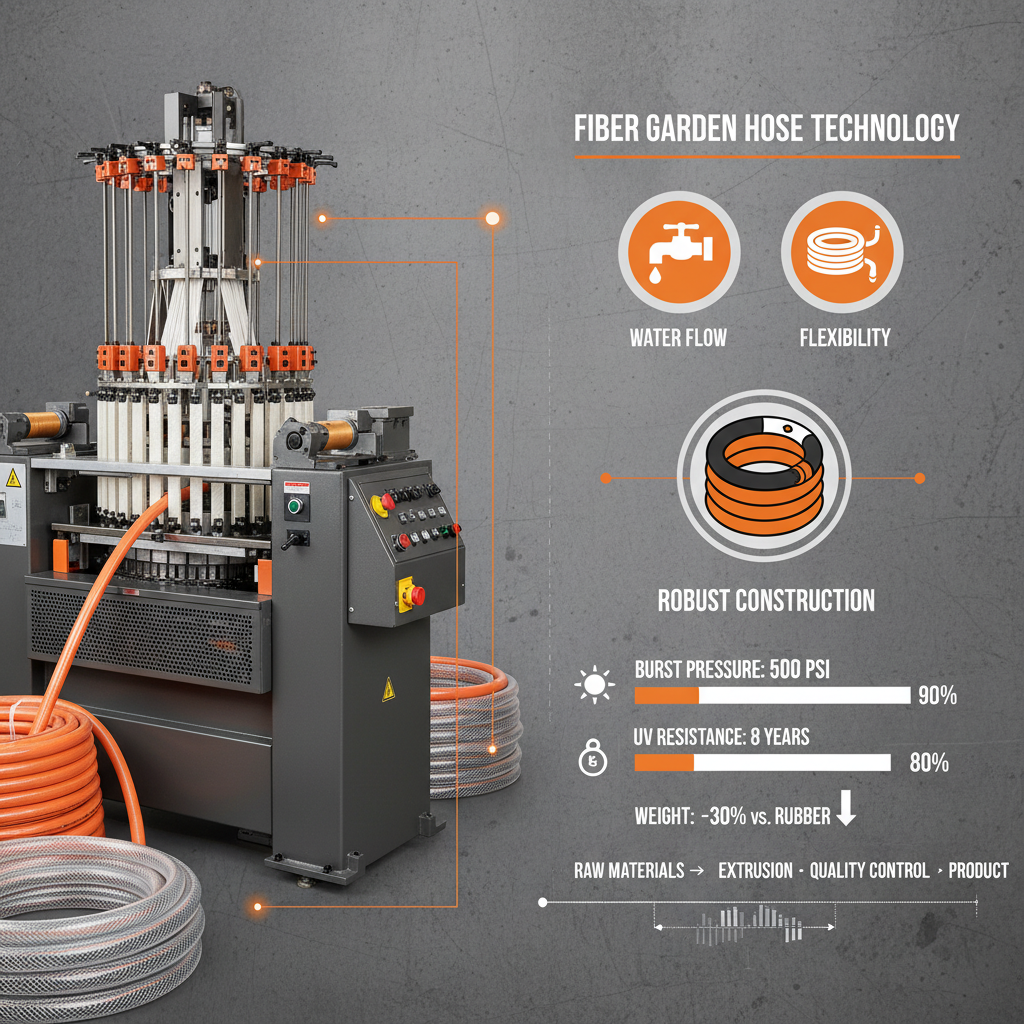
This fiber reinforcement is the key to the hose’s enhanced performance. It provides exceptional tensile strength, preventing the hose from bursting under pressure and resisting kinking and twisting. The outer jacket, usually made of a durable polyurethane or similar polymer, protects the fiber layer from abrasion and UV damage. This layered construction results in a hose that is not only stronger and more durable but also significantly lighter and more flexible than traditional hoses.
The connection between fiber garden hose technology and modern industry lies in the demand for reliable and long-lasting solutions. Just as advanced materials are utilized in automotive tires and industrial conveyor belts, the principles of fiber reinforcement are applied to create a superior garden hose. This reflects a broader trend toward prioritizing durability, sustainability, and reduced maintenance in consumer products.
Key Factors of Fiber Garden Hose Performance
Several key factors contribute to the superior performance of a fiber garden hose. Durability is paramount; the fiber reinforcement significantly increases resistance to punctures, abrasions, and bursting, extending the hose’s lifespan considerably. This means fewer replacements and less waste, translating to long-term cost savings. Another vital factor is Flexibility. The woven fiber layer allows the hose to bend and maneuver easily, even in tight spaces, without kinking or restricting water flow.
Weight is also a significant advantage. Fiber garden hoses are considerably lighter than their rubber counterparts, making them easier to handle and transport around the yard. Kink Resistance is greatly improved due to the fiber construction, preventing frustrating interruptions to watering. Burst Pressure is notably higher, meaning the hose can withstand significantly greater water pressure without failing. Finally, UV Resistance is enhanced due to the protective outer jacket, preventing premature degradation from prolonged sun exposure.
These characteristics directly impact practical applications. For example, a gardener with a large property will appreciate the lightweight and flexible nature of the hose, making it easier to reach all areas of the garden. A construction worker using the hose for dust control will benefit from its durability and resistance to punctures. And a homeowner concerned about water conservation will appreciate its leak-free performance and long lifespan.
Global Applications of Fiber Garden Hoses
The applications for fiber garden hoses are diverse and expanding globally. In residential landscaping, they are becoming increasingly popular among homeowners seeking a reliable and long-lasting watering solution. In agricultural settings, they are used for irrigation in fields, vineyards, and orchards, providing a durable and efficient way to deliver water to crops. In post-disaster relief operations, their lightweight and durable nature make them invaluable for providing clean water to affected communities.
Industrially, fiber garden hoses find application in construction sites for dust control and concrete washing, in mining operations for water transfer, and in manufacturing facilities for various cleaning and cooling processes. In remote industrial zones, where hose replacements can be costly and time-consuming, their durability is particularly valued. Across Europe, there's a growing demand for eco-friendly gardening products, driving adoption of fiber hoses. Similarly, in Australia, where water conservation is a critical concern, their water-saving benefits are highly appreciated.
Organizations involved in humanitarian aid are also recognizing the benefits of fiber garden hoses. Their durability and ease of use make them ideal for providing clean water in challenging environments. From refugee camps to disaster zones, these hoses can help improve sanitation and public health. The versatility of the fiber garden hose truly positions it as a valuable tool in a multitude of global contexts.
Fiber Garden Hose Performance Comparison
Advantages and Long-Term Value
The advantages of investing in a fiber garden hose extend far beyond immediate convenience. The tangible benefits include significant cost savings over the long term, as the hose’s exceptional durability reduces the frequency of replacements. Sustainability is another key advantage, contributing to a reduced environmental footprint through less waste and more efficient water usage. These hoses are often constructed with eco-friendly materials and manufacturing processes, further enhancing their sustainability profile.
However, the value proposition extends beyond the purely practical. There’s a sense of reliability and peace of mind that comes with knowing you have a high-quality product that won’t fail you when you need it most. This builds trust in the product and the brand. The ease of use and flexibility provided by the hose contribute to a more enjoyable gardening experience, enhancing overall quality of life. fiber garden hose is a symbol of innovation, showcasing a commitment to better design and superior performance.
Future Trends in Fiber Garden Hose Technology
The future of fiber garden hose technology is intertwined with broader trends in sustainability and innovation. We can expect to see continued advancements in material science, leading to even more durable and lightweight hose constructions. The integration of smart technology, such as sensors that monitor water flow and pressure, could optimize irrigation systems and further reduce water waste. Exploration of biodegradable fiber materials is also on the horizon, offering a truly sustainable end-of-life solution.
Digital transformation will play a role, with online platforms offering customized hose solutions tailored to specific gardening needs and environmental conditions. Automation in manufacturing processes will enhance efficiency and reduce production costs. Furthermore, evolving policies regarding water conservation and environmental protection will likely incentivize the adoption of more sustainable products like fiber garden hoses.
Challenges and Solutions for Fiber Garden Hoses
Despite their numerous advantages, fiber garden hoses face some challenges. The initial cost can be higher than traditional hoses, potentially deterring some consumers. However, this cost is often offset by the hose’s extended lifespan and reduced replacement frequency. Another challenge is ensuring consistent quality control during manufacturing, as variations in fiber density or outer jacket material can impact performance.
Solutions to these challenges include increasing production scale to lower manufacturing costs and implementing rigorous quality assurance protocols. Developing innovative financing options, such as installment plans or subscription services, can make fiber garden hoses more accessible to a wider range of consumers. Transparent labeling and certifications can help consumers identify high-quality products that meet established performance standards.
Furthermore, ongoing research and development are crucial for addressing potential long-term durability issues and exploring new materials that offer even greater performance and sustainability. By proactively addressing these challenges, the industry can ensure that fiber garden hoses reach their full potential as a superior and sustainable watering solution.
Summary of Key Features and Improvement Areas for Fiber Garden Hoses
| Feature |
Current Status (Rating 1-10) |
Improvement Potential |
Potential Solution |
| Durability |
9 |
Moderate |
Explore more abrasion-resistant outer materials. |
| Kink Resistance |
8 |
High |
Optimize fiber weave pattern for increased flexibility. |
| Burst Pressure |
10 |
Low |
Maintain current strength; focus on other areas. |
| Weight |
7 |
Moderate |
Investigate lighter-weight fiber alternatives. |
| Cost |
6 |
High |
Increase production scale and optimize manufacturing processes. |
| Sustainability |
8 |
High |
Develop biodegradable fiber materials. |
FAQS
Fiber garden hoses offer significant advantages over traditional rubber hoses. They are typically lighter, more flexible, and significantly more durable, resisting kinking, cracking, and bursting. Their longer lifespan reduces the need for frequent replacements, saving you money and reducing landfill waste. Moreover, they often incorporate more sustainable materials and manufacturing processes.
A high-quality fiber garden hose can realistically last 5-10 years with proper care, while a typical vinyl hose often needs replacing every 1-3 years. The superior construction and resistance to degradation in fiber hoses contribute to this extended lifespan. This translates to a lower long-term cost and a more environmentally friendly choice.
Most fiber garden hoses are designed to withstand high water pressure, typically ranging from 50 to 150 PSI or even higher. However, it's crucial to check the manufacturer's specifications for the specific hose you are considering to ensure it's compatible with your water system's pressure. Using a hose with inadequate pressure rating could lead to damage or failure.
Proper storage is key to extending the life of your fiber garden hose. After each use, drain all water from the hose and coil it loosely, avoiding tight bends or kinks. Store it in a shaded, dry location away from direct sunlight and extreme temperatures. A hose reel can be helpful for organized storage.
Many fiber garden hoses are manufactured using materials that are safe for drinking water, but it's crucial to verify this with the manufacturer. Look for hoses labeled as "Lead-Free" or "Drinking Water Safe." Avoid using hoses that have been exposed to harmful chemicals or contaminants.
While minor punctures or abrasions can sometimes be repaired with a hose repair kit, extensive damage to the fiber reinforcement layer may render the hose irreparable. Due to the complexity of their construction, fiber garden hoses are generally not as easily repaired as traditional rubber hoses. It’s often more cost-effective to replace a damaged hose.
Conclusion
In conclusion, the fiber garden hose represents a significant advancement in outdoor watering technology, offering a compelling combination of durability, flexibility, sustainability, and long-term value. From residential gardens to industrial applications, these hoses are proving their worth as a reliable and eco-friendly alternative to traditional materials. The benefits extend beyond mere practicality, encompassing economic savings and a reduced environmental footprint.
Looking ahead, continued innovation in materials and manufacturing processes will further enhance the performance and sustainability of fiber garden hoses. As awareness of environmental issues grows, and as consumers increasingly prioritize quality and longevity, the demand for these superior hoses is poised to increase. Visit our website at www.kebinghose.com to explore our full range of fiber garden hose products and find the perfect solution for your needs.