Look, after running around construction sites all year, dealing with dust and grease, you start to see patterns. Lately, everyone’s obsessed with lightweight stuff. “Lightweight, lightweight!” That’s all anyone talks about. Makes sense, I guess – fewer back problems. But to be honest, chasing lightweight at the expense of everything else… that's a recipe for disaster. You’ve gotta balance it, you know? It’s not just about the weight on the spec sheet. It’s about how it feels in your hands, how it holds up to abuse, and whether it’ll actually last.
Have you noticed how many companies are trying to reinvent the wheel? They’ll take a perfectly good design and add a little “innovation” that just complicates things. I encountered this at a factory in Ningbo last time, they added this extra locking mechanism to a fitting, made it ten times harder to use, and for what? A tiny bit of extra security that no one actually asked for. It’s frustrating.
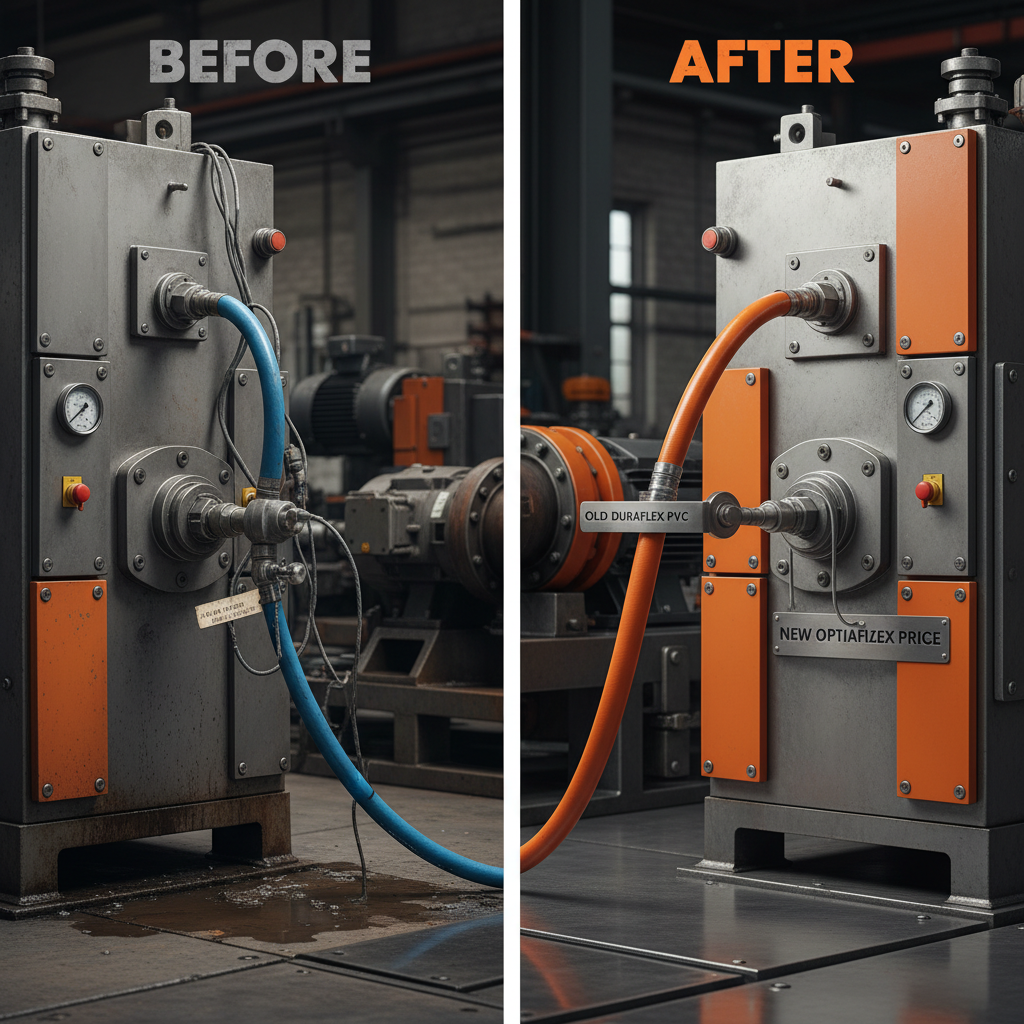
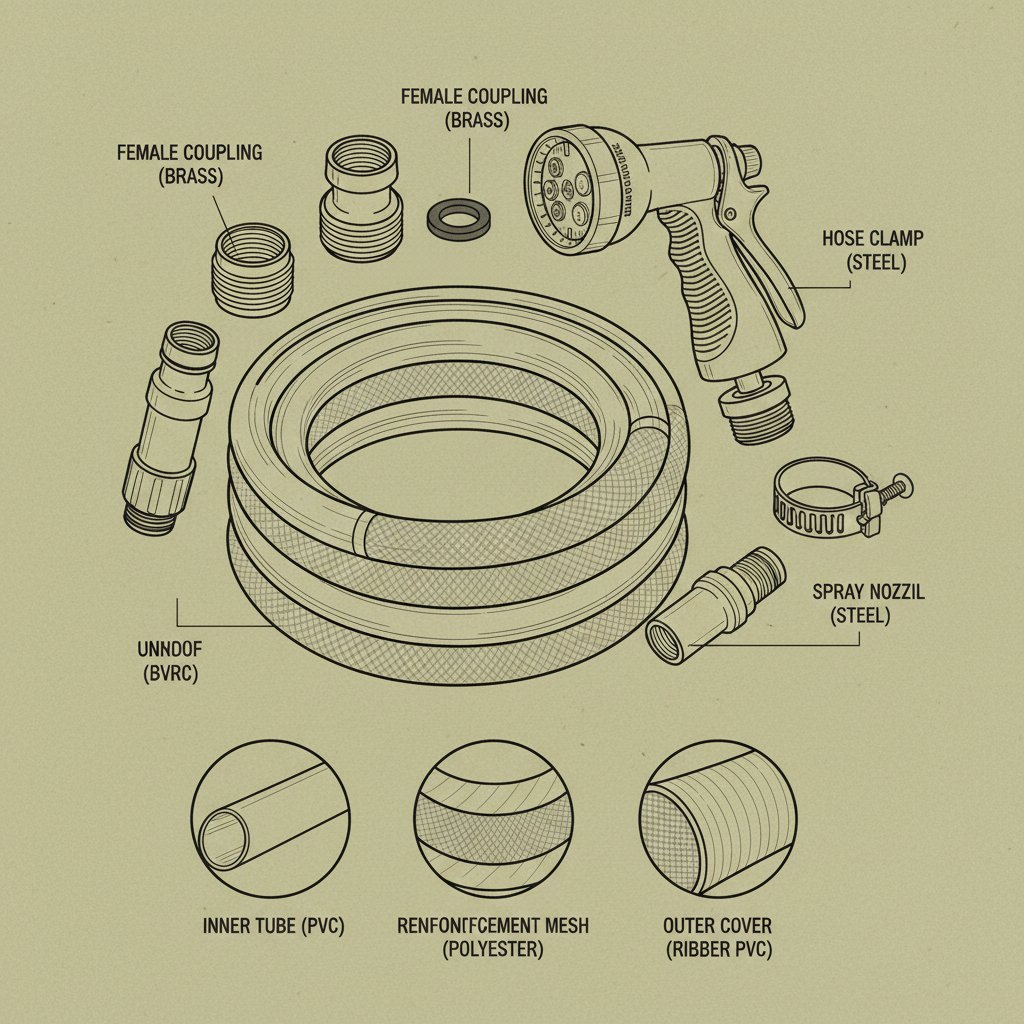
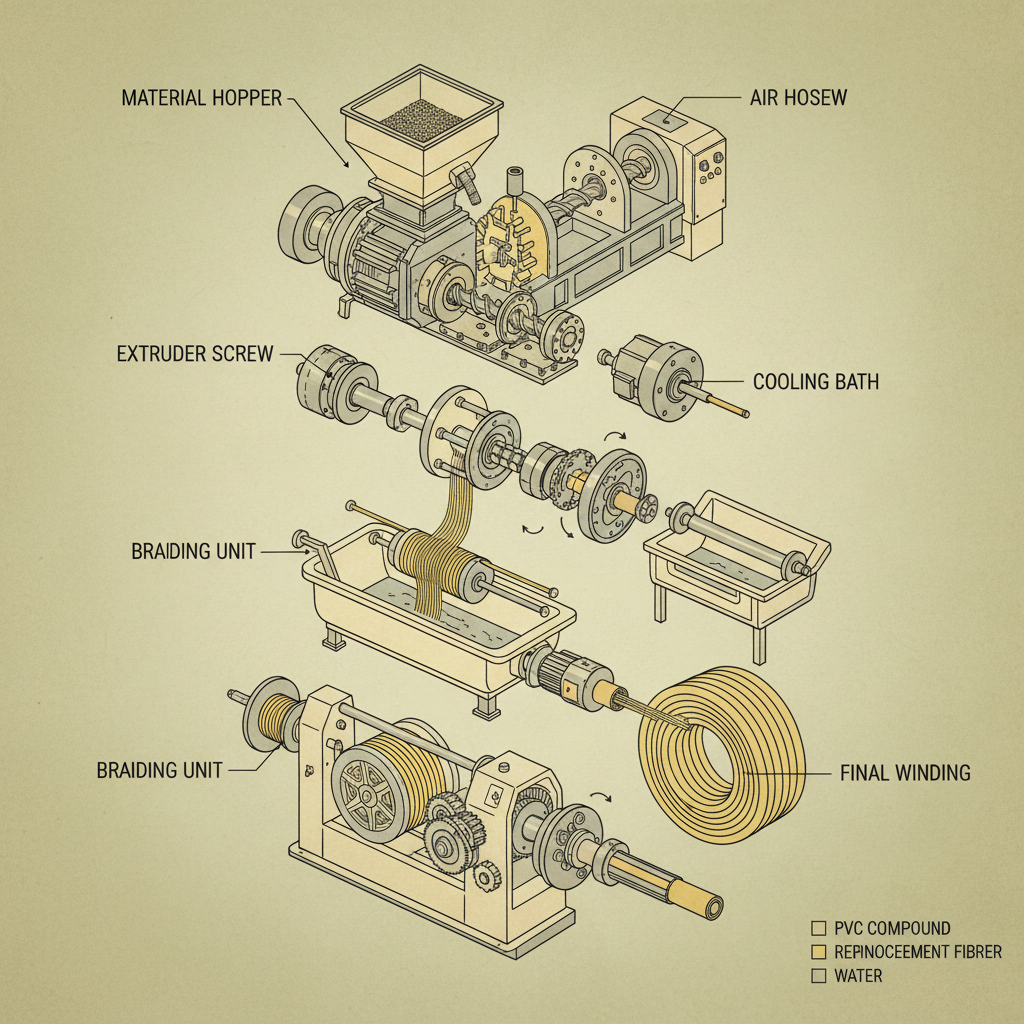
We’re talking about pvc air hose factory here, and most of them are built around PVC, obviously. But not all PVC is created equal. The cheap stuff? It smells… well, like plastic. And it gets brittle in the cold. The good stuff – the stuff we use – has a slight oily feel to it, and it’s much more flexible. You can tell just by bending it. It doesn’t snap, it just… gives. We also use a reinforced nylon braiding in some of our hoses. You can feel it through the PVC; it’s a subtle texture. Makes a huge difference in burst pressure, trust me.

Strangely enough, the biggest trend I’m seeing is the push for “smart” hoses. Hoses with pressure sensors, flow meters, even Bluetooth connectivity. Seriously. I mean, what are people going to do, track their air usage? It feels like over-engineering to me. Anyway, I think the real innovation is in improving the basic materials and construction. Making things more durable, more reliable, and easier to use. That’s where the money is, in my opinion.
The biggest pitfall? Trying to cut corners on the fittings. You can have the best hose in the world, but if the fittings are cheap and flimsy, the whole thing is useless. I've seen so many hoses fail because of a leaky fitting. It's a waste of time and money.
Honestly? They focus too much on price and not enough on quality. A cheap hose might save you a few bucks upfront, but it’ll likely fail sooner and cost you more in the long run. Look for hoses with reinforced construction and high-quality fittings. And don't be afraid to spend a little extra for a hose that's specifically designed for your application.
It depends on how you’re using it and the conditions it’s exposed to. A hose used for light-duty applications might last for years, while a hose used on a construction site might need to be replaced every few months. Look for signs of wear and tear, like cracks, kinks, or leaks. If you see any of those, it’s time to replace it. Better safe than sorry.
Generally, no. Standard PVC will soften and potentially melt at high temperatures. Some specialized PVC formulations are designed for higher temperatures, but you need to check the manufacturer’s specifications before using them with hot air. Using the wrong hose could be dangerous!
Reinforced hoses have a layer of material – usually nylon or polyester braiding – embedded within the PVC. This adds strength and durability, making the hose more resistant to bursting and kinking. It’s like adding rebar to concrete – it makes it much stronger. You can usually feel the reinforcement if you bend the hose.
Avoid exposing the hose to direct sunlight and extreme temperatures. Store it in a cool, dry place, away from chemicals and solvents. Coil the hose loosely to prevent kinks, and don't store it coiled too tightly for extended periods. Proper storage can significantly extend its lifespan.
Not necessarily. There are different types of fittings – quick-connect, threaded, etc. – and they're not always interchangeable. Make sure the fittings are compatible with the hose and the equipment you're connecting it to. Using the wrong fittings can lead to leaks or even a catastrophic failure.
So, what have we learned? pvc air hose factory aren’t glamorous, but they’re essential. Choosing the right hose requires considering a lot of factors – material grade, reinforcement, temperature resistance, and user behavior. Don’t just go for the cheapest option – invest in a hose that’s built to last.
Looking ahead, I think we’ll see more innovation in materials and manufacturing processes. Maybe we’ll even see self-healing PVC someday! But even with all the fancy new technology, the fundamentals will remain the same. And remember, always prioritize safety and reliability. Ultimately, whether this thing works or not, the worker will know the moment he tightens the screw.

 Afrikaans
 Albanian
 Arabic
 Azerbaijani
 Belarusian
 Bengali
 Bulgarian
 Czech
Czech
 Danish
 Dutch
Dutch
 Finnish
 French
 German
 Greek
Greek
 Hebrew
 Hindi
Hindi
 Hungarian
 Indonesian
 Irish
Irish
 Italian
 Japanese
 Kazakh
 Korean
 Kyrgyz
 Lao
Lao
 Latin
Latin
 Lithuanian
 Luxembourgish
 Malay
Malay
 Mongolian
 Myanmar
 Nepali
 Norwegian
 Persian
 Polish
 Portuguese
 Russian
 Serbian
 Slovak
 Spanish
 Swedish
 Tagalog
 Thai
Thai
 Turkish
 Ukrainian
 Uighur
 Uzbek
Uzbek
 Vietnamese
 Welsh
Welsh
 English