Connecting PVC pipe to a garden hose is a surprisingly common need for various applications, from extending reach for irrigation to creating makeshift drainage systems. This process, while seemingly simple, often requires specific adapters and a good understanding of thread types and sealing techniques to prevent leaks and ensure a reliable connection. The ability to effectively connect these two common plumbing components empowers individuals and professionals alike to tackle a wide range of projects efficiently.
The global relevance of connecting PVC pipe to a garden hose spans multiple sectors. In agriculture, it’s vital for efficient irrigation systems, especially in regions facing water scarcity. The UN reports that over 2 billion people live in water-stressed countries, making efficient water management crucial (UN Water, 2023). In disaster relief, quick connections enable the rapid deployment of water supplies. Moreover, in residential settings, this connection facilitates tasks like cleaning, landscaping, and even temporary water features.
Understanding this seemingly basic skill unlocks solutions for diverse problems, offering cost-effective and readily available approaches to water management and utility. The increasing demand for DIY solutions and sustainable practices further amplifies the importance of mastering this connection technique. Proper implementation ensures water conservation, reduces waste, and contributes to resourcefulness in various contexts.
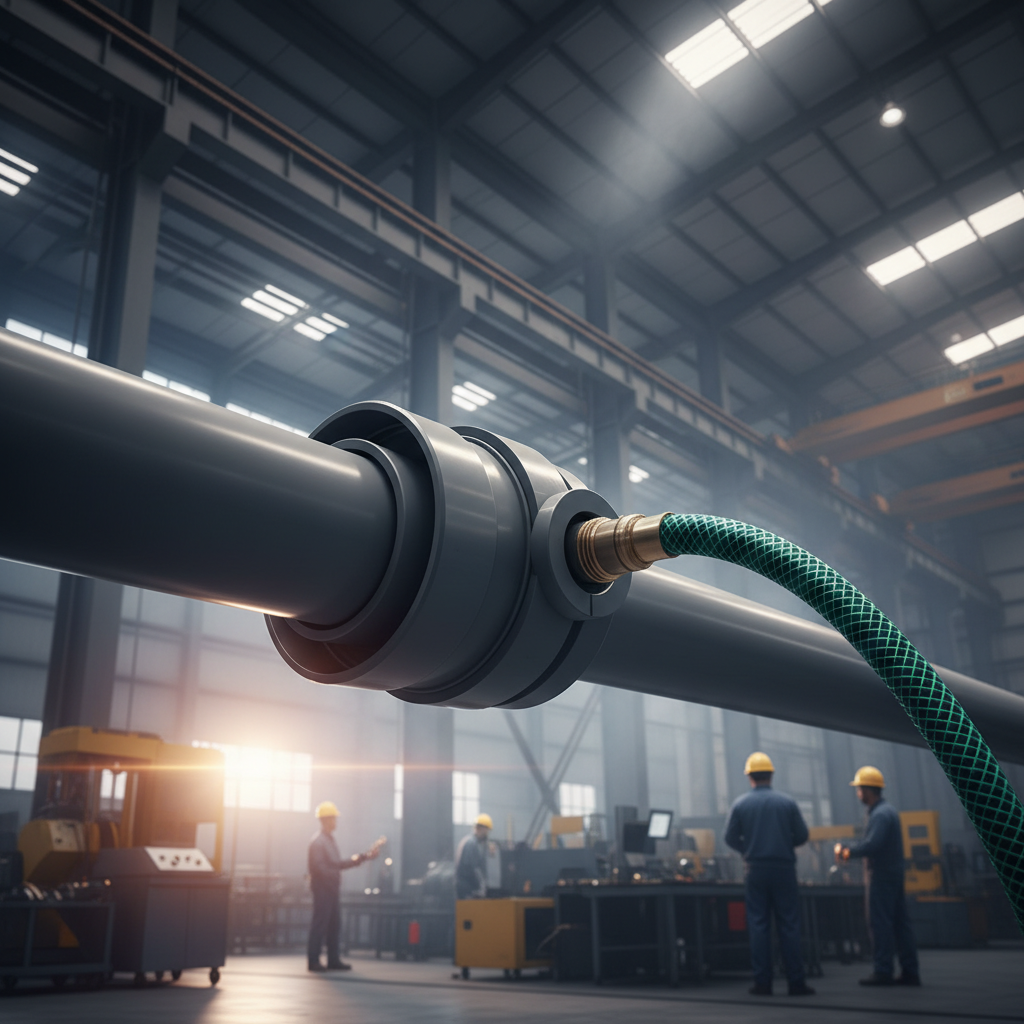
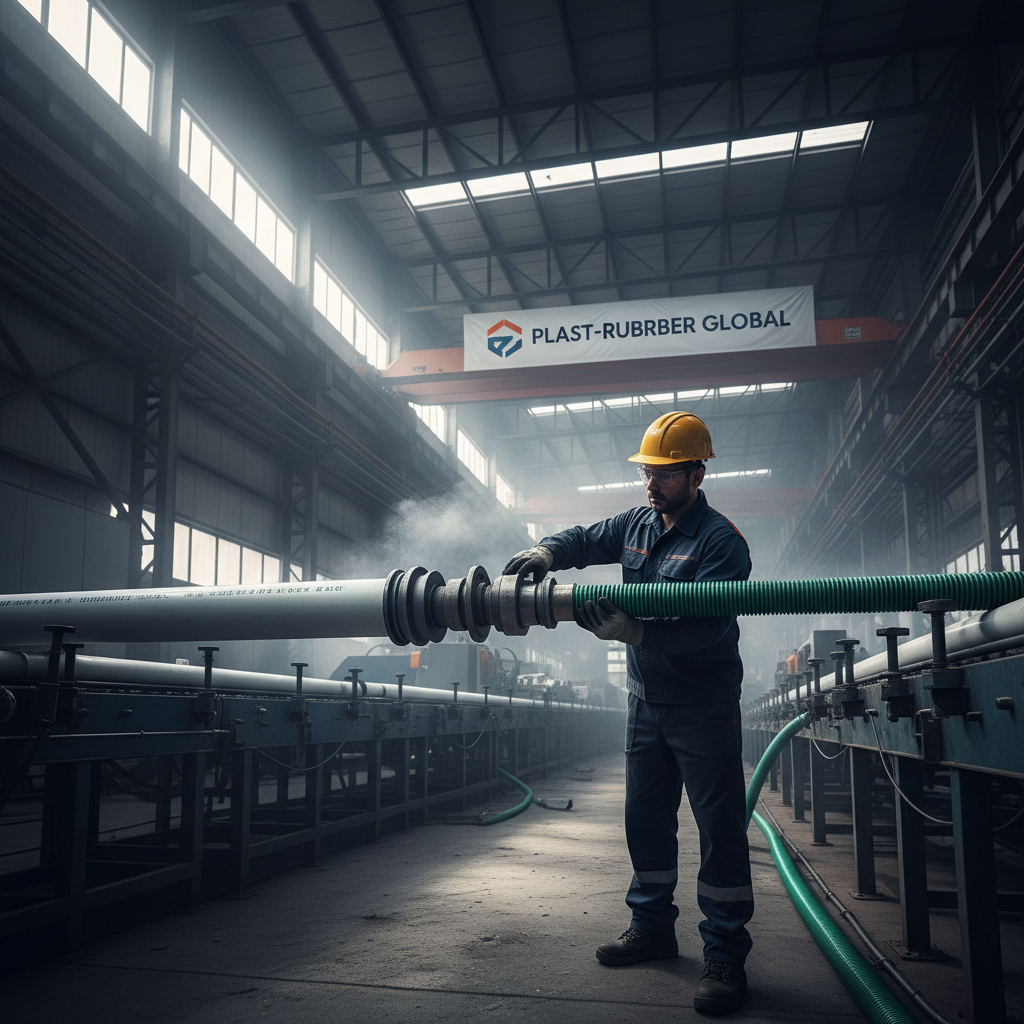
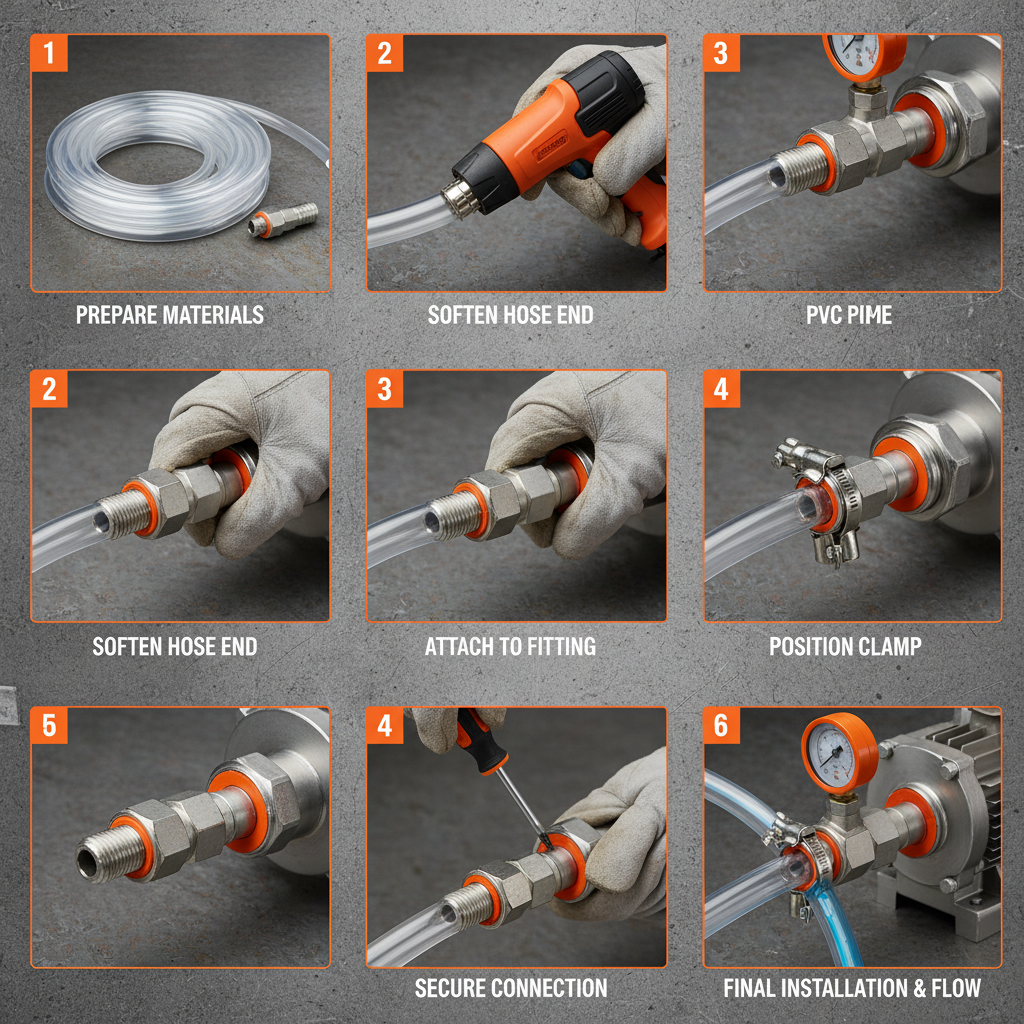
Successfully connecting PVC pipe to a garden hose hinges on understanding the different thread types involved. Garden hoses typically use a GHT (Garden Hose Thread) connection, which is a tapered thread designed for a watertight seal. PVC pipe, on the other hand, often uses NPT (National Pipe Thread), also tapered, but with different dimensions. Bridging this gap requires the appropriate adapter, usually a male GHT to female NPT fitting. connecting pvc pipe to garden hose requires careful attention to detail.
Beyond the adapter, proper sealing is critical. Teflon tape (also known as plumber’s tape) is commonly used to create a watertight seal on threaded connections. Wrapping the tape in the correct direction (clockwise when looking at the end of the threads) is essential. Tightening the connection sufficiently, without over-tightening and risking damage, is also key to preventing leaks.
The applications of connecting PVC pipe to a garden hose are widespread and diverse. In agriculture, it’s fundamental for creating irrigation systems, delivering water to crops efficiently and minimizing water waste. This is particularly crucial in arid and semi-arid regions where water conservation is paramount.
In disaster relief scenarios, this connection is frequently utilized to quickly establish potable water supplies. Organizations like the Red Cross often employ this technique to connect temporary water sources to distribution networks, providing essential hydration to affected populations. In remote industrial zones, connecting PVC pipe to a garden hose facilitates water delivery for cleaning, cooling, and other operational needs.
A securely connected PVC pipe and garden hose offer a multitude of benefits. Cost-effectiveness is a primary advantage; PVC and garden hoses are readily available and relatively inexpensive compared to alternative plumbing materials. Reliability is also key – when done correctly, the connection can withstand significant water pressure and prolonged use, minimizing the need for frequent repairs.
The long-term value extends beyond mere functionality. Effective water management contributes to sustainability, reducing water waste and promoting responsible resource utilization. A well-maintained connection also ensures safety, preventing leaks that could lead to slips, falls, or water damage. It fosters a sense of self-sufficiency, empowering individuals to manage their water needs independently.
The peace of mind knowing that your watering system or temporary water supply is secure and efficient provides intangible benefits as well. This reinforces trust in your setup and promotes a sense of control over your environment.
Several emerging trends are poised to impact how we connect PVC pipe to garden hoses. The development of “smart” adapters equipped with flow sensors and remote control capabilities is gaining traction, allowing for automated irrigation and leak detection. These devices integrate with existing smart home systems, offering enhanced control and monitoring.
Material science is also playing a role. Research into more durable and corrosion-resistant PVC formulations, as well as alternative materials for adapters, promises to extend the lifespan of these connections. Furthermore, advancements in quick-connect fittings are simplifying the process, eliminating the need for tools and Teflon tape in some applications.
Sustainability remains a driving force, with increasing focus on using recycled materials in both PVC pipe and adapter production. These innovations reflect a broader commitment to reducing environmental impact and promoting responsible water management practices.
| Challenge | Impact Level (1-10) | Proposed Solution | Implementation Cost (USD) |
|---|---|---|---|
| Thread incompatibility (GHT vs. NPT) | 10 | Use appropriate GHT to NPT adapter | $5 - $20 |
| Leakage due to insufficient sealing | 8 | Apply Teflon tape correctly and tighten securely | $2 - $5 |
| Adapter material corrosion | 6 | Use brass or stainless steel adapters | $10 - $30 |
| Over-tightening and thread damage | 7 | Use appropriate wrench and avoid excessive force | $0 (training/awareness) |
| Hose slippage from adapter | 5 | Use hose clamps for added security | $3 - $10 |
| Difficulty for users with limited strength | 4 | Employ quick-connect fittings or lever-style adapters | $15 - $40 |
The most frequent error is attempting to connect the pipes directly without using the correct adapter. Garden hoses have GHT threads, while PVC typically uses NPT, which are incompatible. Forcing a connection can damage the threads, causing leaks. Always use a GHT to NPT adapter to ensure a secure and watertight seal.
Generally, 2-3 wraps of Teflon tape are sufficient. Wrap the tape in the direction of the threads (clockwise when looking at the end of the pipe), overlapping slightly with each wrap. This creates a better seal by filling microscopic gaps. Avoid using excessive tape, as it can interfere with the connection.
An adjustable wrench or a pipe wrench is recommended. Ensure the wrench is the appropriate size for the adapter to prevent rounding off the edges. Avoid using excessive force; tighten the connection until it’s snug and leak-free, but avoid over-tightening which can damage the threads.
No, PVC cement is specifically designed for bonding PVC to PVC, and it won't work effectively on the metal or different plastic materials found in garden hose connections. Teflon tape is the appropriate sealant for threaded connections. Using PVC cement could damage the adapter and create a permanent, unrepairable connection.
First, ensure you're using the correct adapter and applying Teflon tape properly. Second, tighten the connection securely, but don’t overtighten. If a leak persists, try tightening slightly more, or carefully disassemble and reapply Teflon tape. If the threads are damaged, replace the adapter.
Yes, quick-connect fittings are available as an alternative. They eliminate the need for Teflon tape and wrench tightening, simplifying the process. However, they can be more expensive than traditional threaded fittings and may not be suitable for high-pressure applications. They are a convenient option for frequent disconnections.
In conclusion, effectively connecting PVC pipe to a garden hose is a fundamental skill with broad applications, from home gardening to emergency water supply. It requires understanding thread types, utilizing the correct adapters and sealants, and employing proper installation techniques. Mastering this connection ensures reliable water management, promotes sustainability, and empowers individuals to tackle a diverse range of projects with confidence.
Looking ahead, innovations in smart adapters and materials will continue to enhance the efficiency and convenience of these connections. By embracing these advancements and prioritizing best practices, we can maximize the long-term value and minimize the environmental impact of connecting PVC pipe to garden hoses, fostering a more resourceful and sustainable approach to water management globally. Visit our website at kebinghose.com for more information and products!

 Afrikaans
 Albanian
 Arabic
 Azerbaijani
 Belarusian
 Bengali
 Bulgarian
 Czech
Czech
 Danish
 Dutch
Dutch
 Finnish
 French
 German
 Greek
Greek
 Hebrew
 Hindi
Hindi
 Hungarian
 Indonesian
 Irish
Irish
 Italian
 Japanese
 Kazakh
 Korean
 Kyrgyz
 Lao
Lao
 Latin
Latin
 Lithuanian
 Luxembourgish
 Malay
Malay
 Mongolian
 Myanmar
 Nepali
 Norwegian
 Persian
 Polish
 Portuguese
 Russian
 Serbian
 Slovak
 Spanish
 Swedish
 Tagalog
 Thai
Thai
 Turkish
 Ukrainian
 Uighur
 Uzbek
Uzbek
 Vietnamese
 Welsh
Welsh
 English