
Lightweight flexible garden hoses are rapidly becoming essential tools for both home gardeners and large-scale agricultural operations. Their portability, ease of use, and resistance to kinks offer significant advantages over traditional rubber hoses, making them a popular choice for a wide range of applications. Understanding the benefits and features of these hoses is crucial for anyone seeking efficient and convenient watering solutions.
The global demand for efficient water management solutions is continuously increasing, driven by factors like climate change, population growth, and the need for sustainable agricultural practices. Lightweight flexible garden hoses directly address these challenges by minimizing water wastage, simplifying irrigation processes, and reducing the physical strain on users. This makes them vital for both developed and developing nations.
Moreover, the advancements in materials science have led to the development of increasingly durable and reliable lightweight flexible garden hoses. These hoses are no longer simply a convenience item; they represent a practical and cost-effective approach to water distribution in various environments, from urban gardens to remote rural landscapes.
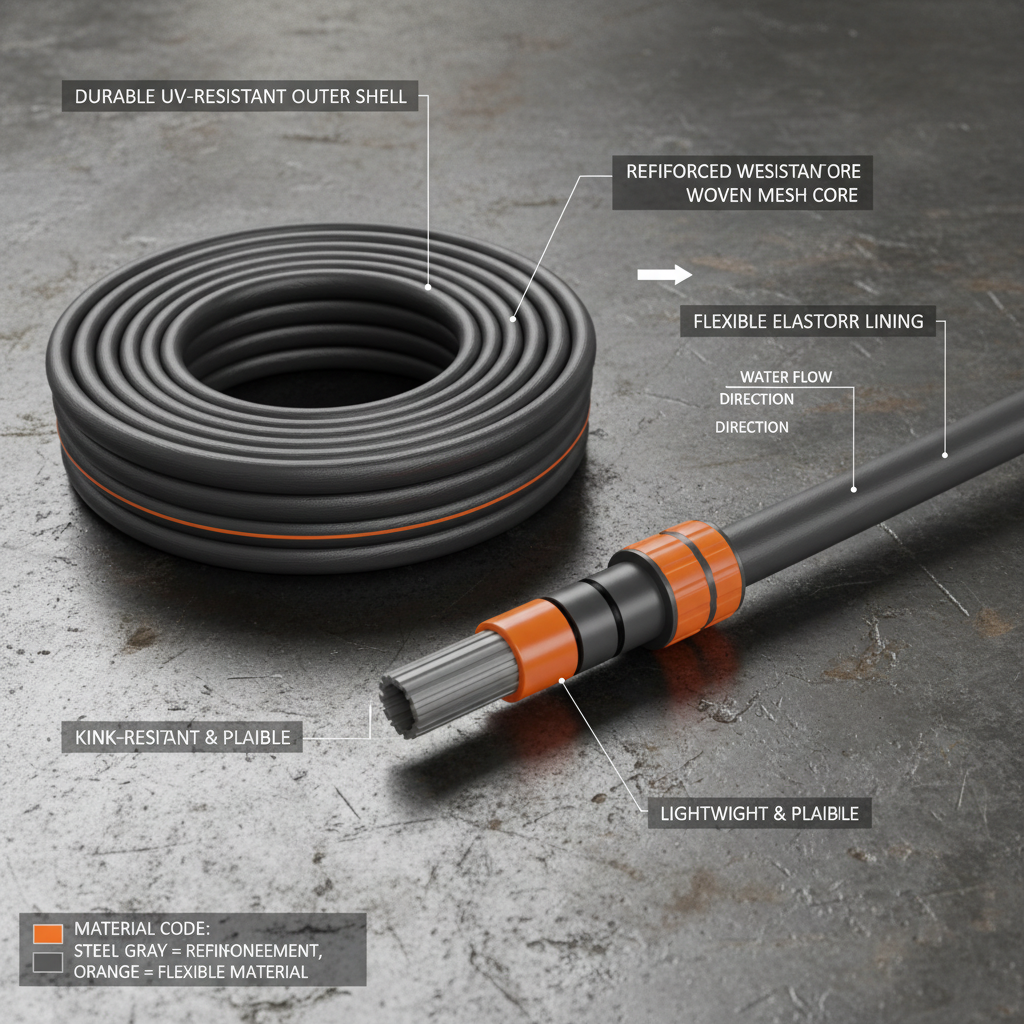
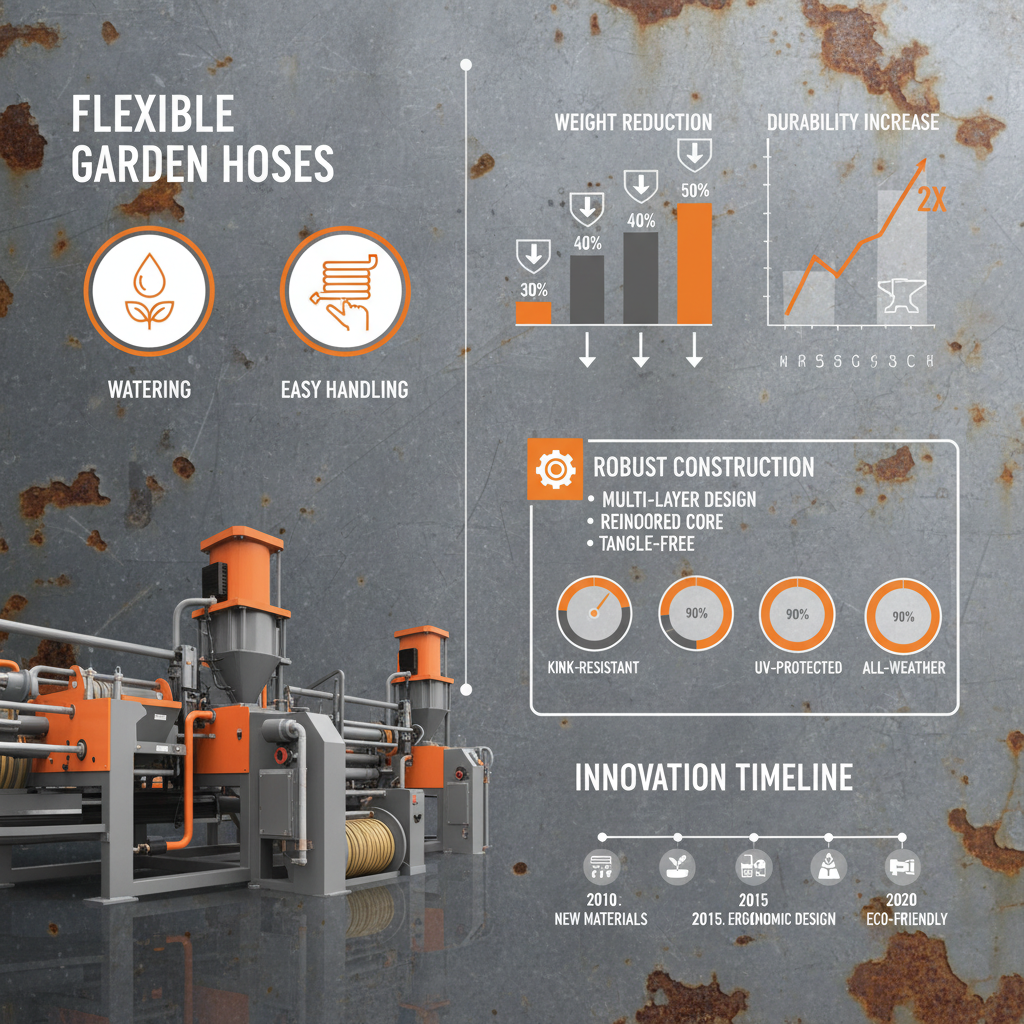
The need for efficient and accessible irrigation solutions is becoming increasingly critical worldwide. Traditional garden hoses, while functional, often present challenges like weight, rigidity, and difficulty in storage. lightweight flexible garden hoses offer a compelling alternative, simplifying watering tasks for both residential and commercial users.
Their ease of handling and storage, coupled with their resistance to kinking, make them particularly valuable in situations where space is limited or where frequent movement of the hose is required. This has led to a surge in demand for lightweight flexible garden hoses across diverse sectors.
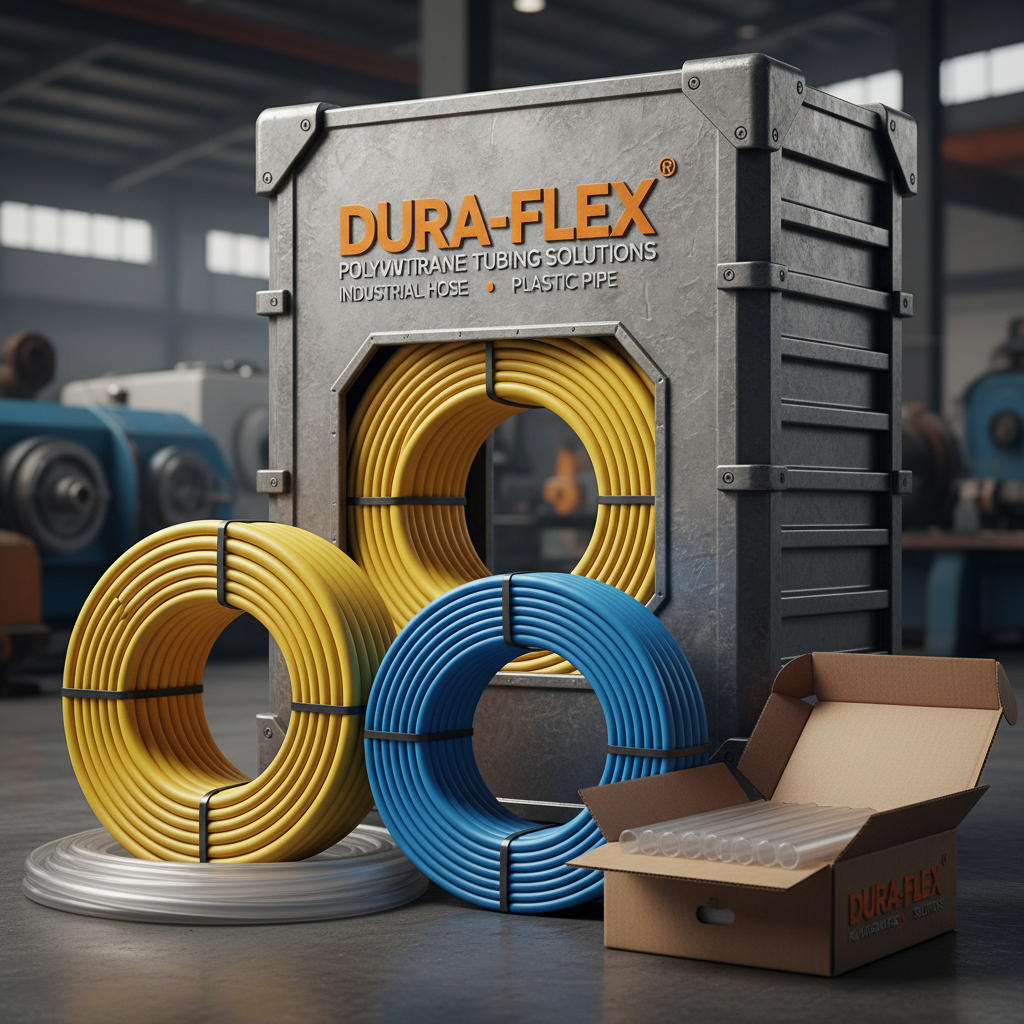
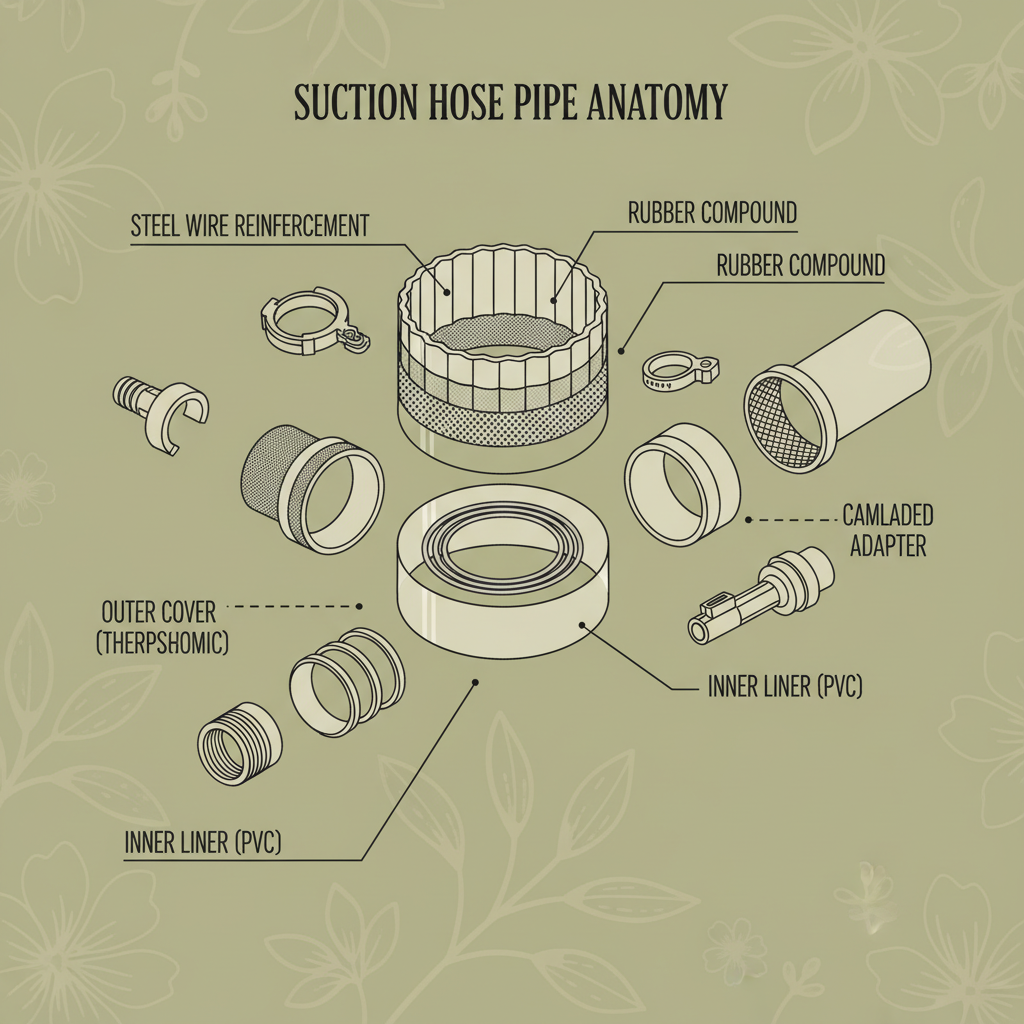
Most lightweight flexible garden hoses are constructed from PVC (polyvinyl chloride) as a base material, combined with a reinforcing layer of materials such as nylon or polyester mesh. This combination provides both flexibility and durability, enabling the hose to withstand water pressure without kinking or becoming overly heavy. Some premium models may also incorporate rubber additives for increased abrasion resistance.
While designed to be kink-resistant, occasional kinks can still occur. Avoid sharp bends when laying out the hose. Using a hose reel or coiling it loosely when not in use will also minimize the chance of kinks forming. Ensure the hose isn't obstructed by objects as water flows through it. Regular inspection and gentle straightening of any developing kinks will prevent permanent damage.
The durability depends on the quality of the hose. Higher-end models with multiple reinforcement layers are designed for frequent, heavy use. Look for hoses with a burst pressure rating that meets your needs. Avoid dragging the hose across abrasive surfaces, and store it properly during freezing temperatures to prevent damage.
Storing your hose properly extends its lifespan. Avoid direct sunlight and extreme temperatures. Coiling it loosely and storing it in a shed, garage, or dedicated hose storage container is ideal. A hose reel is an excellent option for organized storage and easy deployment. Before storing for the winter, ensure the hose is completely drained to prevent freezing and cracking.
Small leaks can often be repaired using a hose repair kit, which typically includes rubber patches and adhesive. Clean the area around the leak thoroughly before applying the patch. For larger tears or significant damage, it's usually more cost-effective and safer to replace the hose. Always follow the instructions provided with the repair kit carefully.
Compared to traditional hoses, lightweight flexible garden hoses can be more environmentally friendly by minimizing water wastage due to their kink resistance. However, the PVC material used in some hoses can be a concern. Look for hoses made with recycled materials or explore biodegradable alternatives when available. Proper disposal and recycling of old hoses are also important.
In conclusion, lightweight flexible garden hoses represent a significant advancement in watering technology, offering a compelling combination of convenience, durability, and cost-effectiveness. Their versatility makes them suitable for a wide range of applications, from residential gardening to large-scale agricultural operations. Understanding their key characteristics and advantages is essential for anyone seeking efficient and sustainable water management solutions.
Looking ahead, continued innovation in materials and smart technology promises even more advanced lightweight flexible garden hoses, further enhancing their performance and environmental responsibility. We encourage you to explore the options available and experience the benefits of this practical and valuable tool. Visit our website at www.kebinghose.com to learn more and find the perfect lightweight flexible garden hose for your needs.

 Afrikaans
 Albanian
 Arabic
 Azerbaijani
 Belarusian
 Bengali
 Bulgarian
 Czech
Czech
 Danish
 Dutch
Dutch
 Finnish
 French
 German
 Greek
Greek
 Hebrew
 Hindi
Hindi
 Hungarian
 Indonesian
 Irish
Irish
 Italian
 Japanese
 Kazakh
 Korean
 Kyrgyz
 Lao
Lao
 Latin
Latin
 Lithuanian
 Luxembourgish
 Malay
Malay
 Mongolian
 Myanmar
 Nepali
 Norwegian
 Persian
 Polish
 Portuguese
 Russian
 Serbian
 Slovak
 Spanish
 Swedish
 Tagalog
 Thai
Thai
 Turkish
 Ukrainian
 Uighur
 Uzbek
Uzbek
 Vietnamese
 Welsh
Welsh
 English