0%

Table of Contents

Fiber reinforced hose represents a crucial advancement in fluid transfer technology, impacting industries from agriculture and construction to oil and gas. Its inherent strength and durability address long-standing challenges associated with traditional hose materials, offering increased safety, reduced downtime, and enhanced operational efficiency. Understanding the nuances of fiber reinforced hose is paramount for professionals seeking reliable and cost-effective solutions for demanding applications.

Globally, the demand for robust and dependable fluid transfer solutions is steadily increasing, driven by factors such as infrastructure development, resource extraction, and increasingly stringent safety regulations. Traditional hoses often fall short in extreme environments or when handling abrasive materials, leading to frequent replacements and costly disruptions. Fiber reinforced hose directly addresses this need, offering a superior alternative that minimizes maintenance and maximizes performance.

The proliferation of fiber reinforced hose isn't just an industrial trend; it’s a practical necessity. From supplying clean water to disaster-stricken regions to safely transporting volatile chemicals, the versatility and reliability of this technology make it invaluable in a wide range of critical scenarios. Investing in knowledge about fiber reinforced hose is investing in safer, more sustainable, and more efficient operations.
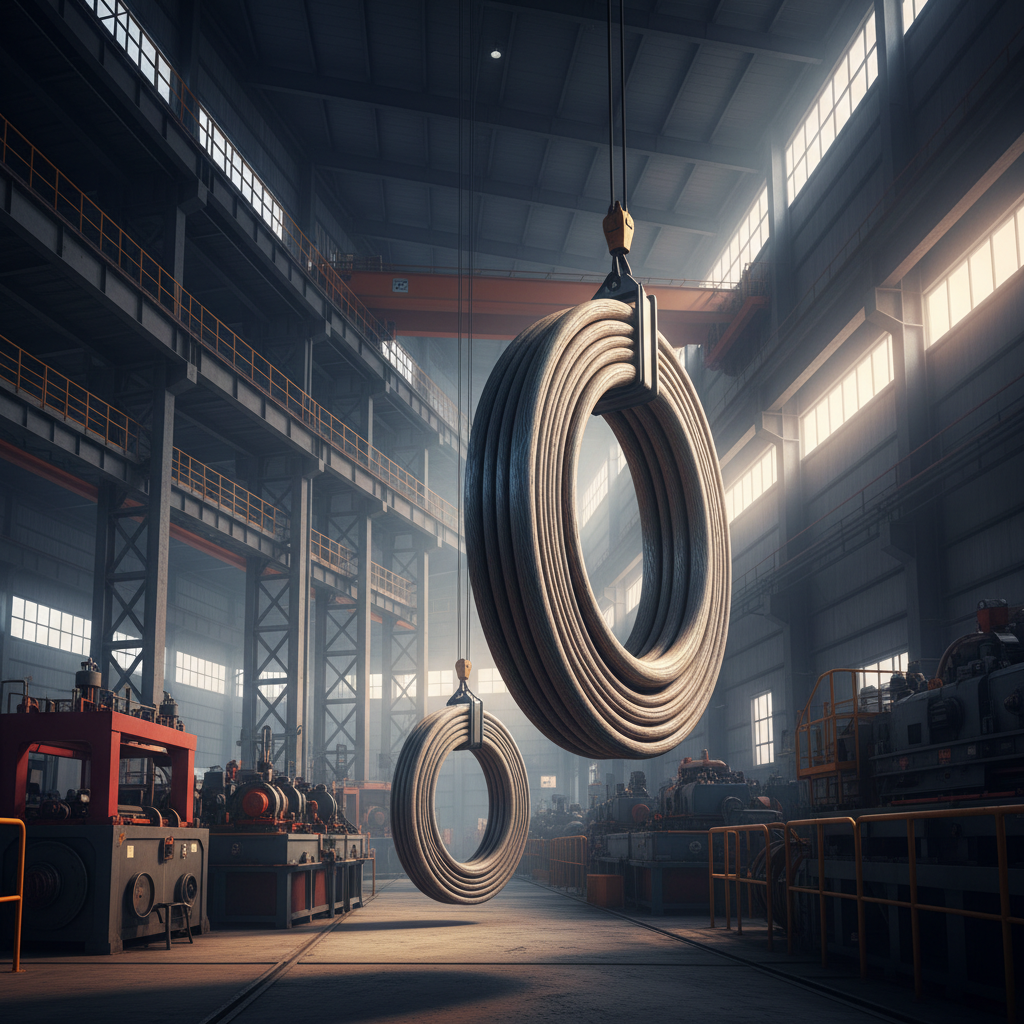
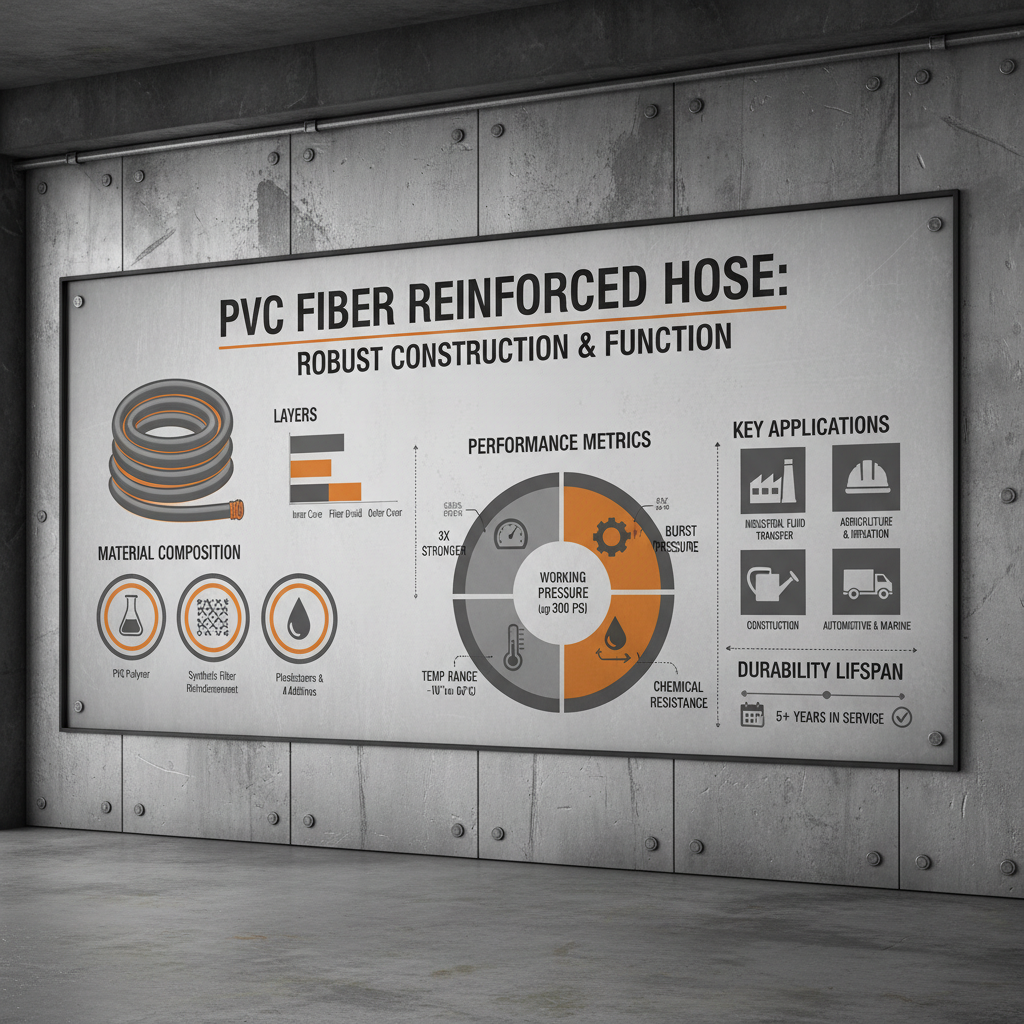
Advanced Fiber Reinforced Hose Solutions for Industrial and Critical Applications

Introduction to Fiber Reinforced Hose

Advanced Fiber Reinforced Hose Solutions for Industrial and Critical Applications

At its core, fiber reinforced hose combines the flexibility of traditional rubber or thermoplastic hoses with the exceptional strength provided by embedded fibers. These fibers, typically made from materials like aramid, polyester, or fiberglass, are strategically woven or spiraled within the hose wall, dramatically increasing its resistance to pressure, abrasion, and kinking. This construction makes fiber reinforced hose a superior option in many demanding applications.

The innovative design of fiber reinforced hose offers distinct advantages over conventional alternatives. It's not merely about adding strength; it’s about optimizing the hose’s overall performance profile. By carefully selecting fiber types and reinforcement patterns, manufacturers can tailor hoses to specific application requirements, providing solutions that are both robust and lightweight, extending operational life and reducing the risk of failure.

The Global Relevance of Fiber Reinforced Hose

The global demand for efficient and reliable fluid handling solutions is substantial, and fiber reinforced hose plays an increasingly important role in meeting this need. According to a report by the UN, access to clean water is a fundamental human right, and safe water transportation infrastructure is vital to achieving this goal. Fiber reinforced hoses are used extensively in water distribution networks, especially in areas where traditional piping systems are impractical or cost-prohibitive.

Moreover, the World Bank estimates that infrastructure investment in developing countries will require trillions of dollars in the coming decades. A significant portion of this investment will be allocated to projects involving fluid transfer, where durable and long-lasting solutions like fiber reinforced hose are crucial. The ISO standards for hose construction continually evolve, driving innovation and ensuring the highest levels of safety and performance within the industry.

A key challenge facing industries worldwide is the need to minimize environmental impact. Leaks and failures in traditional hoses can lead to spills and contamination, posing risks to ecosystems and human health. Fiber reinforced hose, with its superior resistance to degradation and puncture, significantly reduces the likelihood of such incidents, aligning with growing sustainability initiatives.

Defining Fiber Reinforced Hose

Simply put, fiber reinforced hose is a hose constructed with layers of reinforcing fibers embedded within its wall. These fibers provide significantly increased tensile strength, pressure resistance, and overall durability compared to hoses made solely from rubber or thermoplastic materials. The specific arrangement and type of fiber used are carefully engineered to meet the demands of the intended application.

This technology connects directly to modern industrial practices and humanitarian needs. In industrial settings, it facilitates the safe and efficient transport of a wide range of fluids, from corrosive chemicals to high-pressure hydraulic oil. In humanitarian contexts, fiber reinforced hose can provide a lifeline for delivering clean water to disaster areas or supporting agricultural irrigation projects in arid regions.

Unlike traditional hoses that may rely on bulky and rigid reinforcements, fiber reinforcement allows for a more flexible and lightweight design without compromising structural integrity. This translates to easier handling, reduced installation costs, and improved portability, making it a versatile solution across diverse applications.

Key Factors of Fiber Reinforced Hose Performance

One of the most significant benefits of fiber reinforced hose is its exceptional Durability. The embedded fibers dramatically increase resistance to abrasion, puncture, and kinking, extending the hose’s lifespan and reducing the need for frequent replacements. This is particularly crucial in demanding environments where hoses are exposed to harsh conditions.

Pressure Resistance is another key advantage. Fiber reinforcement allows hoses to withstand significantly higher pressures than traditional alternatives, making them suitable for applications involving high-flow rates or viscous fluids. This capability is essential in industries like oil and gas, where hoses are used in critical transfer operations.

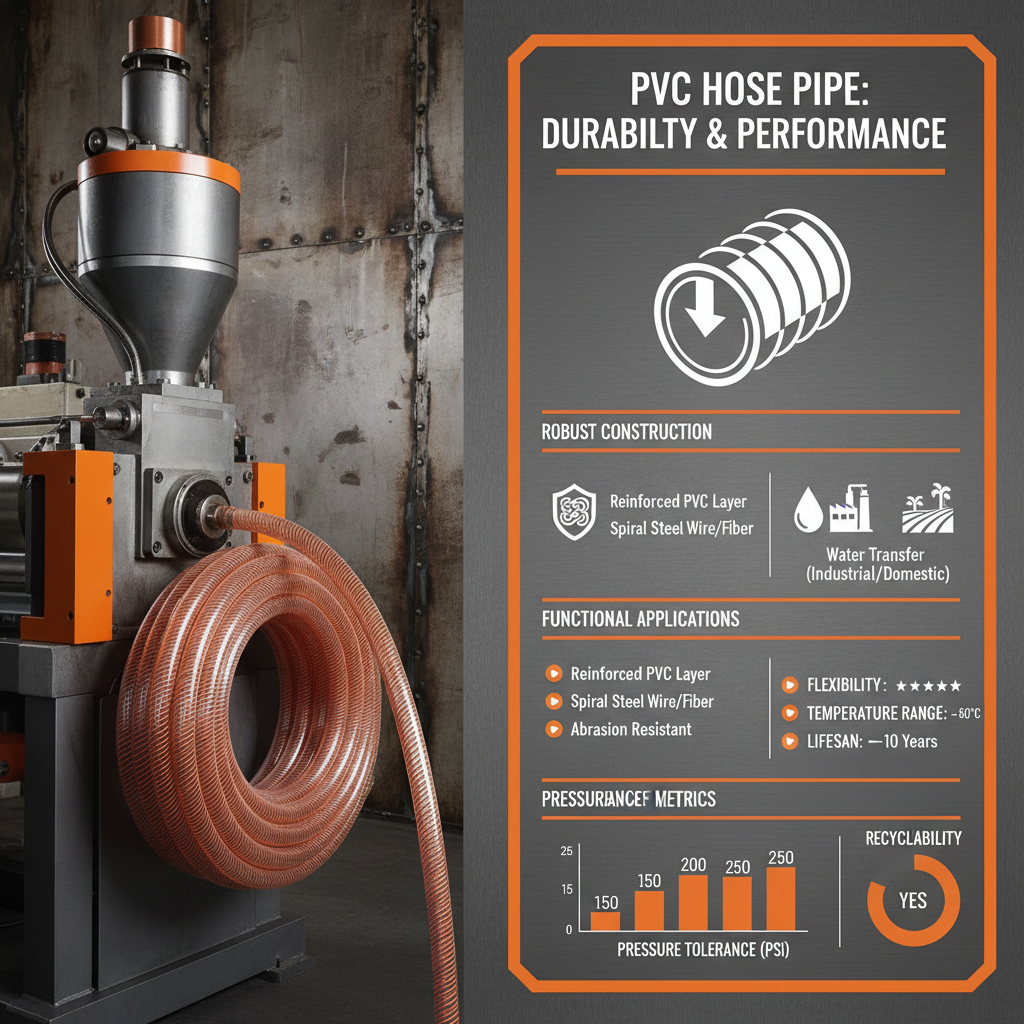
Fiber Reinforced Hose Performance Metrics


Applications Across Industries

The versatility of fiber reinforced hose makes it invaluable across numerous sectors. In agriculture, it’s used for irrigation, pesticide spraying, and transferring fertilizers, ensuring efficient crop management. The durability of fiber reinforced hose minimizes downtime and reduces water waste.

The construction industry benefits greatly from the robustness of these hoses for concrete pumping, delivering water to job sites, and handling abrasive materials. In remote industrial zones, where access to replacement parts is limited, the longevity of fiber reinforced hose provides a significant logistical advantage.

The Long-Term Value Proposition

Investing in fiber reinforced hose translates to significant cost savings over the long term. Reduced maintenance, fewer replacements, and minimized downtime all contribute to a lower total cost of ownership. The increased safety profile also mitigates the risk of costly accidents and environmental damage.

Beyond the economic benefits, fiber reinforced hose offers compelling sustainability advantages. By extending hose lifespan and reducing the need for frequent replacements, it minimizes waste and lowers the environmental footprint. This aligns with growing corporate social responsibility initiatives and supports a more sustainable future.

Future Trends and Innovations in Fiber Reinforced Hose

The future of fiber reinforced hose is intertwined with advancements in materials science and manufacturing techniques. Researchers are exploring the use of new, high-performance fibers, such as carbon nanotubes, to further enhance strength and durability. Smart hose technology, incorporating sensors to monitor pressure, temperature, and leaks, is also on the horizon.

Driven by the demands of green energy initiatives, we’re likely to see increased use of fiber reinforced hoses in applications such as hydrogen transport and biofuel distribution. The adoption of digital transformation and automation in manufacturing processes will enable more precise control over hose construction, leading to improved quality and customized solutions.

The integration of sustainable materials and circular economy principles will become increasingly important. Developing biodegradable or recyclable fiber reinforcements and exploring closed-loop manufacturing processes will contribute to a more environmentally responsible lifecycle for fiber reinforced hose.

FAQS

What are the main benefits of using fiber reinforced hose over traditional rubber hoses?

Fiber reinforced hose offers superior strength, durability, and resistance to pressure, abrasion, and kinking compared to traditional rubber hoses. This translates to a longer lifespan, reduced maintenance costs, and increased safety. They are more reliable in demanding environments and reduce the risk of failure and costly downtime.

What types of fibers are commonly used in fiber reinforced hose construction?

Commonly used fibers include aramid (like Kevlar), polyester, fiberglass, and nylon. Aramid fibers offer exceptional strength and temperature resistance, polyester provides good all-around performance, fiberglass is cost-effective, and nylon contributes to flexibility. The specific fiber selection depends on the application requirements.

How does temperature affect the performance of fiber reinforced hose?

Temperature can impact the performance of both the hose material and the reinforcement fibers. Extreme temperatures can reduce the flexibility of the hose and potentially degrade the fibers over time. It’s crucial to select a hose specifically designed to withstand the anticipated temperature range of the application.

Is fiber reinforced hose suitable for handling corrosive chemicals?

Yes, but it depends on the specific chemical. Fiber reinforced hose can be manufactured with linings that are resistant to a wide range of corrosive substances. It is essential to verify that the hose lining is compatible with the chemical being handled to prevent degradation and ensure safe operation.

What is the typical lifespan of a fiber reinforced hose compared to a standard hose?

A fiber reinforced hose typically has a lifespan 2-3 times longer than a standard hose, depending on the application and environmental conditions. The enhanced durability and resistance to wear and tear translate to reduced replacement frequency and lower overall costs.

Are there any safety considerations when working with fiber reinforced hose?

While fiber reinforced hose is generally safe, it’s important to follow proper handling procedures. Avoid exceeding the maximum pressure rating of the hose, inspect it regularly for signs of damage, and use appropriate safety equipment when handling fluids. Always adhere to manufacturer’s recommendations.

Conclusion

Fiber reinforced hose represents a significant advancement in fluid transfer technology, offering a compelling combination of durability, reliability, and cost-effectiveness. From enhancing operational efficiency in industrial settings to providing critical support in humanitarian aid efforts, the applications of this technology are vast and impactful. Understanding the key factors that contribute to its performance—strength, pressure resistance, and longevity—is vital for professionals seeking optimal solutions for demanding fluid handling challenges.

Looking ahead, ongoing innovations in materials science and manufacturing processes promise to further elevate the capabilities of fiber reinforced hose. Embracing these advancements and prioritizing sustainable practices will unlock even greater benefits, paving the way for safer, more efficient, and environmentally responsible operations across a wide range of industries. For high-quality fiber reinforced hose solutions, visit our website today.

James Thompson

James Thompson

James Thompson is Kebing’s Foreign Trade Specialist, with 12+ years experience in international sales and logistics. He manages key accounts in Europe and South America, ensuring smooth order processing and on-time delivery. James possesses a deep understanding of international trade regulations and customs procedures. He is a strong communicator and
Previous Essential Guide to Durable Flexible Garden Hose Applications and Benefits
Next Comprehensive Guide to Garden Hoses for Sale and Their Applications
INQUIRE
en_USEnglish