0%

Table of Contents

Oxygen and acetylene hoses are critical components in a wide range of industrial, medical, and commercial applications. The global demand for these specialized hoses is driven by the continued growth of welding, cutting, healthcare, and laboratory sectors. Ensuring the safe and reliable delivery of these gases is paramount, making the quality of oxygen and acetylene hoses for sale a significant concern for professionals worldwide. Investing in high-quality hoses reduces risk and maximizes efficiency.

The market for oxygen and acetylene hoses for sale is influenced by factors such as stringent safety regulations, advancements in material science, and increasing demand for specialized hoses tailored to specific applications. From small workshops to large-scale industrial facilities, a consistent supply of dependable hoses is essential for maintaining operational continuity. The ability to source durable and compliant hoses directly impacts productivity and safety standards.

Understanding the different types of hoses, their construction, and proper usage is crucial for safe and effective operation. Whether you're a seasoned professional or new to these applications, selecting the right oxygen and acetylene hoses for sale is a key decision that impacts both safety and performance. This guide will delve into the essential aspects of these hoses, helping you make informed choices.
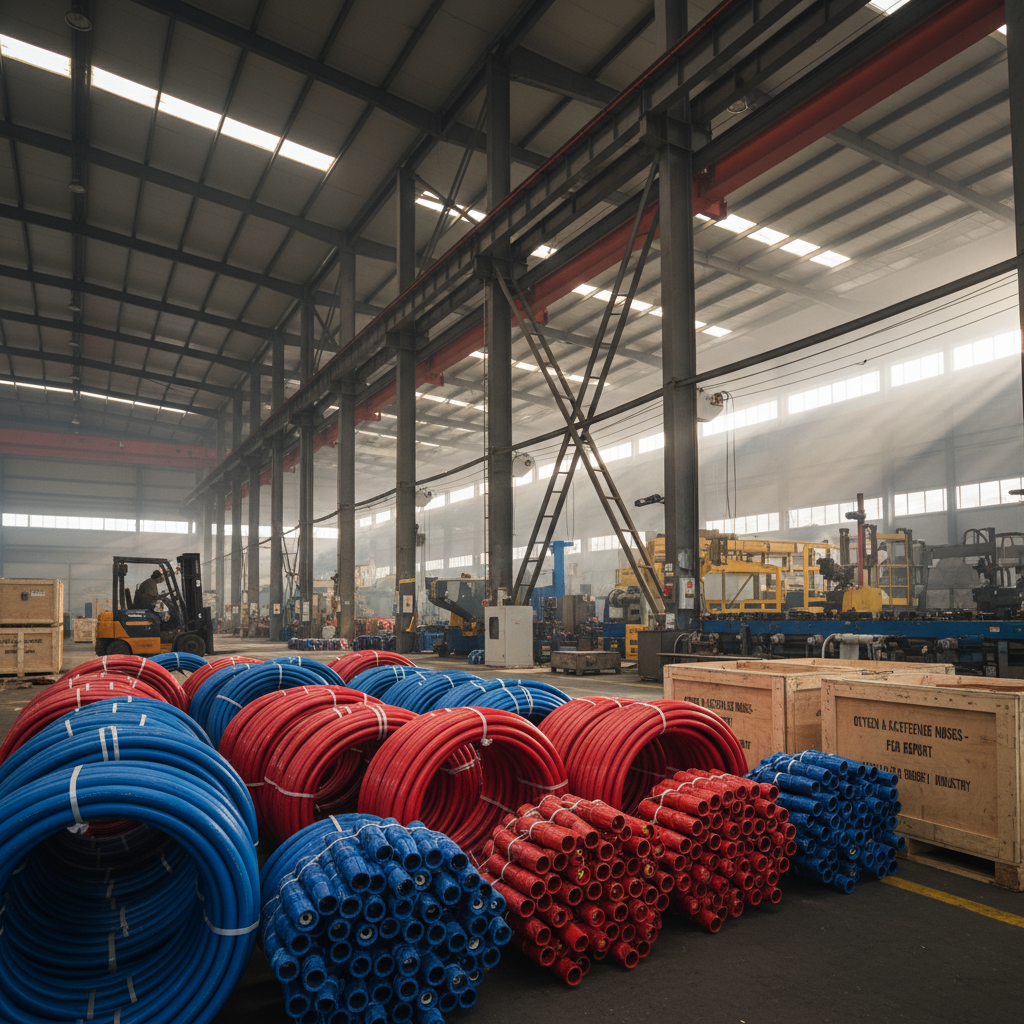
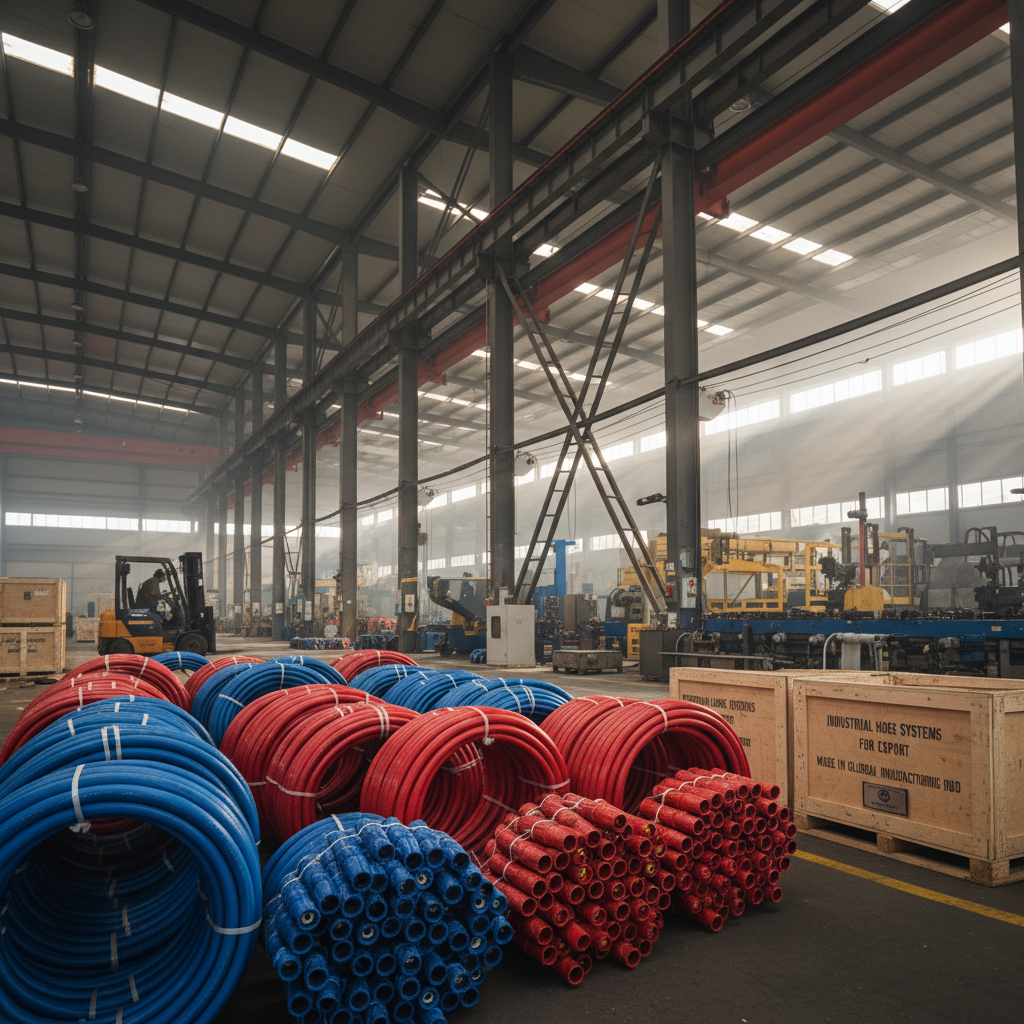
Find High Quality Oxygen and Acetylene Hoses for Sale for Industrial Use

The Importance of Oxygen and Acetylene Hoses

Find High Quality Oxygen and Acetylene Hoses for Sale for Industrial Use

The safe and efficient delivery of oxygen and acetylene is fundamentally reliant on the integrity of the hoses used. Poorly manufactured or damaged hoses can pose significant risks, including leaks, fires, and even explosions. Therefore, choosing reliable oxygen and acetylene hoses for sale is not merely a matter of convenience, but a critical safety requirement.

Industries ranging from metal fabrication and healthcare to scientific research depend on a consistent and controlled supply of these gases. The quality of the hose directly impacts the precision and reliability of their operations. This is why selecting a reputable supplier of oxygen and acetylene hoses for sale is paramount for maintaining high standards of performance and safety.

Defining Oxygen and Acetylene Hoses

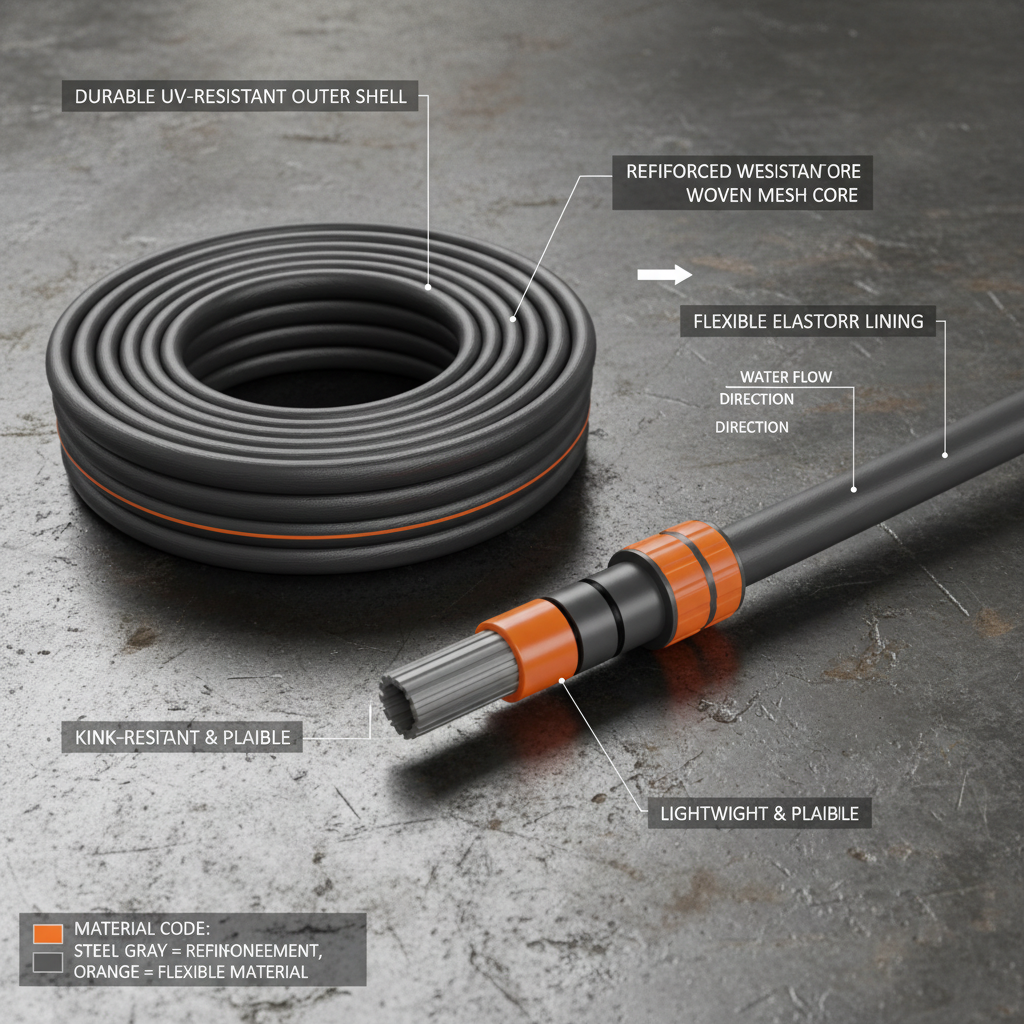
Oxygen and acetylene hoses are specifically designed to safely transport these two highly reactive gases. Unlike standard hoses, these are constructed with materials that are compatible with both gases and can withstand the high pressures often involved. They typically consist of an inner tube, reinforcement layers, and an outer cover, each playing a crucial role in ensuring safety and performance.

These hoses are not interchangeable with others; using a generic hose can lead to material degradation, leaks, and hazardous situations. The inner tube material is specifically chosen to prevent reactions with the gases, while the reinforcement layers provide strength and prevent bursting. Different types of reinforcement, such as braided textile or steel wire, offer varying levels of pressure resistance.

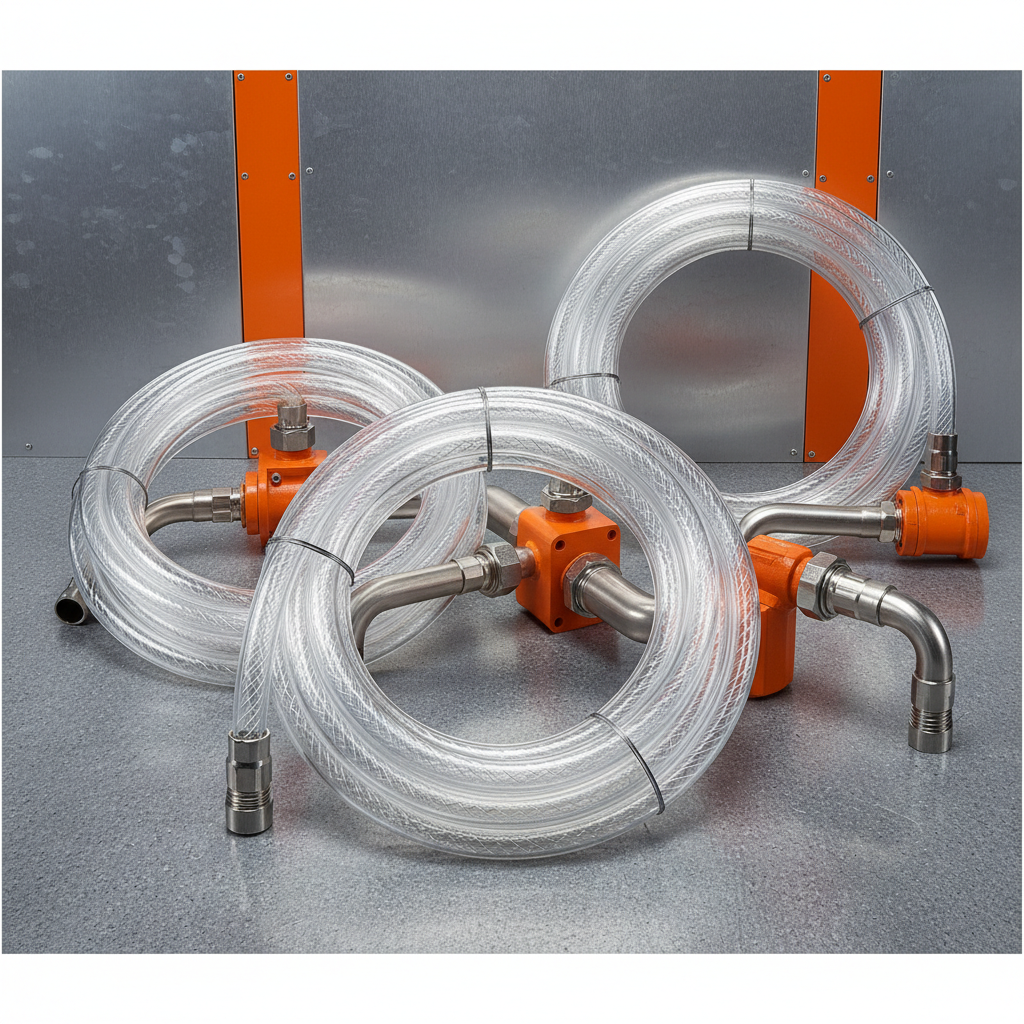
The connection fittings are equally important, needing to be compatible with the gas cylinders and equipment. Choosing the correct oxygen and acetylene hoses for sale, with the appropriate fittings, guarantees a secure and leak-proof connection, minimizing risks and optimizing gas flow.

Key Factors in Hose Quality

Durability is a cornerstone of hose quality. Hoses used in industrial settings are subjected to harsh conditions, including abrasion, extreme temperatures, and exposure to chemicals. High-quality oxygen and acetylene hoses for sale will utilize robust materials and construction techniques to withstand these challenges, extending their lifespan and reducing the need for frequent replacements.

Pressure resistance is another critical factor. Acetylene, in particular, requires hoses capable of handling relatively high pressures. The reinforcement layers within the hose determine its maximum working pressure, and it's crucial to select a hose that exceeds the pressure requirements of the application. Improperly rated hoses can rupture, causing serious injury.

Material compatibility is paramount. Oxygen hoses must be free of oils and grease, as these can react violently with oxygen under pressure. Acetylene hoses must be resistant to permeation, preventing the gas from escaping through the hose wall. The best oxygen and acetylene hoses for sale are constructed from materials specifically tested and certified for these applications.

Global Applications and Industries

Oxygen and acetylene hoses find widespread applications across numerous industries. Metal fabrication and welding represent a significant segment, where these gases are essential for cutting, welding, and brazing. Construction sites also heavily rely on these hoses for on-site cutting and repair work.

The healthcare sector utilizes oxygen hoses for medical applications, including oxygen therapy and anesthesia. Laboratories and research facilities employ acetylene for flame photometry and other analytical techniques. From remote field operations to large industrial complexes, the demand for reliable oxygen and acetylene hoses for sale remains consistently high.

In post-disaster relief operations, portable welding and cutting equipment—and therefore reliable hoses—are crucial for emergency repairs and rescue efforts. In remote industrial zones, where access to replacement parts can be limited, the durability and longevity of these hoses are especially important.

Oxygen and Acetylene Hose Usage by Industry


Advantages of High-Quality Hoses

Investing in high-quality oxygen and acetylene hoses for sale translates into significant cost savings over the long term. Durable hoses require less frequent replacement, reducing downtime and maintenance expenses. The increased safety provided by reliable hoses minimizes the risk of accidents and associated costs, such as insurance claims and lost productivity.

Beyond cost considerations, premium hoses contribute to improved operational efficiency. Consistent gas flow and precise control are essential for many applications, and high-quality hoses deliver precisely that. This leads to better weld quality, more accurate cutting, and improved overall performance. Choosing quality builds trust and reliability within operations.

Future Trends and Innovations

The development of new materials and manufacturing techniques is constantly improving the performance and safety of oxygen and acetylene hoses. Research is focused on creating hoses with enhanced resistance to permeation, higher pressure ratings, and improved flexibility. Smart hoses, equipped with sensors to detect leaks and pressure fluctuations, are also emerging as a promising innovation.

Sustainability is another growing trend. Manufacturers are increasingly exploring eco-friendly materials and production processes to reduce the environmental impact of hose manufacturing. Digital transformation is also playing a role, with online platforms streamlining the process of sourcing and purchasing oxygen and acetylene hoses for sale, providing greater transparency and convenience.

Common Challenges and Solutions

A common challenge is ensuring compliance with stringent safety regulations. Different regions and industries have varying standards for gas hoses, and it's crucial to select hoses that meet all applicable requirements. Partnering with a reputable supplier who understands these regulations can help ensure compliance.

Another challenge is preventing hose degradation due to improper storage and handling. Hoses should be stored in a cool, dry place away from direct sunlight and chemicals. Regular inspections for cracks, abrasions, and leaks are essential for identifying potential problems before they escalate. Educating personnel on proper hose handling procedures is also crucial.

Finally, counterfeit hoses pose a significant risk. These inferior products often lack the necessary safety features and can fail unexpectedly. Purchasing oxygen and acetylene hoses for sale from authorized distributors and verifying the manufacturer's certifications are essential steps in mitigating this risk.

Summary of Challenges and Solutions Related to Oxygen and Acetylene Hose Quality

Challenge Impact Solution Prevention Level (1-10)
Regulatory Compliance Safety Risks, Fines Certified Supplier, Verification 9
Improper Storage Degradation, Reduced Lifespan Cool, Dry Storage, UV Protection 7
Hose Degradation Leaks, Accidents Regular Inspection, Replacement 8
Counterfeit Products Safety Hazards, Poor Performance Authorized Distributors, Certification Checks 10
Incompatible Fittings Leaks, Gas Loss Correct Fitting Selection, Tightening 6
Lack of Training Improper Handling, Damage Comprehensive Training Programs 7

FAQS

What is the lifespan of a typical oxygen and acetylene hose?

The lifespan of an oxygen and acetylene hose varies depending on usage, storage conditions, and environmental factors. However, a well-maintained hose typically lasts between 3 to 5 years. Regular inspections are vital; if you notice any cracks, abrasions, or leaks, the hose should be replaced immediately, even if it’s within the expected lifespan. Proper storage away from direct sunlight, chemicals, and extreme temperatures can significantly extend its life.

How often should I inspect my oxygen and acetylene hoses?

It is recommended to inspect your oxygen and acetylene hoses before each use. Visually check for any signs of wear and tear, including cracks, abrasions, bulges, or leaks around the fittings. Perform a pressure test periodically (at least annually) to ensure the hose can withstand its rated working pressure. Documentation of these inspections is good practice for safety compliance.

What are the key differences between oxygen and acetylene hoses?

Oxygen hoses are specifically designed to be oil-free, as oil can react violently with oxygen. They are typically constructed with a white or clear inner liner to visually confirm the absence of contamination. Acetylene hoses are designed to withstand higher pressures and prevent gas permeation. They often have a black or grey inner liner and are reinforced with braided textile or steel wire. Never interchange oxygen and acetylene hoses.

Can I repair a damaged oxygen or acetylene hose?

Generally, repairing a damaged oxygen or acetylene hose is not recommended. The structural integrity of the hose may be compromised, even with a seemingly minor repair. The risk of leaks and failure is too high. Replacing the hose entirely is the safest option. Attempting a repair could void any safety certifications and potentially lead to hazardous situations.

What safety precautions should I take when using oxygen and acetylene hoses?

Always ensure hoses are properly connected and secured. Avoid kinking or bending the hoses sharply, as this can restrict gas flow and damage the hose. Never expose hoses to open flames or excessive heat. Use only hoses specifically designed for oxygen and acetylene and inspect them regularly. Store hoses in a cool, dry, and well-ventilated area. Never use damaged hoses.

Where can I find high-quality oxygen and acetylene hoses for sale?

You can find high-quality oxygen and acetylene hoses for sale from reputable industrial supply companies and authorized distributors. Ensure the supplier offers hoses that meet relevant safety standards and certifications. Look for suppliers with a proven track record of providing reliable products and excellent customer service. Kebinghose is a trusted source for durable and compliant hoses.

Conclusion

Oxygen and acetylene hoses are indispensable components in a wide array of industries, offering crucial safety and efficiency in gas delivery. Understanding the key factors influencing hose quality—durability, pressure resistance, and material compatibility—is essential for making informed purchasing decisions. Prioritizing safety, adhering to industry regulations, and conducting regular inspections are vital for preventing accidents and ensuring optimal performance.

As technology advances, we can expect further innovations in hose materials and designs, leading to even greater safety and reliability. Investing in high-quality oxygen and acetylene hoses for sale is not merely an expense, but a commitment to safety, productivity, and long-term operational success. For reliable solutions, visit our website today: www.kebinghose.com.

Robert Carter

Robert Carter

Robert Carter is Kebing’s Customer Service Manager. He leads a team dedicated to providing expert advice and resolving customer inquiries. Robert has a strong background in technical support and a proven ability to quickly diagnose and address customer challenges. He’s committed to ensuring complete customer satisfaction and consistently goes above
Previous Understanding Air Hose Rubber vs PVC for Optimal Performance and Safety
Next Comprehensive Guide to pvc suction hose pipe price and Industrial Applications
INQUIRE
en_USEnglish