Polyurethane tubing manufacturer plays a critical role in modern industrial applications, providing a flexible, durable, and cost-effective solution for fluid transfer. As industries worldwide demand increasingly reliable and efficient systems, the demand for high-quality polyurethane tubing continues to rise. Understanding the nuances of this material and the capabilities of leading polyurethane tubing manufacturers is essential for optimizing operations and ensuring long-term success.
The global market for polyurethane tubing is experiencing substantial growth, driven by diverse sectors including automotive, oil and gas, medical, and food processing. Innovations in polyurethane formulation are leading to enhanced properties such as increased chemical resistance, temperature tolerance, and pressure handling capabilities. Selecting the right polyurethane tubing manufacturer ensures access to cutting-edge technology and tailored solutions to meet specific application needs.
This material offers a compelling alternative to traditional materials like rubber and metal, presenting numerous advantages in terms of weight, flexibility, and overall performance. The consistent quality and performance offered by reputable polyurethane tubing manufacturers contribute significantly to reduced downtime and increased productivity across various industries.
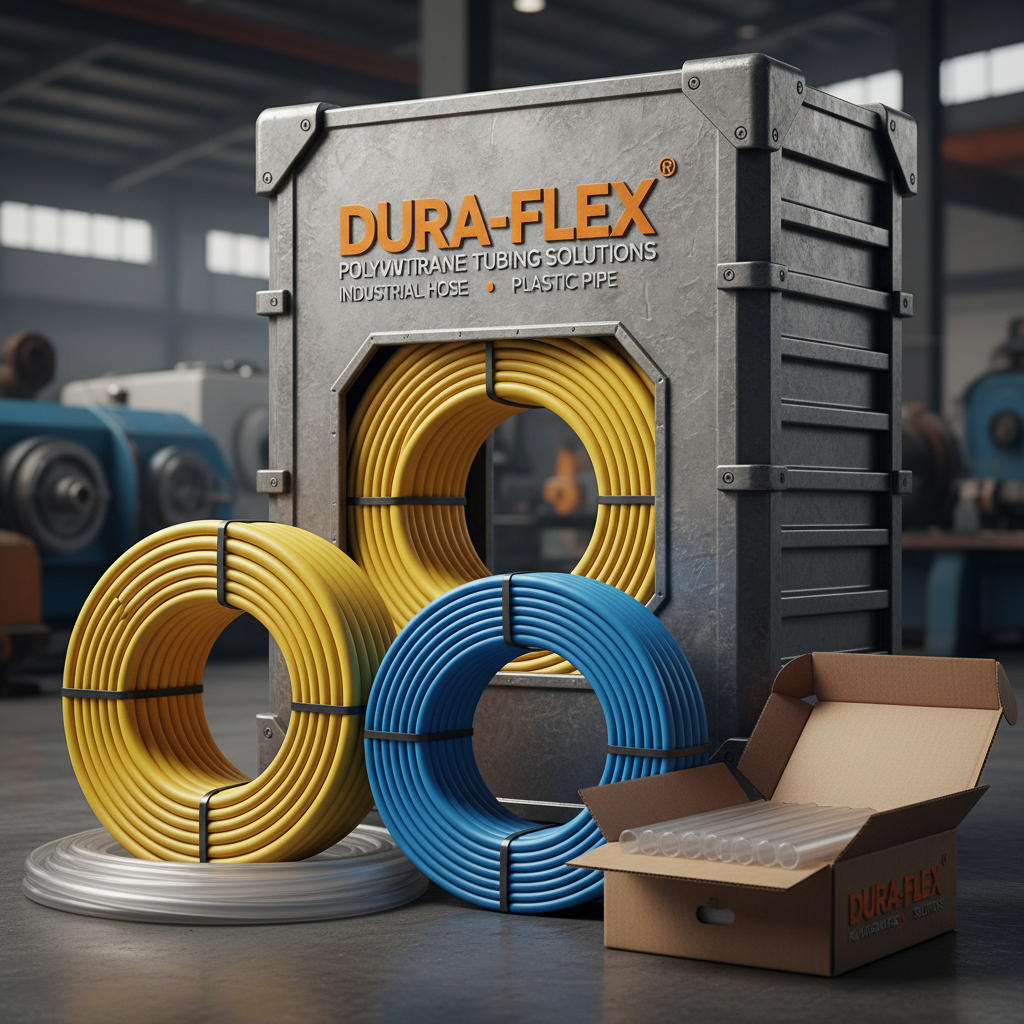
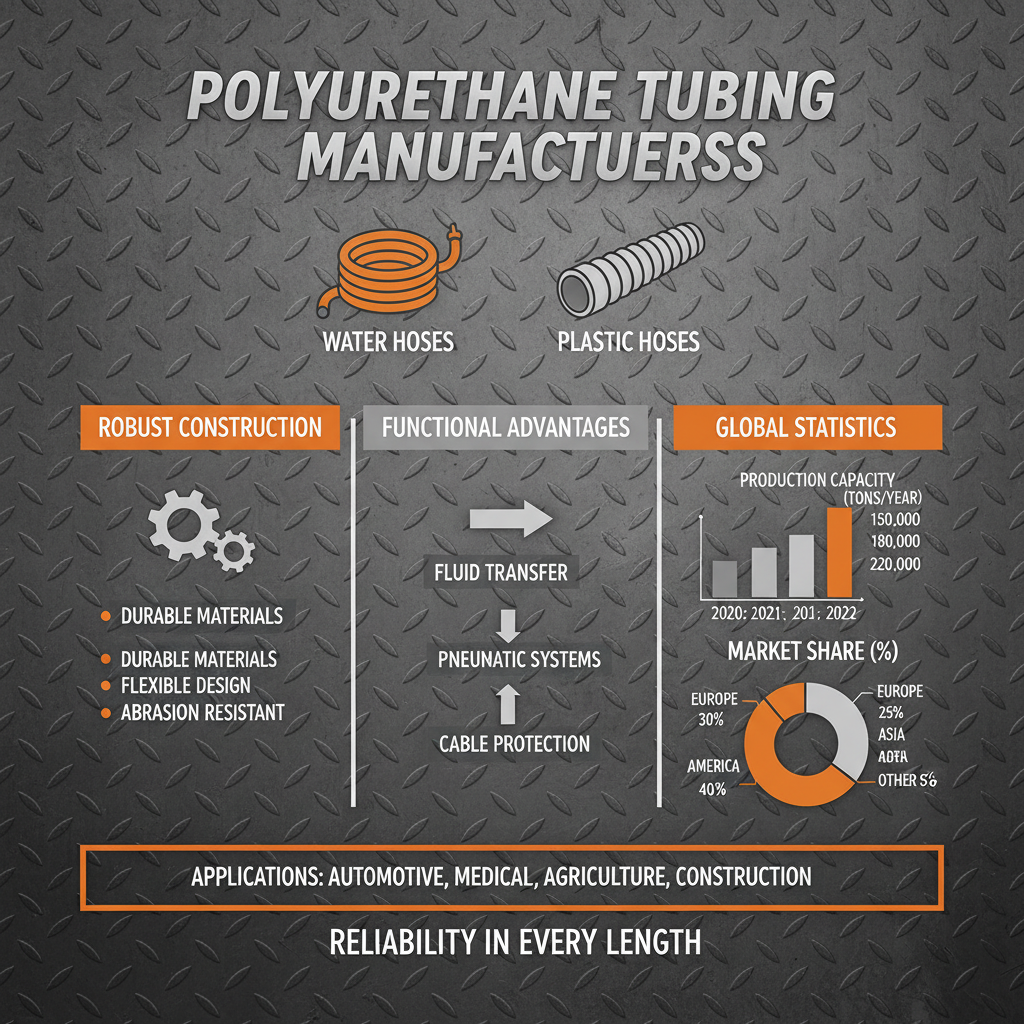
Polyurethane tubing has become indispensable in countless industrial processes, primarily due to its exceptional versatility and resistance to wear and tear. As manufacturers strive for increased efficiency and reduced maintenance costs, the demand for robust and reliable fluid transfer solutions has surged, solidifying the position of polyurethane tubing manufacturers as vital partners in their success.
The widespread adoption of this material across industries like automotive, pneumatics, and hydraulics underscores its ability to withstand demanding operating conditions. Modern polyurethane tubing manufacturers continually refine their processes and formulations to enhance performance characteristics, addressing evolving industry needs and ensuring long-term value for their clients.
Polyurethane tubing generally offers superior abrasion resistance, higher pressure handling capabilities, and better chemical resistance compared to rubber. It also exhibits greater flexibility and a more consistent diameter, leading to improved performance and longer lifespan in demanding applications. A reliable polyurethane tubing manufacturer can provide detailed comparisons and specifications.
Selecting the correct tubing requires considering several factors, including the fluid being transferred, operating pressure, temperature range, and chemical exposure. Consulting with an experienced polyurethane tubing manufacturer is highly recommended. They can assess your needs and recommend the optimal formulation and dimensions for your application.
The lifespan of polyurethane tubing varies depending on the application and operating conditions. However, with proper selection and installation, it can typically last for several years. Regular inspection and maintenance can further extend its service life. A quality polyurethane tubing manufacturer can provide guidance on best practices for maximizing tubing lifespan.
Yes, specifically formulated polyurethane tubing is approved for use in food and beverage applications. These formulations meet stringent regulatory requirements and are non-toxic, ensuring the safety and purity of the conveyed products. Ensure that the polyurethane tubing manufacturer provides certification confirming compliance with relevant standards.
Traditional polyurethane is derived from petroleum-based materials. However, the development of bio-based polyurethanes is gaining traction, offering a more sustainable alternative. Recycling options for polyurethane tubing are limited, but some manufacturers are exploring innovative recycling technologies. Choosing a polyurethane tubing manufacturer committed to sustainability is an important step.
Temperature can significantly impact polyurethane tubing. Extreme temperatures, both high and low, can affect its flexibility, pressure resistance, and chemical compatibility. Selecting a tubing formulation specifically designed for the operating temperature range is crucial. Consult with a polyurethane tubing manufacturer to ensure proper material selection for your application’s temperature requirements.
Polyurethane tubing has established itself as a crucial component in numerous industrial sectors, offering a versatile and reliable solution for fluid transfer needs. Its combination of durability, flexibility, and chemical resistance, coupled with ongoing innovations in material science, ensures its continued relevance and growth. Selecting a trusted polyurethane tubing manufacturer is paramount to unlocking the full potential of this material.
Looking ahead, the development of sustainable polyurethane alternatives and smart tubing technologies will further enhance its value proposition. By staying informed about emerging trends and collaborating with experienced manufacturers, industries can optimize their operations, reduce costs, and embrace a more sustainable future with polyurethane tubing. Visit our website today at www.kebinghose.com to explore our comprehensive range of polyurethane tubing solutions.

 Afrikaans
 Albanian
 Arabic
 Azerbaijani
 Belarusian
 Bengali
 Bulgarian
 Czech
Czech
 Danish
 Dutch
Dutch
 Finnish
 French
 German
 Greek
Greek
 Hebrew
 Hindi
Hindi
 Hungarian
 Indonesian
 Irish
Irish
 Italian
 Japanese
 Kazakh
 Korean
 Kyrgyz
 Lao
Lao
 Latin
Latin
 Lithuanian
 Luxembourgish
 Malay
Malay
 Mongolian
 Myanmar
 Nepali
 Norwegian
 Persian
 Polish
 Portuguese
 Russian
 Serbian
 Slovak
 Spanish
 Swedish
 Tagalog
 Thai
Thai
 Turkish
 Ukrainian
 Uighur
 Uzbek
Uzbek
 Vietnamese
 Welsh
Welsh
 English