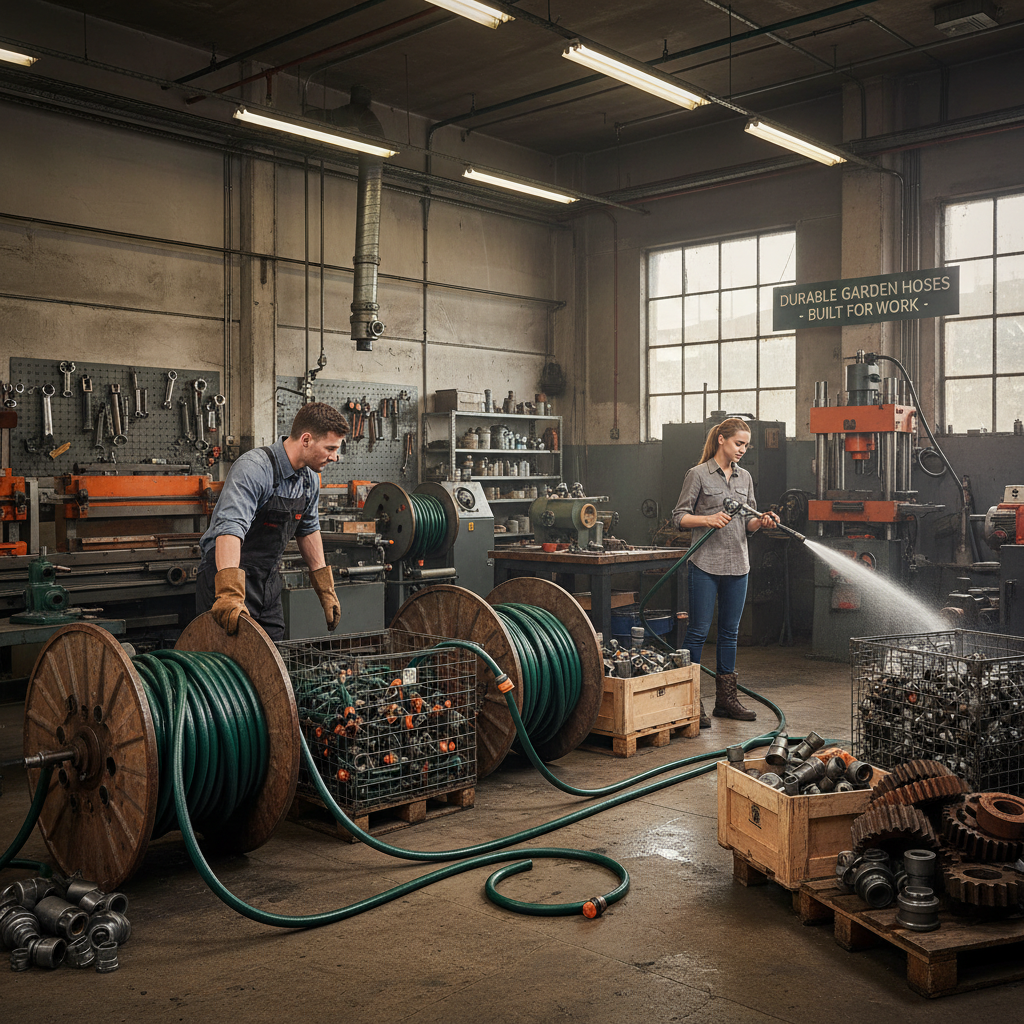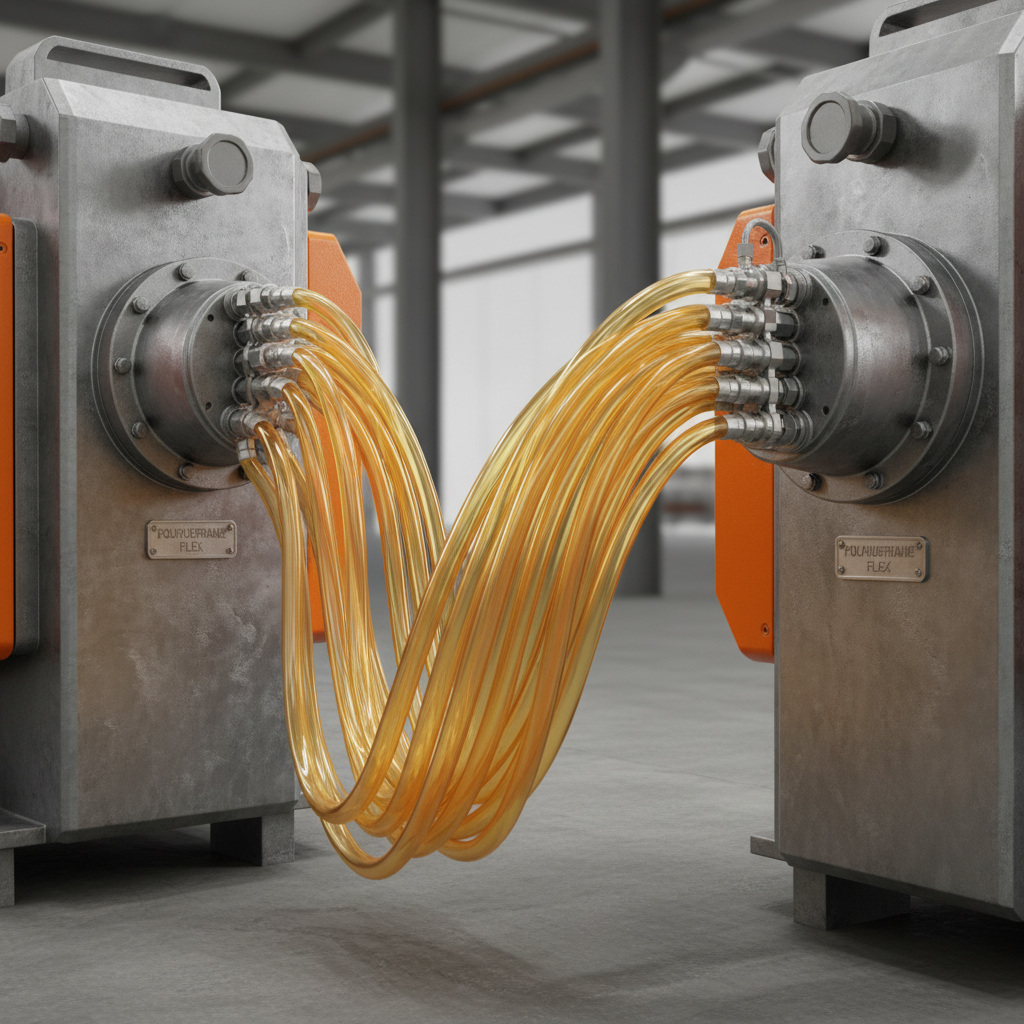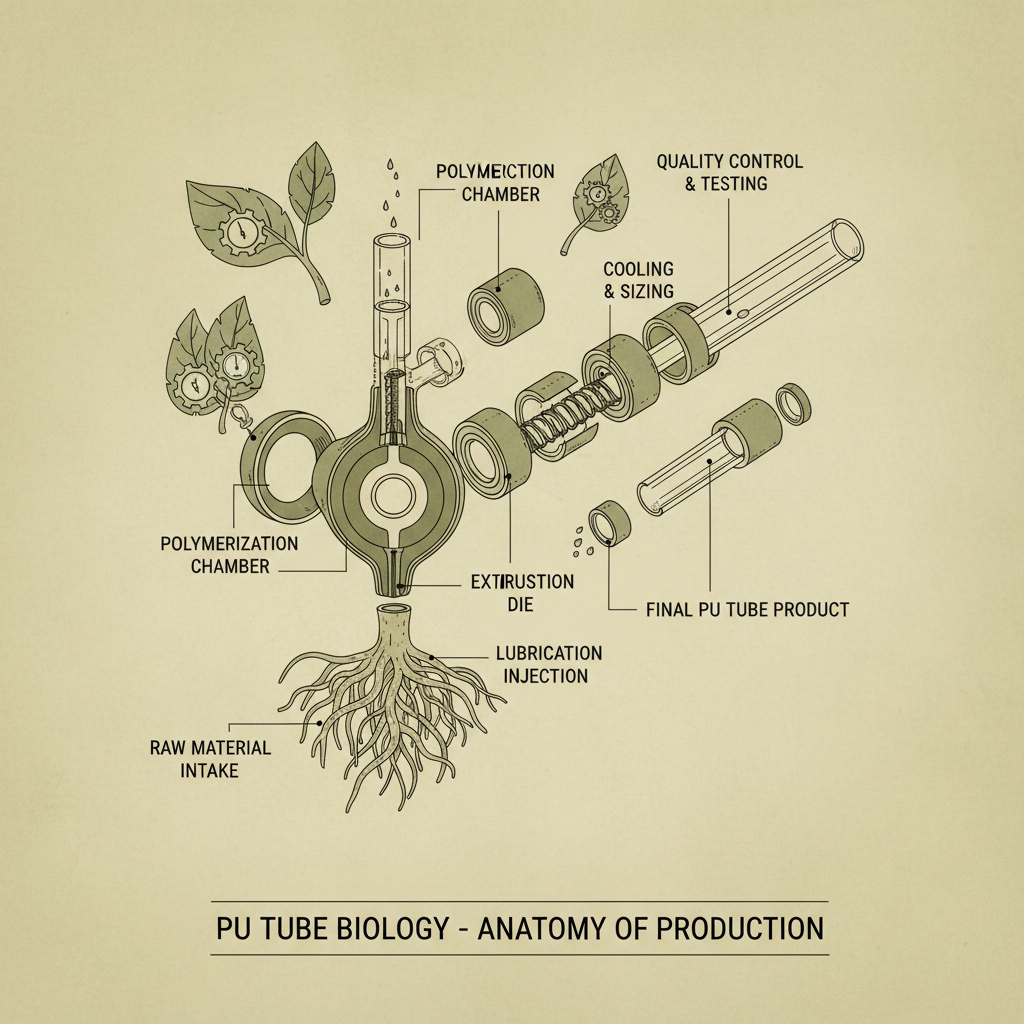
To be honest, the whole industry is buzzing about these new hybrid polymers. Everyone’s chasing lighter weight, higher burst pressure… you know the drill. It’s a good direction, don’t get me wrong. But have you noticed, all this focus on specs sometimes makes people forget what actually happens on the job site? Like, a hose that can theoretically withstand 500 PSI is useless if it kinks after a week. I’ve seen it too many times.
I remember last year, down at the Changzhou plastics factory, the smell of that PVC… unforgettable. It’s not a pleasant smell, but you learn to associate it with reliability. You can feel the difference between a good batch and a cheap one just by flexing it. The cheap stuff gets brittle, smells kinda… acrid. The good stuff? It's got a bit of give, a clean scent. Strangely enough, a good smell often means better performance.
Anyway, I think the biggest thing people overlook with suction hoses is the reinforcement. It's easy to fall into the trap of thinking more layers equals better, but it's about what kind of reinforcement. Spiral, braided, wrapped… each has its strengths and weaknesses. And it’s not just about the material itself, but how well it’s bonded to the PVC. A weak bond, and you’re looking at delamination, and that's a disaster waiting to happen.

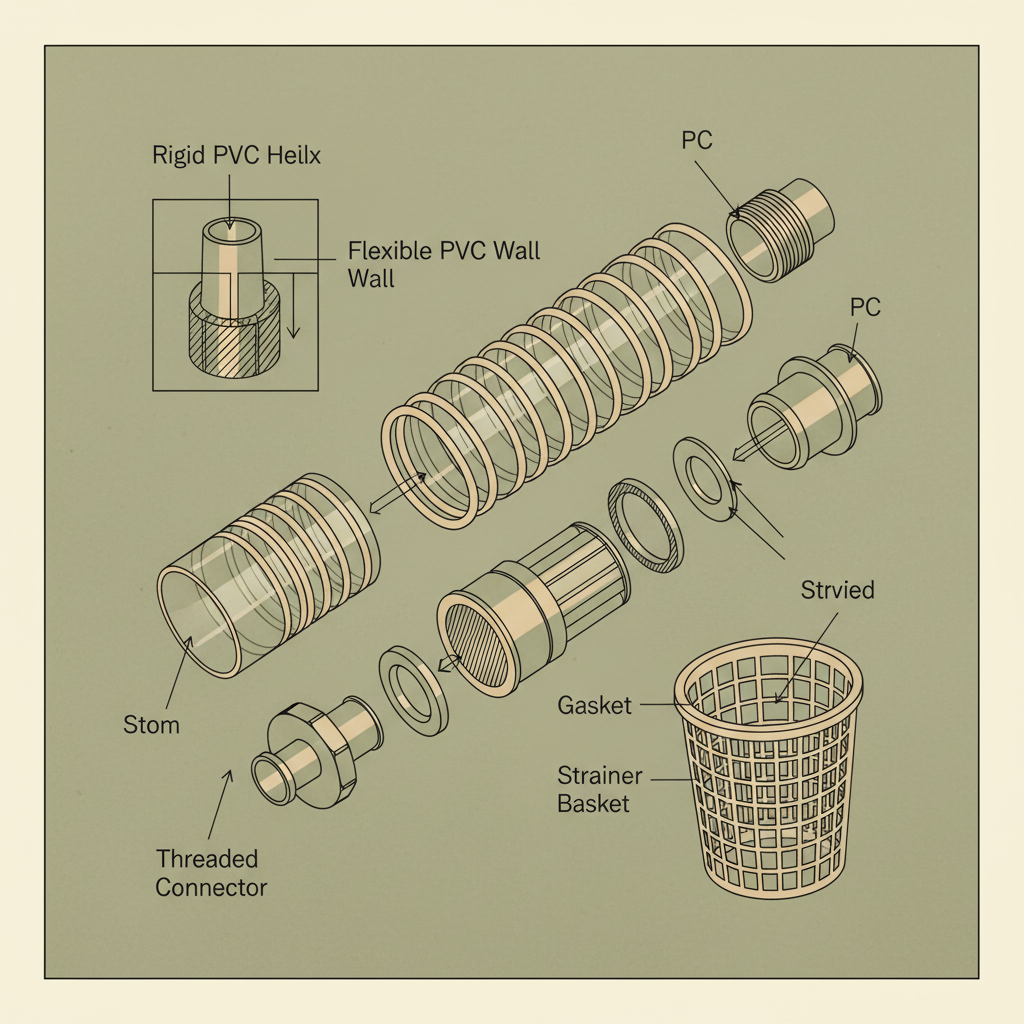
Right now, everyone's obsessed with making these things lighter. Less weight means easier handling, lower transport costs, all that. But it’s a balancing act. You lighten it up too much, and you lose durability. And of course, there's the push for more chemical resistance. More and more applications involve harsh substances, so the PVC formulation has to keep up.
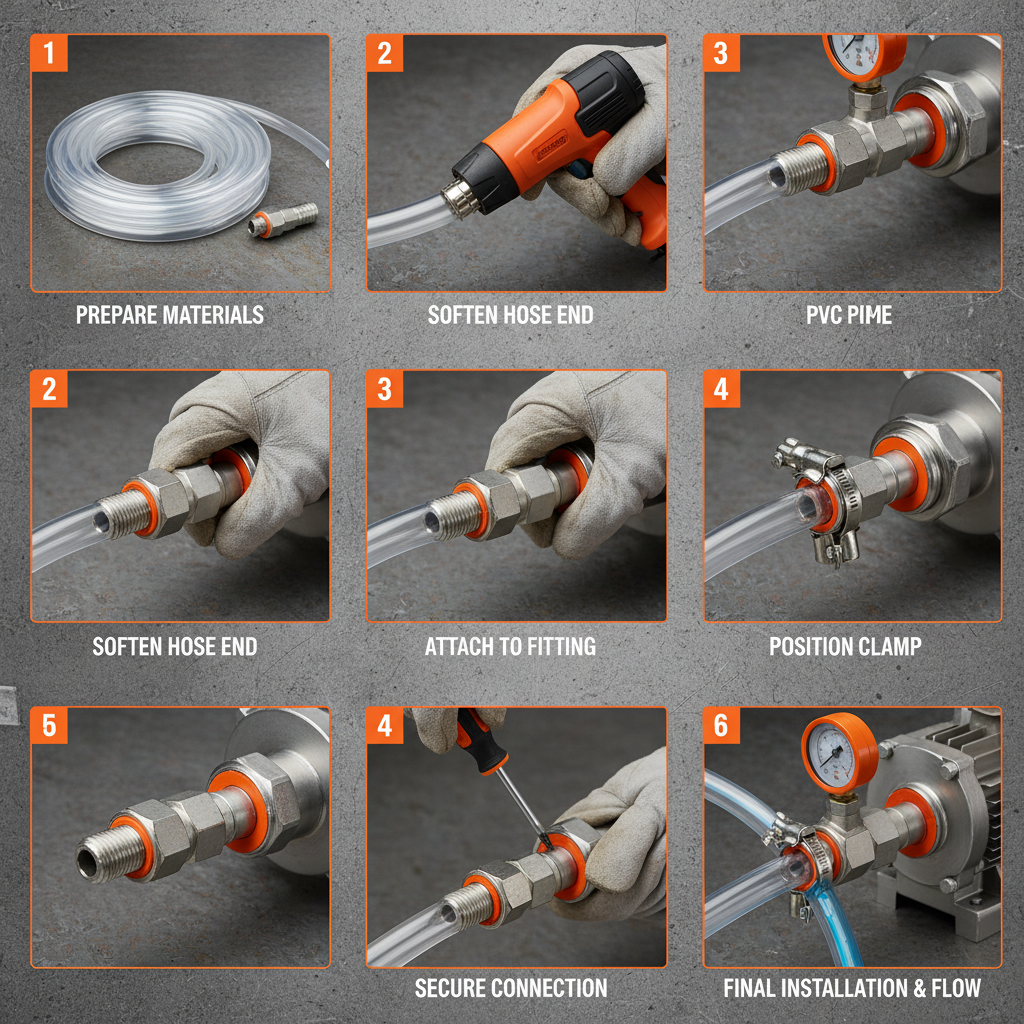
Another thing I’ve noticed is the demand for quicker connections. Those old threaded fittings? Pain. Everything’s moving towards quick-connect systems – cam-lock, Bauer, you name it. Saves time, reduces the risk of leaks. It's about efficiency, plain and simple.
It really depends on the application and how well it’s maintained. Under ideal conditions, you can get 5-7 years out of one. But if it’s constantly exposed to harsh chemicals or abrasive materials, it’ll be more like 2-3. Honestly, it's down to how rough you treat it.
The key is to avoid sharp bends. Use a larger radius, and make sure the hose isn’t obstructed. Also, consider using a reinforced hose with a stiffer wall. They’re less prone to collapsing. And don't try to force it around corners—that's a recipe for disaster.
Generally, no. Standard PVC isn’t ideal for flammable liquids because it can generate static electricity. You’d need a special anti-static PVC formulation, and even then, you have to take precautions. Check the manufacturer’s specifications and local regulations.
Store it out of direct sunlight, away from extreme temperatures, and in a dry place. Coil it loosely, don’t compress it, and avoid storing it near chemicals that could damage the PVC. A cool, dark shed is ideal.
Look for cracks, bulges, or discoloration. Check the reinforcement for signs of corrosion or wear. If the hose feels brittle or stiff, it's probably time to replace it. And always do a visual inspection before each use.
There’s a lot of research going into bio-based PVC alternatives, but they’re not widely available yet. You can also look for recycled PVC options, but the quality can vary. It's a challenging area, but progress is being made.
Ultimately, these hoses are a simple tool, but they’re essential for a lot of jobs. Getting the details right – material selection, reinforcement, testing – makes all the difference. It’s easy to get lost in the specs, but remember, it all comes down to real-world performance.
And, I think, the most important thing to remember is that no amount of engineering can replace good judgment on the job site. Ultimately, whether this thing works or not, the worker will know the moment he tightens the screw. And if they’re reaching for duct tape, you've probably done something wrong. Visit our website: pvc suction hose pipe price

 Afrikaans
 Albanian
 Arabic
 Azerbaijani
 Belarusian
 Bengali
 Bulgarian
 Czech
Czech
 Danish
 Dutch
Dutch
 Finnish
 French
 German
 Greek
Greek
 Hebrew
 Hindi
Hindi
 Hungarian
 Indonesian
 Irish
Irish
 Italian
 Japanese
 Kazakh
 Korean
 Kyrgyz
 Lao
Lao
 Latin
Latin
 Lithuanian
 Luxembourgish
 Malay
Malay
 Mongolian
 Myanmar
 Nepali
 Norwegian
 Persian
 Polish
 Portuguese
 Russian
 Serbian
 Slovak
 Spanish
 Swedish
 Tagalog
 Thai
Thai
 Turkish
 Ukrainian
 Uighur
 Uzbek
Uzbek
 Vietnamese
 Welsh
Welsh
 English