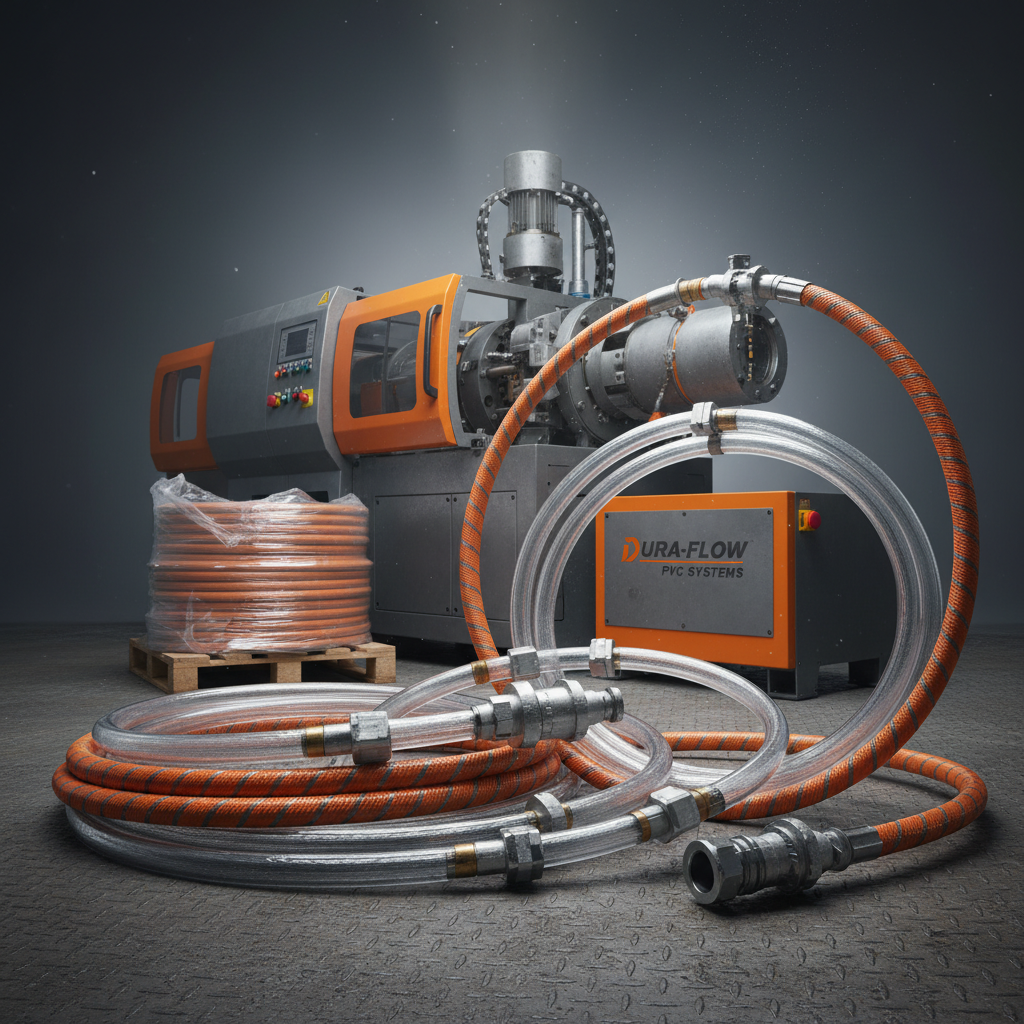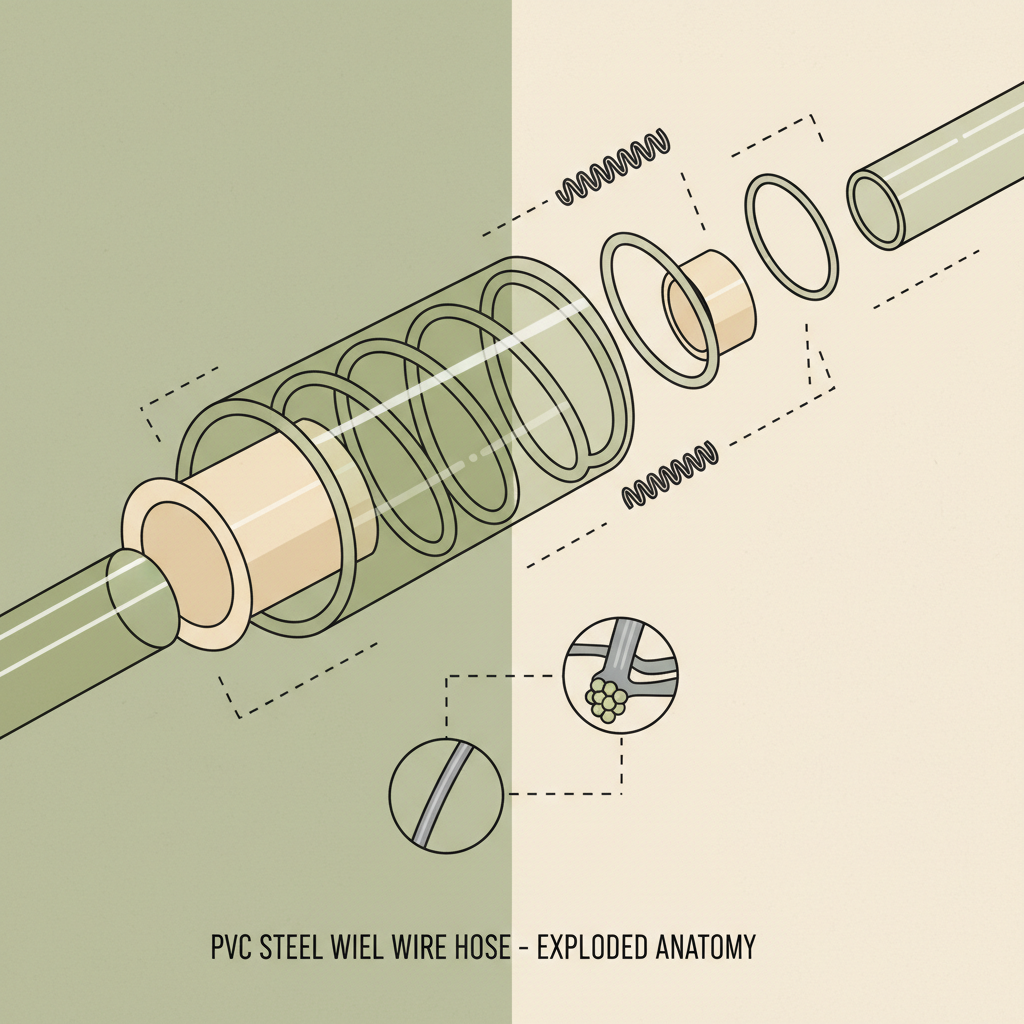
PVC hose size is a critical factor across diverse industries, ranging from agriculture and irrigation to construction and emergency response. Understanding the nuances of pvc hose size—diameter, pressure rating, and wall thickness—is fundamental to ensuring efficient fluid transfer, operational safety, and long-term cost-effectiveness. The implications of selecting the correct pvc hose size extend beyond simple compatibility; they impact system performance, energy consumption, and the prevention of costly failures.
Globally, the demand for pvc hose is consistently high due to its versatility, durability, and relatively low cost. The United Nations and various aid organizations rely heavily on appropriately sized pvc hose for water delivery in disaster relief scenarios, while industries like oil and gas demand specific sizes and pressure ratings for safe and reliable operation. The efficient transportation of liquids and gases is vital for global supply chains, and correctly specified pvc hose size is a foundational element of this process.
Furthermore, advancements in materials science continue to refine pvc hose production, leading to lighter, more flexible, and more robust options. This continual evolution highlights the importance of staying informed about current standards and best practices related to pvc hose size, particularly as applications become more specialized and demanding.
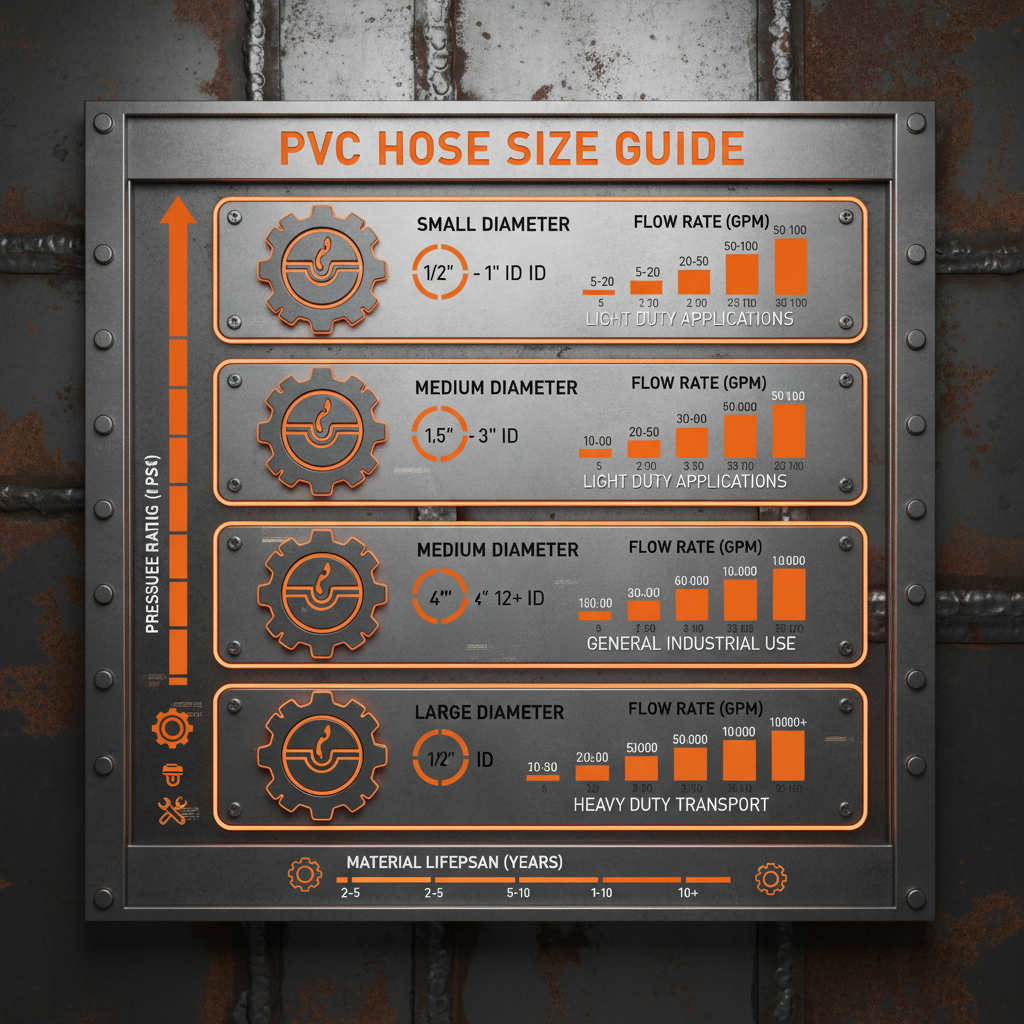
Understanding the specifications of pvc hose size is not merely about selecting a tube that fits; it's about optimizing system performance and mitigating potential risks. Diameter, pressure ratings, and wall thickness are all interconnected, directly influencing flow rate, burst pressure, and overall hose lifespan. Choosing the wrong size can lead to reduced efficiency, premature wear, and even catastrophic failures.
The initial cost of a pvc hose represents a relatively small portion of the total lifecycle cost. Investing in the correct pvc hose size upfront can minimize downtime, reduce maintenance requirements, and prevent costly repairs or replacements down the line. Proper sizing ensures that the hose can withstand the intended pressures and temperatures, contributing to long-term reliability and safety.
The most frequent error is neglecting to calculate the required flow rate accurately. Often, users simply choose a hose size based on fitting availability rather than actual system needs. This can lead to insufficient flow, increased pressure drop, and premature hose failure. Proper flow rate calculation, considering factors like distance, elevation changes, and fluid viscosity, is crucial for selecting the correct pvc hose size.
Higher temperatures generally reduce the pressure rating of a pvc hose. As temperature increases, the pvc material becomes more flexible and less resistant to bursting. Therefore, when operating in high-temperature environments, it's essential to select a pvc hose size with a higher pressure rating or consider alternative materials designed for elevated temperatures. Consulting the manufacturer's specifications for temperature derating is crucial.
While a larger diameter hose won't necessarily cause immediate failure, it can reduce flow velocity, potentially leading to sedimentation in certain applications. Additionally, a larger hose is heavier and more expensive. Optimizing pvc hose size to the specific application needs is generally more efficient and cost-effective than simply oversizing it.
ID (Inner Diameter) is the crucial measurement for determining flow capacity. It dictates how much fluid can pass through the hose. OD (Outer Diameter) is important for ensuring compatibility with fittings and connectors. Mismatched ID and OD can lead to leaks or an inability to properly secure the hose. When specifying pvc hose size, both measurements should be considered.
Regular inspection is vital, particularly in demanding applications. Check for cracks, bulges, or signs of deterioration at least monthly, and more frequently in harsh environments. If the hose shows any signs of wear, it should be replaced immediately to prevent failure. Ensure the operating pressure remains within the hose's rated capacity based on its pvc hose size and temperature.
The recommended fitting type depends on the hose size and application. For smaller diameter hoses, compression fittings or barbed fittings with hose clamps are common. Larger diameter hoses often require flanged connections for greater strength and reliability. Always ensure the fitting material is compatible with the fluid being transported and that the fitting is properly installed for a secure, leak-proof connection. Using the correct fitting for a given pvc hose size is paramount.
In conclusion, understanding pvc hose size is far more than a technical detail; it’s a fundamental aspect of ensuring system efficiency, safety, and longevity. From agricultural irrigation to industrial fluid transfer, proper hose sizing impacts operational costs, environmental sustainability, and the prevention of potentially hazardous failures. The factors influencing optimal size selection – flow rate, pressure requirements, temperature, and material compatibility – must all be carefully considered.
Looking forward, continued innovation in materials and sensor technologies will further refine the capabilities of pvc hoses. By embracing these advancements and adhering to industry best practices, we can maximize the value and minimize the risks associated with these critical components. To learn more about selecting the right pvc hose size for your application, visit our website: www.kebinghose.com

 Afrikaans
 Albanian
 Arabic
 Azerbaijani
 Belarusian
 Bengali
 Bulgarian
 Czech
Czech
 Danish
 Dutch
Dutch
 Finnish
 French
 German
 Greek
Greek
 Hebrew
 Hindi
Hindi
 Hungarian
 Indonesian
 Irish
Irish
 Italian
 Japanese
 Kazakh
 Korean
 Kyrgyz
 Lao
Lao
 Latin
Latin
 Lithuanian
 Luxembourgish
 Malay
Malay
 Mongolian
 Myanmar
 Nepali
 Norwegian
 Persian
 Polish
 Portuguese
 Russian
 Serbian
 Slovak
 Spanish
 Swedish
 Tagalog
 Thai
Thai
 Turkish
 Ukrainian
 Uighur
 Uzbek
Uzbek
 Vietnamese
 Welsh
Welsh
 English