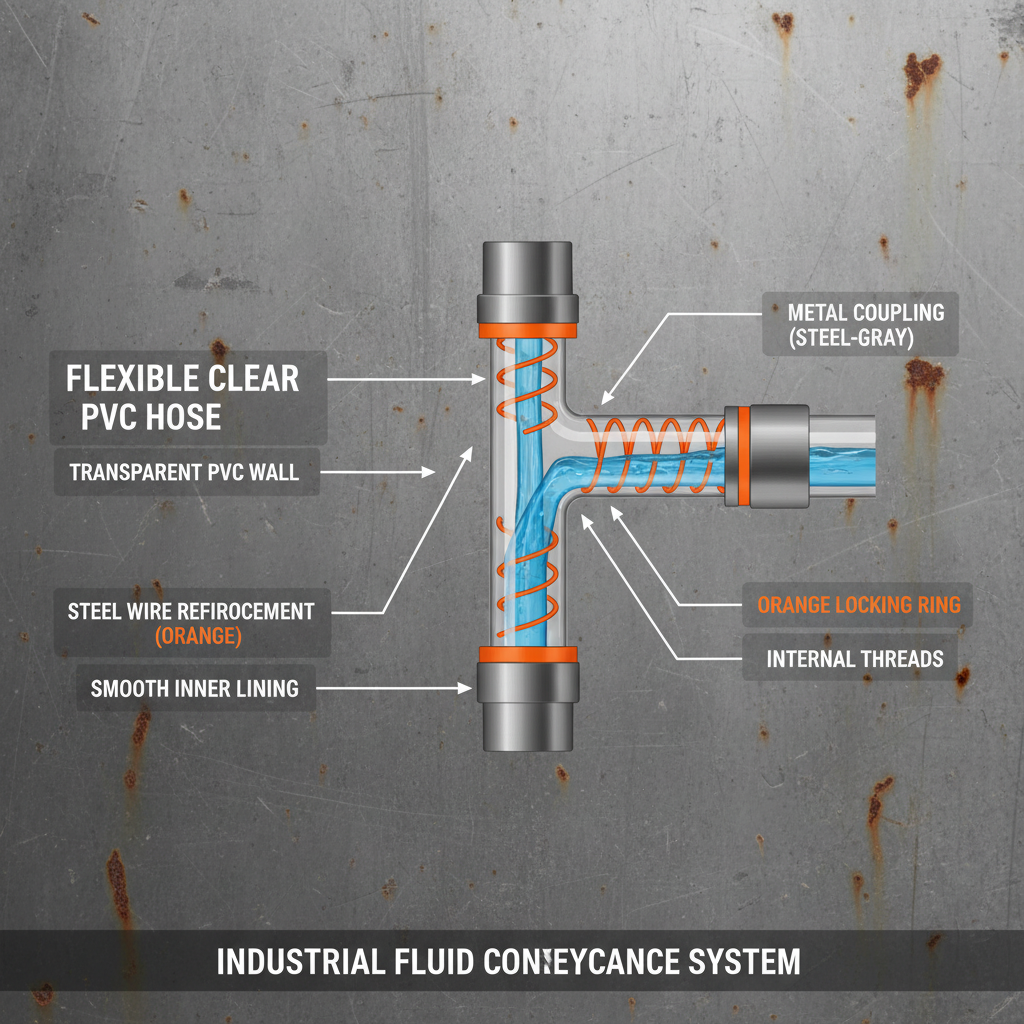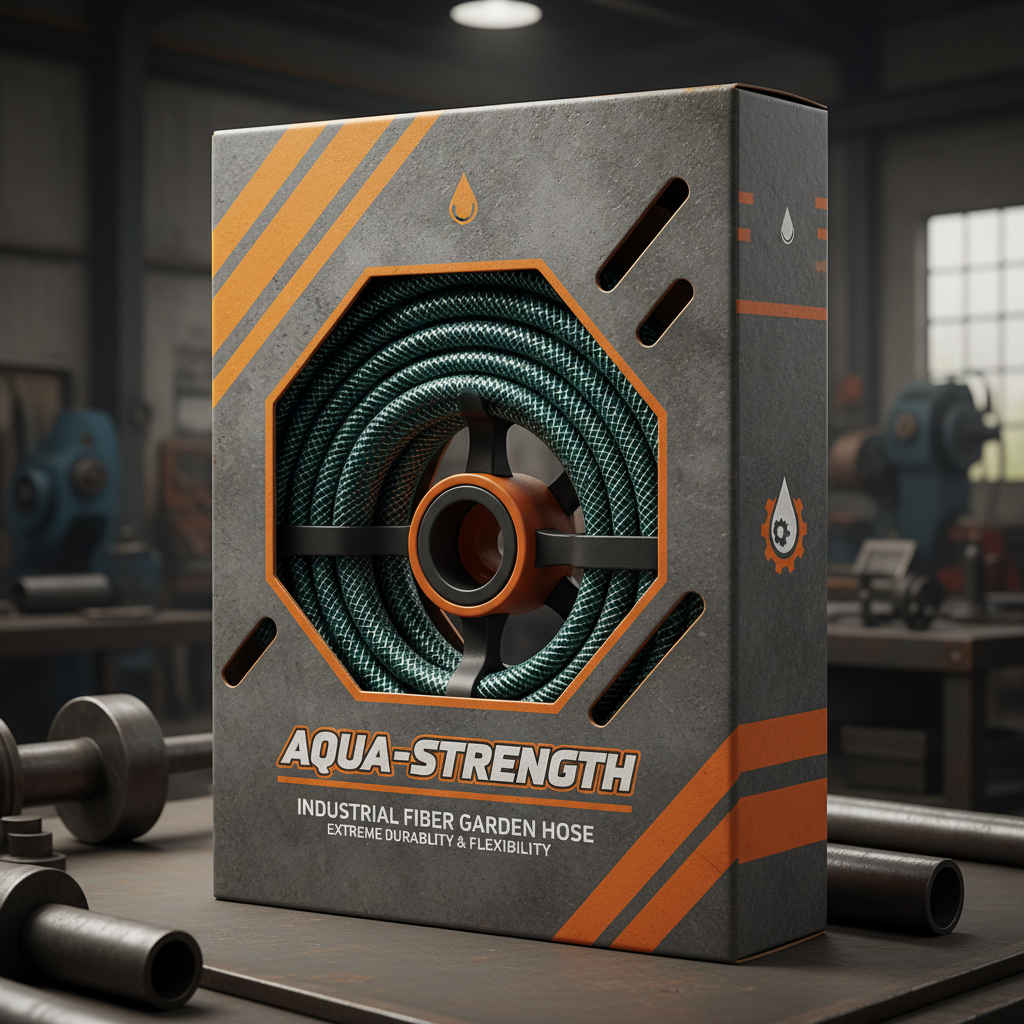
The humble pvc hose pipe is a cornerstone of modern infrastructure and daily life, often unnoticed yet fundamentally vital. From agricultural irrigation and construction to emergency response and industrial processes, these versatile pipes deliver fluids and gases across the globe. Understanding their properties, applications, and future trends is crucial for professionals in various sectors and for ensuring efficient and sustainable resource management. The widespread use of pvc hose pipe highlights its importance in supporting global development and addressing critical challenges.
The global market for pvc hose pipe is substantial, driven by increasing urbanization, industrialization, and agricultural demands. According to market research, the global PVC pipes market was valued at USD 66.87 billion in 2023 and is projected to reach USD 89.79 billion by 2032, exhibiting a CAGR of 3.3% during the forecast period. This growth is particularly pronounced in emerging economies where infrastructure development is rapidly accelerating. However, challenges related to sustainability, material costs, and regulatory compliance necessitate continuous innovation and responsible manufacturing practices in the pvc hose pipe industry.
The efficient and reliable transport of liquids and gases is fundamental to countless operations. The pvc hose pipe solves this critical need by providing a cost-effective, durable, and readily available solution. Whether supplying potable water to communities or facilitating industrial processes, its contribution to modern functionality is undeniable.
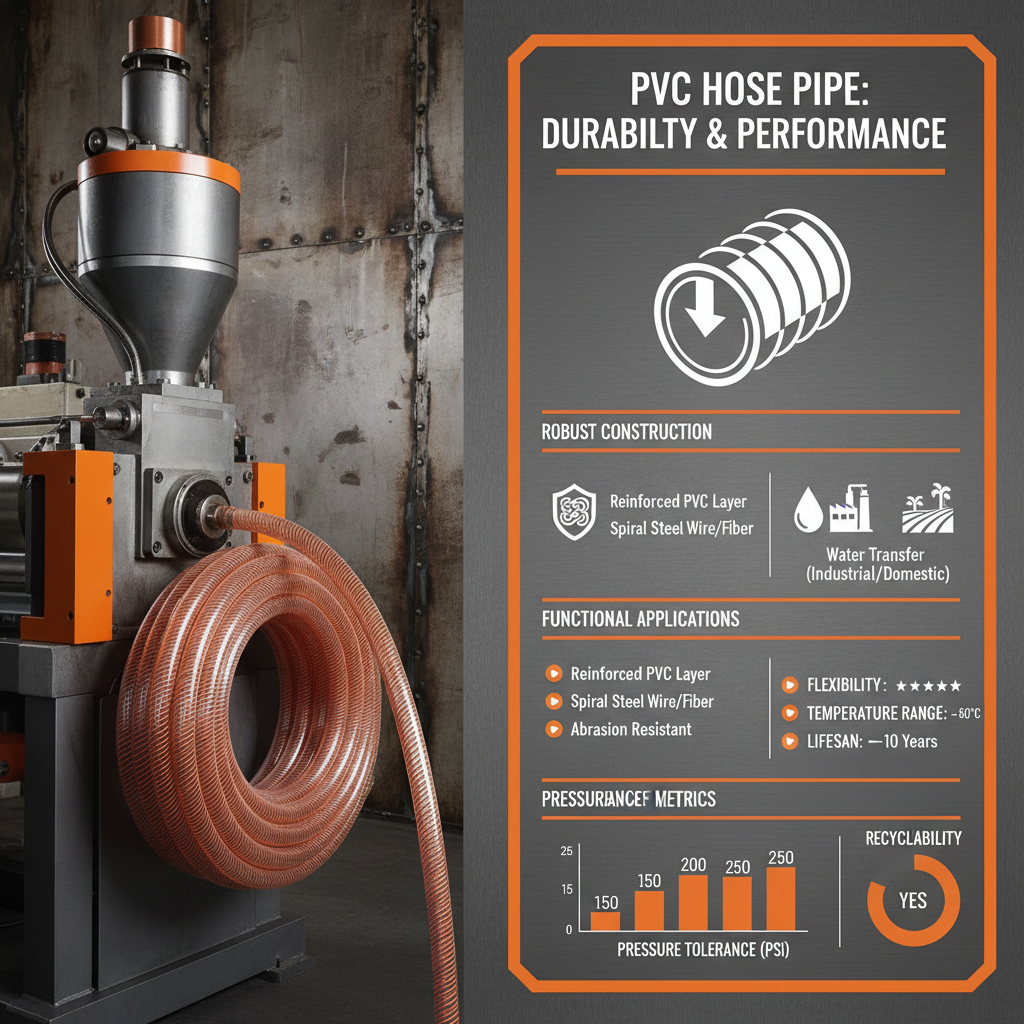
The widespread adoption of pvc hose pipe stems from its unique combination of cost-effectiveness, durability, and versatility. It's a key component in a vast array of sectors, impacting everything from agricultural yields to public health infrastructure. The demand continues to grow, particularly in developing nations striving for improved water management and sanitation systems.
The ability to manufacture pvc hose pipe in various sizes, thicknesses, and configurations makes it adaptable to a multitude of applications. This inherent flexibility, coupled with its resistance to corrosion and chemical degradation, ensures longevity and minimizes maintenance requirements, contributing to long-term cost savings.
PVC hose pipe offers several advantages over metal pipes, including lower cost, lighter weight, corrosion resistance, and ease of installation. Unlike metal pipes, PVC doesn't rust or corrode, resulting in a longer lifespan and reduced maintenance needs. Its flexibility also simplifies installation in complex configurations. These factors combine to make pvc hose pipe a more economical and practical solution for many applications.
Yes, specifically formulated pvc hose pipe intended for potable water systems is rigorously tested and certified to meet stringent safety standards. These pipes are manufactured using materials that are non-toxic and do not leach harmful chemicals into the water. Look for pipes labeled with certifications like NSF/ANSI 61, which verifies their suitability for drinking water applications.
PVC hose pipe has limitations regarding temperature tolerance. While it performs well in moderate temperatures, exposure to extreme heat or cold can affect its flexibility and structural integrity. High temperatures can cause softening, while low temperatures can lead to brittleness. It’s important to select a PVC formulation appropriate for the expected operating temperature range and avoid prolonged exposure to extreme conditions.
The lifespan of a pvc hose pipe installation can vary depending on factors such as usage, environmental conditions, and quality of installation. However, under normal conditions, a properly installed PVC pipe system can easily last 50 years or more. Its resistance to corrosion and degradation contributes to its long-term durability.
While traditionally challenging, PVC recycling is becoming increasingly feasible. Technological advancements have led to improved recycling processes that can recover PVC material from end-of-life pipes. However, the availability of recycling facilities varies by region. Look for PVC pipes made with recycled content and support initiatives promoting PVC recycling to minimize environmental impact.
A wide range of fittings are available for use with pvc hose pipe, including elbows, tees, couplings, adapters, and valves. These fittings are typically made from PVC or CPVC (chlorinated PVC) and are designed to create secure, leak-proof connections. The choice of fitting depends on the specific application and pipe size. Solvent welding is a common method for joining PVC pipes and fittings.
In conclusion, pvc hose pipe stands as a critical component in modern infrastructure, offering a compelling combination of durability, cost-effectiveness, and versatility. From delivering essential water resources to supporting industrial processes and aiding in emergency response, its applications are vast and impactful. Ongoing innovations in materials, manufacturing, and recycling technologies are poised to further enhance its sustainability and performance.
Looking ahead, continued investment in research and development, coupled with a commitment to responsible manufacturing practices, will be essential to address the challenges facing the pvc hose pipe industry. By embracing sustainable solutions and leveraging technological advancements, we can ensure that this vital material continues to play a crucial role in building a more resilient and sustainable future. Visit our website at www.kebinghose.com to learn more about our range of pvc hose pipe products and solutions.

 Afrikaans
 Albanian
 Arabic
 Azerbaijani
 Belarusian
 Bengali
 Bulgarian
 Czech
Czech
 Danish
 Dutch
Dutch
 Finnish
 French
 German
 Greek
Greek
 Hebrew
 Hindi
Hindi
 Hungarian
 Indonesian
 Irish
Irish
 Italian
 Japanese
 Kazakh
 Korean
 Kyrgyz
 Lao
Lao
 Latin
Latin
 Lithuanian
 Luxembourgish
 Malay
Malay
 Mongolian
 Myanmar
 Nepali
 Norwegian
 Persian
 Polish
 Portuguese
 Russian
 Serbian
 Slovak
 Spanish
 Swedish
 Tagalog
 Thai
Thai
 Turkish
 Ukrainian
 Uighur
 Uzbek
Uzbek
 Vietnamese
 Welsh
Welsh
 English