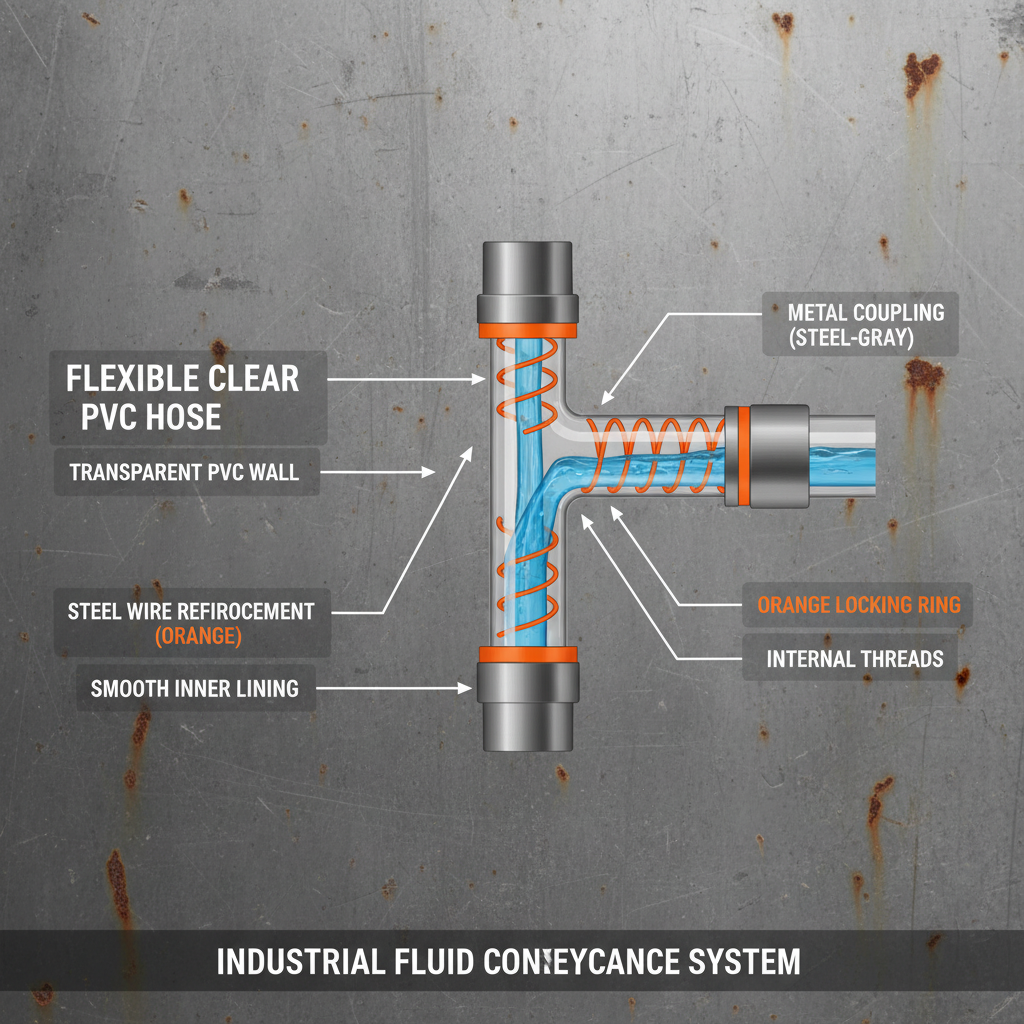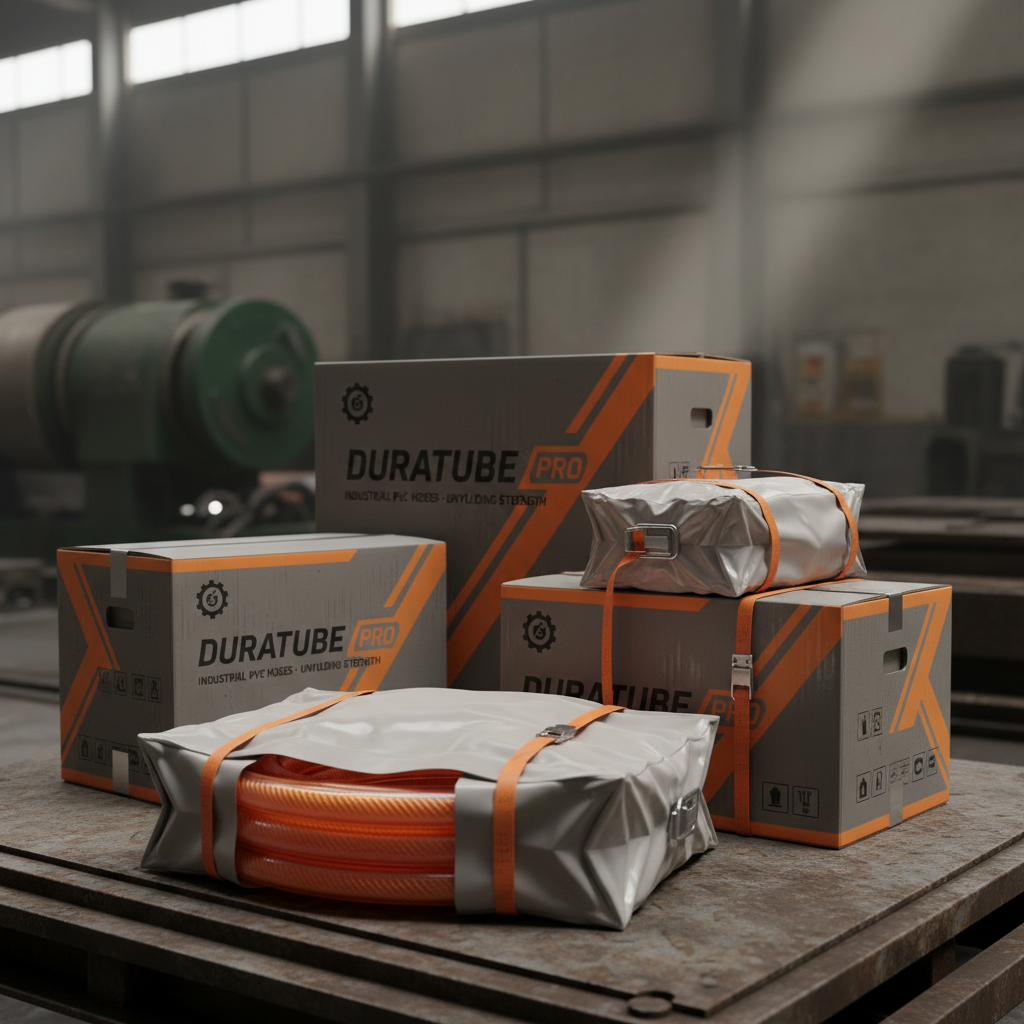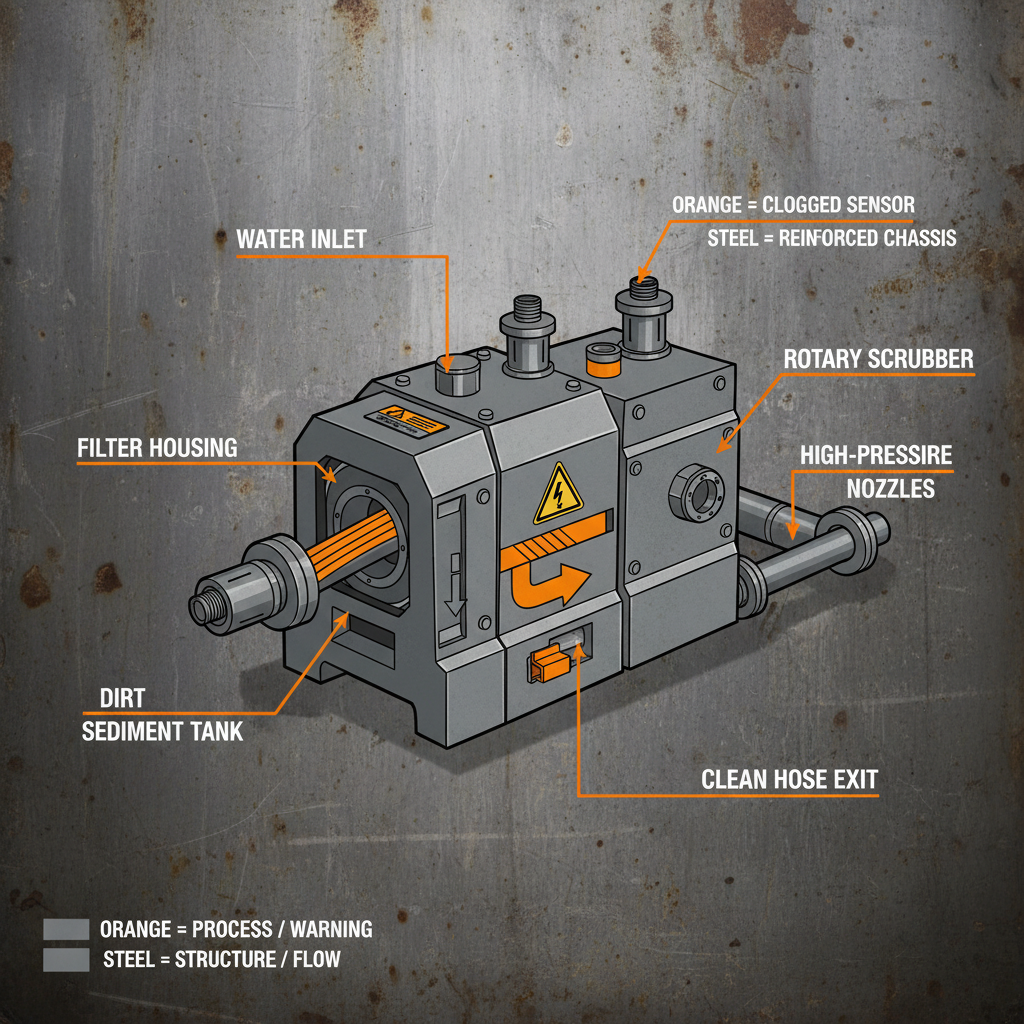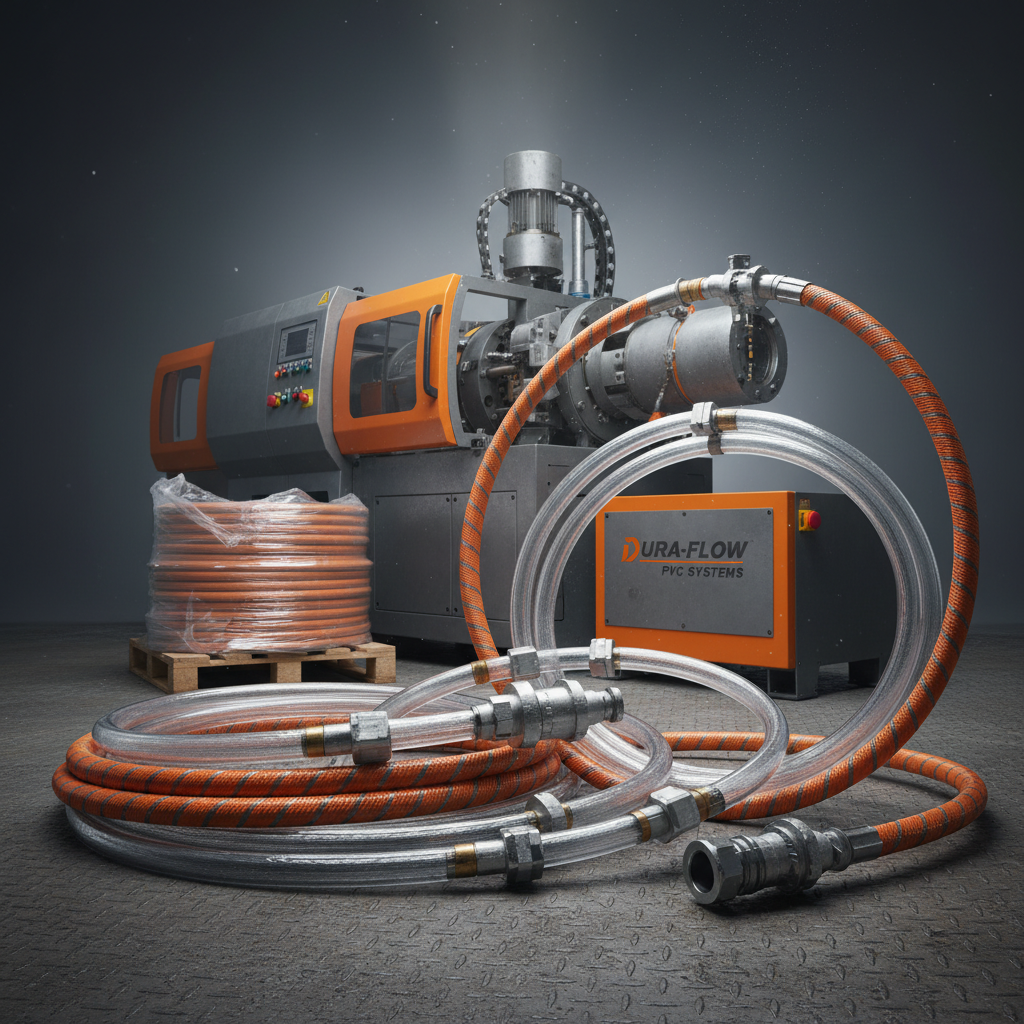
The world's demand for efficient and reliable fluid transfer solutions is constantly growing, and green pvc hose stands at the forefront of meeting this need. From agricultural irrigation to industrial applications and emergency response, this versatile material plays a critical role in countless processes. Understanding its properties, applications, and future potential is essential for professionals and individuals alike. Green pvc hose isn’t just a product; it’s a foundational element in modern infrastructure.
Globally, the production and consumption of PVC, and specifically green pvc hose, are substantial. According to the World Bank, demand for plastics, including PVC, is projected to continue increasing, driven by population growth and urbanization. However, there’s a growing emphasis on sustainable practices within the PVC industry. Addressing the environmental concerns related to traditional PVC production and disposal is a major challenge, pushing innovation toward more eco-friendly formulations and recycling methods for green pvc hose.
Green pvc hose provides a cost-effective, durable, and readily available solution for numerous fluid handling applications. Its resistance to corrosion, abrasion, and chemicals makes it superior to many alternative materials, reducing maintenance costs and extending lifespan. This makes it a vital component in diverse sectors, from water management and construction to manufacturing and even emergency disaster relief efforts, ensuring a consistent and reliable flow of necessary resources.
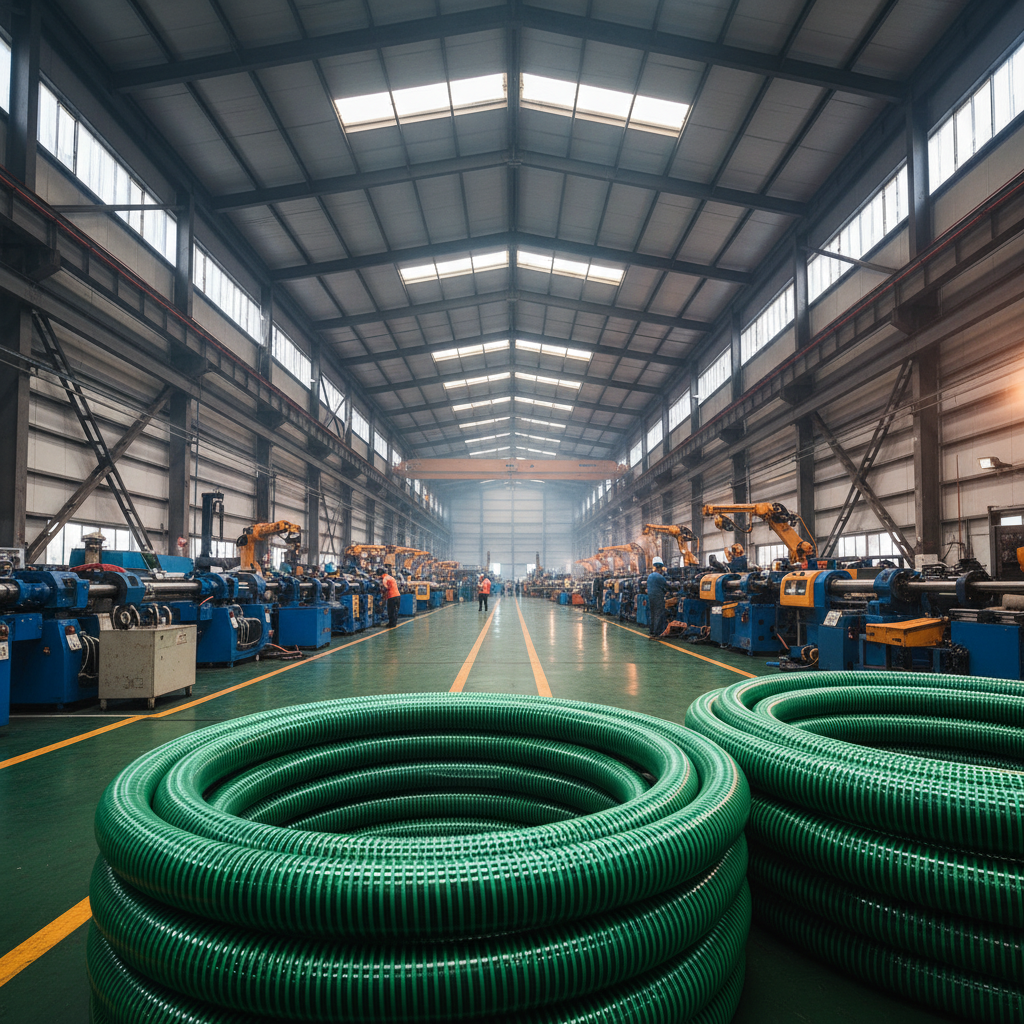
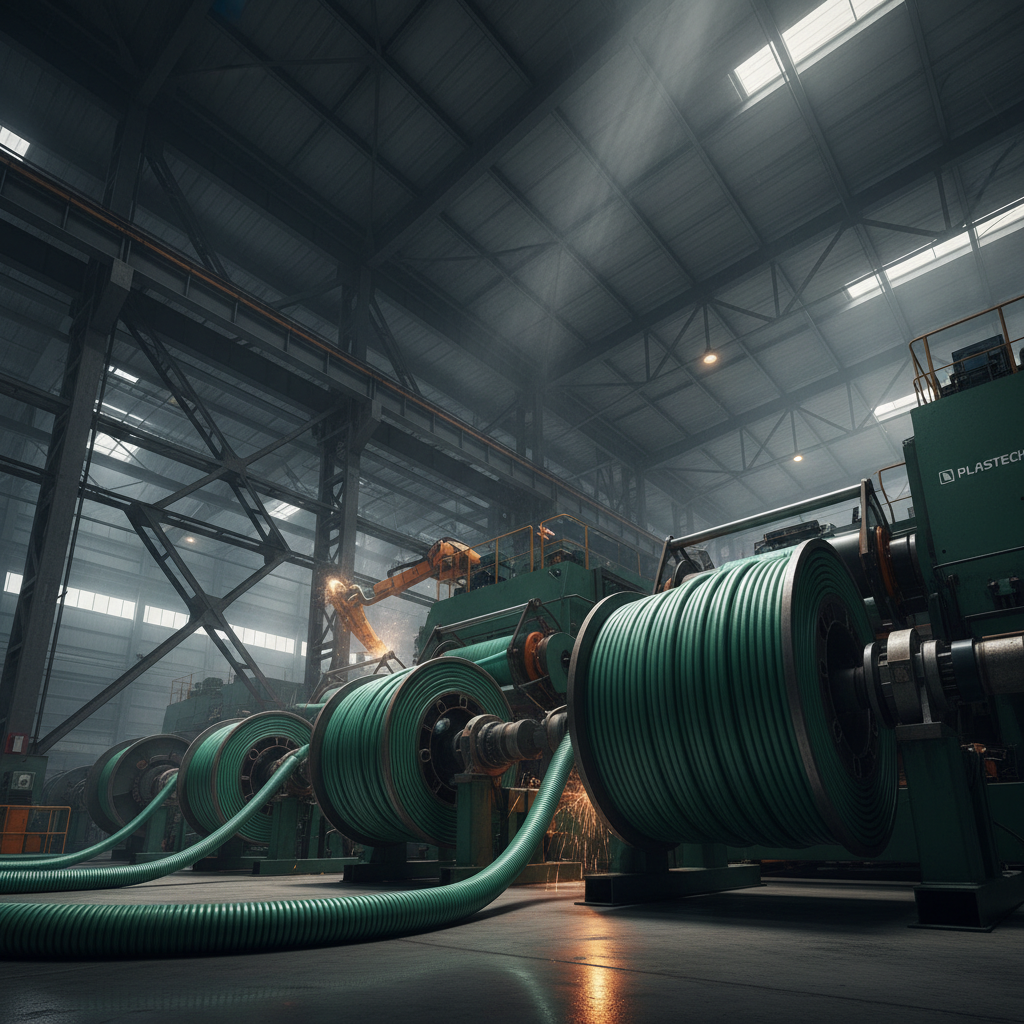
Green pvc hose isn't merely a conduit for liquids and gases; it’s a versatile engineering material tailored for a wide spectrum of applications. Its widespread adoption is rooted in its cost-effectiveness, durability, and relative ease of installation. From simple garden hoses to complex industrial pipelines, green pvc hose facilitates vital functions across countless sectors, making it a critical component of modern infrastructure.
The “green” aspect of green pvc hose increasingly signifies a commitment to sustainability, encompassing the use of eco-friendly additives, optimized manufacturing processes to reduce environmental impact, and a growing focus on recyclability. As environmental awareness rises, the demand for sustainable green pvc hose options will undoubtedly continue to grow, driving innovation and reshaping the industry landscape.
Traditional PVC production relies heavily on fossil fuels and can release harmful chemicals, including vinyl chloride monomer, during manufacturing. The use of phthalate plasticizers, which can leach out of the PVC over time, also poses health and environmental risks. Improper disposal of PVC waste contributes to landfill accumulation and potential soil and water contamination.
Bio-based PVC generally offers similar performance characteristics to conventional PVC, maintaining its durability, flexibility, and chemical resistance. However, it is currently more expensive to produce due to the higher cost of renewable feedstocks and the need for specialized manufacturing processes. As production scales up and technology improves, the cost is expected to become more competitive.
The lifespan of a green pvc hose depends on factors like usage intensity, exposure to UV radiation, and the type of fluids being transported. However, with proper care and maintenance, a high-quality green pvc hose can typically last between 5 to 15 years. Regular inspection and replacement when signs of wear are evident are essential for safe and reliable operation.
The best practice involves sending the green pvc hose to specialized PVC recycling facilities. These facilities can break down the material and reprocess it into new PVC products. If recycling isn’t readily available, proper disposal through designated waste management channels is crucial to prevent environmental contamination. Check with local regulations for specific guidelines.
Look for certifications like the GreenScreen Certified™ label or products that meet the requirements of REACH (Registration, Evaluation, Authorisation and Restriction of Chemicals) regulations. These certifications ensure that the green pvc hose has been evaluated for its environmental and health impacts and meets specific sustainability criteria.
The pressure rating indicates the maximum pressure the hose can safely withstand. Selecting a hose with an inadequate pressure rating can lead to bursts and failures. For high-pressure applications like industrial cleaning or hydraulic systems, a hose with a higher pressure rating is essential. For low-pressure applications like garden irrigation, a lower rating may suffice.
Green pvc hose represents a crucial component in numerous industries and applications, offering a cost-effective, durable, and versatile solution for fluid transfer. Recognizing the growing importance of sustainability, the industry is actively evolving toward more eco-friendly materials, manufacturing processes, and recycling initiatives. The future of green pvc hose hinges on continued innovation and a commitment to minimizing its environmental footprint.
Investing in sustainable green pvc hose and supporting responsible waste management practices are essential steps towards a more circular and environmentally conscious future. By embracing advancements in bio-based materials and recycling technologies, we can ensure that green pvc hose remains a vital and sustainable resource for generations to come. Visit our website at www.kebinghose.com to explore our range of high-quality green pvc hose solutions.

 Afrikaans
 Albanian
 Arabic
 Azerbaijani
 Belarusian
 Bengali
 Bulgarian
 Czech
Czech
 Danish
 Dutch
Dutch
 Finnish
 French
 German
 Greek
Greek
 Hebrew
 Hindi
Hindi
 Hungarian
 Indonesian
 Irish
Irish
 Italian
 Japanese
 Kazakh
 Korean
 Kyrgyz
 Lao
Lao
 Latin
Latin
 Lithuanian
 Luxembourgish
 Malay
Malay
 Mongolian
 Myanmar
 Nepali
 Norwegian
 Persian
 Polish
 Portuguese
 Russian
 Serbian
 Slovak
 Spanish
 Swedish
 Tagalog
 Thai
Thai
 Turkish
 Ukrainian
 Uighur
 Uzbek
Uzbek
 Vietnamese
 Welsh
Welsh
 English