PVC hose manufacturing plays a crucial role in modern infrastructure and industrial processes worldwide. As a pvc hose manufacturer, we understand the ever-increasing demand for reliable, durable, and cost-effective hose solutions. The global market for PVC hoses is substantial, driven by applications in agriculture, construction, firefighting, and various manufacturing sectors. Understanding the nuances of PVC hose production, quality control, and application is essential for professionals and consumers alike.
The significance of a skilled pvc hose manufacturer extends beyond simply providing a product; it’s about delivering solutions that ensure safety, efficiency, and longevity in diverse operational environments. With increasing environmental concerns, the focus is also shifting towards sustainable manufacturing practices and the development of eco-friendly PVC formulations. The ability to adapt to evolving industry standards and customer needs is paramount for success in this dynamic market.
Choosing the right PVC hose supplier is critical. Factors such as material quality, manufacturing expertise, customization options, and adherence to international standards all contribute to the overall performance and reliability of the final product. The demand for specialized PVC hoses, tailored to specific applications, continues to grow, highlighting the importance of collaboration between manufacturers and end-users.
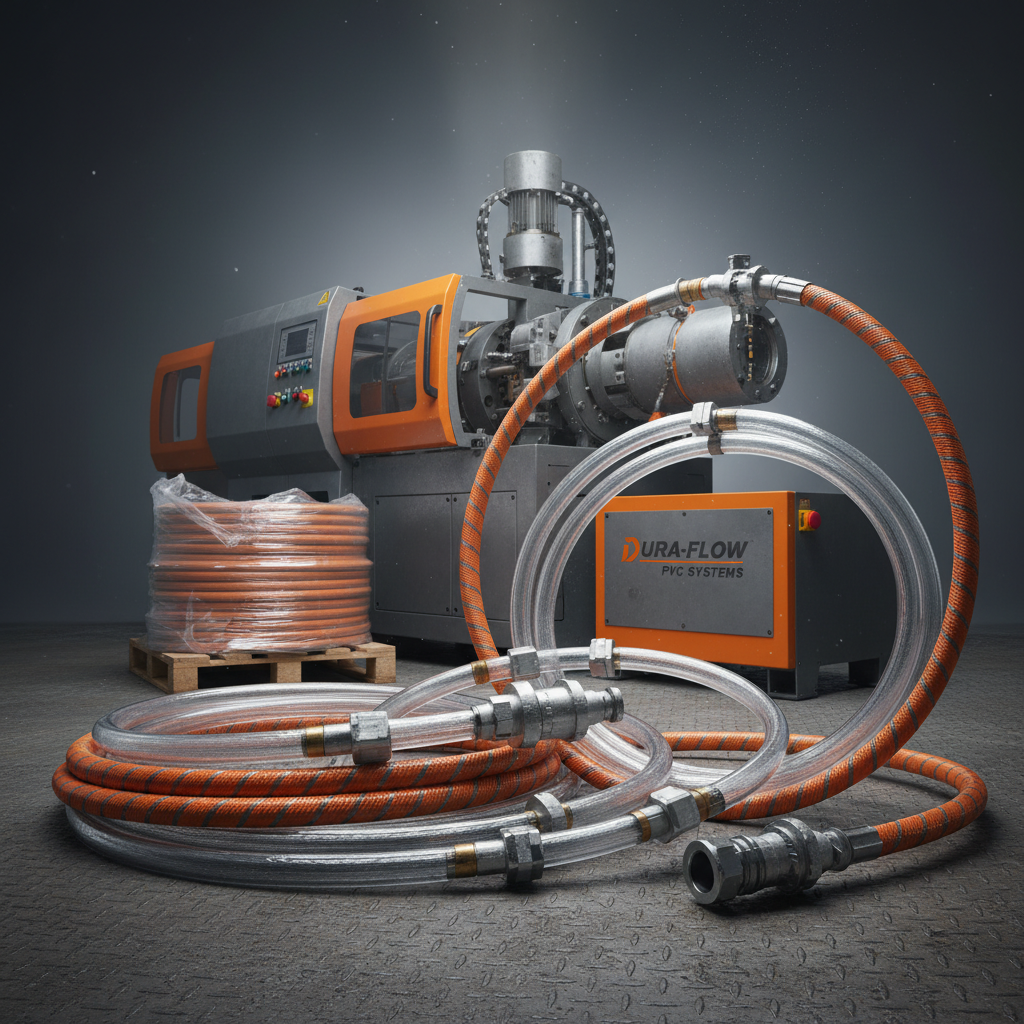
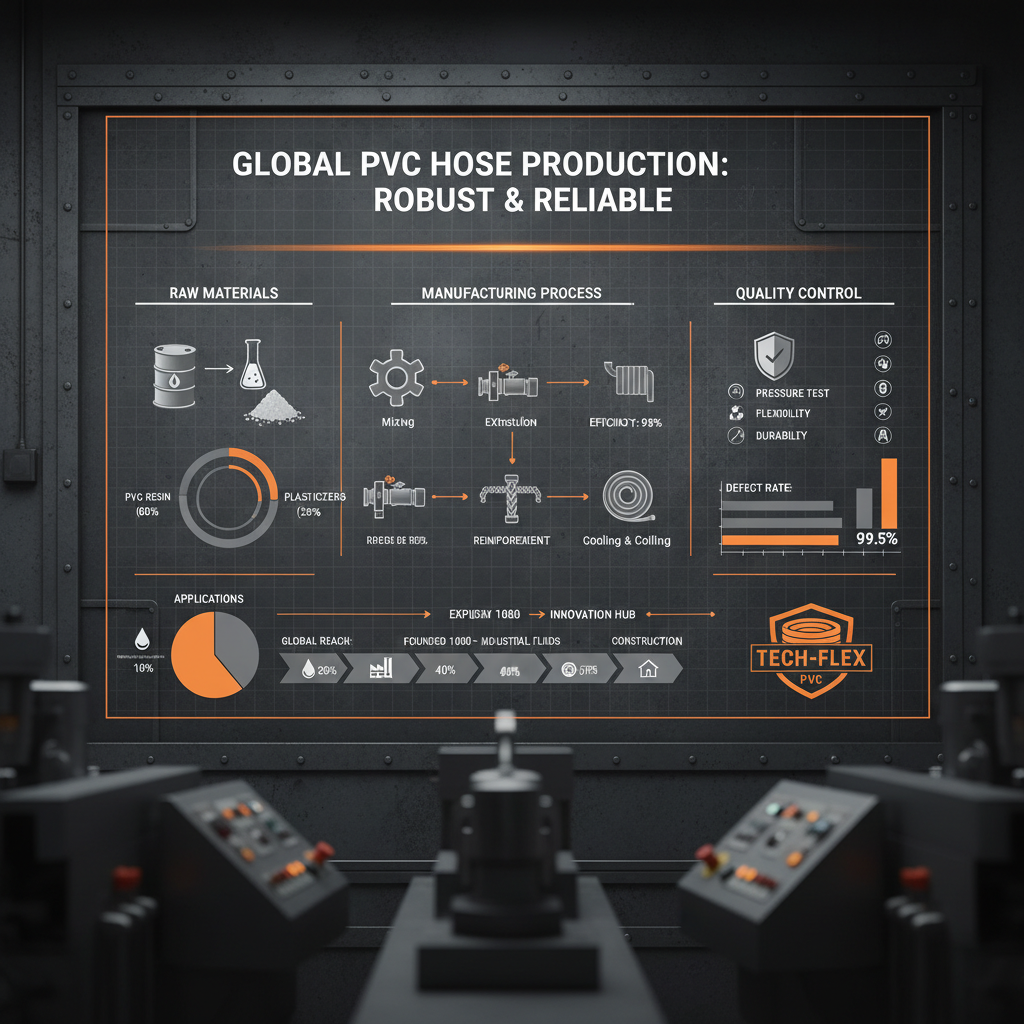
The demand for PVC hoses is globally significant, impacting industries ranging from agriculture and construction to emergency services and manufacturing. According to market research, the global PVC hose market is projected to reach several billion dollars in the coming years, driven by infrastructure development in emerging economies and the need for reliable fluid transfer solutions. A proficient pvc hose manufacturer is instrumental in supporting this growth.
PVC hoses are indispensable in various critical applications, including irrigation systems, fire suppression, industrial fluid transfer, and chemical handling. The versatility, durability, and cost-effectiveness of PVC make it a preferred material for these applications. Ensuring the quality and reliability of these hoses is crucial for operational safety and efficiency, making the role of a competent manufacturer paramount.
The service life of a PVC hose is influenced by several factors, including the quality of the PVC compound, the type of reinforcement used, the operating pressure and temperature, exposure to UV radiation and chemicals, and proper storage and handling. Regular inspection and maintenance can also extend the hose's lifespan. Choosing a reputable pvc hose manufacturer who adheres to quality standards is crucial.
Look for hoses that meet relevant industry standards (e.g., ISO, ASTM). Check for consistent wall thickness, smooth surfaces, and secure fittings. A high-quality hose will also exhibit good flexibility, resistance to kinking, and minimal odor. The pvc hose manufacturer should provide documentation verifying the hose’s performance characteristics.
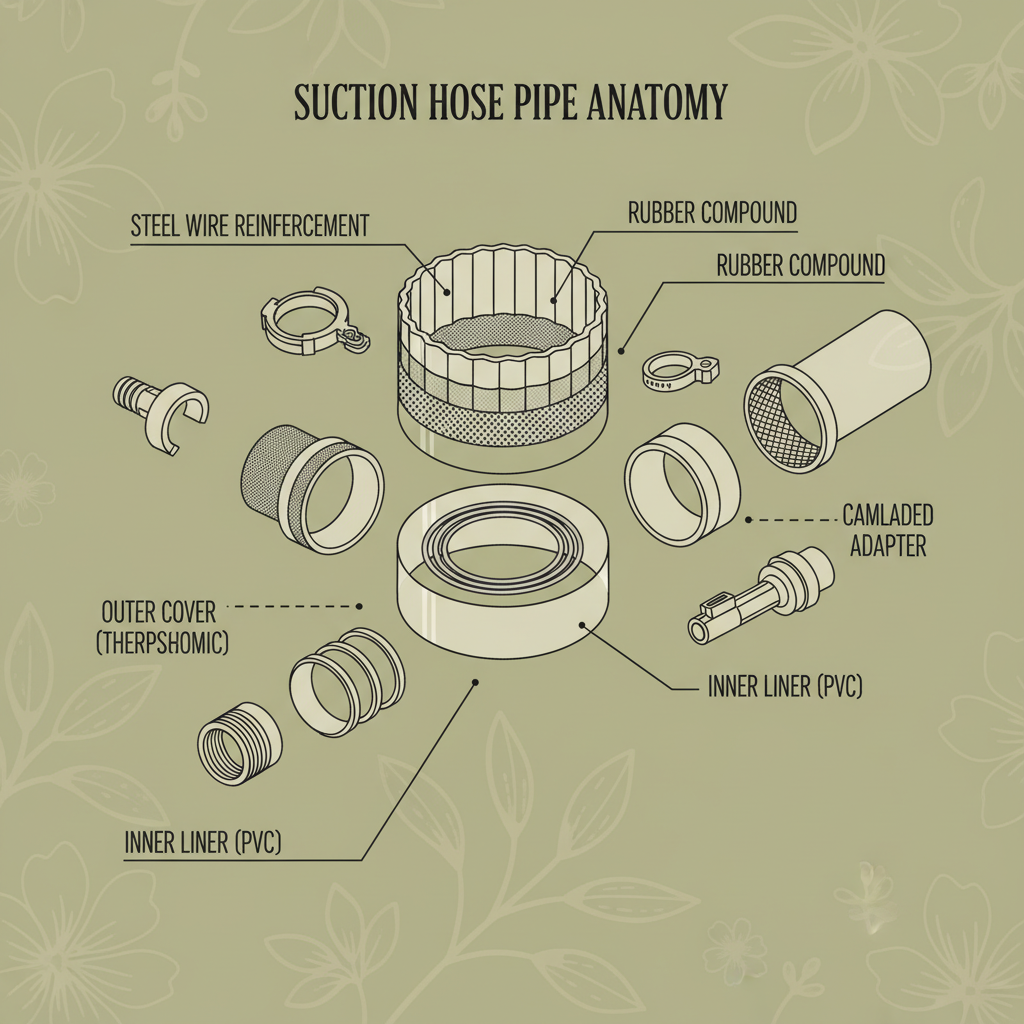
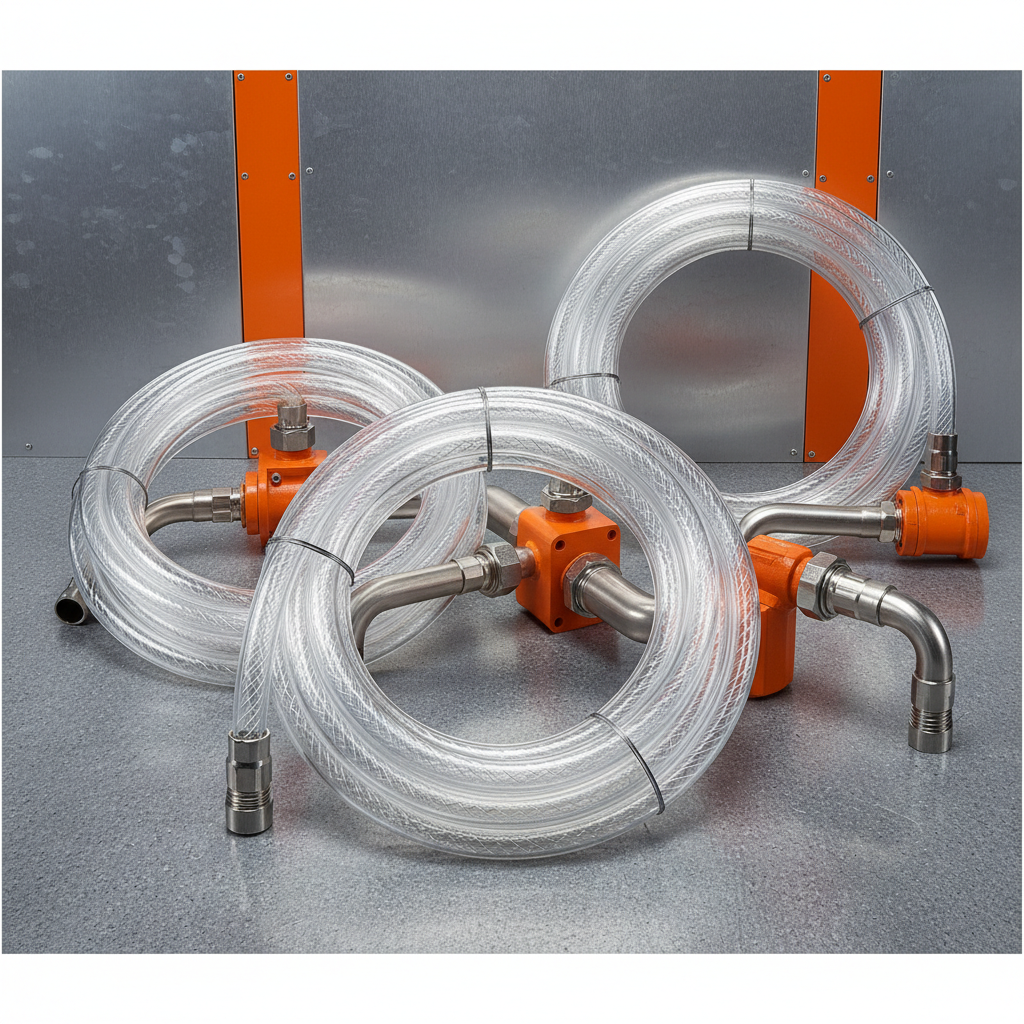
Common reinforcements include textile braiding (typically polyester or nylon) and spiral wire (steel or stainless steel). Textile braiding provides increased flexibility and resistance to kinking, while spiral wire offers higher pressure resistance. The choice of reinforcement depends on the intended application of the hose.
PVC hoses have a limited temperature range. Excessive heat can cause the PVC to soften and lose its strength, while cold temperatures can make the hose brittle and prone to cracking. It's crucial to select a hose that is rated for the expected operating temperature. A good pvc hose manufacturer provides clear temperature specifications.
PVC hoses are generally more cost-effective, lighter in weight, and more resistant to chemicals and abrasion than rubber hoses. They also require less maintenance. However, rubber hoses typically offer greater flexibility and resistance to extreme temperatures. The optimal choice depends on the specific application requirements.
Recycling PVC hoses can be challenging, but advancements are being made in PVC recycling technologies. Proper disposal and participation in recycling programs are crucial. Increasingly, pvc hose manufacturers are focusing on using more sustainable PVC formulations and minimizing waste throughout the manufacturing process.
In conclusion, the role of a pvc hose manufacturer is pivotal in supplying essential components for a multitude of industries and applications. Understanding the core components, performance indicators, and future trends related to PVC hose manufacturing is crucial for ensuring safety, efficiency, and sustainability. From agricultural irrigation to industrial fluid transfer, PVC hoses provide reliable and cost-effective solutions for a wide range of fluid handling needs.
Looking ahead, continued innovation in materials, manufacturing processes, and digital technologies will drive further advancements in the PVC hose industry. Prioritizing sustainability, quality control, and customer collaboration will be key to success in this evolving market. We encourage you to explore our website at www.kebinghose.com to learn more about our comprehensive range of PVC hose solutions.

 Afrikaans
 Albanian
 Arabic
 Azerbaijani
 Belarusian
 Bengali
 Bulgarian
 Czech
Czech
 Danish
 Dutch
Dutch
 Finnish
 French
 German
 Greek
Greek
 Hebrew
 Hindi
Hindi
 Hungarian
 Indonesian
 Irish
Irish
 Italian
 Japanese
 Kazakh
 Korean
 Kyrgyz
 Lao
Lao
 Latin
Latin
 Lithuanian
 Luxembourgish
 Malay
Malay
 Mongolian
 Myanmar
 Nepali
 Norwegian
 Persian
 Polish
 Portuguese
 Russian
 Serbian
 Slovak
 Spanish
 Swedish
 Tagalog
 Thai
Thai
 Turkish
 Ukrainian
 Uighur
 Uzbek
Uzbek
 Vietnamese
 Welsh
Welsh
 English