0%

Table of Contents

Understanding the differences between air hose rubber vs pvc is crucial for industries ranging from construction and manufacturing to automotive and even emergency services. Choosing the right material directly impacts safety, efficiency, and long-term cost-effectiveness. A robust air hose is the lifeline of many pneumatic tools and systems, and the material it’s made from dictates its performance under pressure, in various temperatures, and against abrasive conditions.

The global demand for air hoses is consistently high, driven by ongoing industrialization and infrastructure development, particularly in emerging economies. According to industry reports, the pneumatic tool market is projected to grow significantly in the coming years, directly increasing the need for reliable and durable air hoses. However, this demand presents a challenge: balancing performance with cost and environmental impact, leading to an increased focus on comparing air hose rubber vs pvc.

This analysis of air hose rubber vs pvc aims to provide a comprehensive understanding of their properties, applications, advantages, and disadvantages, empowering informed decision-making for professionals and consumers alike. Properly assessing these factors ensures optimal performance, longevity, and ultimately, cost savings in any application requiring compressed air delivery.
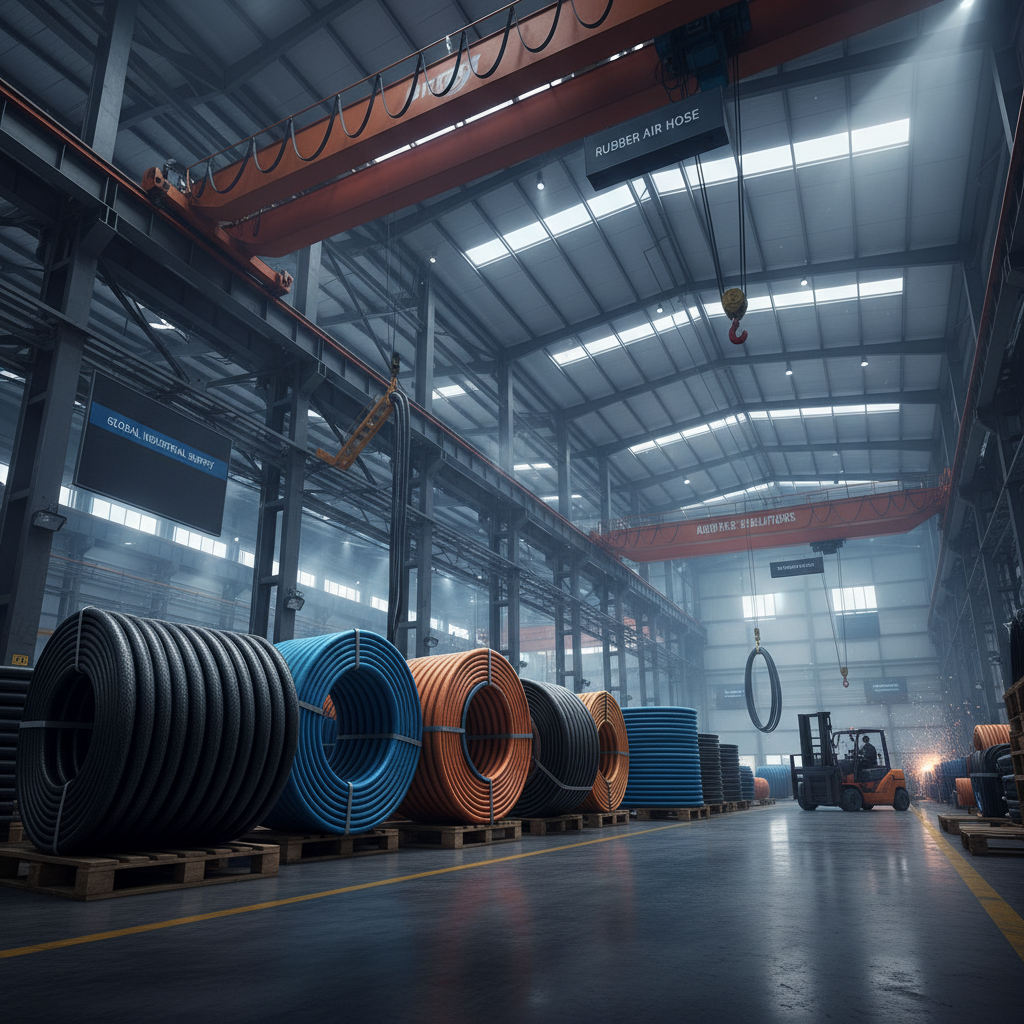
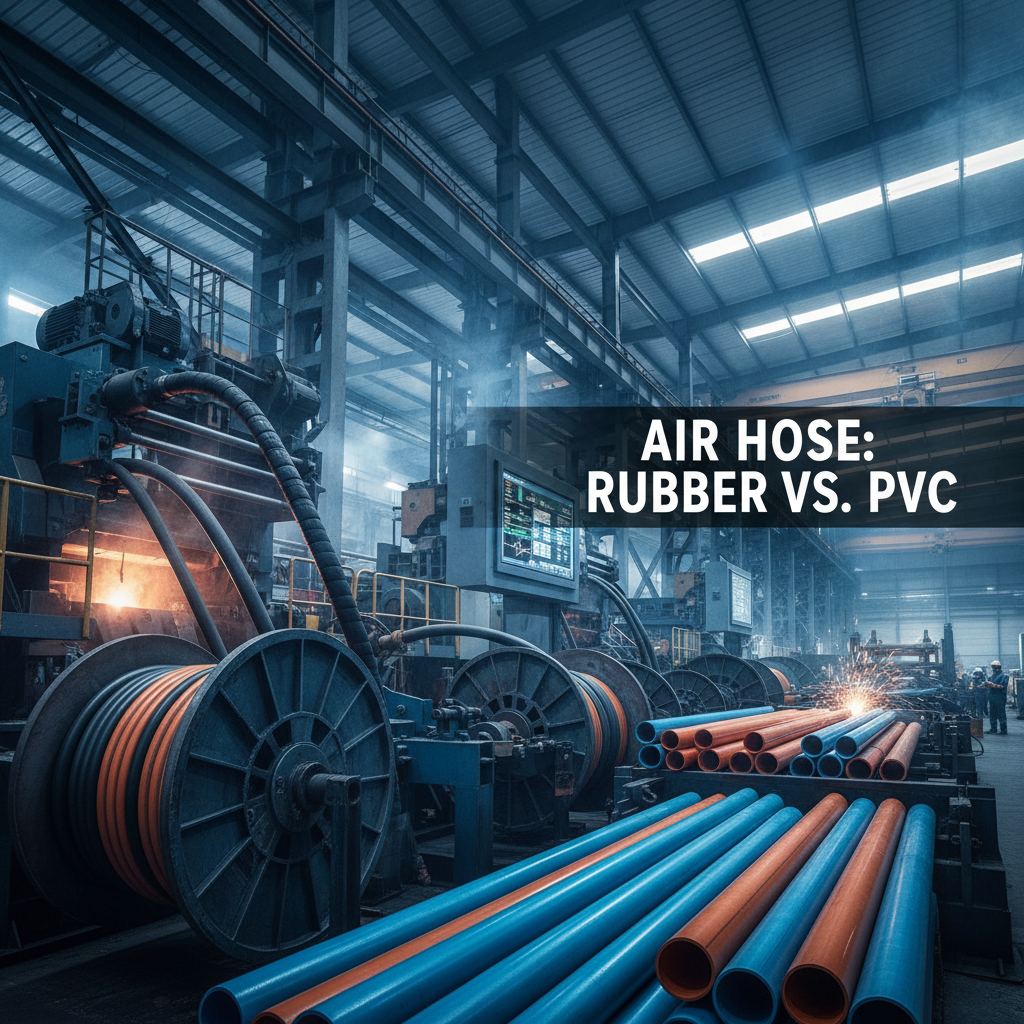
Understanding Air Hose Rubber vs PVC for Optimal Performance and Safety

Introduction to air hose rubber vs pvc

Understanding Air Hose Rubber vs PVC for Optimal Performance and Safety

The selection between air hose rubber vs pvc hinges on a multitude of factors, primarily dictated by the intended application. Rubber hoses, traditionally made from natural or synthetic rubber, offer superior flexibility, abrasion resistance, and performance in extreme temperatures. They are often the preferred choice for heavy-duty applications requiring reliable performance under stress.

Conversely, PVC (polyvinyl chloride) hoses are known for their affordability, lightweight nature, and resistance to oils and chemicals. While generally less durable and flexible than rubber hoses, PVC presents a cost-effective solution for lighter-duty tasks and environments where oil resistance is paramount. Understanding these fundamental differences is the first step in making an informed selection.

Defining Rubber and PVC Air Hoses

Rubber air hoses are constructed from elastomeric materials, either natural rubber derived from the Hevea brasiliensis tree or synthetic rubber formulations like nitrile, neoprene, or EPDM. These materials impart exceptional flexibility, allowing the hose to bend and maneuver easily without kinking. They also provide resilience against abrasion, impact, and a wide range of temperatures, making them suitable for demanding environments.

PVC air hoses, on the other hand, are manufactured from a thermoplastic polymer. PVC is a rigid material that requires plasticizers to enhance its flexibility. These hoses are commonly reinforced with textile or wire braiding to increase their burst pressure and prevent expansion under pressure. PVC’s inherent resistance to oils, chemicals, and weathering makes it a practical option for specific applications.

The connection to modern industry is significant. Manufacturing, construction, automotive repair, and even emergency response teams rely heavily on air hoses for powering pneumatic tools, inflating tires, and performing various operational tasks. The reliability of these hoses directly impacts productivity, safety, and the overall efficiency of these operations.

Core Properties: A Detailed Comparison

Key differences between air hose rubber vs pvc lie in their core properties. Rubber exhibits superior elasticity and flexibility, meaning it can stretch and return to its original shape repeatedly without deformation. This property is crucial for maintaining consistent airflow and preventing kinks. It also demonstrates excellent abrasion resistance, vital in environments with rough surfaces or frequent movement.

PVC, while less flexible, offers distinct advantages in chemical resistance. It's largely unaffected by oils, acids, and many common industrial chemicals, making it ideal for applications where exposure to these substances is likely. PVC is also generally more affordable to produce than rubber, contributing to its widespread use in cost-sensitive applications. However, PVC's rigidity can make it more prone to cracking in extremely cold temperatures.

Temperature resistance is another critical differentiating factor. Rubber hoses, especially those made from specialized synthetic rubbers like EPDM, can withstand a broader temperature range than PVC. PVC becomes brittle at low temperatures and can soften or deform at high temperatures, limiting its use in extreme environments.

Performance Metrics: air hose rubber vs pvc

Evaluating performance requires considering several metrics. Burst pressure, indicating the hose’s ability to withstand maximum internal pressure, is a critical safety factor. Generally, reinforced rubber hoses exhibit higher burst pressures than standard PVC hoses. Working pressure, the safe operating pressure for continuous use, is equally important and should always be adhered to.

Flexibility, measured by the hose's bending radius, impacts ease of use and maneuverability. Rubber hoses consistently outperform PVC in this area, allowing for tighter bends and reducing the risk of kinking. Abrasion resistance, often tested using standardized methods, dictates the hose's longevity in abrasive environments.

air hose rubber vs pvc Performance Comparison


Real-World Applications and Industries

Rubber air hoses are commonly found in demanding applications such as construction sites, automotive repair shops, and industrial manufacturing facilities. Their durability and flexibility make them ideal for powering pneumatic tools like jackhammers, impact wrenches, and spray guns. They are also crucial in heavy-duty applications like mining and quarrying.

PVC air hoses are frequently used in applications where oil resistance is essential, such as food processing plants and chemical handling facilities. They are also a cost-effective solution for general-purpose air tool operation in workshops and garages. In post-disaster relief operations, lightweight PVC hoses are often deployed for inflating emergency shelters and powering small pneumatic equipment.

Advantages and Long-Term Value

The long-term value of selecting the appropriate air hose material extends beyond initial cost. Rubber hoses, despite their higher upfront price, often offer a longer service life due to their superior durability and resistance to wear and tear. This reduces the frequency of replacements, leading to lower overall maintenance costs. The inherent safety advantages of a reliable, high-pressure hose are also invaluable.

PVC hoses provide a significant cost advantage, making them accessible for smaller operations and budget-conscious consumers. Their chemical resistance contributes to workplace safety by preventing degradation from exposure to harmful substances. The lighter weight of PVC hoses also simplifies handling and transportation, increasing efficiency on the job site.

Future Trends and Material Innovations

Emerging trends in air hose technology focus on sustainability and enhanced performance. Research is underway to develop bio-based rubber compounds that reduce reliance on fossil fuels and minimize environmental impact. The integration of smart sensors into air hoses is another promising development, allowing for real-time monitoring of pressure, temperature, and wear.

Advancements in PVC formulations are also addressing some of the material’s limitations. New plasticizers are being developed to improve flexibility at low temperatures and enhance overall durability. Furthermore, the adoption of automated manufacturing processes is driving down the cost of high-quality PVC hoses, making them increasingly competitive with rubber alternatives.

Digital transformation plays a role, with predictive maintenance solutions leveraging data from smart hoses to schedule replacements proactively, minimizing downtime and maximizing efficiency.

Challenges and Solutions

A common challenge with rubber hoses is their susceptibility to degradation from exposure to ozone and UV radiation. This can be mitigated by using specialized rubber compounds with UV inhibitors and storing hoses in a shaded environment when not in use. Another challenge is the potential for rubber to absorb oils and chemicals, requiring regular cleaning or replacement in contaminated environments.

PVC hoses, while resistant to many chemicals, can become brittle and crack over time, particularly in cold climates. This can be addressed by selecting PVC formulations specifically designed for low-temperature applications and implementing preventative maintenance programs. Furthermore, the environmental impact of PVC production and disposal remains a concern, driving the need for more sustainable alternatives.

Innovative solutions include developing closed-loop recycling systems for PVC and exploring alternative thermoplastic elastomers (TPEs) that offer comparable performance with a reduced environmental footprint.

Comparison of air hose rubber vs pvc Properties

Material Type Flexibility Score (1-10) Chemical Resistance Score (1-10) Cost (Relative)
Natural Rubber 9 6 High
Nitrile Rubber 8 8 Medium-High
EPDM Rubber 7 9 Medium
Standard PVC 4 9 Low
Reinforced PVC 5 9 Low-Medium
Phthalate-Free PVC 5 8 Medium

FAQS

What is the primary difference between rubber and PVC in terms of flexibility?

Rubber hoses, particularly those made from natural or synthetic rubber, are significantly more flexible than PVC hoses. This is due to the inherent elasticity of the rubber material, allowing it to bend and maneuver more easily without kinking. While PVC can be made flexible with plasticizers, it doesn't achieve the same level of suppleness as rubber, making it less ideal for applications requiring tight bends or frequent movement.

Which material is better for use with oils and chemicals?

PVC generally exhibits superior resistance to oils and a wider range of chemicals compared to standard rubber. The inherent properties of PVC prevent it from being readily degraded or dissolved by these substances. However, specialized rubber compounds like nitrile rubber offer good oil resistance and may be preferred in specific applications where flexibility is crucial alongside chemical compatibility.

Is rubber or PVC more environmentally friendly?

This is a complex question. PVC production can have negative environmental impacts due to the use of chlorine and plasticizers. However, rubber production, especially natural rubber, can contribute to deforestation. The most sustainable option depends on sourcing practices and end-of-life management. Emerging bio-based rubber alternatives are gaining traction as a more eco-friendly choice.

How does temperature affect the performance of air hose rubber vs pvc?

Rubber hoses generally perform better across a broader temperature range. They remain flexible in cold temperatures and can withstand higher temperatures without significant degradation. PVC becomes brittle in cold weather and can soften or deform at elevated temperatures, limiting its use in extreme environments. The specific temperature limits vary depending on the rubber or PVC compound.

What are the main applications where rubber hoses excel?

Rubber hoses excel in demanding applications requiring high flexibility, abrasion resistance, and temperature stability. They're commonly used in construction, automotive repair, industrial manufacturing, mining, and emergency services for powering pneumatic tools, inflating tires, and transferring compressed air in harsh conditions.

When is a PVC air hose the better choice?

A PVC air hose is an excellent choice when oil resistance is paramount, and the application doesn't demand extreme flexibility or temperature resistance. They're frequently used in food processing, chemical handling, and general-purpose air tool operation in workshops. Their lower cost makes them suitable for budget-conscious applications.

Conclusion

In conclusion, the choice between air hose rubber vs pvc is not a one-size-fits-all decision. Rubber hoses offer superior flexibility, durability, and temperature resistance, making them ideal for demanding applications, while PVC hoses provide a cost-effective and chemically resistant solution for lighter-duty tasks. Understanding the specific requirements of your application—pressure, temperature, chemical exposure, and flexibility—is paramount to selecting the optimal material.

Looking ahead, the development of sustainable materials and innovative manufacturing processes will further refine the options available. Exploring bio-based rubber compounds, advanced PVC formulations, and smart hose technologies will lead to improved performance, reduced environmental impact, and enhanced safety in the future. For expert advice and a wide range of high-quality air hoses, visit our website: www.kebinghose.com

Robert Carter

Robert Carter

Robert Carter is Kebing’s Customer Service Manager. He leads a team dedicated to providing expert advice and resolving customer inquiries. Robert has a strong background in technical support and a proven ability to quickly diagnose and address customer challenges. He’s committed to ensuring complete customer satisfaction and consistently goes above
Previous Essential Guide to Connecting PVC Pipe to Garden Hose for Efficient Water Solutions
Next Find High Quality Oxygen and Acetylene Hoses for Sale for Industrial Use
INQUIRE
en_USEnglish