Honestly, the whole PVC garden hose supplier scene has been… hectic. It's not just about plastic tubes anymore, you know? Everyone’s chasing “lightweight,” “durable,” and now, strangely, “eco-friendly.” Like they expect a PVC hose to hug a tree. But seriously, demand’s up globally, especially in landscaping and, surprisingly, temporary irrigation for construction. The UN's been pushing for more sustainable water management in developing nations, which, of course, translates to more hose orders. It's a small world, really.
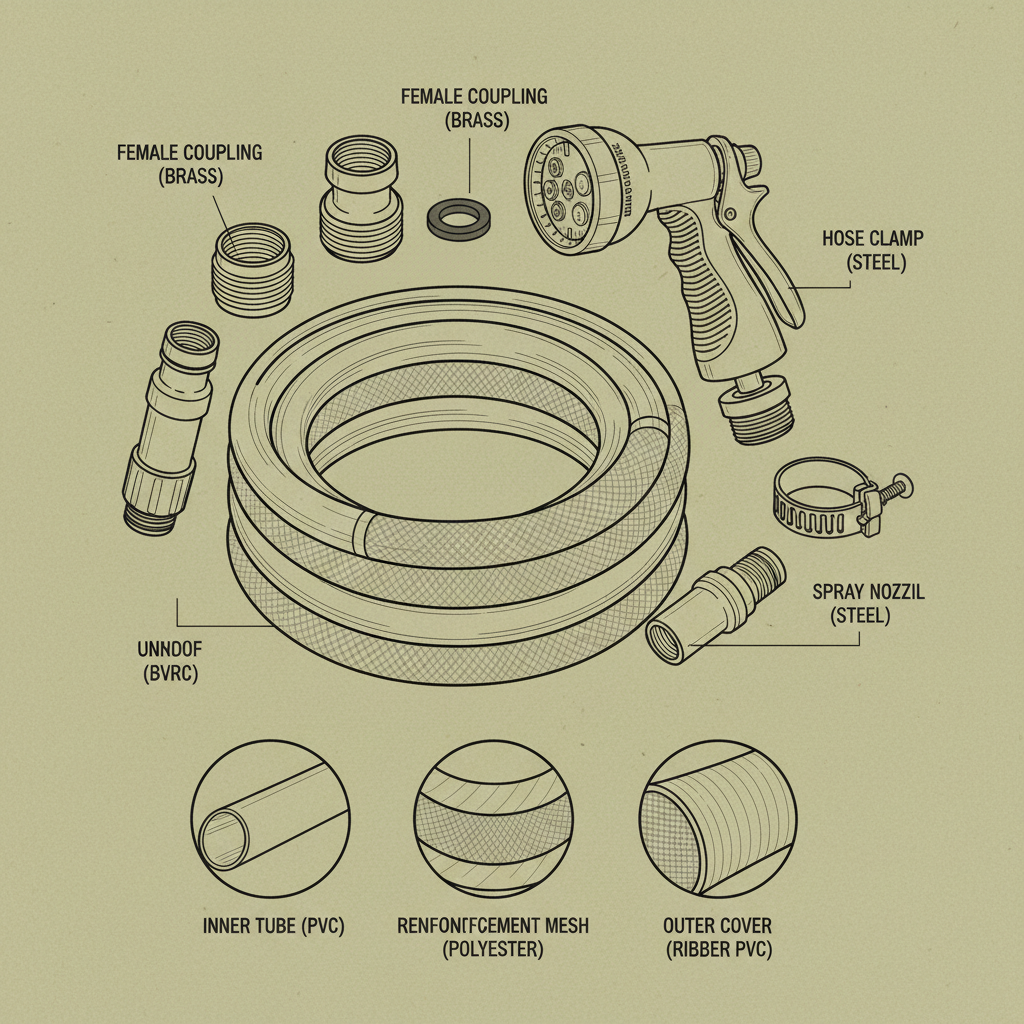
The thing is, everyone thinks they know hoses. But there’s a massive gap between what the spec sheet says and what actually happens on a muddy construction site. I was at a factory in Ningbo last month, and they were so proud of their "high burst pressure" hose. But the coupling? Cheap plastic. First sign of a stress point. Burst pressure doesn’t mean squat if the connection pops. It's the little things, always.
And it's not just about failing under pressure. Have you noticed how many folks are now focusing on UV resistance? They forget that the hose is often just lying in the sun, getting baked, and the plastic gets brittle. It’s a simple thing, the UV stabilizers, but so often overlooked. Costs a few cents more per meter, but saves a whole lot of hassle later.
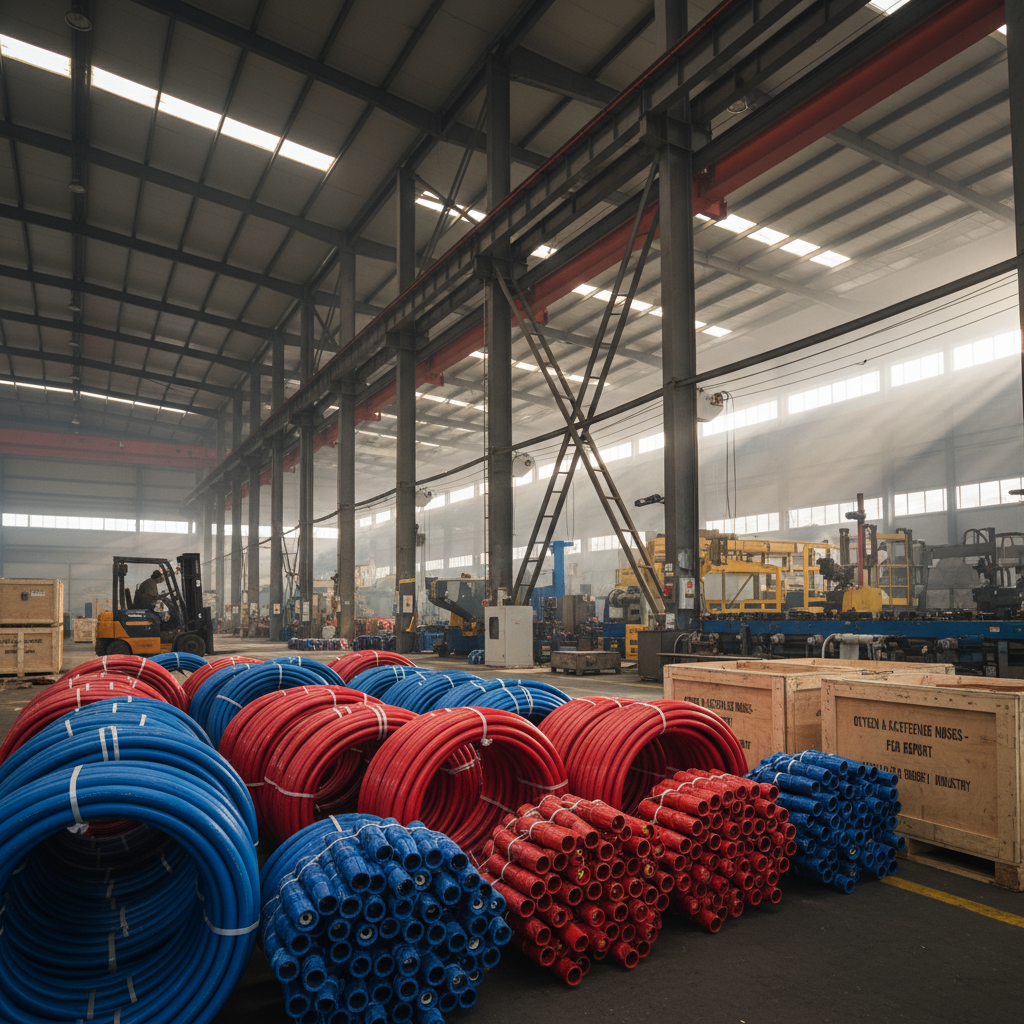
Look, China dominates, no surprise there. But Vietnam’s been steadily climbing, and they’re starting to focus on quality, not just price. India is too, but… well, consistency is an issue. I’ve seen hoses from India that are fantastic, and others that fall apart just looking at them. It’s a gamble. Europe? They specialize in the higher-end, reinforced stuff. Expensive, but worth it for industrial applications.
The biggest trend right now is the push for “phthalate-free” PVC. Turns out, those plasticizers aren't so great for the environment, or for people. It’s driving up costs, naturally, but it’s a good thing. It’s a sign of the industry maturing, finally. I’ve also noticed a lot of talk about “lead-free” fittings. Another good move, but it adds complexity to the manufacturing process.
That depends a lot on use and storage, but generally, a standard PVC hose will last 2-5 years with regular use. Reinforced hoses can last 5-10 years. UV exposure and harsh weather will shorten the lifespan considerably. Proper storage – draining and coiling neatly – is key. Don’t leave it baking in the sun all summer.
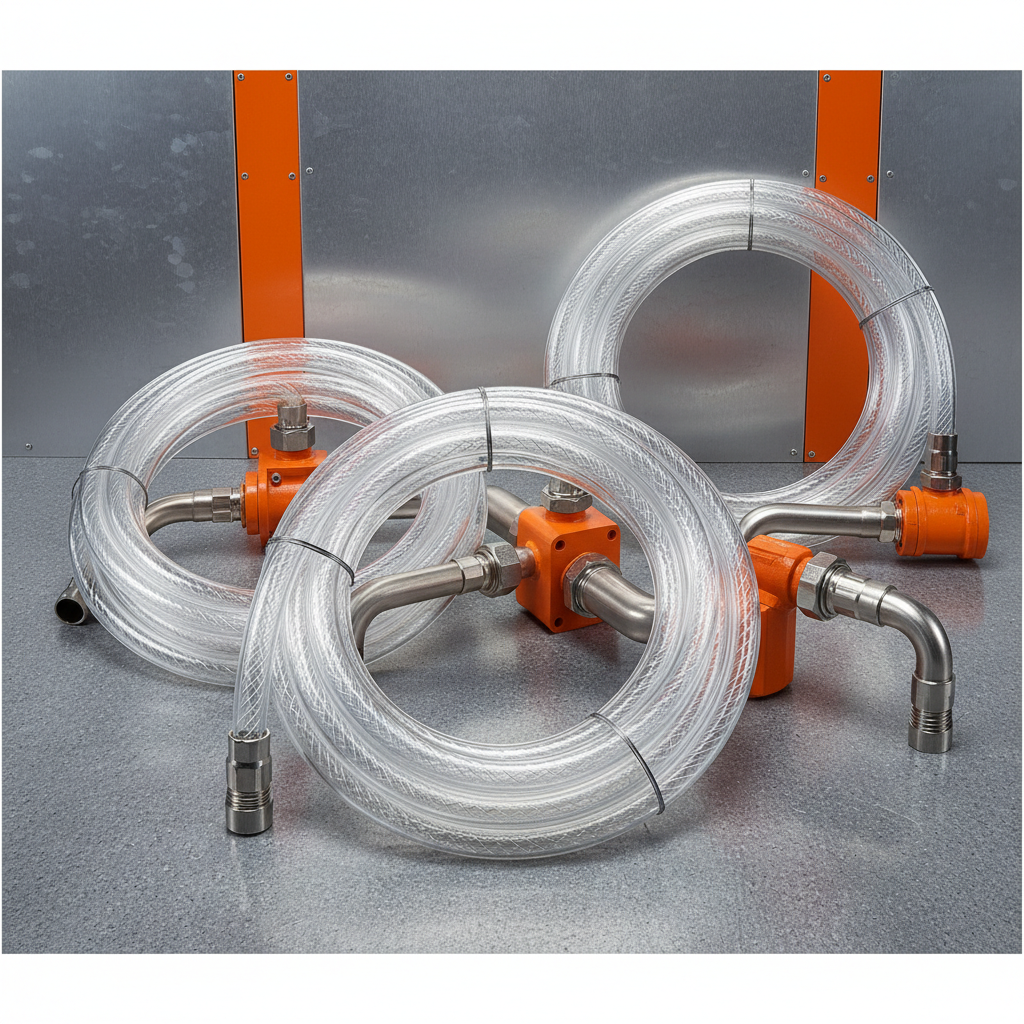
Definitely go with a reinforced hose. Braided polyester is a good choice. Look for a higher burst pressure rating, and check the coupling quality. Brass couplings are more durable than plastic. Also, consider a hose with a thicker wall – it'll be more resistant to abrasion and punctures. To be honest, spend a bit more upfront, it’ll save you headaches later.
If you're concerned about environmental impact or potential health risks, absolutely. Phthalates are being phased out for good reason. The downside is that phthalate-free PVC can be slightly less flexible and a bit more expensive. But the benefits outweigh the drawbacks, in my opinion. It’s a move in the right direction.
Choose a hose with a braided reinforcement layer – that helps significantly. Avoid sharp bends when coiling and using the hose. Also, don't leave the hose lying in direct sunlight, as the plastic can become brittle and more prone to kinking. A proper hose reel can also help prevent kinks. Have you noticed how much easier life is with a good hose reel?
Small leaks can sometimes be patched with a hose repair kit, but it’s usually a temporary fix. The plastic can be difficult to bond to effectively. For larger leaks or damage to the reinforcement layer, it's generally best to replace the hose. Trying to repair it often ends up being more trouble than it’s worth.
Drain the hose completely! Any remaining water can freeze and cause it to crack. Coil the hose loosely and store it in a cool, dry place, away from direct sunlight. A garage or shed is ideal. Don’t just leave it lying around outside, exposed to the elements. It'll thank you in the spring.
Ultimately, the PVC garden hose supplier market is a messy one. There’s a lot of variation in quality, and it’s easy to get caught up in marketing hype. The key takeaway is to prioritize reinforcement, coupling quality, and UV resistance. Don't skimp on these details, or you'll end up replacing hoses more often than you need to.
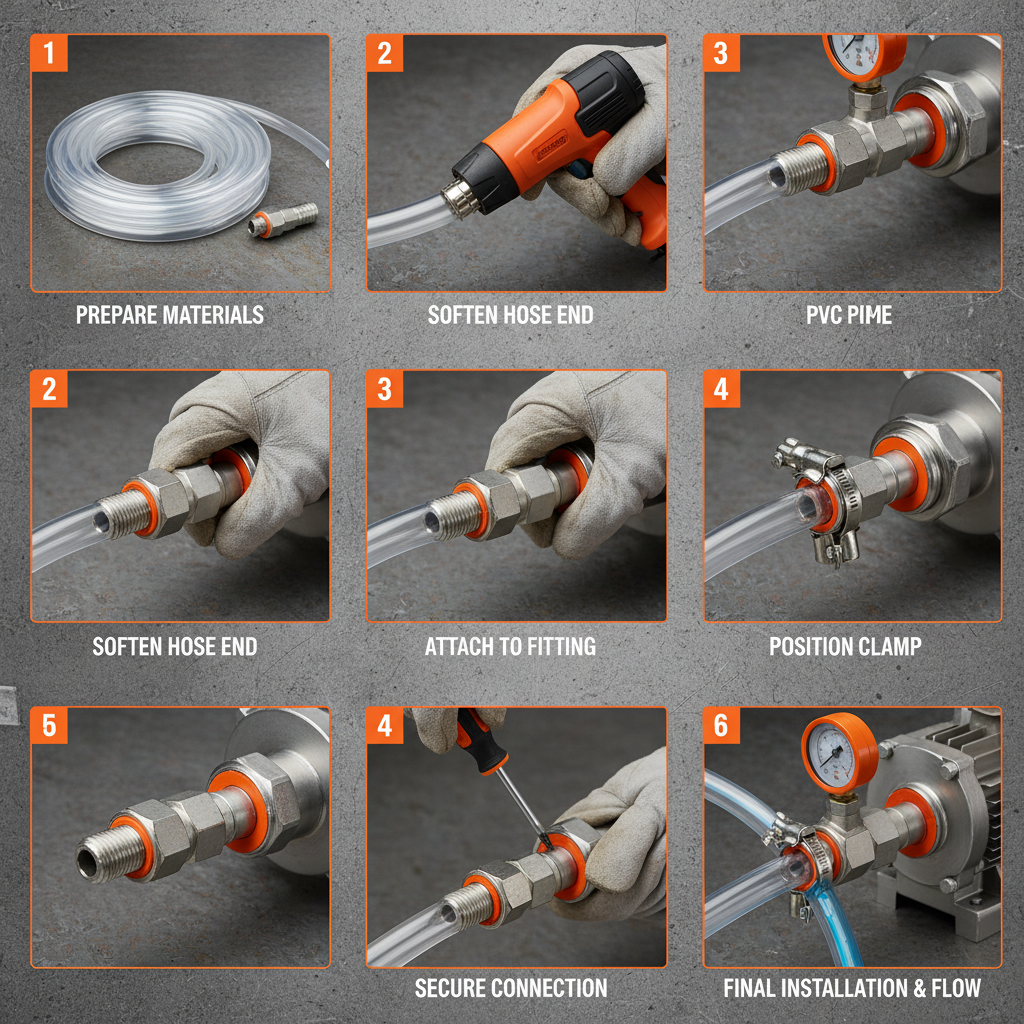
And remember, the spec sheet isn't the whole story. Real-world performance is what matters. Whether this thing works or not, the worker will know the moment he tightens the screw. And if it bursts under pressure, well, you’ll hear about it. Visit our website at pvc garden hose suppliers to explore our range and find the right hose for your needs.

 Afrikaans
 Albanian
 Arabic
 Azerbaijani
 Belarusian
 Bengali
 Bulgarian
 Czech
Czech
 Danish
 Dutch
Dutch
 Finnish
 French
 German
 Greek
Greek
 Hebrew
 Hindi
Hindi
 Hungarian
 Indonesian
 Irish
Irish
 Italian
 Japanese
 Kazakh
 Korean
 Kyrgyz
 Lao
Lao
 Latin
Latin
 Lithuanian
 Luxembourgish
 Malay
Malay
 Mongolian
 Myanmar
 Nepali
 Norwegian
 Persian
 Polish
 Portuguese
 Russian
 Serbian
 Slovak
 Spanish
 Swedish
 Tagalog
 Thai
Thai
 Turkish
 Ukrainian
 Uighur
 Uzbek
Uzbek
 Vietnamese
 Welsh
Welsh
 English