0%

Table of Contents

Polyurethane tubing is a versatile and increasingly vital component in numerous industries, with demand consistently rising due to its superior properties compared to traditional materials. As a leading polyurethane tubing supplier, we understand the critical role this material plays in ensuring efficient and reliable fluid transfer systems. From hydraulic applications to pneumatic systems and beyond, the demand for high-quality polyurethane tubing is driven by its durability, flexibility, and resistance to a wide range of chemicals and abrasion.

The global market for polyurethane tubing is experiencing significant growth, fueled by expansions in industries like automotive, medical, oil & gas, and manufacturing. According to market research reports, the polyurethane tubing market is projected to reach billions of dollars in the coming years. This surge is attributed to the increasing need for lightweight, flexible, and high-performance tubing solutions. As a trusted polyurethane tubing supplier, we are committed to meeting this demand with innovative products and exceptional service.

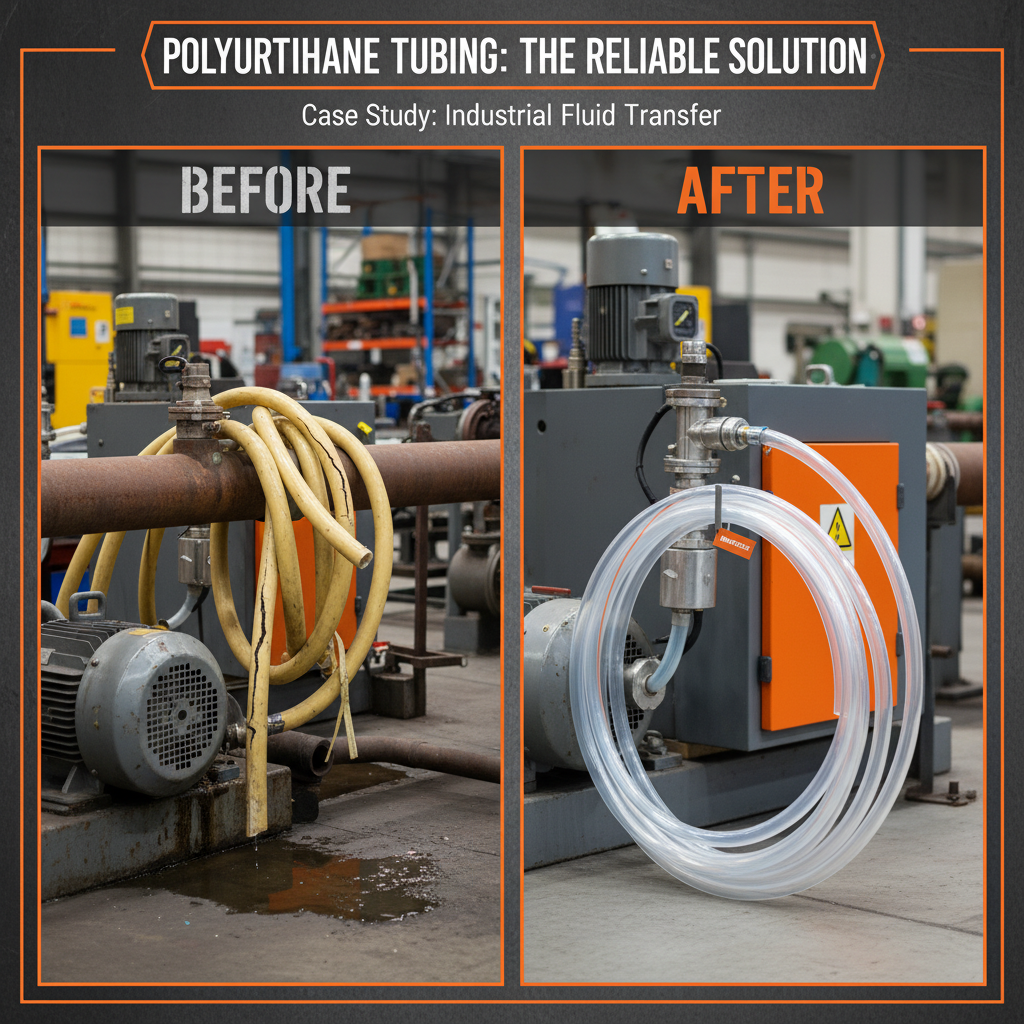
Understanding the specific requirements of each application is paramount. Polyurethane tubing solves critical problems like leakage, corrosion, and system downtime. The increased focus on industrial efficiency and safety regulations further solidifies the necessity of reliable and high-quality tubing solutions, making a knowledgeable polyurethane tubing supplier an essential partner for businesses worldwide.
Leading Polyurethane Tubing Supplier for Industrial and Specialized Applications

The Core Characteristics of Polyurethane Tubing

Leading Polyurethane Tubing Supplier for Industrial and Specialized Applications

Polyurethane tubing boasts a unique combination of properties that set it apart from other tubing materials. Its exceptional abrasion resistance significantly extends its lifespan, even in demanding applications. This translates to reduced maintenance costs and downtime, a key benefit for any industrial operation. A reliable polyurethane tubing supplier ensures you receive tubing formulated for optimal abrasion resistance.

Another critical characteristic is its flexibility, allowing for tight bends and complex routing without kinking or compromising flow. This flexibility is crucial in applications where space is limited or intricate system layouts are required. Polyurethane’s chemical resistance also allows it to handle a wide array of fluids, ensuring compatibility with diverse industrial processes.

Defining Polyurethane Tubing & its Industrial Significance

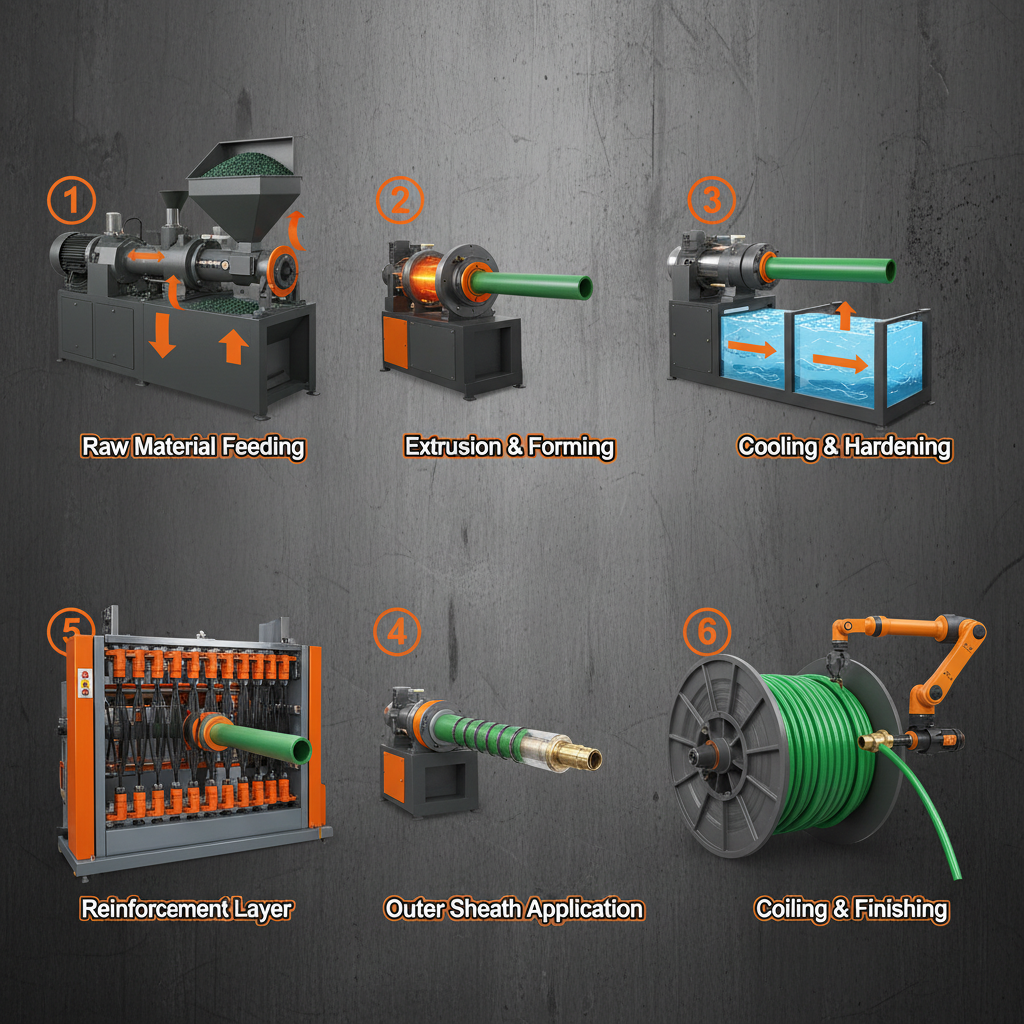
Polyurethane tubing is a flexible hose constructed from a thermoplastic polymer, known for its exceptional mechanical properties and chemical resistance. It’s produced through a process called polymerization, creating a material that can be tailored to meet specific application needs. Understanding the composition allows a polyurethane tubing supplier to recommend the right formulation for your application.

In modern industry, polyurethane tubing is indispensable. It facilitates the safe and efficient transfer of fluids and gases in various applications, ranging from pneumatic and hydraulic systems to conveying abrasive materials. Its ability to withstand high pressures, extreme temperatures, and corrosive substances makes it a crucial component in industries like automotive, food processing, and pharmaceuticals.

The significance extends beyond industrial applications; polyurethane tubing plays a vital role in medical devices, providing biocompatible and reliable fluid pathways for critical procedures. As technology advances, the demand for specialized polyurethane tubing continues to grow, requiring polyurethane tubing suppliers to innovate and adapt.

Key Performance Indicators of Polyurethane Tubing

Several key performance indicators (KPIs) define the quality and suitability of polyurethane tubing. One critical KPI is tensile strength, measuring the tubing's resistance to breaking under tension. A higher tensile strength indicates a more durable and reliable product. Partnering with a knowledgeable polyurethane tubing supplier guarantees consistent and robust tensile strength specifications.

Another vital KPI is elongation at break, which determines the tubing's ability to stretch before fracturing. Higher elongation indicates greater flexibility and resistance to tearing. Chemical resistance, measured by exposure to various solvents and chemicals, is also crucial, ensuring the tubing maintains its integrity in specific environments.

Finally, burst pressure, indicating the maximum pressure the tubing can withstand before rupture, is a critical safety factor. Selecting tubing with an appropriate burst pressure rating is essential for preventing catastrophic failures. A dedicated polyurethane tubing supplier will provide detailed specifications for these KPIs.

Global Applications of Polyurethane Tubing

Polyurethane tubing finds widespread use across a diverse range of industries globally. In the automotive sector, it's critical for air brake systems, fuel lines, and coolant circuits, requiring high durability and resistance to automotive fluids. A polyurethane tubing supplier serving the automotive industry must adhere to stringent quality standards.

Within the oil & gas industry, it’s used for hydraulic control lines and chemical transfer applications, demanding exceptional chemical resistance and pressure handling capabilities. In the medical field, biocompatible polyurethane tubing is employed in intravenous (IV) lines, catheters, and dialysis equipment. In remote industrial zones of Southeast Asia, polyurethane tubing facilitates efficient operation of automated systems.

Polyurethane Tubing Applications by Industry


Advantages and Long-Term Value Proposition

The advantages of using polyurethane tubing extend beyond its technical properties. Its long lifespan reduces the frequency of replacements, leading to significant cost savings. This durability is a core benefit offered by a reliable polyurethane tubing supplier.

Furthermore, polyurethane tubing’s chemical resistance minimizes the risk of corrosion and contamination, safeguarding system integrity and product quality. This translates into improved safety and reliability, fostering trust with customers and stakeholders.

Future Trends Shaping the Polyurethane Tubing Market

The future of polyurethane tubing is intertwined with advancements in materials science and sustainability. Bio-based polyurethane formulations are gaining traction, offering a more eco-friendly alternative to traditional petroleum-based materials. A forward-thinking polyurethane tubing supplier invests in research and development to offer sustainable solutions.

Digitalization and automation are also playing a key role, with smart tubing incorporating sensors for real-time monitoring of fluid flow, pressure, and temperature. This data-driven approach enables predictive maintenance and optimized system performance.

The integration of nanotechnology is leading to the development of polyurethane tubing with enhanced properties, such as increased strength, improved chemical resistance, and self-healing capabilities.

Overcoming Challenges in Polyurethane Tubing Applications

Despite its many advantages, polyurethane tubing faces certain challenges. One common issue is susceptibility to hydrolysis, particularly in hot, humid environments. Selecting a formulation specifically designed for high-humidity applications is crucial.

Another challenge is the potential for abrasion in highly abrasive environments. Using reinforced polyurethane tubing or incorporating protective coatings can mitigate this risk. A competent polyurethane tubing supplier can advise on the best solution for your specific needs.

Maintaining consistent quality control throughout the manufacturing process is paramount. Rigorous testing and adherence to industry standards ensure that the tubing meets the required performance specifications.

Key Comparison of Polyurethane Tubing Properties and Mitigation Strategies

Challenge Impact on Performance Mitigation Strategy Cost Estimate
Hydrolysis Reduced strength, cracking Specialized hydrolysis-resistant formulation $5-$10/meter
Abrasion Wear and tear, leaks Reinforced tubing or protective coating $8-$15/meter
High Temperature Softening, deformation High-temperature resistant polymer blend $12-$20/meter
Chemical Exposure Swelling, degradation Chemically resistant formulation $7-$12/meter
Pressure Spikes Rupture, leaks Reinforced tubing with higher burst pressure $10-$18/meter
Kinking Restricted Flow Use of a stiffer tubing durometer $3-$7/meter

FAQS

What is the maximum operating temperature for your polyurethane tubing?

Our polyurethane tubing’s operating temperature range varies depending on the specific formulation. Generally, standard grades can handle temperatures between -40°C and 80°C. However, we offer specialized high-temperature options that can withstand up to 120°C. Selecting the correct formulation for your application is crucial, and our polyurethane tubing supplier team can help you choose the optimal solution.

What is the typical lead time for custom polyurethane tubing orders?

Lead times for custom polyurethane tubing orders depend on factors such as quantity, complexity, and material availability. Typically, standard custom orders take between 2-4 weeks to produce. We strive to provide accurate lead time estimates during the quoting process, and our polyurethane tubing supplier team will keep you informed throughout the production process.

Is your polyurethane tubing compliant with FDA regulations?

Yes, we offer polyurethane tubing formulations that comply with FDA regulations for food and beverage contact applications. These formulations are manufactured under strict quality control procedures and are certified to meet relevant safety standards. A reliable polyurethane tubing supplier always prioritizes compliance for sensitive industries.

What is the difference between polyester and polyether polyurethane tubing?

Polyester polyurethane offers superior abrasion resistance and tensile strength, making it suitable for demanding applications. Polyether polyurethane provides better hydrolysis resistance and flexibility, particularly in wet environments. The choice depends on your specific application needs, and our expert polyurethane tubing supplier team can help you determine which is best.

Can you provide custom color matching for polyurethane tubing?

Yes, we offer custom color matching services for polyurethane tubing. We can match your specified color requirements using a variety of pigments and dyes. This is particularly useful for applications where color coding is essential for identification or branding. A dedicated polyurethane tubing supplier offers this customized solution.

What certifications do you hold for your polyurethane tubing products?

We maintain various certifications, including ISO 9001 for quality management and compliance with relevant industry standards. Specific certifications may vary depending on the tubing formulation and application. Contact our polyurethane tubing supplier team for a detailed list of certifications relevant to your needs.

Conclusion

In conclusion, polyurethane tubing represents a critical component in modern industrial and technological applications, offering a unique combination of flexibility, durability, and chemical resistance. The advantages of using high-quality polyurethane tubing, coupled with the expertise of a knowledgeable polyurethane tubing supplier, ensure reliable performance and long-term value.

Looking ahead, advancements in materials science and sustainability will continue to drive innovation in polyurethane tubing technology. By embracing these advancements and partnering with a forward-thinking supplier, businesses can unlock new opportunities for efficiency, safety, and environmental responsibility. Visit our website at www.kebinghose.com to explore our comprehensive range of polyurethane tubing solutions and discover how we can meet your specific needs.
Ethan Blackwood

Ethan Blackwood

Ethan Blackwood serves as Kebing’s Quality Control Manager. He’s responsible for upholding our rigorous quality standards throughout the entire production process, from raw material sourcing to final product inspection. With a background in Materials Science and a decade of experience in quality assurance, Ethan ensures every hose meets or exceeds
Previous Industrial Polyurethane Tubing Properties and Global Applications
Next Leading Polyurethane Tubing Manufacturer for Industrial Fluid Transfer Solutions
INQUIRE
en_USEnglish