The world increasingly demands solutions that are not only efficient and reliable but also adaptable and robust. This is particularly true when it comes to essential infrastructure like water conveyance systems. A durable flexible garden hose represents a critical component in diverse sectors, from agriculture and landscaping to emergency response and industrial applications. Understanding its attributes – durability, flexibility, and cost-effectiveness – is paramount to addressing global challenges related to water management and resource accessibility.
The need for dependable water delivery is globally significant, especially given increasing water scarcity in many regions and the impact of climate change. According to the UN, billions of people lack access to safely managed drinking water. A durable flexible garden hose plays a role in bridging this gap, offering a versatile solution for irrigation, potable water transport, and disaster relief. The demand for these hoses is projected to grow as populations expand and infrastructure requires updates.
The core benefit of a well-designed durable flexible garden hose lies in its ability to provide a reliable water supply in a wide range of conditions. This isn’t simply about moving water; it’s about ensuring access to a vital resource, minimizing water waste, and enhancing the efficiency of operations across numerous industries. From providing irrigation to small farms to supplying water for construction projects, the applications are vast and impactful.
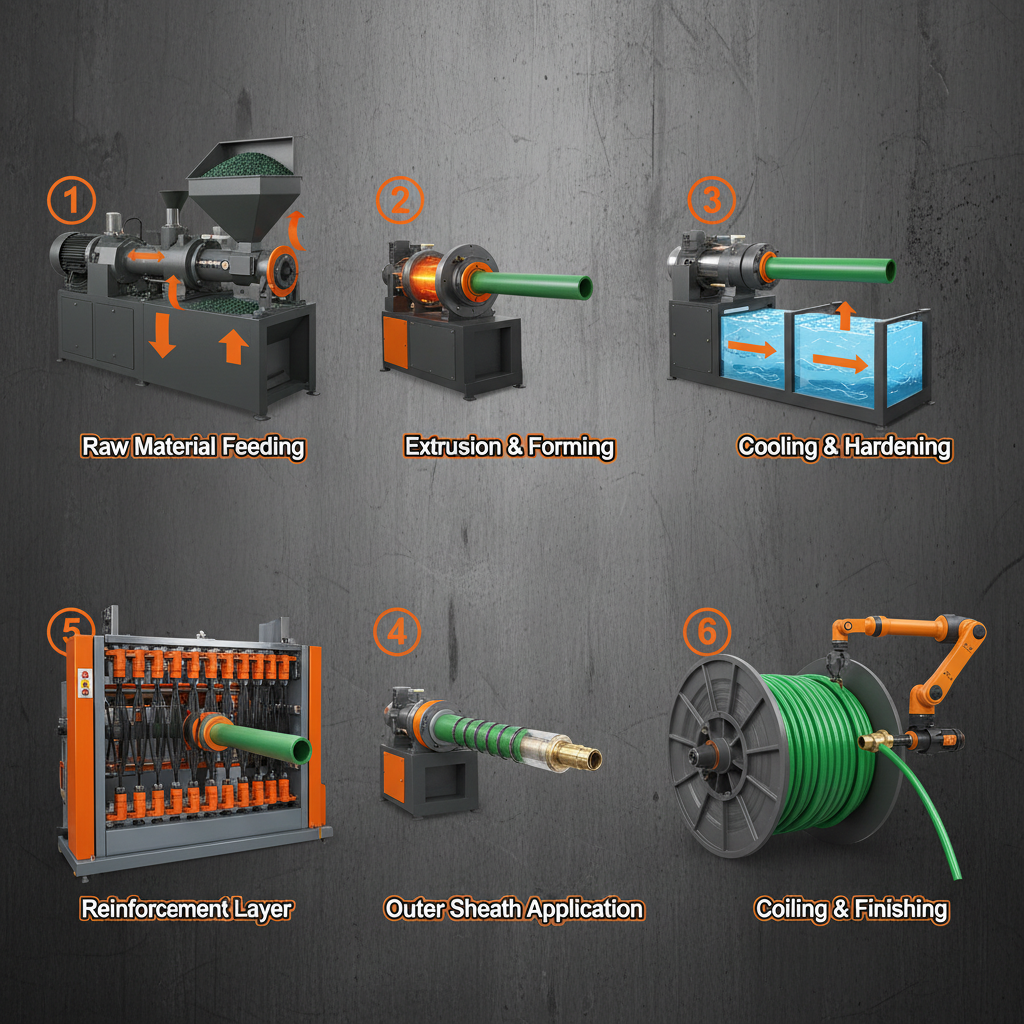
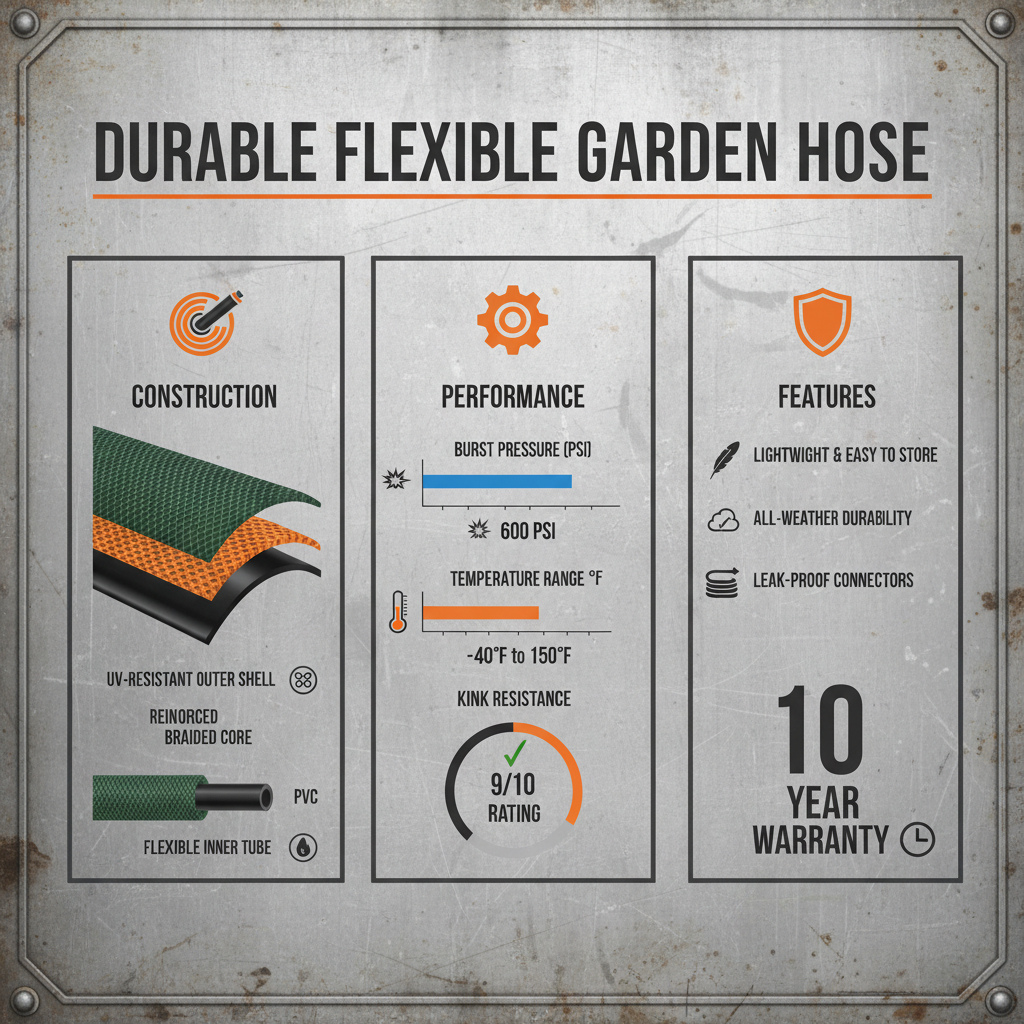
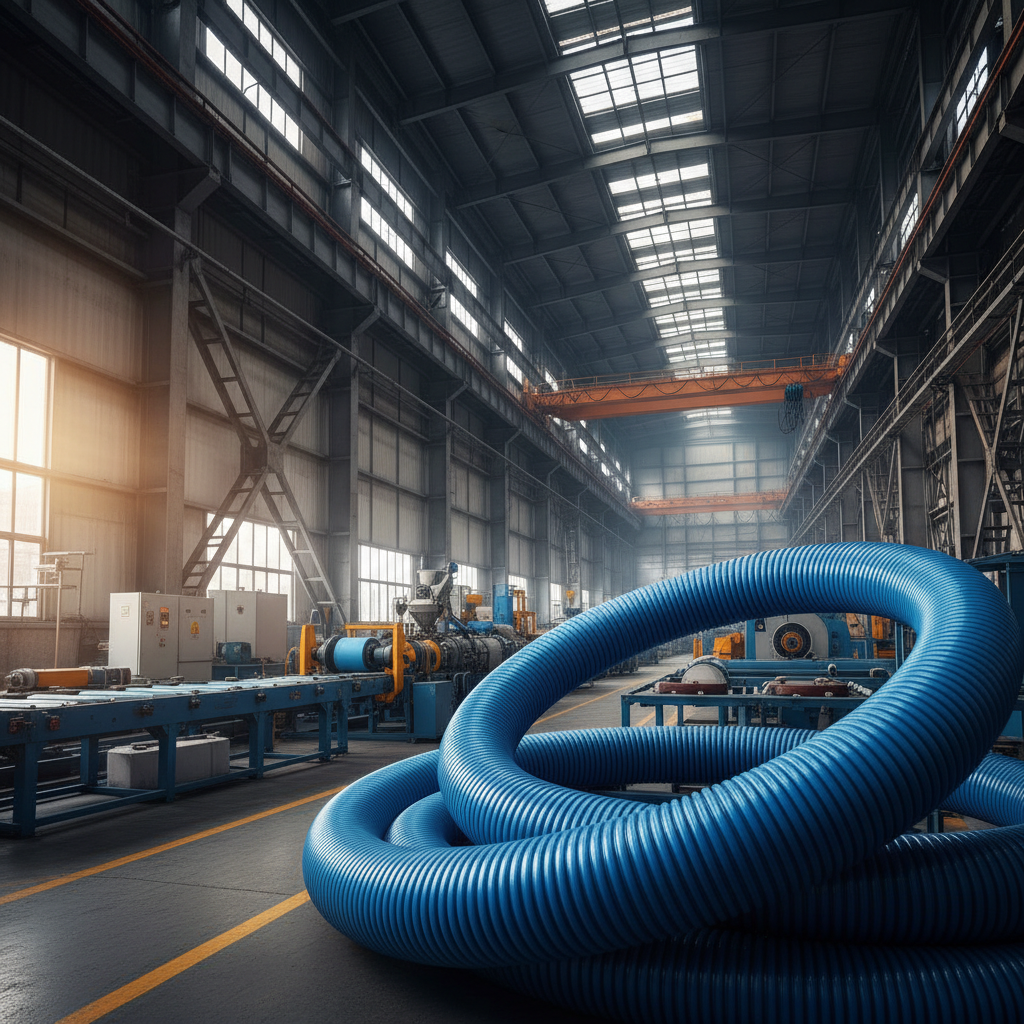
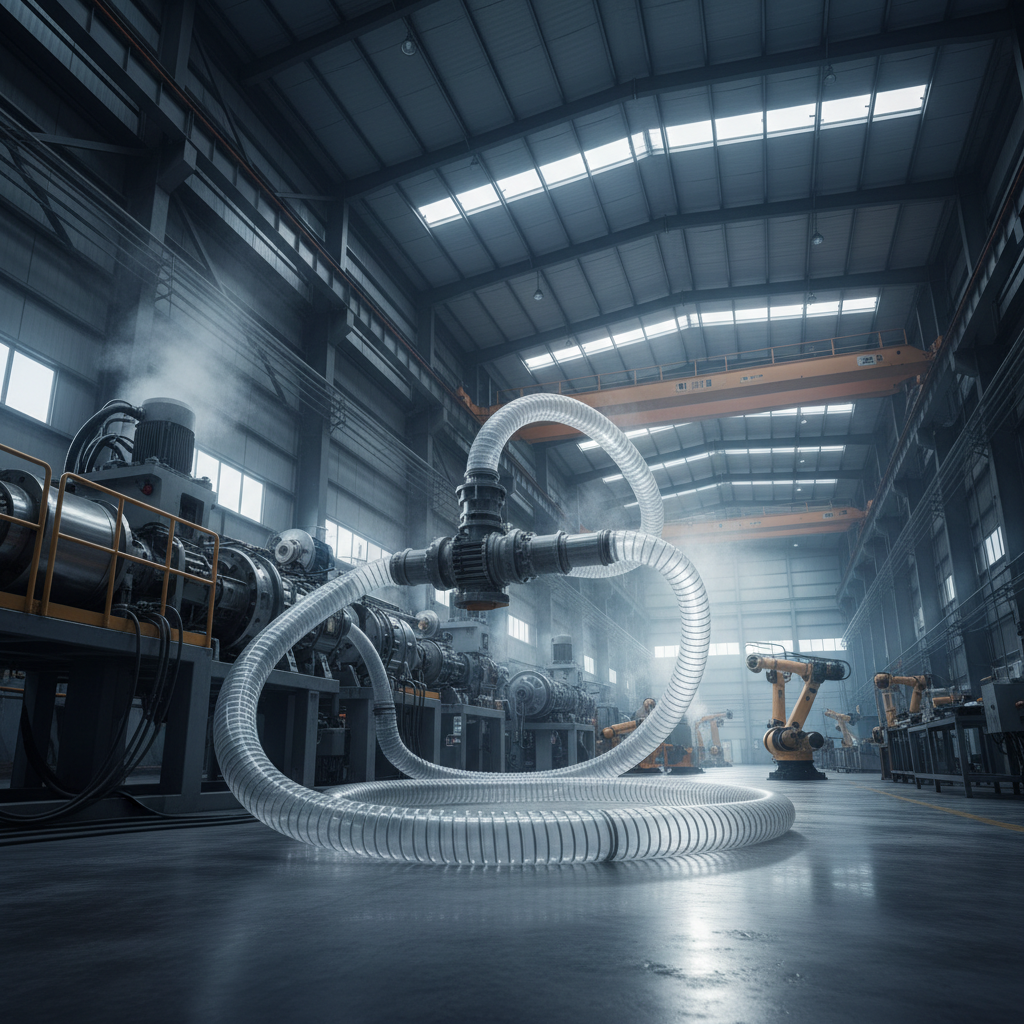
A durable flexible garden hose is engineered to convey water efficiently and reliably over extended periods. Unlike traditional hoses, which may become brittle or crack with use, these hoses are constructed with materials designed to withstand varying temperatures, pressures, and environmental conditions. The key characteristic is a balance between strength and suppleness, allowing for easy maneuvering and long-term performance.
Fundamentally, this type of hose goes beyond basic water delivery. It embodies a commitment to efficiency and sustainability by minimizing leakage, reducing the need for frequent replacements, and adapting to diverse terrains and applications. Its impact spans from simple home gardening to critical infrastructure projects.
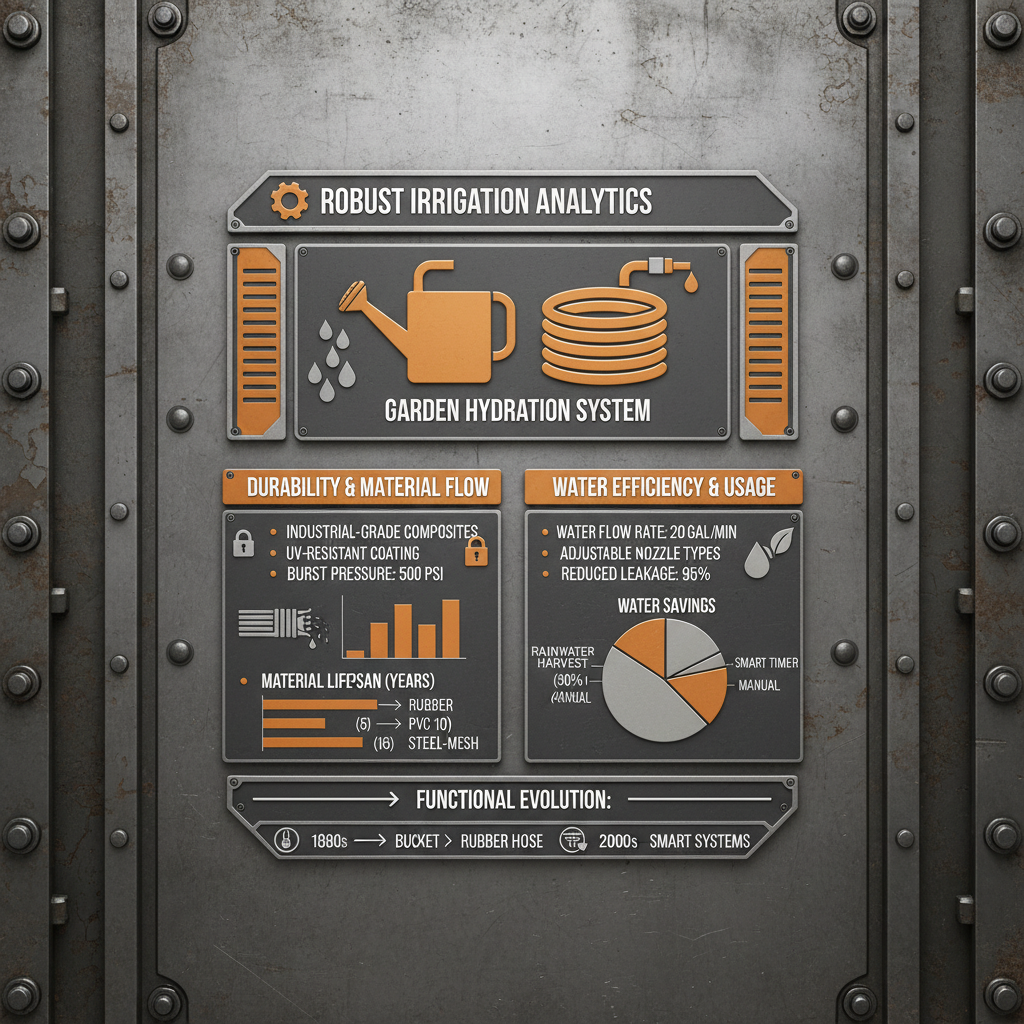
Durable flexible garden hoses often utilize materials like reinforced PVC or TPU which are lighter, more resistant to kinking, and less prone to cracking than traditional rubber. They offer greater flexibility for easier maneuvering and often have a longer lifespan due to their resistance to UV degradation and abrasion. Additionally, modern manufacturing techniques allow for more consistent quality control.
The lifespan of a durable flexible garden hose varies based on usage conditions, but a high-quality hose can typically last between 5 to 10 years with proper care. Factors like exposure to direct sunlight, extreme temperatures, and frequency of use will influence longevity. Regular rinsing and proper storage during the off-season can significantly extend its lifespan.
Most durable flexible garden hoses are manufactured using materials that are safe for potable water, but it’s crucial to check for certifications like NSF/ANSI 61. These certifications ensure that the hose doesn’t leach harmful chemicals into the water. Always flush the hose thoroughly before using it for drinking water, particularly if it’s new.
The best way to store a durable flexible garden hose is to drain it completely of water and coil it loosely. Avoid tight bends or kinks, as these can damage the internal structure. Store it in a shaded, dry location away from direct sunlight and extreme temperatures. A hose reel or hanger can help with organization and prevent damage.
The diameter of a durable flexible garden hose affects water flow rate. A 1/2 inch diameter is suitable for most residential applications, providing a good balance of flow and ease of handling. For larger gardens or applications requiring higher flow rates, a 5/8 inch or 3/4 inch diameter may be more appropriate. Consider the length of the hose, as longer hoses require larger diameters to maintain adequate pressure.
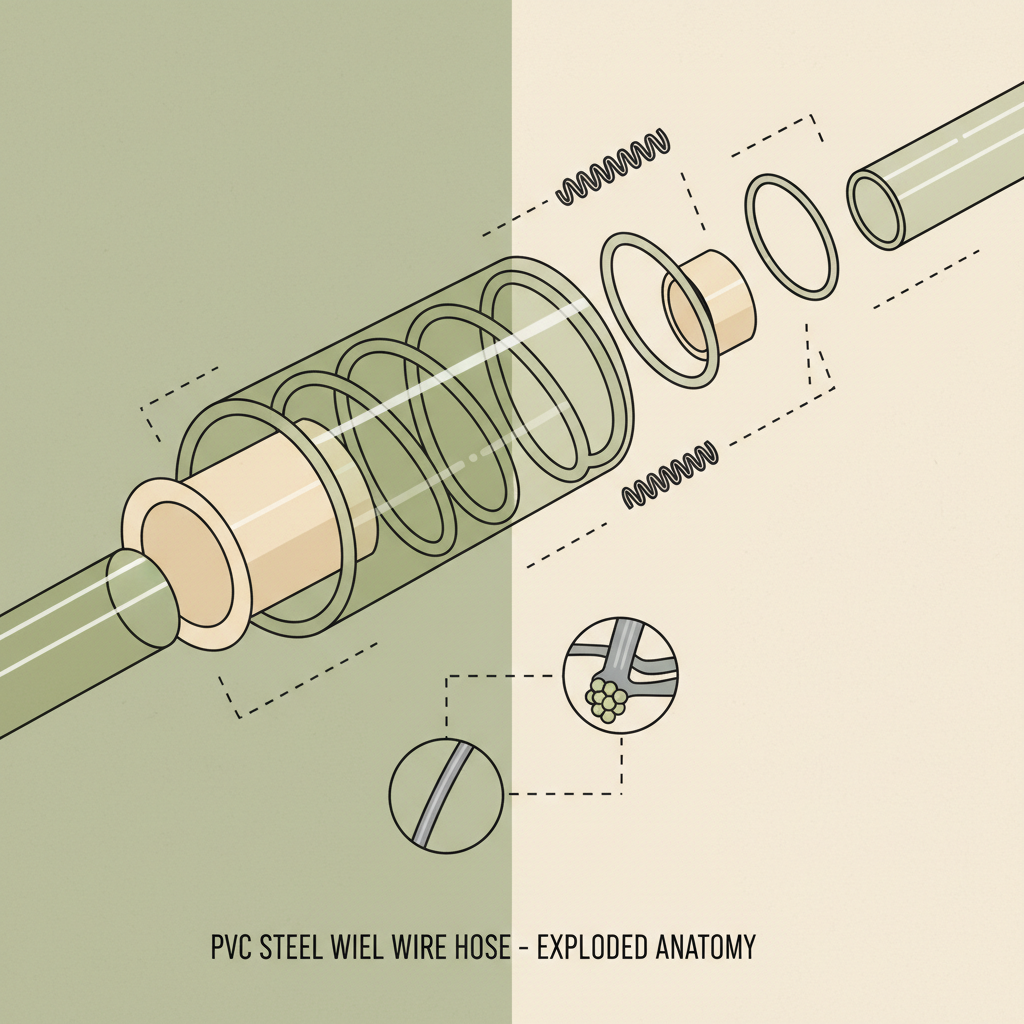
Multi-layer hoses typically offer greater durability and burst pressure compared to single-layer hoses. The additional layers provide enhanced reinforcement and resistance to abrasion and kinking. While multi-layer hoses are generally more expensive, they offer a longer service life and are better suited for demanding applications. Single-layer hoses are suitable for lighter-duty tasks.
In conclusion, a durable flexible garden hose is more than just a tool for delivering water; it’s a vital component in ensuring resource accessibility, promoting sustainability, and enhancing efficiency across diverse industries. Its benefits extend from cost savings and reduced maintenance to improved environmental performance and social well-being. By understanding its key characteristics and applications, we can harness its potential to address global challenges related to water management and infrastructure development.
Looking ahead, continued innovation in materials science and manufacturing will further enhance the performance and sustainability of these hoses. Investing in high-quality, durable solutions like these is not just a pragmatic choice; it’s a commitment to a more resilient and responsible future. Visit our website at www.kebinghose.com to explore our range of durable flexible garden hoses and find the perfect solution for your needs.

 Afrikaans
 Albanian
 Arabic
 Azerbaijani
 Belarusian
 Bengali
 Bulgarian
 Czech
Czech
 Danish
 Dutch
Dutch
 Finnish
 French
 German
 Greek
Greek
 Hebrew
 Hindi
Hindi
 Hungarian
 Indonesian
 Irish
Irish
 Italian
 Japanese
 Kazakh
 Korean
 Kyrgyz
 Lao
Lao
 Latin
Latin
 Lithuanian
 Luxembourgish
 Malay
Malay
 Mongolian
 Myanmar
 Nepali
 Norwegian
 Persian
 Polish
 Portuguese
 Russian
 Serbian
 Slovak
 Spanish
 Swedish
 Tagalog
 Thai
Thai
 Turkish
 Ukrainian
 Uighur
 Uzbek
Uzbek
 Vietnamese
 Welsh
Welsh
 English