Look, I’ve spent the last fifteen years crawling around construction sites, getting my boots dirty, and frankly, wrestling with materials that just weren't up to snuff. What I’ve learned is this: flexibility matters. And when it comes to moving fluids – water, air, chemicals, you name it – you need something reliable that won't crack under pressure, literally. That’s where flexible clear pvc pipe comes in. It’s not just a pipe; it's a problem solver. We're talking about everything from temporary water lines on a job site to delivering essential fluids in emergency situations. It’s about efficiency, safety, and getting the job done right, the first time.
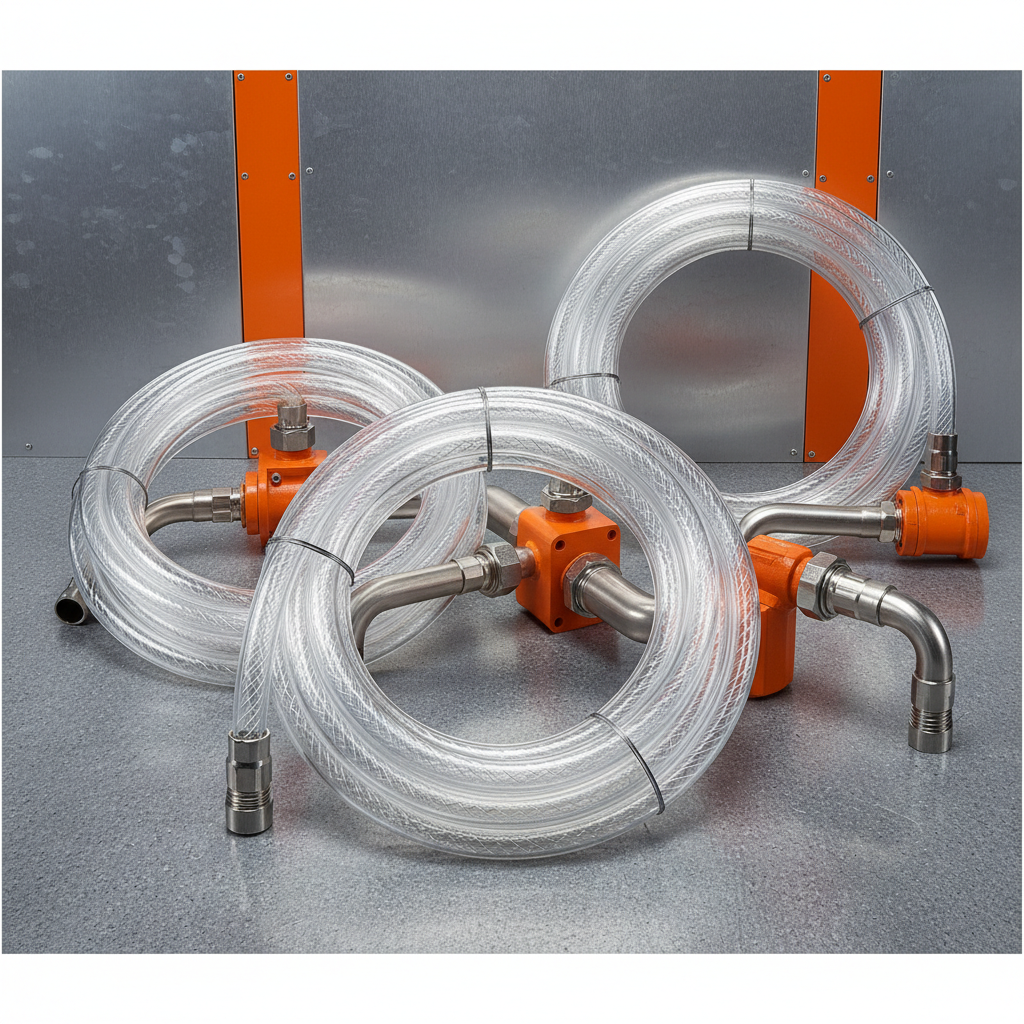
I’ve seen projects delayed, budgets blown, and safety risks amplified because of inferior piping. Rigid pipes are a nightmare to maneuver, fittings leak, and the whole thing just adds unnecessary headache. Then you switch to flexible clear pvc pipe, and suddenly things flow. The clear aspect is a massive bonus, too - you can see what’s running through it, identify blockages, and prevent costly downtime. It’s a small thing, but on a busy site, those small things add up.
This isn’t some theoretical ideal; it's about practical application. We're talking about reducing labor costs, minimizing waste, and keeping everyone on site safer. The increasing demand for this type of piping isn’t a trend; it’s a testament to its real-world value. From large-scale infrastructure projects to smaller, specialized applications, the benefits are becoming undeniable.
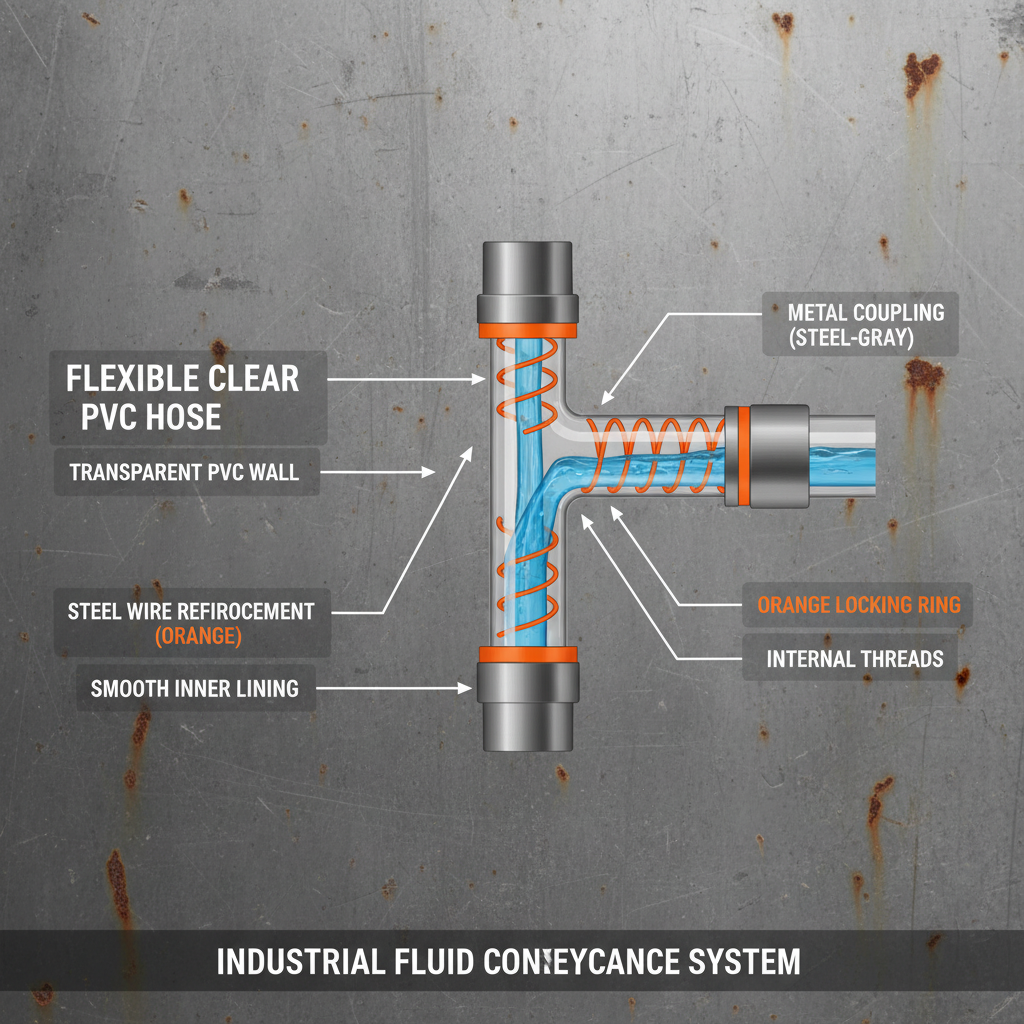
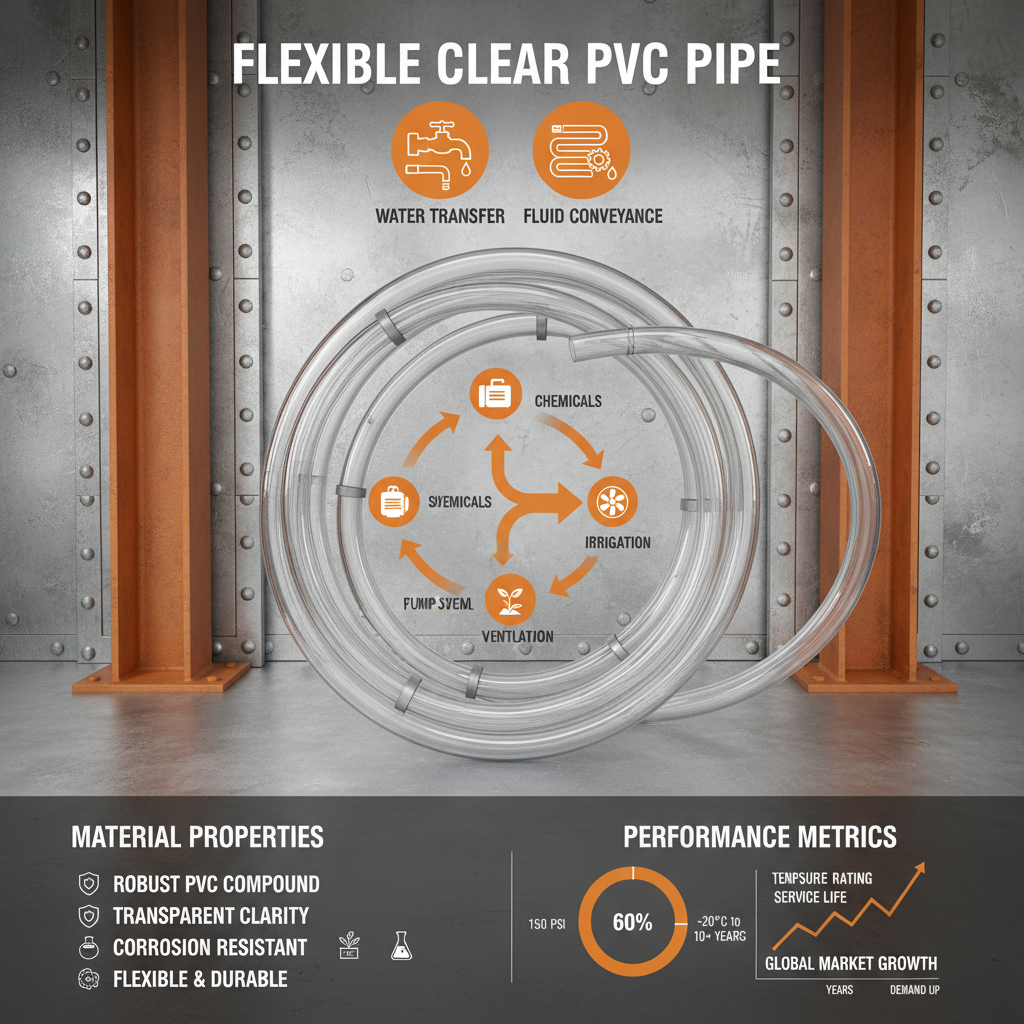
Let’s be honest, nobody thinks about the piping until something goes wrong. But as someone who's constantly troubleshooting on site, I can tell you that the right piping can make or break a project. Flexible clear pvc pipe is gaining traction because it addresses a fundamental need for a versatile, reliable fluid transport solution. The global market for PVC is massive – the UN estimates annual production in the millions of tons – and the demand for flexible, transparent options is growing exponentially.
The challenge we face in construction and beyond is the need for infrastructure that can adapt to changing conditions and deliver essential services efficiently. Rigid systems simply can't compete with the ease of installation and maneuverability that flexible PVC offers. It’s about doing more with less, reducing downtime, and ensuring a safer working environment.
The biggest difference is maneuverability. Rigid PVC requires specialized tools and fittings for bends and angles, while flexible PVC can be routed around obstacles with ease. This saves time and labor costs. Plus, the clear aspect allows visual inspection of the fluid flow, which is a huge benefit for quality control. It’s simply more adaptable and easier to work with on dynamic construction sites.
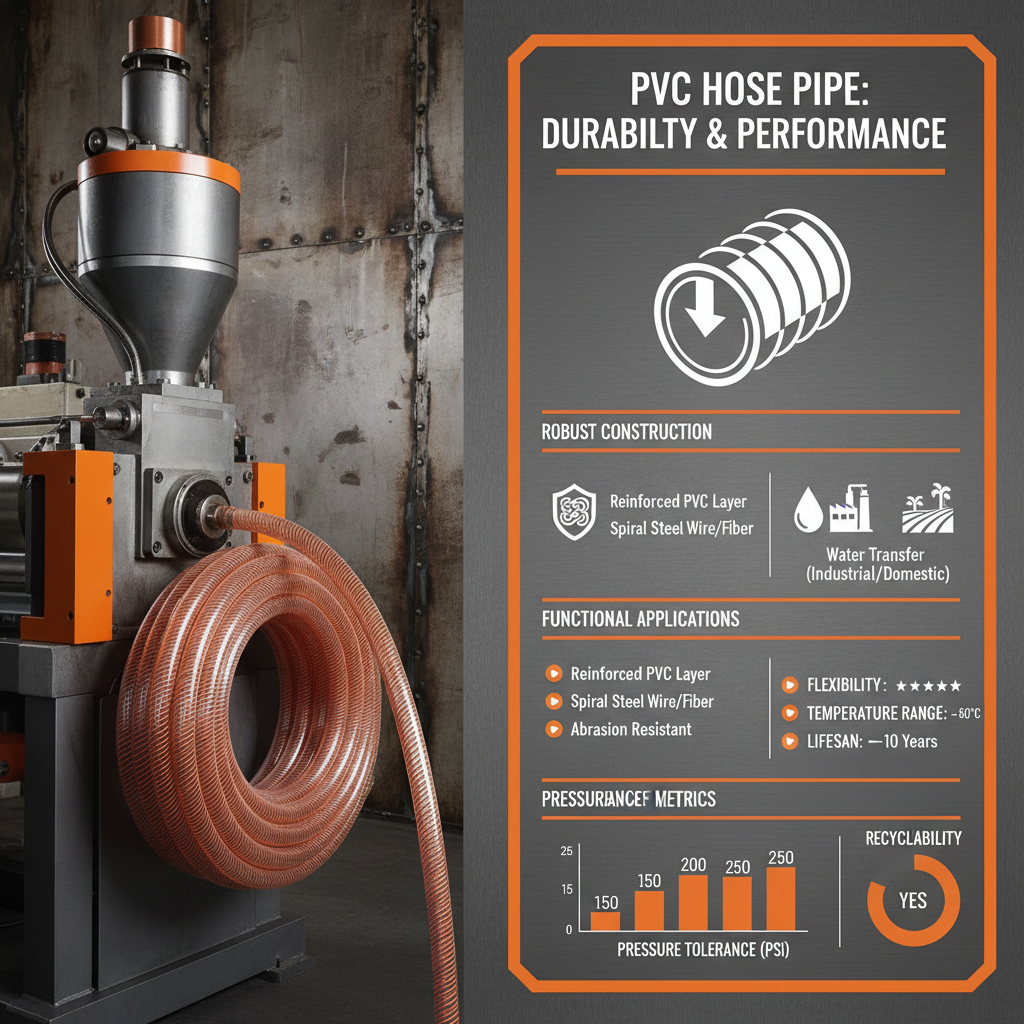
It depends on the specific grade and reinforcement of the pipe. Different manufacturers offer varying pressure ratings. You must check the manufacturer’s specifications to ensure the pipe is rated for your intended application. Using a pipe that’s not adequately rated for the pressure can lead to catastrophic failure, so it's not a risk worth taking.
Transparency is incredibly valuable. You can immediately identify blockages, sediment buildup, or air bubbles without having to disassemble the system. This allows for proactive maintenance, preventing costly downtime and ensuring optimal flow rates. It’s a simple feature that makes a big difference in efficiency.
A properly installed and maintained flexible clear PVC pipe can last for several years, often exceeding five years. Factors that affect lifespan include UV exposure, temperature fluctuations, the type of fluid being transported, and the level of physical stress it endures. Using UV-stabilized materials and avoiding harsh chemicals will significantly extend its life.
While PVC isn’t biodegradable, advancements are being made in bio-based PVC formulations. Furthermore, the durability and long lifespan of flexible PVC pipe reduce the need for frequent replacements, minimizing waste. It also helps reduce water waste by preventing leaks, contributing to more sustainable practices.
Store the pipe in a cool, dry, and well-ventilated area, away from direct sunlight and extreme temperatures. Avoid storing it in a way that puts excessive weight or stress on the pipe. Coiling it loosely is preferable to tightly wrapping it. Proper storage will help maintain its flexibility and prevent damage.
Ultimately, flexible clear pvc pipe isn’t just about a material; it’s about a mindset. It’s about prioritizing efficiency, reliability, and safety on every project. From reducing labor costs to improving fluid quality control, the benefits are clear and compelling. It’s a solution that addresses real-world challenges and delivers tangible value.
Looking ahead, expect to see continued innovation in PVC formulations and integration with smart technologies. By embracing these advancements and adopting best practices for installation and maintenance, we can unlock the full potential of flexible PVC pipe and build a more sustainable and efficient future. If you’re looking for a reliable fluid transfer solution, start with flexible clear pvc pipe – you won’t be disappointed. Visit our website: www.kebinghose.com

 Afrikaans
 Albanian
 Arabic
 Azerbaijani
 Belarusian
 Bengali
 Bulgarian
 Czech
Czech
 Danish
 Dutch
Dutch
 Finnish
 French
 German
 Greek
Greek
 Hebrew
 Hindi
Hindi
 Hungarian
 Indonesian
 Irish
Irish
 Italian
 Japanese
 Kazakh
 Korean
 Kyrgyz
 Lao
Lao
 Latin
Latin
 Lithuanian
 Luxembourgish
 Malay
Malay
 Mongolian
 Myanmar
 Nepali
 Norwegian
 Persian
 Polish
 Portuguese
 Russian
 Serbian
 Slovak
 Spanish
 Swedish
 Tagalog
 Thai
Thai
 Turkish
 Ukrainian
 Uighur
 Uzbek
Uzbek
 Vietnamese
 Welsh
Welsh
 English