
PVC hose suppliers play a crucial role in modern infrastructure, agriculture, and industrial processes globally. These suppliers provide the essential components for fluid and material transportation, impacting everything from water distribution networks to construction projects. Understanding the intricacies of the pvc hose suppliers market – from material sourcing and manufacturing techniques to quality control and logistical challenges – is vital for businesses and organizations relying on these products. Efficient and reliable pvc hose suppliers are foundational for sustainable development and economic growth.
The global demand for pvc hose suppliers is consistently high, driven by population growth, urbanization, and industrial expansion. However, challenges exist in ensuring consistent quality, navigating fluctuating raw material costs, and addressing growing environmental concerns related to PVC production and disposal. Identifying and partnering with reputable pvc hose suppliers is paramount for minimizing risks and optimizing performance across diverse applications.
Investing in high-quality pvc hose suppliers isn't merely a procurement decision; it's a strategic choice impacting operational efficiency, safety, and long-term sustainability. A reliable supply chain of pvc hoses contributes to reduced downtime, lower maintenance costs, and enhanced project outcomes for a vast range of industries.
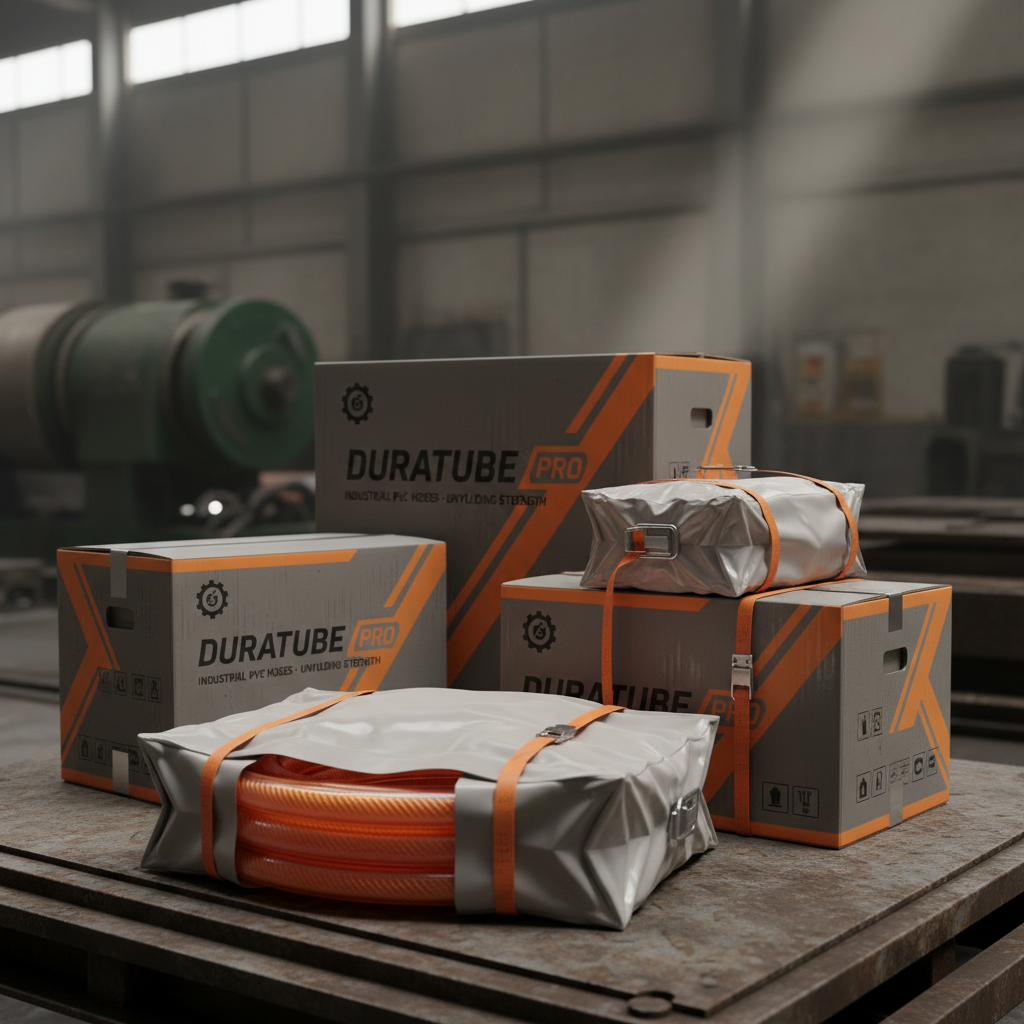
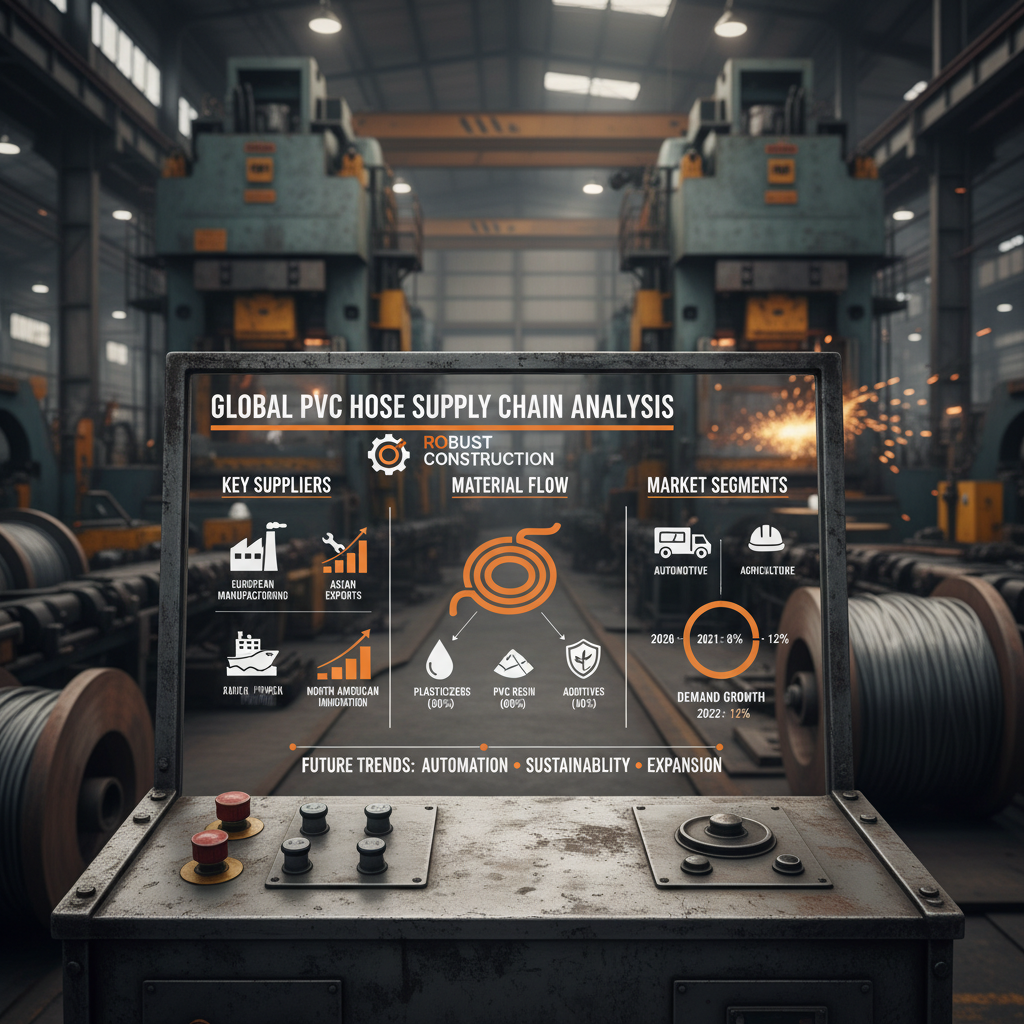
The reliability of infrastructure and many industrial processes hinges on the consistent performance of PVC hoses. Effective pvc hose suppliers aren’t simply vendors; they are critical partners in ensuring operational continuity and the safe transfer of fluids and materials. A disruption in the supply of these hoses can quickly cascade into significant logistical and financial challenges for businesses.
Moreover, the quality of PVC hoses directly impacts safety. Defective hoses can lead to leaks, bursts, and potentially hazardous situations. Therefore, choosing suppliers with stringent quality control measures and industry certifications is paramount to minimizing risks and protecting personnel and the environment.
When selecting a pvc hose suppliers, look for certifications like ISO 9001 (quality management), ISO 14001 (environmental management), and relevant industry-specific certifications such as NSF/ANSI 61 for potable water applications. These certifications demonstrate a commitment to quality, safety, and environmental responsibility. Verify the scope of the certification to ensure it covers the specific hoses you require. Don’t hesitate to ask the supplier for copies of their certificates and confirm their validity. Proper certifications offer peace of mind and assurance of product integrity.
The grade of PVC directly impacts a hose’s performance characteristics. Different grades offer varying levels of flexibility, tensile strength, chemical resistance, and temperature tolerance. Higher-grade PVC, like virgin PVC, typically provides superior performance and longevity compared to recycled PVC. The appropriate grade depends on the intended application—for example, a hose handling corrosive chemicals requires a PVC formulation with high chemical resistance. Reputable pvc hose suppliers can advise on the optimal grade for your specific needs.
Lead times for custom PVC hose orders vary depending on the complexity of the specifications, the volume required, and the supplier’s current production schedule. Generally, custom orders can take anywhere from 2 to 8 weeks. It’s crucial to discuss lead times upfront with your supplier and factor them into your project planning. Providing detailed specifications and drawings will help expedite the process. Some suppliers offer expedited production options for urgent requirements.
PVC hoses have limitations regarding temperature tolerance. Consult the supplier’s product specifications to determine the hose’s maximum and minimum operating temperatures. Exceeding these limits can lead to hose degradation, deformation, or failure. Consider the ambient temperature, the temperature of the fluid being conveyed, and any potential temperature fluctuations. For extreme temperatures, specialized PVC formulations or alternative materials might be necessary.
Proper storage is crucial for maintaining the integrity of PVC hoses. Store hoses in a cool, dry, and well-ventilated area, away from direct sunlight, heat sources, and chemicals. Avoid bending or kinking the hoses during storage. Coil them loosely and secure them to prevent damage. Regularly inspect stored hoses for any signs of degradation. Following these guidelines will maximize the hose’s lifespan and performance.
PVC production traditionally has environmental concerns related to the use of chlorine and the potential for dioxin emissions. However, modern manufacturing processes have significantly reduced these impacts. Increasingly, pvc hose suppliers are adopting sustainable practices such as using recycled PVC, developing bio-based PVC alternatives, and implementing closed-loop recycling programs. Look for suppliers committed to reducing their carbon footprint and promoting responsible waste management.
In conclusion, selecting the right pvc hose suppliers is a strategically vital decision. It’s not simply about finding the lowest price but about securing a reliable partner committed to quality, innovation, and sustainability. Understanding the key factors influencing supplier selection, from material grades to certifications, empowers businesses to make informed choices that optimize performance, minimize risk, and contribute to long-term operational efficiency.
Looking ahead, the industry will continue to evolve, driven by advancements in materials science and a growing emphasis on environmental responsibility. By proactively seeking suppliers embracing these changes and prioritizing sustainable practices, businesses can ensure a resilient and future-proof supply chain. Visit our website at www.kebinghose.com to learn more about our commitment to providing high-quality, reliable PVC hose solutions.

 Afrikaans
 Albanian
 Arabic
 Azerbaijani
 Belarusian
 Bengali
 Bulgarian
 Czech
Czech
 Danish
 Dutch
Dutch
 Finnish
 French
 German
 Greek
Greek
 Hebrew
 Hindi
Hindi
 Hungarian
 Indonesian
 Irish
Irish
 Italian
 Japanese
 Kazakh
 Korean
 Kyrgyz
 Lao
Lao
 Latin
Latin
 Lithuanian
 Luxembourgish
 Malay
Malay
 Mongolian
 Myanmar
 Nepali
 Norwegian
 Persian
 Polish
 Portuguese
 Russian
 Serbian
 Slovak
 Spanish
 Swedish
 Tagalog
 Thai
Thai
 Turkish
 Ukrainian
 Uighur
 Uzbek
Uzbek
 Vietnamese
 Welsh
Welsh
 English