The global demand for reliable and durable fluid transfer solutions is ever-increasing, driving the need for specialized manufacturing like that of a pvc hose factory. These factories play a critical role in supplying industries ranging from agriculture and construction to oil and gas, and even emergency services. Understanding the intricacies of pvc hose production, quality control, and technological advancements is paramount for businesses and organizations reliant on these essential components.
The significance of a robust pvc hose factory extends beyond mere product provision. It impacts project timelines, operational efficiency, and, crucially, safety standards. A well-equipped and experienced factory ensures the consistent delivery of hoses that can withstand diverse environmental conditions and application-specific pressures. Investing in quality from a reputable source mitigates risks associated with leaks, failures, and costly downtime.
Ultimately, the capabilities of a modern pvc hose factory contribute to global infrastructure development, agricultural productivity, and the rapid response to critical situations. As industries evolve and sustainability becomes increasingly important, these factories are adapting to meet new challenges and deliver innovative solutions.
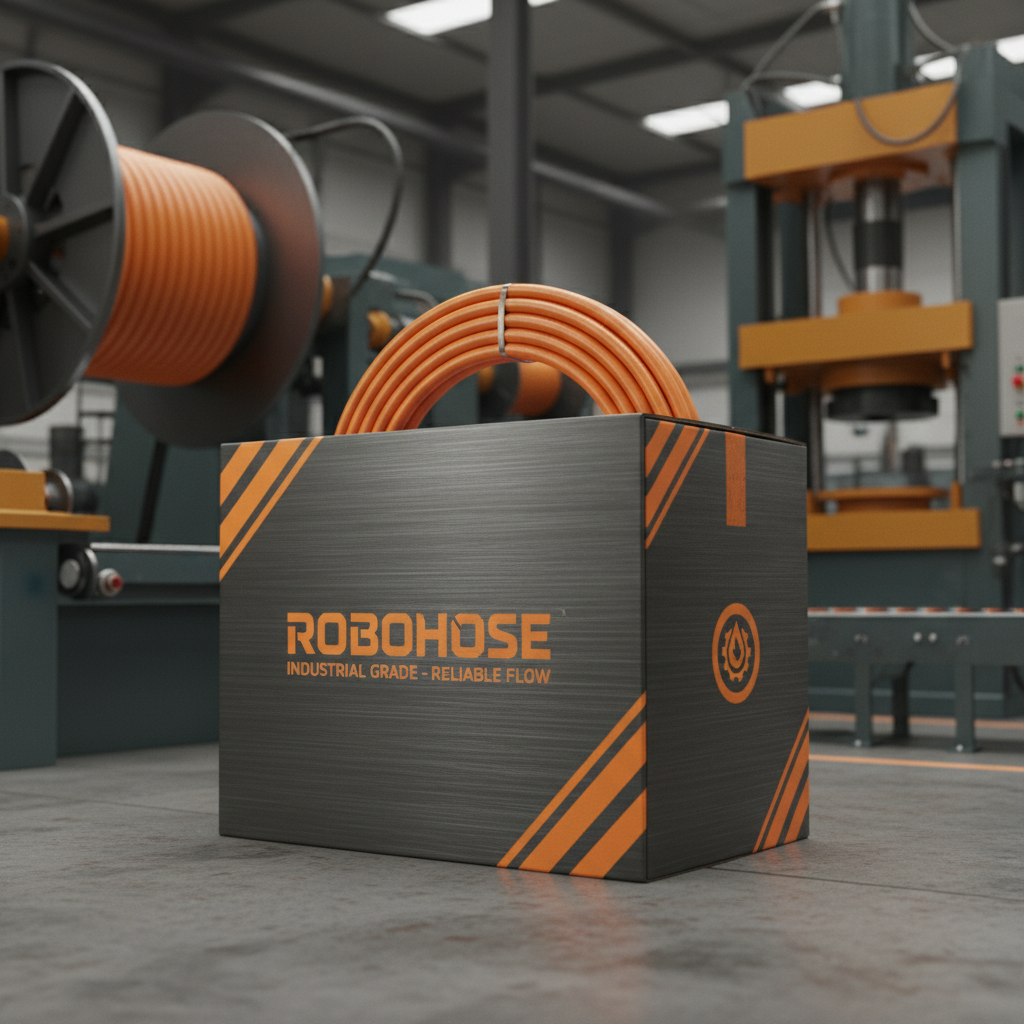
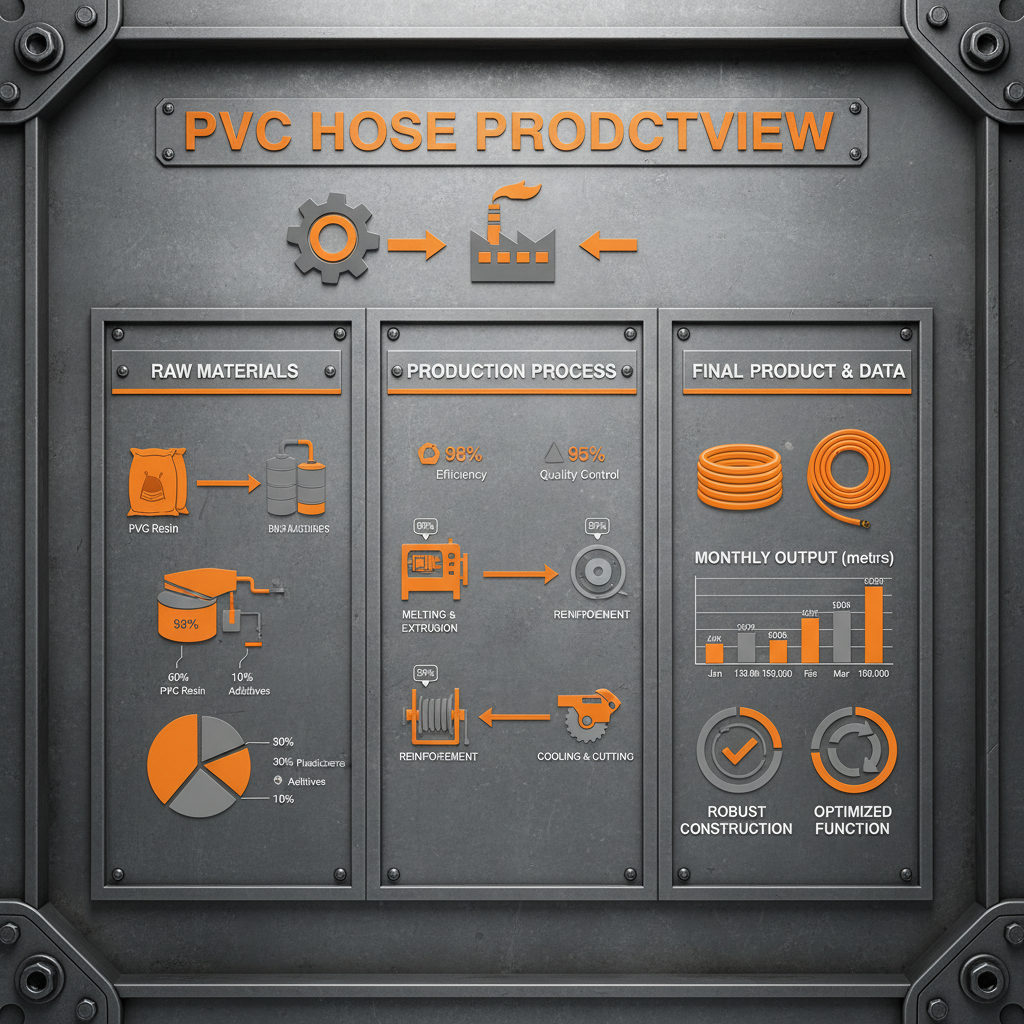
A pvc hose factory is an integral node in the complex network of global supply chains. It doesn’t merely produce a product; it enables the function of countless other industries. From transporting water for agricultural irrigation to delivering crucial fluids in emergency medical situations, the hoses manufactured by these facilities are indispensable.
The efficiency and reliability of a pvc hose factory directly impact the productivity and profitability of its client industries. Disruptions in supply, quality inconsistencies, or delayed deliveries can cascade through the entire chain, leading to significant economic repercussions. Therefore, selecting a dependable and strategically located factory is a critical business decision.
A trustworthy pvc hose factory should hold certifications like ISO 9001 for quality management, demonstrating a commitment to consistent product quality and customer satisfaction. ISO 14001 showcases environmental responsibility, while specific industry certifications (e.g., for potable water hoses) ensure compliance with relevant safety standards. These certifications validate the factory's processes and provide assurance to clients. Look for evidence of regular audits and continuous improvement initiatives.
A flexible pvc hose factory will possess in-house design and engineering capabilities to accommodate customization requests. This includes adjusting hose dimensions, materials, reinforcement layers, and fittings to meet specific application requirements. The process typically involves a detailed consultation with the client, followed by prototyping, testing, and final production. Effective communication and a willingness to collaborate are essential.
Lead times from a pvc hose factory vary depending on order size, complexity, and current production schedule. Standard hoses in common sizes may be available for immediate shipment, while customized orders typically require 4-8 weeks for production. Factors like material availability and transportation logistics can also influence lead times. Clear communication and accurate forecasting are crucial for minimizing delays.
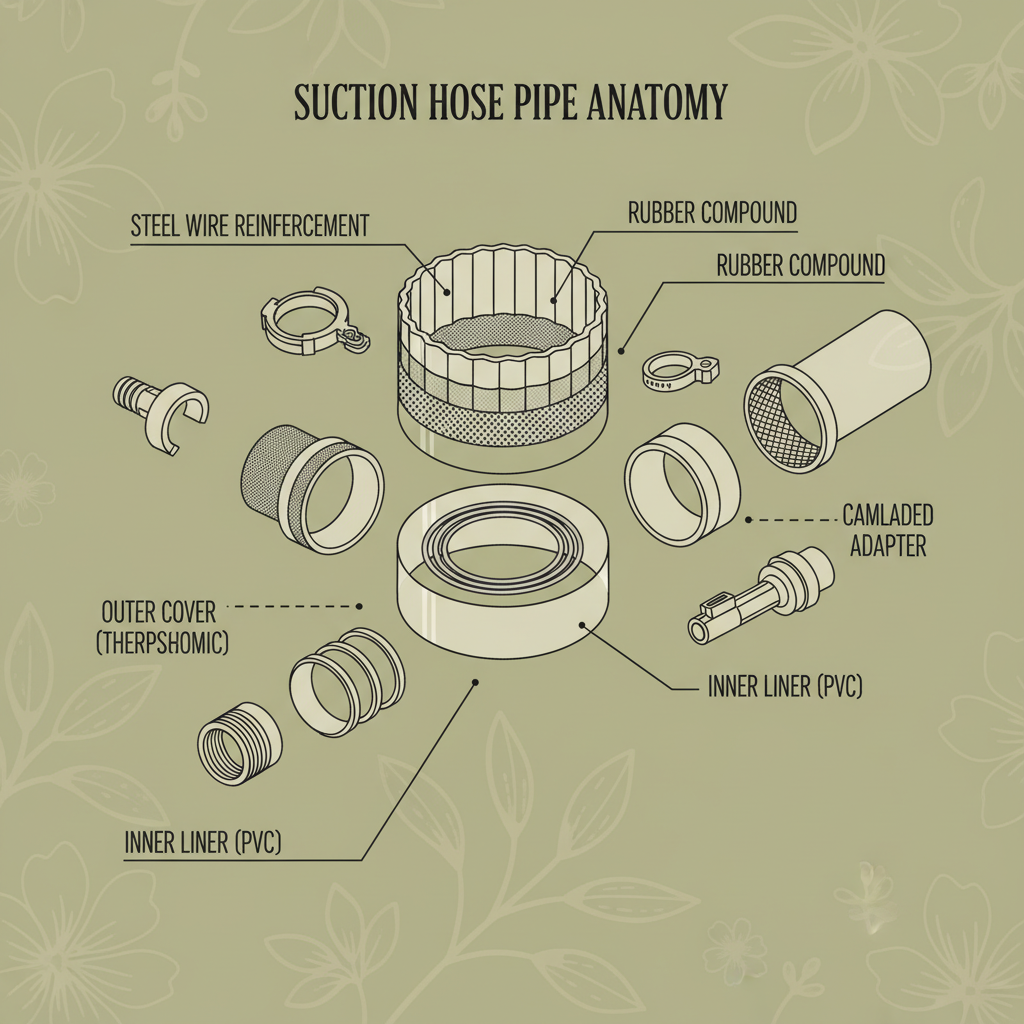
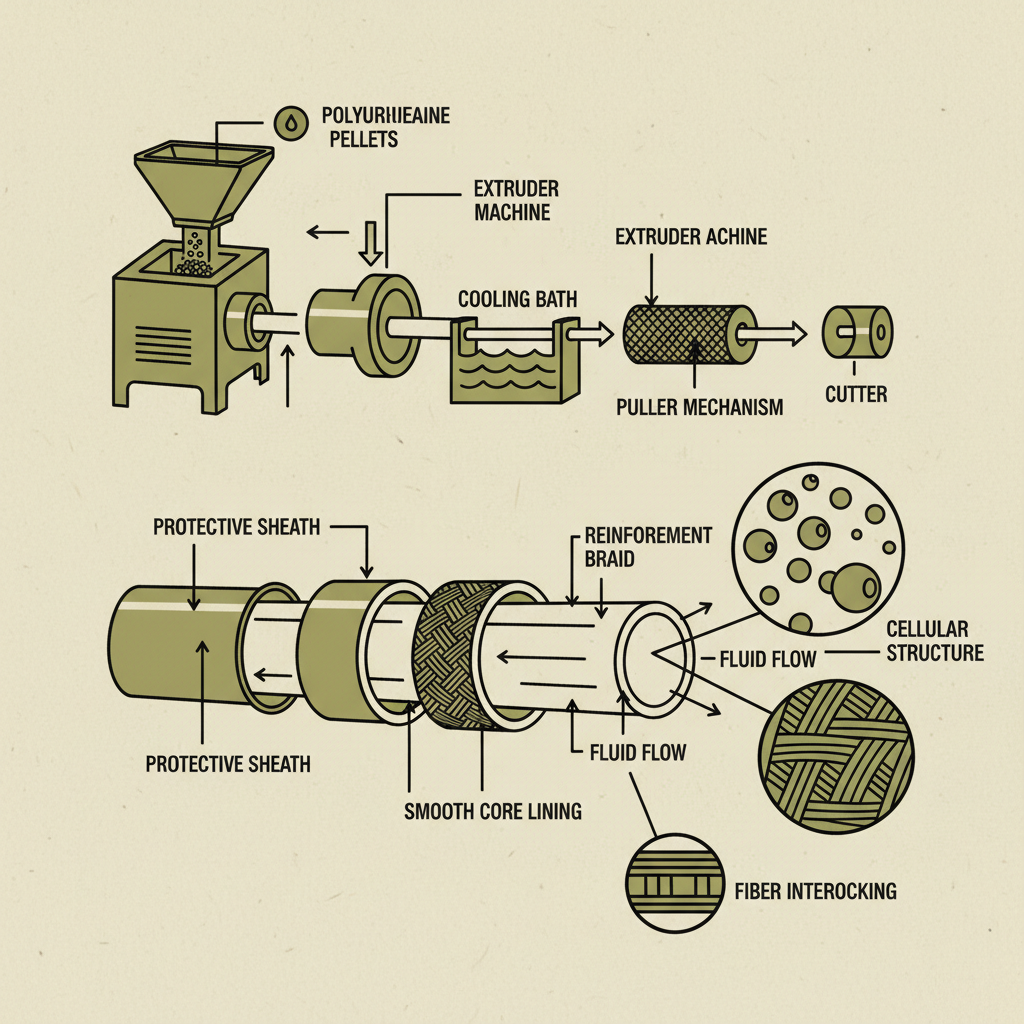
Durability is ensured through careful material selection, precise manufacturing processes, and rigorous quality control testing. The pvc hose factory will use high-grade PVC compounds, reinforced with appropriate braiding or spiral reinforcement, and conduct hydrostatic pressure tests, tensile strength tests, and aging tests to verify performance. A commitment to using high-quality raw materials and adhering to industry standards is key.
Modern pvc hose factory operations are increasingly focused on sustainability. Initiatives include using recycled PVC materials, reducing energy consumption through efficient equipment and processes, minimizing waste generation through recycling programs, and responsibly managing water usage. Some factories are also exploring bio-based PVC alternatives to reduce their environmental footprint.
Excellent post-sale support includes technical assistance with hose selection, installation, and troubleshooting. A reputable pvc hose factory will provide detailed product documentation, readily answer customer inquiries, and offer guidance on proper hose maintenance. Warranty coverage and prompt resolution of any issues are also crucial components of good customer service.
In conclusion, the role of a pvc hose factory is far more significant than simply manufacturing flexible tubes. It's a critical link in global supply chains, enabling countless industries and impacting vital sectors like agriculture, construction, and emergency response. Selecting a reputable factory committed to quality, innovation, and sustainability is paramount for ensuring reliable performance and long-term value.
Looking ahead, the pvc hose factory industry will continue to evolve, driven by technological advancements and increasing environmental concerns. Embracing digitalization, sustainable materials, and customer-centric solutions will be essential for factories to thrive in this dynamic landscape. We encourage you to explore our extensive range of high-quality pvc hoses and experience the difference that a dedicated pvc hose factory can make.

 Afrikaans
 Albanian
 Arabic
 Azerbaijani
 Belarusian
 Bengali
 Bulgarian
 Czech
Czech
 Danish
 Dutch
Dutch
 Finnish
 French
 German
 Greek
Greek
 Hebrew
 Hindi
Hindi
 Hungarian
 Indonesian
 Irish
Irish
 Italian
 Japanese
 Kazakh
 Korean
 Kyrgyz
 Lao
Lao
 Latin
Latin
 Lithuanian
 Luxembourgish
 Malay
Malay
 Mongolian
 Myanmar
 Nepali
 Norwegian
 Persian
 Polish
 Portuguese
 Russian
 Serbian
 Slovak
 Spanish
 Swedish
 Tagalog
 Thai
Thai
 Turkish
 Ukrainian
 Uighur
 Uzbek
Uzbek
 Vietnamese
 Welsh
Welsh
 English