
Look, I've spent the last fifteen years knee-deep in mud and concrete, watching projects come together – and sometimes fall apart. And I’ll tell you, the biggest headaches aren’t always the complex engineering, it’s often the simple stuff that gets overlooked. That’s where something like a high-quality transparent pvc hose comes in. It sounds basic, but getting fluids moved reliably, safely, and seeing what's inside? That's a game changer. From transferring clean water for dust control to pumping slurry for concrete, having a clear view inside the line is invaluable. It’s about preventing downtime, ensuring quality, and honestly, just making everyone’s job a little easier.
I’ve seen too many jobs held up by clogged lines or contaminated materials. You spend hours diagnosing a problem you can’t even see. It’s a waste of time and money. A transparent pvc hose isn’t some fancy tech; it’s practical problem-solving, a way to streamline operations and reduce risk. We’re talking about minimizing waste, protecting the environment, and ultimately, delivering a project on time and within budget.
And it’s not just about construction. Think about agriculture, landscaping, even emergency response. Anywhere you need to move liquids, and knowing what you’re moving is important, this stuff is critical. I’ve seen it used for everything from irrigation systems to fuel transfer in remote locations. It’s a surprisingly versatile piece of kit.
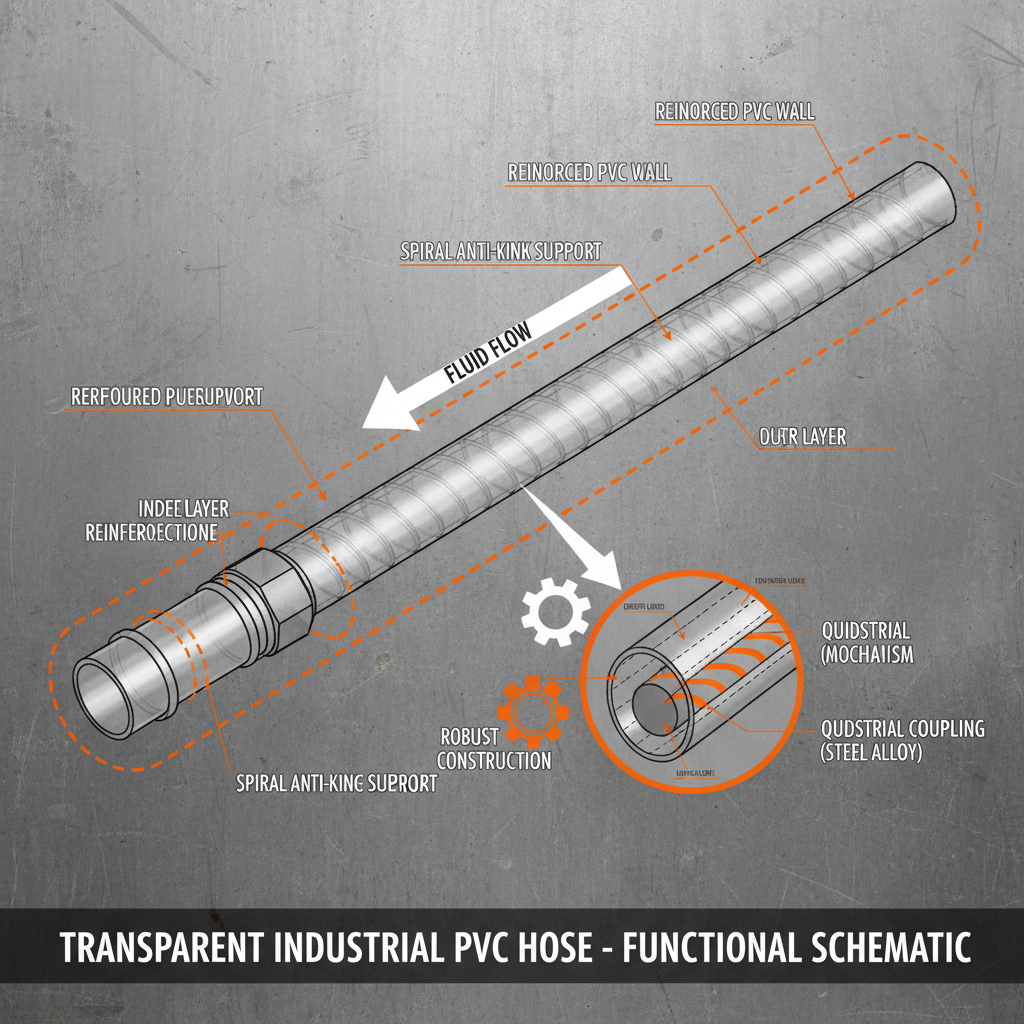
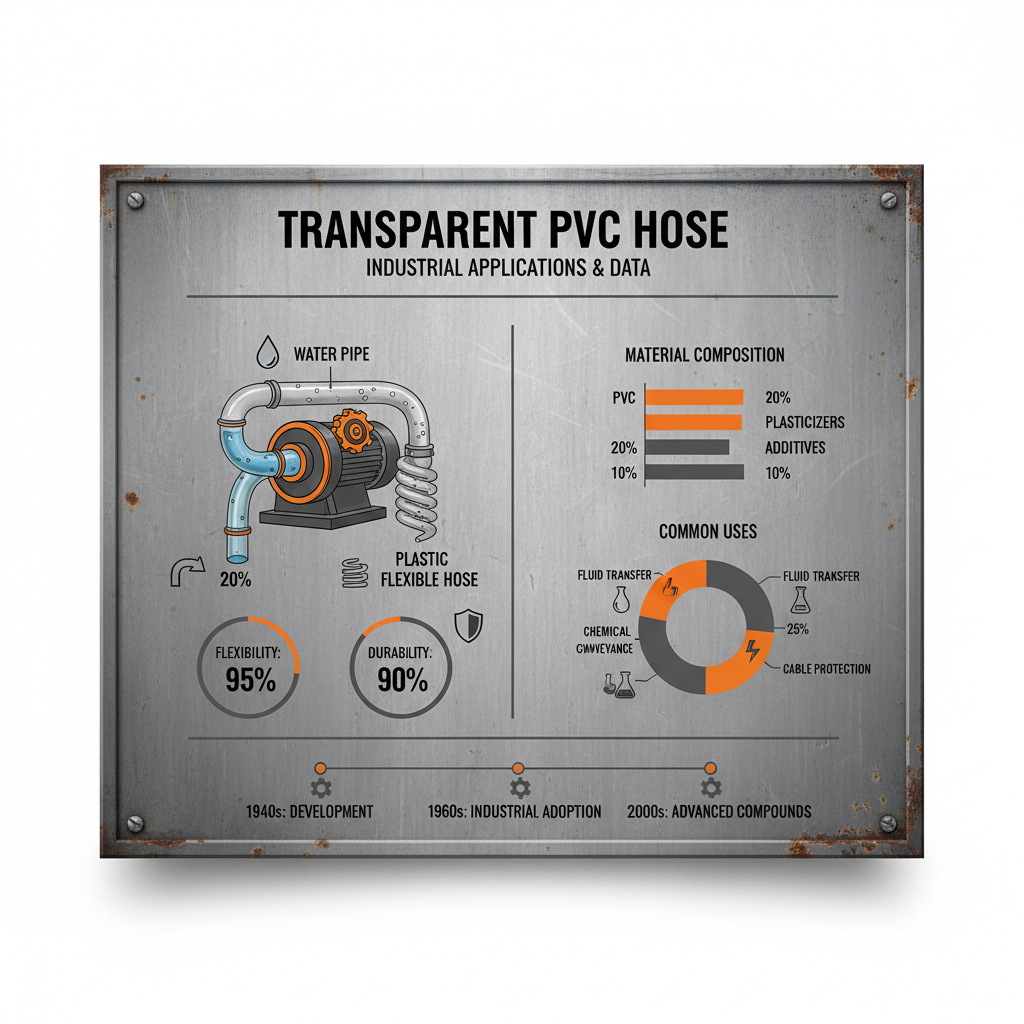
I’ve seen crews spend an entire morning trying to figure out why a pump wasn’t working, only to find a tiny pebble lodged inside the hose. With a transparent pvc hose, you’d spot that in seconds. That kind of visibility saves real money and keeps projects moving. It’s not glamorous, but it’s the stuff that separates a smooth operation from a chaotic one.
Beyond simple obstructions, it lets you monitor the fluid itself. Is the water clean? Is the slurry the right consistency? Knowing these things in real-time prevents bigger problems down the line – issues that can lead to rework, delays, and hefty change orders. And let’s be honest, nobody wants to be explaining that to the client.
The primary benefit is visibility. You can immediately see what’s flowing through the hose – whether it’s clean water, a slurry, or a chemical solution. This allows for quick identification of clogs, contamination, or other issues, preventing downtime and potential problems. It also adds a layer of safety, allowing you to verify the contents before they reach their destination.
You need to consider the maximum pressure the hose will be exposed to, including pump pressure and any potential pressure surges. Always choose a hose with a pressure rating that exceeds your maximum operating pressure by a comfortable margin. It’s better to over-spec than risk a burst or failure. Consult the pump manufacturer’s specifications and factor in any elevation changes or long distances.
It depends. Not all PVC is created equal. You need to specifically look for hoses that are certified as being safe for potable water, meaning they meet NSF/ANSI 61 standards. These hoses are formulated without phthalates and other harmful chemicals that could leach into the water supply. Always check the product specifications before using a hose for potable water.
Proper storage and handling are key. Avoid exposing the hose to direct sunlight, extreme temperatures, and harsh chemicals. Drain the hose completely after each use to prevent mold and mildew growth. Inspect it regularly for signs of wear and tear, and replace it if you notice any cracks or damage. Consider using a hose reel for convenient storage and deployment.
While durable, transparent PVC isn’t suitable for all applications. It’s not as resistant to certain chemicals as other materials like rubber or PTFE. It can also become brittle in extremely cold temperatures. And while transparency is an advantage, prolonged exposure to UV light can cause the PVC to discolor and weaken over time. Understanding these limitations is crucial for selecting the right hose for the job.
Use clamps designed specifically for PVC hose. Avoid overtightening the clamps, as this can damage the hose. Ensure the fittings are compatible with the hose diameter and material. For high-pressure applications, consider using reinforced fittings and double-clamping for added security. Regularly inspect the connections for leaks or loosening.
From minimizing downtime on construction sites to ensuring clean water delivery in agricultural operations, the humble transparent pvc hose plays a surprisingly vital role in countless industries. It’s a testament to the power of simple, well-engineered solutions. Choosing the right hose, understanding its limitations, and implementing proper maintenance practices can save you time, money, and headaches in the long run.
The future of PVC hose technology is focused on sustainability, smart features, and improved performance. As materials science continues to advance, we can expect to see even more innovative and reliable hoses that meet the evolving needs of various applications. Don’t underestimate the value of investing in quality. Visit our website to explore our full range of transparent PVC hoses and find the perfect solution for your next project.

 Afrikaans
 Albanian
 Arabic
 Azerbaijani
 Belarusian
 Bengali
 Bulgarian
 Czech
Czech
 Danish
 Dutch
Dutch
 Finnish
 French
 German
 Greek
Greek
 Hebrew
 Hindi
Hindi
 Hungarian
 Indonesian
 Irish
Irish
 Italian
 Japanese
 Kazakh
 Korean
 Kyrgyz
 Lao
Lao
 Latin
Latin
 Lithuanian
 Luxembourgish
 Malay
Malay
 Mongolian
 Myanmar
 Nepali
 Norwegian
 Persian
 Polish
 Portuguese
 Russian
 Serbian
 Slovak
 Spanish
 Swedish
 Tagalog
 Thai
Thai
 Turkish
 Ukrainian
 Uighur
 Uzbek
Uzbek
 Vietnamese
 Welsh
Welsh
 English