0%

Table of Contents

The efficient and reliable delivery of water is fundamental to modern life, and a watering garden hose is a cornerstone of this process. From sprawling agricultural operations to simple home gardens, the ability to transport water effectively is crucial for sustaining plant life and maintaining healthy ecosystems. This article explores the world of watering garden hoses, delving into their construction, applications, advantages, and future trends, highlighting their indispensable role in a variety of settings.

Globally, the demand for efficient irrigation solutions is escalating due to factors like population growth, climate change, and increasing food security concerns. According to the UN, global water demand is projected to exceed supply by 40% by 2030, making efficient water management, including the use of quality watering garden hose, more critical than ever. These tools aren’t simply accessories; they’re integral to resource conservation and sustainable practices.

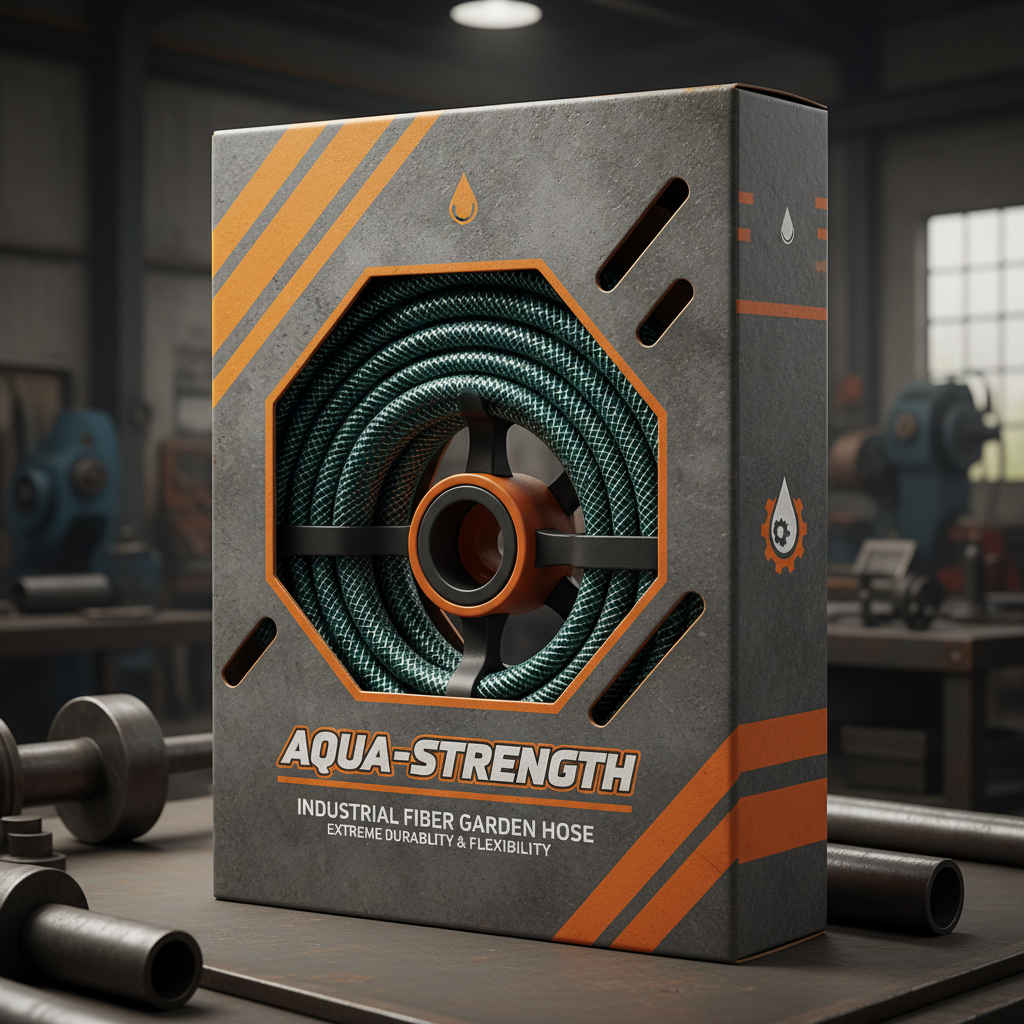
A watering garden hose, in its simplest form, is a flexible tube used to convey water from a source to a desired location. However, modern hoses encompass a range of materials, designs, and features tailored to specific needs. They represent a vital link in bridging the gap between water sources and the applications requiring it, impacting industries from agriculture and landscaping to emergency response and even industrial cooling systems.
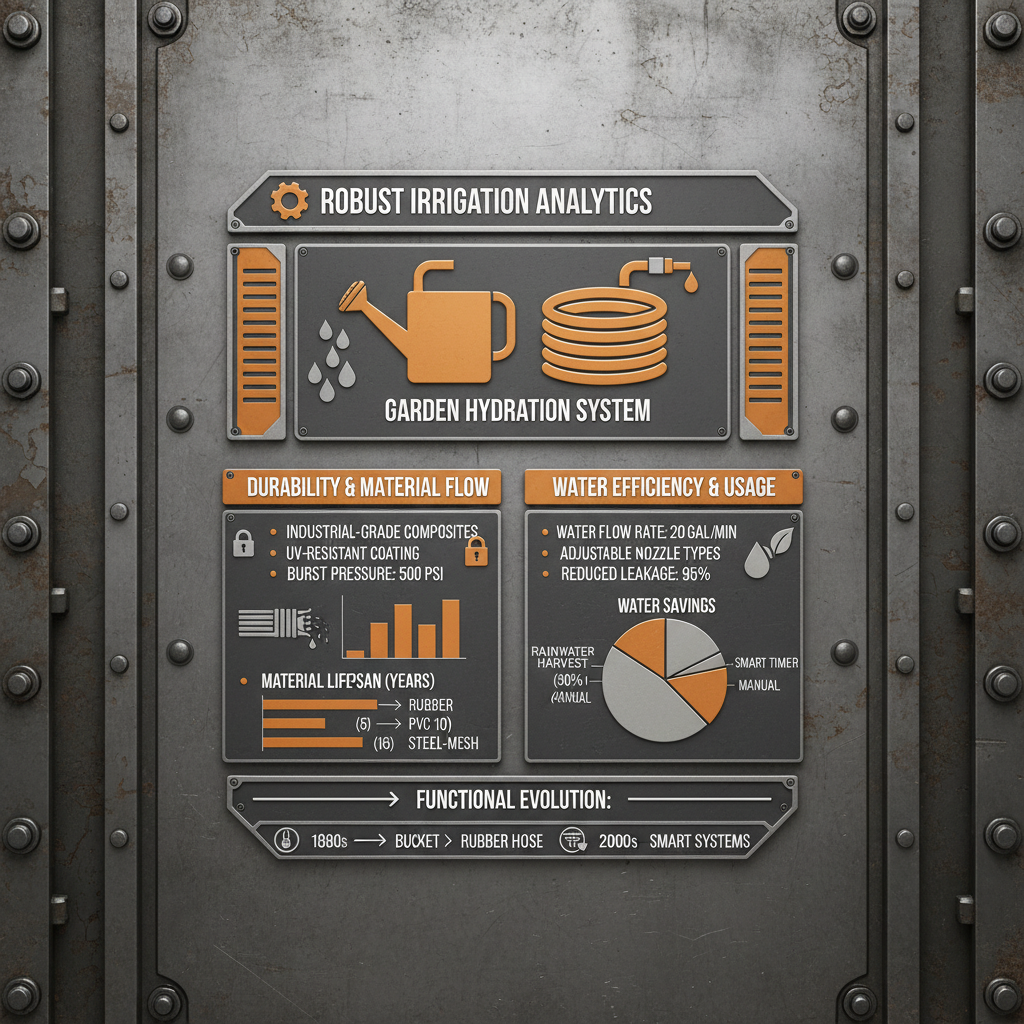
The Indispensable Role of a Watering Garden Hose in Modern Life and Beyond

The Importance of Watering Garden Hose

The Indispensable Role of a Watering Garden Hose in Modern Life and Beyond

The ability to deliver water efficiently and effectively is critical for a wide range of applications, and a watering garden hose serves as a fundamental tool in this process. Its simplicity belies its importance, impacting everything from home gardening to large-scale agricultural operations. Choosing the right hose is, therefore, not just a matter of convenience, but one of resource management and overall efficiency.

Beyond direct irrigation, watering garden hose are used in various other contexts, including washing vehicles, cleaning outdoor surfaces, and even as temporary water sources in emergency situations. The versatility of these hoses makes them an essential item for households, businesses, and public services alike.

Global Relevance and Applications

The need for effective water delivery systems extends far beyond domestic gardens. Globally, agriculture is the largest consumer of freshwater, and efficient irrigation is crucial for ensuring food security. Watering garden hose, alongside more sophisticated irrigation technologies, plays a vital role in delivering water to crops, optimizing yields, and minimizing water waste in regions facing water scarcity.

In urban environments, watering garden hose are essential for maintaining parks, green spaces, and landscaping. They're also critical for construction sites, providing water for dust control, concrete mixing, and cleaning purposes. Furthermore, emergency services rely on hoses for firefighting and disaster relief efforts, highlighting their importance in safeguarding lives and property.

The ISO standards for hose production, such as ISO 10546-1, aim to establish quality and performance benchmarks. These standards ensure that watering garden hose meet specific requirements for pressure resistance, durability, and safety, contributing to their reliability and long-term effectiveness worldwide.

Defining Watering Garden Hose

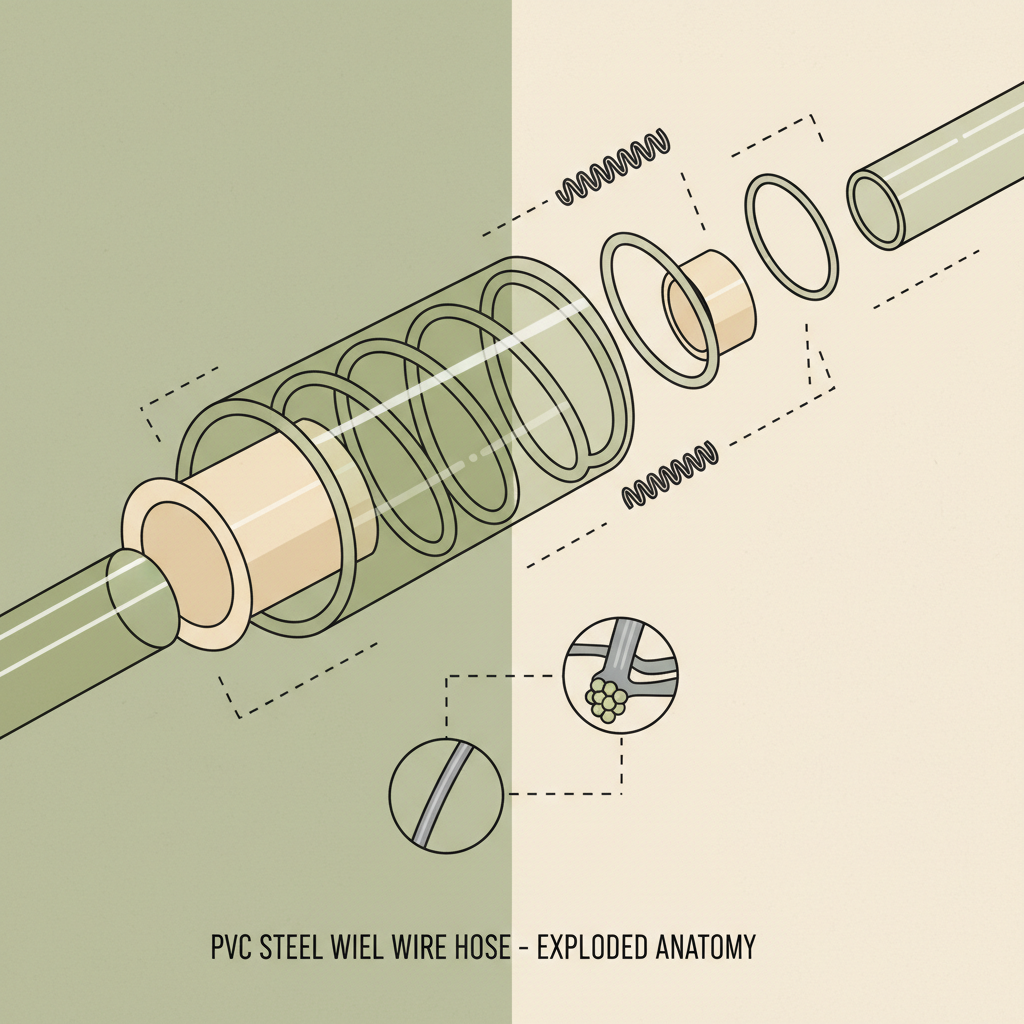
A watering garden hose is fundamentally a flexible conduit designed to transport water under pressure. Traditionally, these hoses were made from natural rubber, but modern hoses utilize a variety of materials, including PVC, polyurethane, and reinforced rubber composites. The core function remains consistent: to provide a convenient and adaptable means of delivering water to a specific location.

The connection between a watering garden hose and modern industrial and humanitarian needs is deeply rooted in the need for accessible and reliable water transport. In industrial settings, they facilitate cooling processes, equipment cleaning, and material handling. In humanitarian crises, they provide a lifeline for clean water access, vital for sanitation and disease prevention.

The evolution of watering garden hose reflects advancements in materials science and engineering, driven by the increasing demand for durability, flexibility, and resistance to various environmental factors. These ongoing improvements ensure that hoses can withstand harsh conditions and provide a long-lasting, reliable solution for a wide range of applications.

Key Factors in Hose Selection

Selecting the appropriate watering garden hose requires careful consideration of several key factors. Durability is paramount; the hose should be able to withstand repeated use, exposure to sunlight, and varying weather conditions without cracking, leaking, or bursting.

Another crucial aspect is flexibility. A hose that is easy to maneuver and coil simplifies tasks and reduces strain on both the hose and the user. The material composition significantly influences flexibility, with rubber and polyurethane hoses generally offering greater pliability than PVC.

Watering Garden Hose Performance Metrics


Real-World Applications

In agriculture, watering garden hose are used for irrigation, crop spraying, and fertilizer application, supporting efficient food production. In landscaping, they're essential for maintaining gardens, lawns, and public spaces, contributing to aesthetic appeal and environmental health.

Emergency responders rely heavily on these hoses for firefighting, delivering water to extinguish fires and protect lives and property. Furthermore, industrial facilities utilize watering garden hose for various processes, including cooling, cleaning, and material transfer.

Advantages and Long-Term Value

Choosing a high-quality watering garden hose offers numerous tangible benefits. Cost-effectiveness is a major factor, as durable hoses require less frequent replacement, reducing long-term expenses. Sustainability is also enhanced by minimizing waste and conserving water through efficient delivery.

Beyond the practical advantages, watering garden hose contribute to increased safety by providing a reliable water source for emergency situations. They promote dignity by enabling access to clean water in communities lacking adequate infrastructure and foster innovation through ongoing advancements in materials and design.

Future Trends & Innovations

The future of watering garden hose is poised for innovation. Developments in materials science are leading to the creation of lighter, more durable, and more environmentally friendly hoses. Smart hoses equipped with sensors and automated controls are also emerging, offering features such as leak detection and remote operation.

The integration of sustainable manufacturing practices, utilizing recycled materials and reducing carbon emissions, is becoming increasingly important. Furthermore, research into biodegradable hose materials is gaining traction, offering a more environmentally responsible end-of-life solution.

FAQS

What material is best for a watering garden hose?

The "best" material depends on your needs. PVC is affordable and lightweight, but less durable. Rubber offers excellent flexibility and durability, but is heavier and more expensive. Reinforced rubber or polyurethane hoses provide a balance of both, offering superior performance for demanding applications. Consider factors like frequency of use, water pressure, and environmental conditions when choosing.

How do I prevent my watering garden hose from kinking?

Kinking is a common issue. Opt for a hose with reinforced construction to resist bending. Avoid sharp turns and tightly coiling the hose. Store it loosely on a hose reel or hanger. Regularly check for and remove any internal debris that could contribute to kinking. Consider a “kink-resistant” hose specifically designed to minimize this problem.

How long can I expect a quality watering garden hose to last?

A high-quality watering garden hose, with proper care, can last between 5 and 10 years, or even longer. Factors affecting lifespan include frequency of use, exposure to sunlight, water quality, and storage conditions. Protecting it from extreme temperatures and physical damage will significantly extend its service life.

What is the appropriate water pressure for a standard watering garden hose?

Most standard watering garden hose are rated for water pressures between 40 and 60 PSI (pounds per square inch). Exceeding the recommended pressure can damage the hose and potentially cause it to burst. Check the hose’s specifications for its maximum pressure rating and ensure your water supply is within that range. A pressure regulator can be used to lower water pressure if needed.

How do I properly store my watering garden hose during the winter?

Before winter, drain all water from the watering garden hose to prevent freezing and cracking. Disconnect it from the faucet and store it indoors in a dry, frost-free location. Coiling it loosely is preferable to tight wrapping, which can cause damage. Protect it from direct sunlight and extreme temperatures.

Are there any eco-friendly watering garden hose options available?

Yes! Look for hoses made from recycled materials or those labeled as “lead-free” and “phthalate-free” to minimize environmental impact. Some manufacturers are also exploring biodegradable hose materials. Choosing a durable hose that lasts longer also reduces waste, contributing to a more sustainable approach.

Conclusion

In conclusion, the watering garden hose is a deceptively simple yet indispensable tool with far-reaching implications. From ensuring food security and maintaining urban landscapes to providing essential support during emergencies, its versatility and reliability make it a cornerstone of modern life. Understanding the factors influencing hose selection, coupled with an awareness of emerging innovations, is crucial for maximizing efficiency and sustainability.

Looking ahead, continued advancements in materials science and smart technology promise to further enhance the performance and environmental friendliness of these essential tools. By embracing innovation and prioritizing responsible manufacturing practices, we can ensure that watering garden hose continue to play a vital role in a more sustainable and resilient future. Visit our website to explore our range of high-quality watering garden hoses: www.kebinghose.com.

David Miller

David Miller

David Miller is Kebing’s Senior Sales Engineer, specializing in pneumatic and high-pressure hose applications. With over 8 years of experience in industrial material sales, David focuses on building strong relationships with clients in the manufacturing and automotive sectors. He's a graduate of Purdue University with a degree in Mechanical Engineering,
Previous Comprehensive Guide to PVC Hose Suppliers for Industrial and Commercial Applications
Next Comprehensive Guide to Effective Garden Hose Cleaning and Maintenance
INQUIRE
en_USEnglish