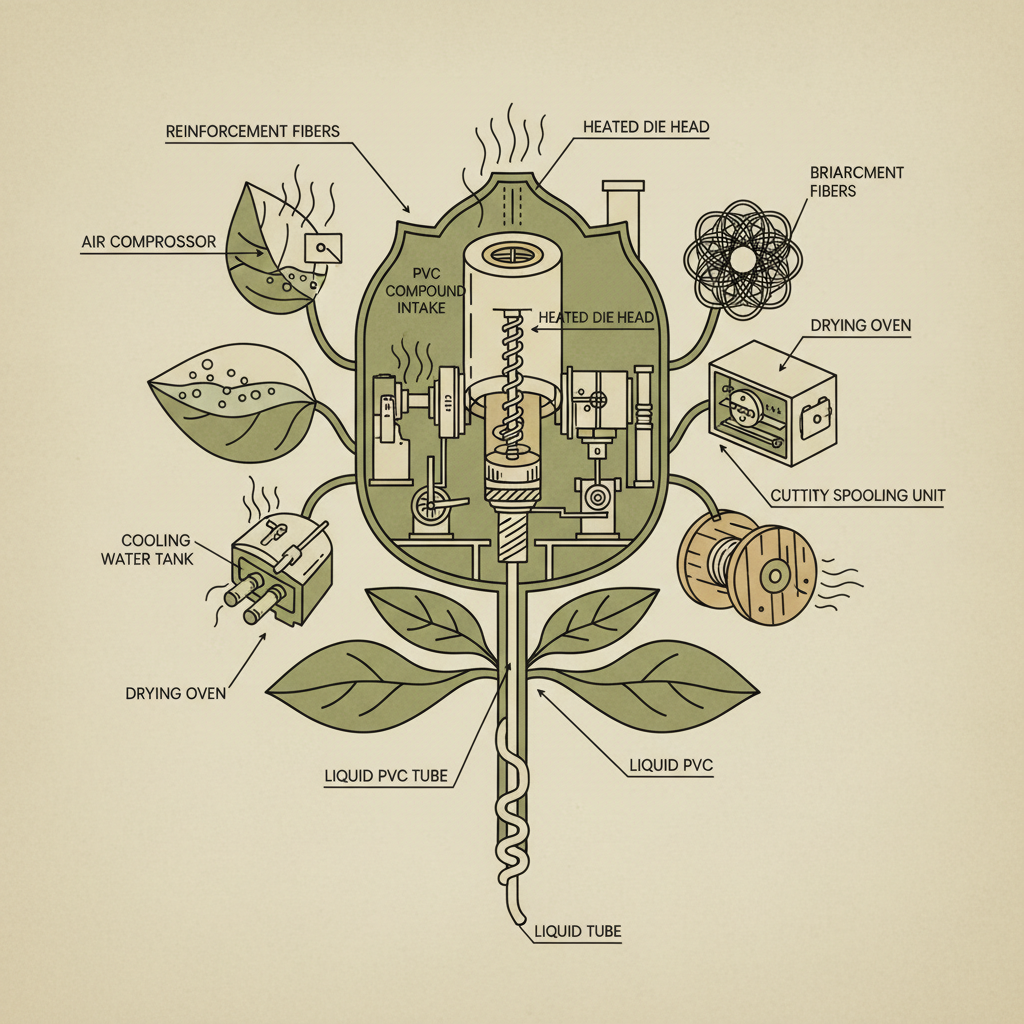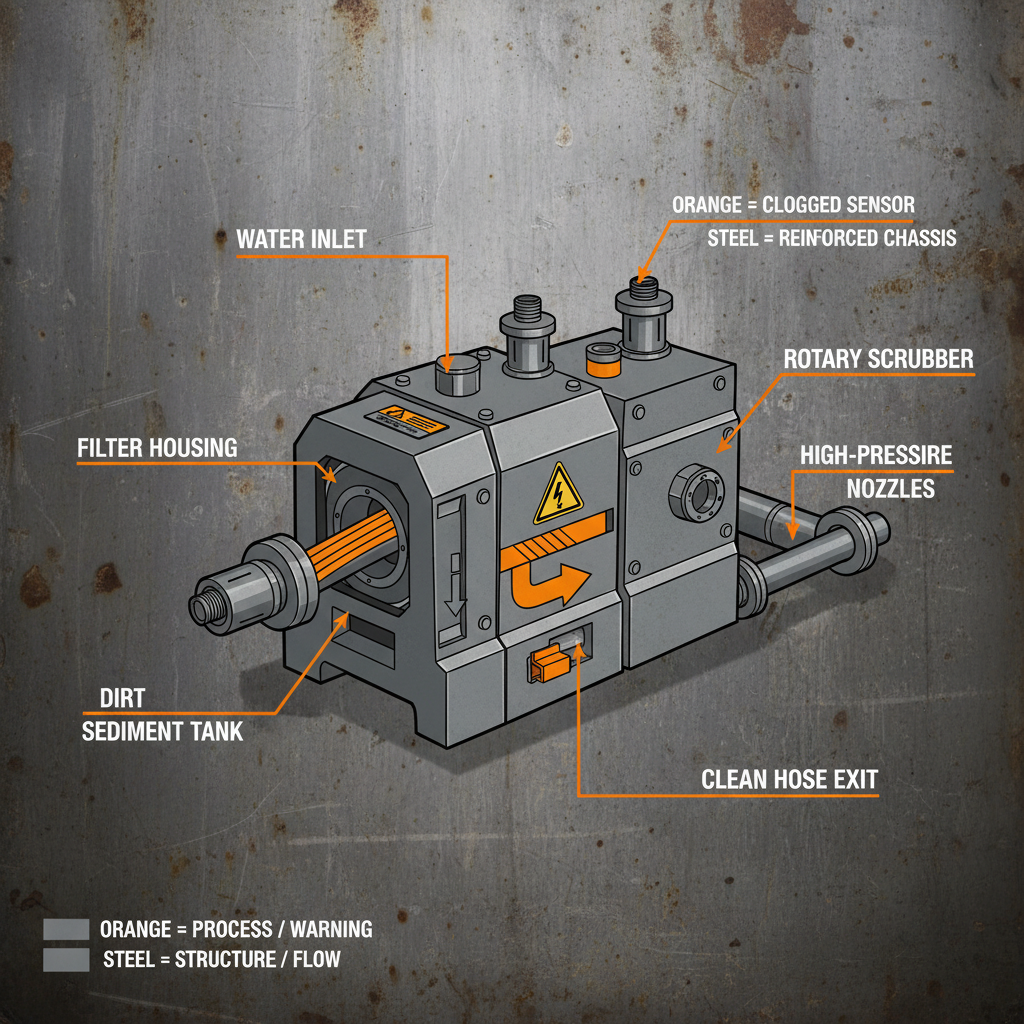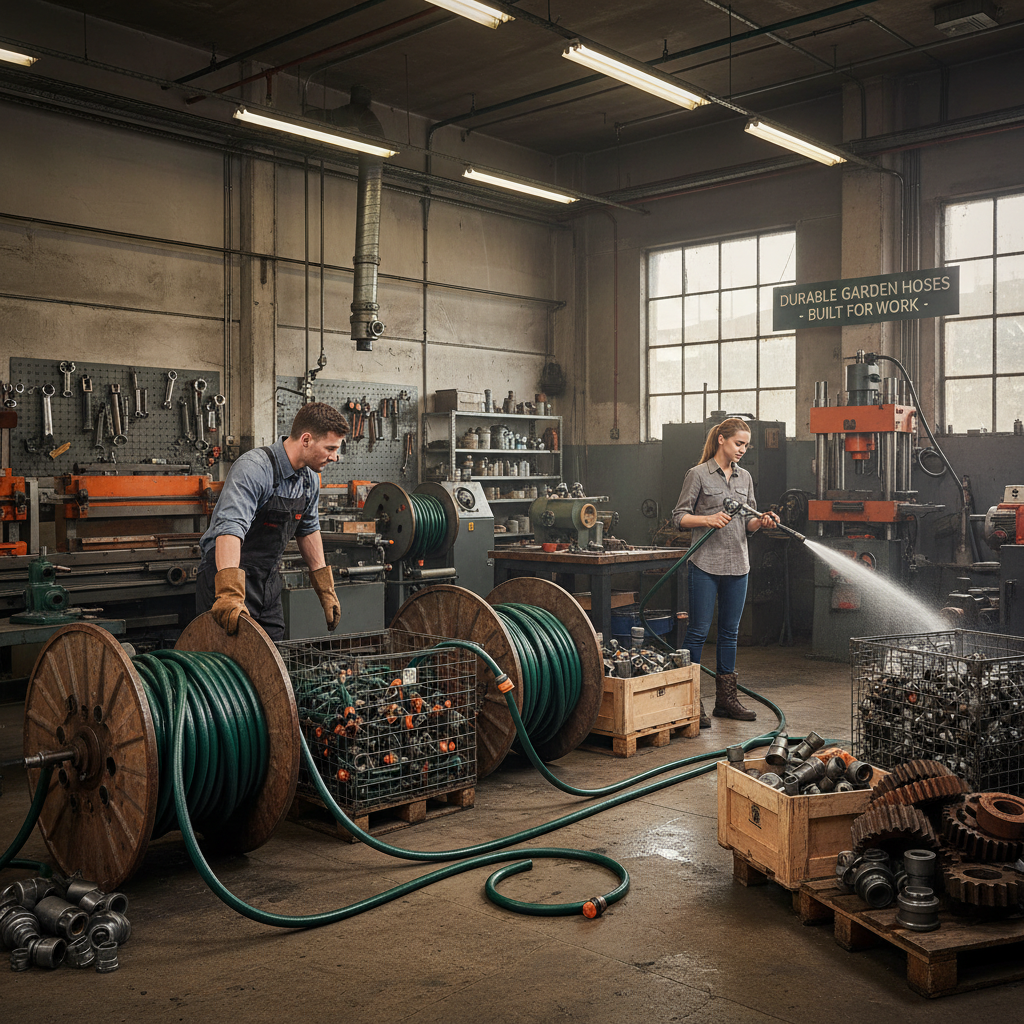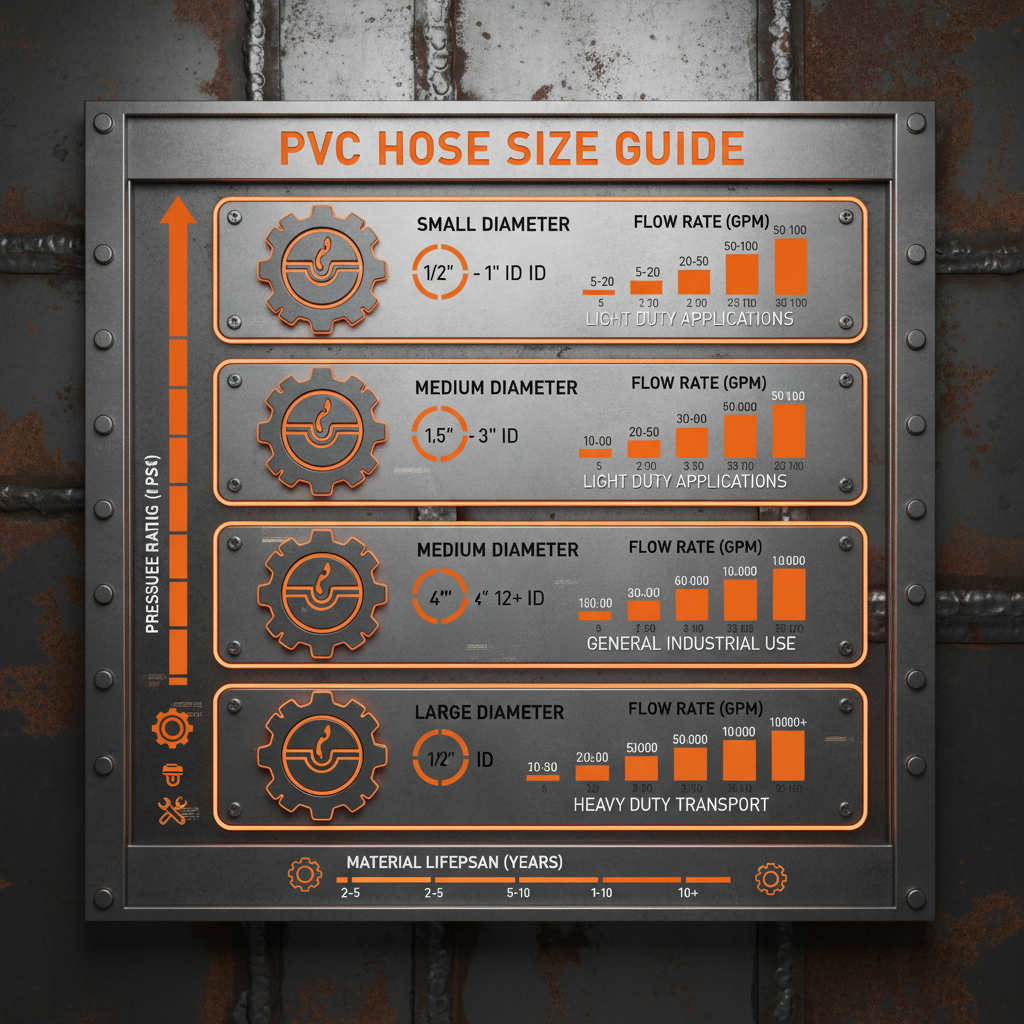
The humble 20mm PVC hose, often overlooked, plays a critical role in a surprisingly vast array of applications globally. From agricultural irrigation and construction site water management to emergency response and even specialized industrial processes, this versatile tubing quietly facilitates essential operations. Its inherent properties – flexibility, durability, and cost-effectiveness – make it a cornerstone material for both developed and developing nations. Understanding the nuances of 20mm PVC hose, its manufacturing, applications, and potential for future innovation is increasingly important as global demands for water, infrastructure, and resilience continue to grow.
The global market for PVC hoses is substantial and continuously expanding. Estimates project consistent growth driven by infrastructure development in emerging economies, coupled with increasing demands for efficient water distribution systems. ISO standards and regional regulations heavily influence the production and quality control of 20mm PVC hose, ensuring consistent performance across diverse environments. A challenge remains, however, in addressing the environmental concerns surrounding PVC production and disposal. Developing sustainable alternatives and improving recycling processes are critical to mitigating this impact and ensuring the long-term viability of this essential material.
The core benefit of understanding 20mm PVC hose lies in its ubiquitous presence and its impact on daily life. Whether delivering potable water to communities or facilitating disaster relief efforts, this unassuming component is frequently the linchpin of vital systems. Its affordability makes it accessible to a wider range of users, from small-scale farmers to large construction companies, contributing to economic development and improved living conditions worldwide.
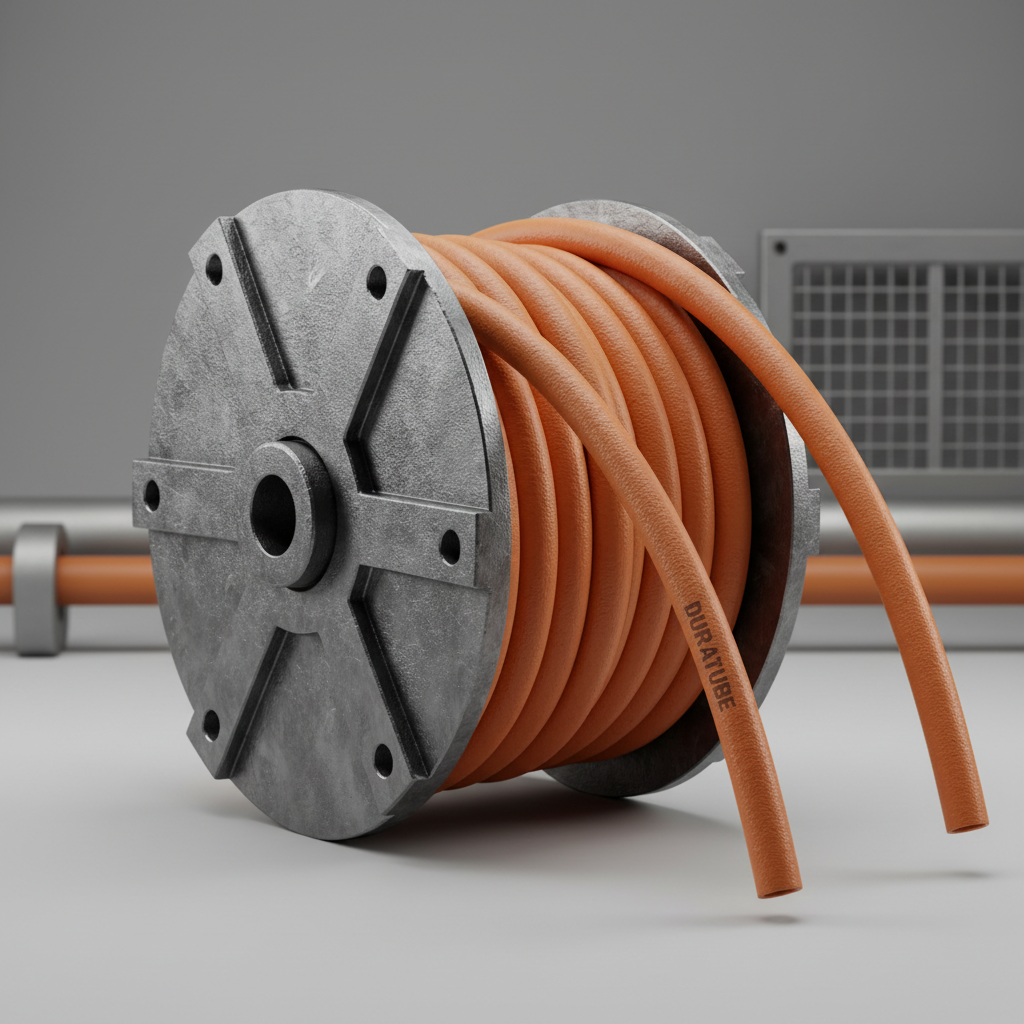
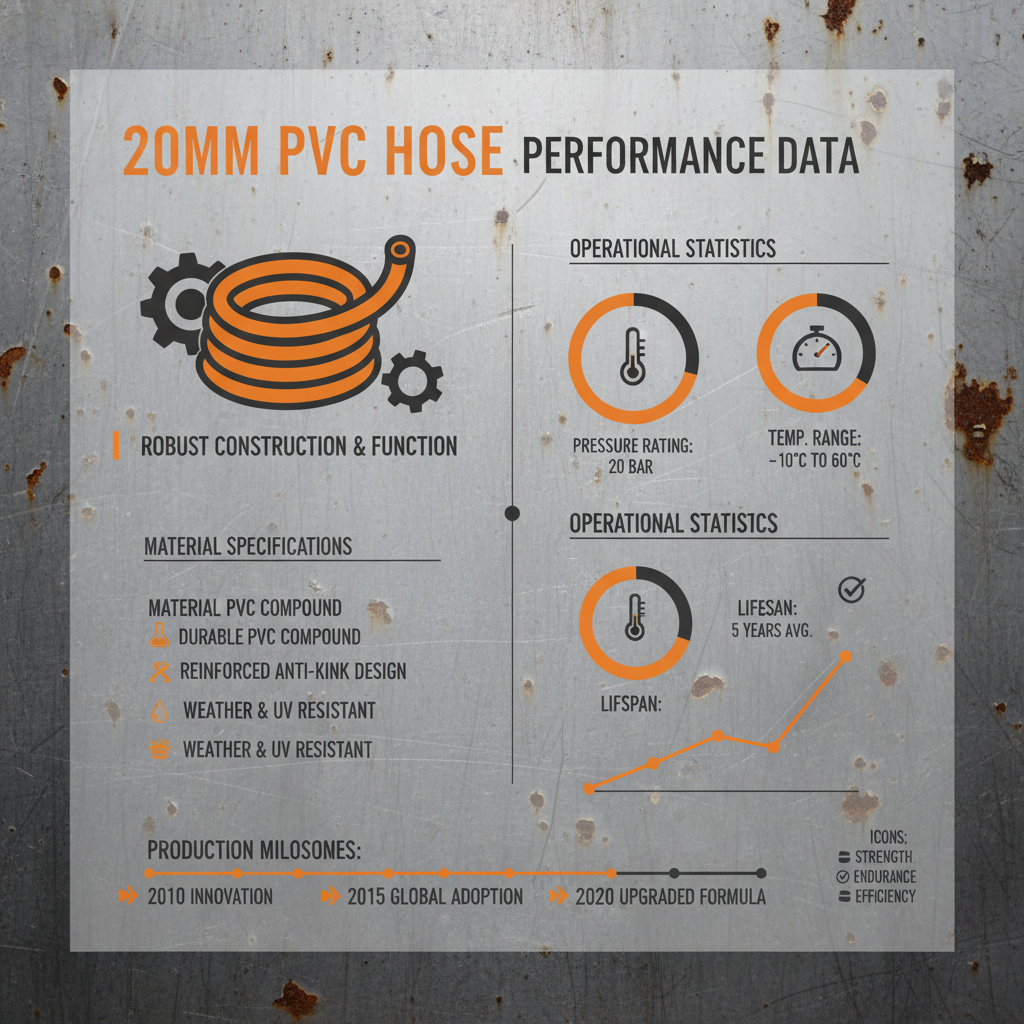
20mm PVC hose represents a standard diameter within the wider family of Polyvinyl Chloride hoses, known for its widespread use in fluid transfer applications. Its 20mm (approximately ¾ inch) internal diameter makes it particularly suitable for a broad range of residential, commercial, and industrial needs, striking a balance between flow rate and manageability. The material itself – PVC – is chosen for its excellent chemical resistance, affordability, and relative ease of manufacturing.
The significance of 20mm PVC hose extends beyond simple water conveyance. It’s an integral component in irrigation systems, providing a reliable pathway for delivering water to crops. In construction, it facilitates the removal of debris and the transfer of liquids. And in emergency situations, its portability and ease of connection make it invaluable for establishing temporary water supplies or drainage solutions. This versatility underpins its global demand.
A standard 20mm PVC hose typically has a working pressure rating between 80-120 PSI, depending on the hose’s gauge (thickness of the walls). Exceeding this pressure can lead to burst hoses and potential safety hazards. It’s critical to check the manufacturer’s specifications on the hose itself to determine the safe operating pressure. Always consider temperature as well, as higher temperatures can reduce the pressure rating. 20mm pvc hose from reputable suppliers will clearly display this information.
Whether 20mm PVC hose is suitable for potable water depends on the hose’s formulation and certifications. Not all PVC compounds are created equal. Hoses specifically designated as “potable water safe” are manufactured using PVC formulations that comply with relevant health standards (like NSF/ANSI 61) and don't leach harmful chemicals into the water. Look for clear labeling indicating potability approval before using any PVC hose for drinking water applications.
The lifespan of a 20mm PVC hose exposed to outdoor conditions varies based on UV exposure, temperature fluctuations, and frequency of use. Direct sunlight degrades PVC over time, making it brittle. Expect a lifespan of 2-5 years with regular exposure. Using UV-resistant hoses and storing the hose in a shaded area when not in use will significantly extend its life. Regular inspection for cracks or damage is also crucial.
While PVC has good chemical resistance, it’s not universally compatible with all chemicals. The suitability depends on the specific chemical’s concentration, temperature, and duration of exposure. Always consult a chemical compatibility chart or contact the hose manufacturer to verify compatibility before using a 20mm PVC hose for chemical transfer. Using an incompatible hose can lead to degradation, leaks, and potentially dangerous situations.
The most common method is to use hose clamps and barbed fittings. Ensure the barbed fitting is fully inserted into the hose. The hose clamp should be positioned correctly (before the barb) and tightened securely, but not overtightened to avoid damaging the hose. PVC cement can be used for permanent connections, but requires proper surface preparation and ventilation. Always follow the fitting manufacturer's instructions.
Store the hose in a cool, dry, and dark location, away from direct sunlight and extreme temperatures. Avoid kinking or bending the hose tightly, as this can cause permanent damage. Drain all water from the hose before storing it to prevent freezing and cracking in colder climates. Coiling the hose loosely is preferable to tight wrapping.
In conclusion, 20mm PVC hose is a remarkably versatile and essential component in a vast range of applications, from agriculture and construction to emergency response and industrial processes. Its durability, flexibility, cost-effectiveness, and chemical resistance make it a superior choice compared to many alternative materials. Understanding its properties, applications, and future trends is crucial for professionals across multiple sectors.
Looking ahead, prioritizing sustainable manufacturing practices, exploring bio-based alternatives, and implementing robust recycling programs are vital to minimizing the environmental impact of PVC hose production. By embracing innovation and responsible practices, we can ensure that 20mm PVC hose continues to serve as a reliable and valuable resource for generations to come. Visit our website at www.kebinghose.com to learn more and explore our range of high-quality PVC hoses.

 Afrikaans
 Albanian
 Arabic
 Azerbaijani
 Belarusian
 Bengali
 Bulgarian
 Czech
Czech
 Danish
 Dutch
Dutch
 Finnish
 French
 German
 Greek
Greek
 Hebrew
 Hindi
Hindi
 Hungarian
 Indonesian
 Irish
Irish
 Italian
 Japanese
 Kazakh
 Korean
 Kyrgyz
 Lao
Lao
 Latin
Latin
 Lithuanian
 Luxembourgish
 Malay
Malay
 Mongolian
 Myanmar
 Nepali
 Norwegian
 Persian
 Polish
 Portuguese
 Russian
 Serbian
 Slovak
 Spanish
 Swedish
 Tagalog
 Thai
Thai
 Turkish
 Ukrainian
 Uighur
 Uzbek
Uzbek
 Vietnamese
 Welsh
Welsh
 English