


Understanding the Strength and Versatility of 2 Reinforced Hose Applications
Understanding 2 Reinforced Hose: Applications and Benefits
When selecting a hose for demanding applications, durability and reliability are paramount. 2 reinforced hose offers exceptional strength and resistance, making it ideal for various industrial and commercial uses. This article will explore the construction, applications, benefits, and key considerations when choosing a 2 reinforced hose. We will also highlight why Kebing Hose stands out as a trusted provider of high-quality reinforced hoses.
What Makes a Hose “2 Reinforced”?
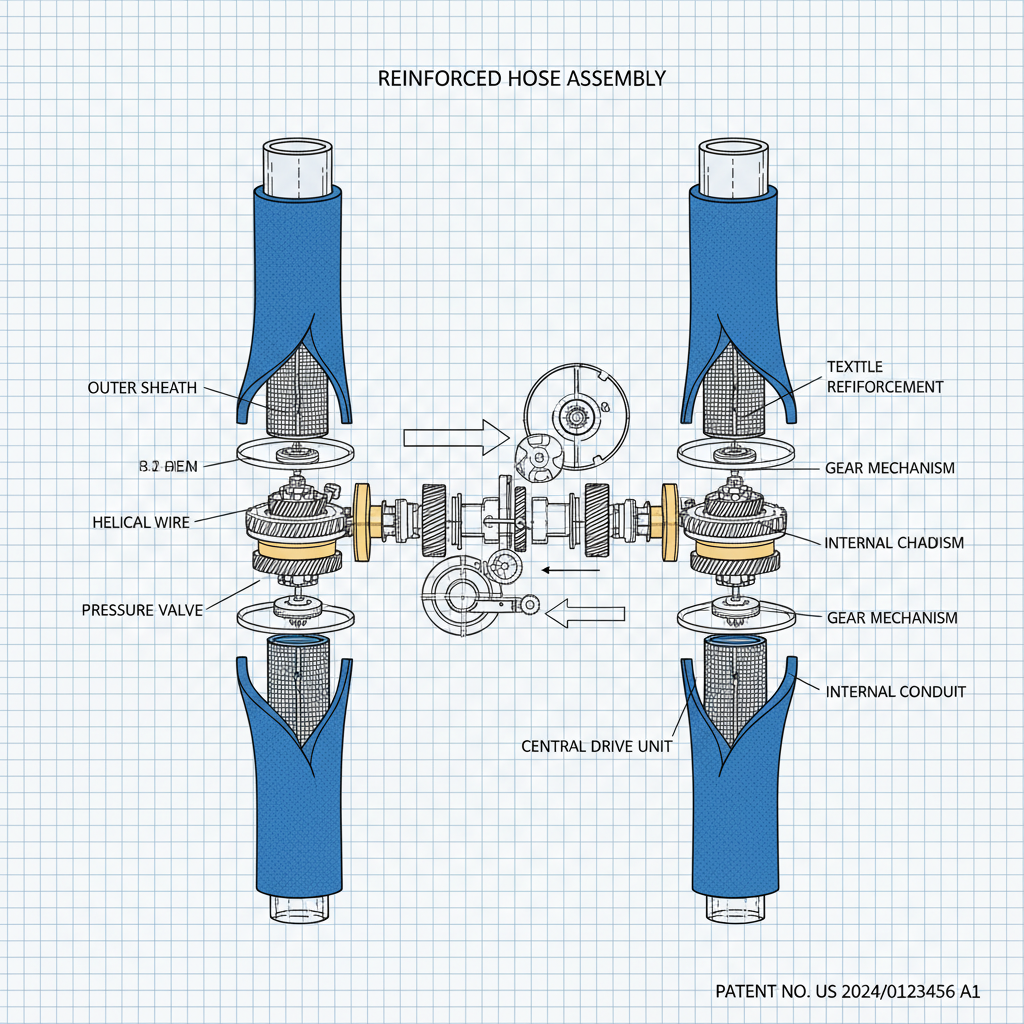
The term “2 reinforced” refers to the hose’s construction, specifically the number of reinforcement layers embedded within its walls. These layers, typically made of textile braiding or high-tensile wire, significantly enhance the hose’s ability to withstand high pressure, extreme temperatures, and abrasive materials. Unlike single-layer hoses, 2 reinforced hoses provide a superior level of protection against bursting, kinking, and collapsing. This makes them perfect for applications where reliability is non-negotiable. A standard hose construction typically consists of an inner tube, reinforcement layers, and an outer cover.
Key Highlights: 2 reinforced hoses utilize multiple layers of braiding or wire to boost pressure capacity, improve temperature resistance, and extend lifespan.
Common Applications of 2 Reinforced Hose
2 reinforced hoses find applications across a broad spectrum of industries. They are frequently used in agriculture for irrigation and chemical spraying, in construction for conveying water, air, and other fluids, and in manufacturing for various process applications. Automotive industries employ these hoses for coolant and hydraulic systems. Furthermore, they are invaluable in emergency services for firefighting and rescue operations. The ability to handle high pressures and maintain integrity under stress is crucial in all these scenarios. Choosing the right hose ensures both safety and efficiency.
Application Examples:
• Agricultural Irrigation
• Construction Water Supply
• Industrial Chemical Transfer
• Automotive Coolant Systems
2 Reinforced Hose vs. Single Reinforced Hose: A Comparative Analysis
The key difference between a 2 reinforced hose and a single reinforced hose lies in their pressure handling capabilities and overall durability. While single reinforced hoses are suitable for low-pressure applications, 2 reinforced hoses excel in demanding scenarios. The added reinforcement layer provides superior resistance to bursting and kinking, extending the hose’s operational life and reducing the risk of failure. The increased safety factor also makes them a preferred choice in applications where leaks or ruptures could have severe consequences.
Selecting the Right 2 Reinforced Hose from Kebing Hose
When sourcing a 2 reinforced hose, consider factors like the fluid being conveyed, operating pressure, temperature range, and environmental conditions. Kebing Hose offers a comprehensive range of 2 reinforced hoses constructed from various materials, including rubber, PVC, and thermoplastic, to meet diverse application requirements. We provide detailed specifications and expert guidance to help you choose the optimal hose for your specific needs. Our commitment to quality and customer satisfaction ensures that you receive a reliable and durable product.
Key Considerations and Specifications
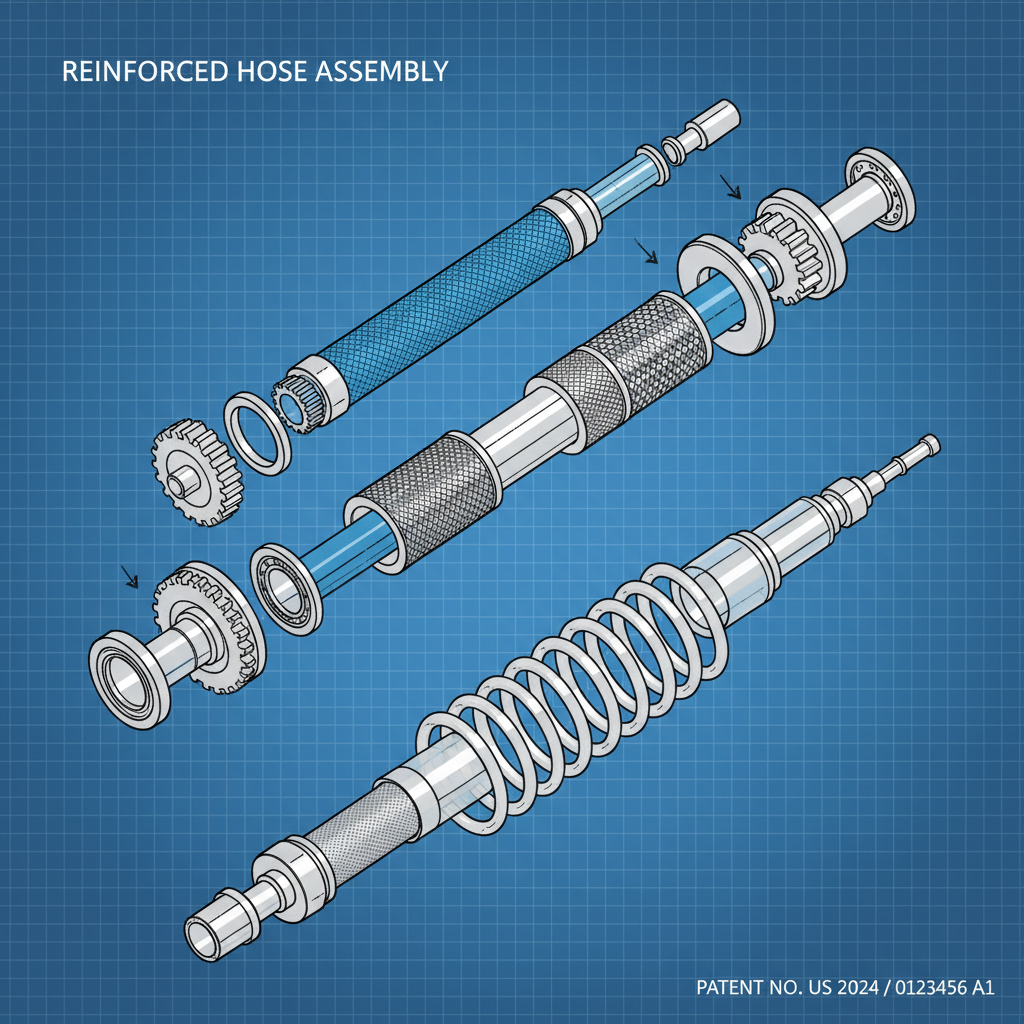
Understanding hose specifications is vital. Consider the hose’s inner diameter, outer diameter, working pressure, burst pressure, and temperature range. The material of the inner tube and cover also play a crucial role in compatibility with the conveyed fluid. For example, certain chemicals may require a specific hose lining to prevent degradation. Always consult the manufacturer’s data sheet to ensure the hose meets your application requirements.
Conclusion: Invest in Reliability with Kebing Hose
Choosing a 2 reinforced hose from Kebing Hose is an investment in durability, safety, and performance. With a wide selection of high-quality hoses and expert support, we can help you find the perfect solution for your specific application. Don’t compromise on quality – choose Kebing Hose for reliable fluid transfer solutions.
Frequently Asked Questions (FAQs)
What is the typical lifespan of a 2 reinforced hose?
The lifespan of a 2 reinforced hose varies depending on usage, operating conditions, and the type of fluid conveyed. Generally, with proper care and maintenance, a 2 reinforced hose can last between 5 to 10 years. Regular inspection for wear and tear, kinks, abrasions, and leaks is crucial. Replacing the hose proactively can prevent unexpected failures and ensure continued safe operation. Kebing Hose recommends adhering to the manufacturer’s guidelines for inspection and replacement intervals.
How do I properly store a 2 reinforced hose?
Proper storage is essential to prolong the life of your 2 reinforced hose. Avoid exposing the hose to direct sunlight, extreme temperatures, and harsh chemicals. Coil the hose loosely and store it in a dry, well-ventilated area. Avoid bending the hose sharply, as this can damage the reinforcement layers. For long-term storage, consider using a hose reel or hanger to prevent kinking and maintain its shape. A clean and dry storage environment will minimize degradation and ensure the hose is ready for use when needed.
Can a 2 reinforced hose be repaired?
Minor abrasions or cuts on the outer cover of a 2 reinforced hose may be repairable using appropriate hose repair tape or sealant. However, any damage to the reinforcement layers compromises the hose’s structural integrity and makes it unsafe for use. In such cases, the hose should be replaced immediately. Kebing Hose advises against attempting to repair damaged reinforcement layers. For critical applications, it’s always best to replace the hose rather than risk a failure.
What types of materials are used in the construction of 2 reinforced hoses?
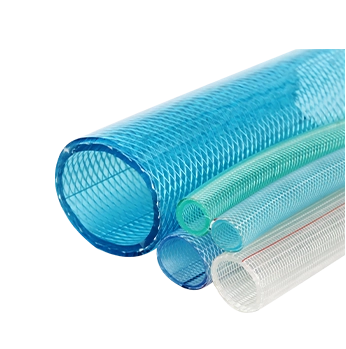
2 reinforced hoses are constructed from a variety of materials. Common inner tube materials include rubber (such as EPDM, NBR, and SBR), PVC, and thermoplastic. The reinforcement layers typically consist of high-tensile textile braiding (polyester or nylon) or steel wire. The outer cover is often made from rubber, PVC, or polyurethane to provide protection against abrasion, weathering, and chemical exposure. The specific materials used will depend on the intended application and the fluid being conveyed. Kebing Hose offers hoses constructed from a wide range of materials to meet diverse requirements.
-
High Strength Industrial Clear Braided PVC Hose Pipe GuideNewsApr.16,2026
-
Industrial Reinforced Braided PVC Hose for Fluid Transfer GuideNewsApr.09,2026
-
Comprehensive Guide to Braided PVC Tubing Applications and BenefitsNewsApr.07,2026
-
Comprehensive Guide to Braided Clear Vinyl Tubing Applications and BenefitsNewsApr.04,2026
-
Comprehensive Guide to PVC Braided Hose Applications and SelectionNewsMar.31,2026
-
Comprehensive Guide to Selecting the Best Double Welding Hose for Your NeedsNewsMar.28,2026
 Afrikaans
 Albanian
 Arabic
 Azerbaijani
 Belarusian
 Bengali
 Bulgarian
 Czech
Czech
 Danish
 Dutch
Dutch
 Finnish
 French
 German
 Greek
Greek
 Hebrew
 Hindi
Hindi
 Hungarian
 Indonesian
 Irish
Irish
 Italian
 Japanese
 Kazakh
 Korean
 Kyrgyz
 Lao
Lao
 Latin
Latin
 Lithuanian
 Luxembourgish
 Malay
Malay
 Mongolian
 Myanmar
 Nepali
 Norwegian
 Persian
 Polish
 Portuguese
 Russian
 Serbian
 Slovak
 Spanish
 Swedish
 Tagalog
 Thai
Thai
 Turkish
 Ukrainian
 Uighur
 Uzbek
Uzbek
 Vietnamese
 Welsh
Welsh
 English