


Comprehensive Guide to Flexible Reinforced Plastic Hose Selection and Applications
Understanding Flexible Reinforced Plastic Hose
In a wide array of industrial applications, the reliable transfer of fluids and gases is paramount. Flexible reinforced plastic hose plays a critical role in achieving this, offering a versatile and durable solution. This article provides a comprehensive overview of these hoses, their benefits, applications, and key considerations when choosing the right one for your needs. We'll explore the core features that distinguish quality flexible reinforced plastic hose from standard options, and why choosing the correct hose is essential for operational efficiency and safety.
What are Flexible Reinforced Plastic Hoses?
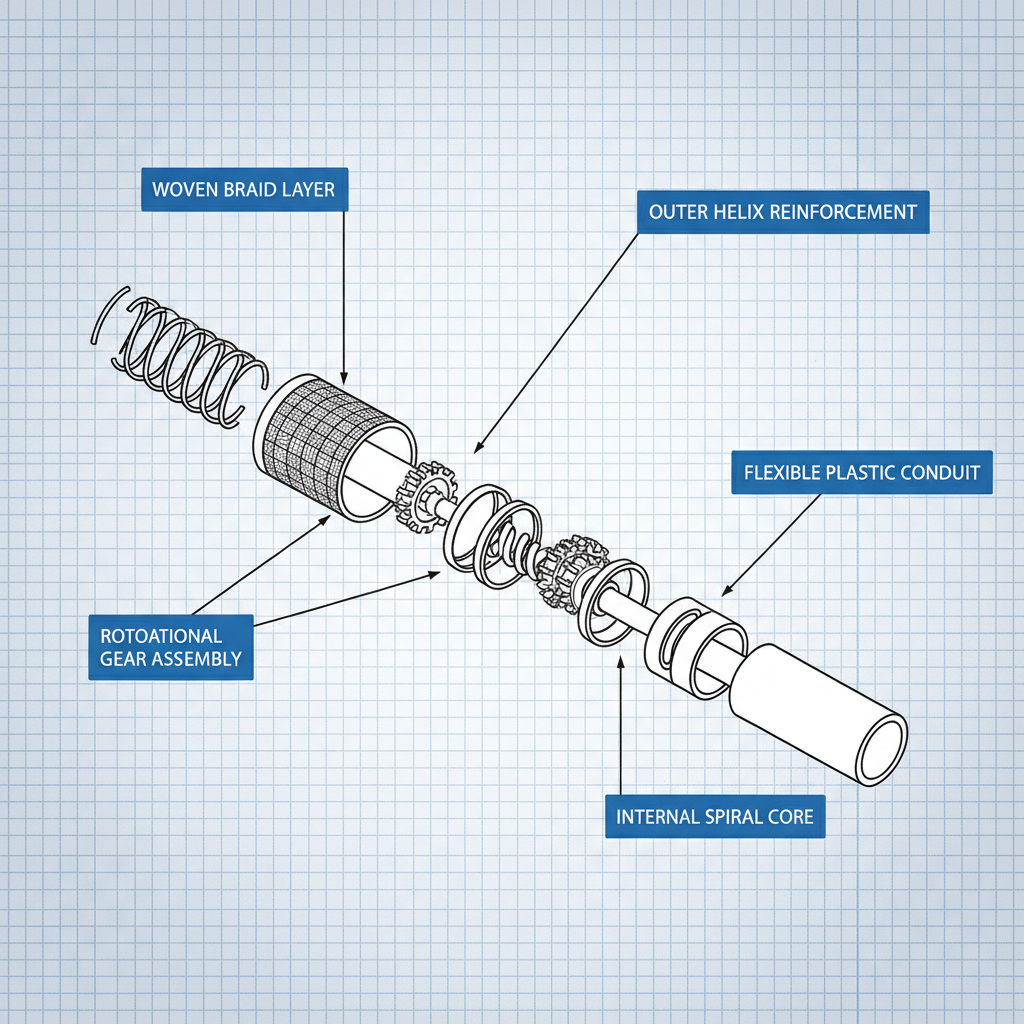
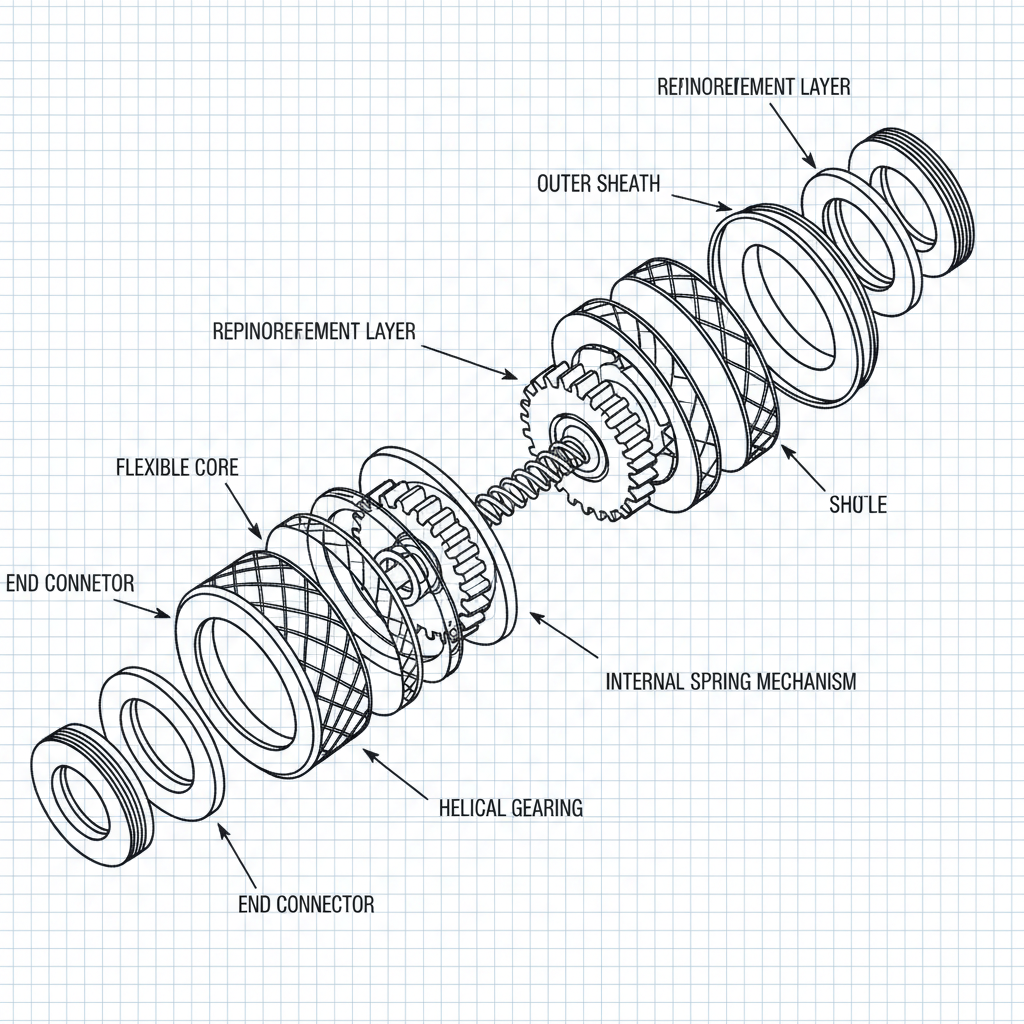
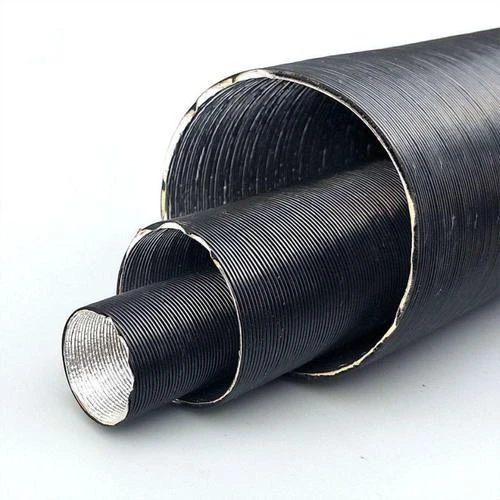
Flexible reinforced plastic hoses are constructed with multiple layers designed to withstand varying pressures, temperatures, and chemical exposure. The inner layer typically comprises a smooth plastic material, offering excellent chemical resistance and facilitating easy fluid flow. This is encased by a reinforcement layer, often a braided textile or a spiral-wound metallic structure, which provides the hose with its strength and ability to handle pressure. Finally, an outer cover protects the hose from abrasion, weathering, and UV degradation. This construction allows the hose to bend and flex without kinking or collapsing, making it ideal for complex routing and dynamic applications. Kebing Hose specializes in creating highly durable and adaptable solutions.
Key Features: Multi-layered construction for strength and durability; Chemical resistance; Flexibility for complex routing; Ability to withstand pressure and temperature variations.
Applications of Flexible Reinforced Plastic Hose
The versatility of flexible reinforced plastic hose makes it suitable for a broad spectrum of industries and applications. Common uses include: water transfer in agriculture and irrigation; chemical transfer in industrial processing plants; air and pneumatic systems in manufacturing and construction; fuel and oil lines in automotive and aerospace applications; and drainage and sewage systems. They are frequently used in environments requiring mobility and resistance to harsh substances, making them a crucial component in many operational processes.
Common Application Areas:
• Agriculture & Irrigation
• Chemical Processing
• Automotive & Aerospace
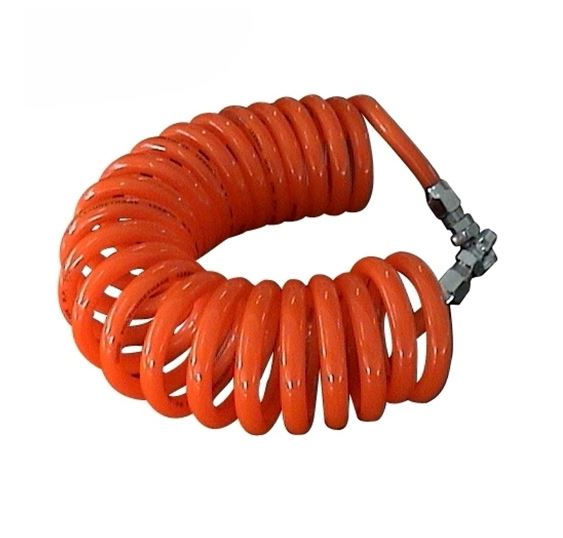
• Pneumatic Systems
Choosing the Right Flexible Reinforced Plastic Hose
Selecting the appropriate hose requires careful consideration of several factors. First, determine the type of fluid or gas being transferred and its chemical compatibility with the hose material. Next, evaluate the required pressure and temperature ratings to ensure the hose can withstand the operating conditions. Consider the hose's flexibility and bend radius, especially in applications with tight spaces or frequent movement. Finally, assess the environmental factors, such as UV exposure and abrasion potential, to select a hose with appropriate outer cover protection. Kebing Hose provides expert guidance to assist customers in identifying the optimal hose solution for their specific needs.
Flexible Reinforced Plastic Hose vs. Rubber Hoses: A Comparison
While both flexible reinforced plastic and rubber hoses serve similar purposes, they offer distinct advantages and disadvantages. Rubber hoses generally offer greater flexibility and resistance to extreme temperatures, but they are often heavier and less resistant to certain chemicals. Plastic hoses, on the other hand, are typically lighter, more chemically resistant, and more cost-effective. Furthermore, plastic hoses are less prone to degradation from UV exposure and ozone. The choice between the two depends on the specific application and its requirements. Kebing Hose offers both options, tailoring solutions to customer needs.
Product Specifications and Material Options
Flexible reinforced plastic hoses are available in a variety of materials, each with unique properties. Polyvinyl chloride (PVC) offers good chemical resistance and affordability. Polyurethane (PU) provides excellent abrasion resistance and flexibility. Polyethylene (PE) is lightweight and resistant to cracking. The reinforcement layers can be constructed from braided polyester, nylon, or stainless steel wire, depending on the required pressure and strength. Kebing Hose offers customizable options, ensuring a tailored solution for your specific application.
Conclusion: Choosing the Right Hose for Optimal Performance
Selecting the correct flexible reinforced plastic hose is vital for ensuring efficient and safe fluid or gas transfer in a wide range of applications. By carefully considering factors such as chemical compatibility, pressure requirements, temperature ranges, and material properties, you can optimize performance and minimize potential risks. Kebing Hose provides a comprehensive range of high-quality hoses and expert guidance to help you make the best choice for your specific needs.
Frequently Asked Questions (FAQs)
What is the typical lifespan of a flexible reinforced plastic hose?
The lifespan of a flexible reinforced plastic hose varies depending on the application, exposure to environmental factors, and maintenance practices. Generally, with proper care, these hoses can last between 3 to 7 years. Factors like UV exposure, chemical contact, and extreme temperatures can significantly shorten the lifespan. Regular inspection for cracks, abrasions, or leaks is crucial for identifying potential issues and preventing failures. Replacing the hose proactively when signs of wear are detected is essential for safety and operational efficiency.
How do I determine the correct pressure rating for my application?
Determining the correct pressure rating is critical for safe operation. First, identify the maximum pressure the hose will be subjected to, including any potential pressure surges or spikes. It's crucial to choose a hose with a pressure rating significantly higher than the maximum operating pressure, typically with a safety factor of at least 4:1. Consult with a hose specialist or refer to the equipment manufacturer's recommendations to ensure compatibility and prevent catastrophic failures. Using a hose with an insufficient pressure rating can lead to bursts, leaks, and potentially hazardous situations.
What safety precautions should I take when handling flexible reinforced plastic hoses?
Always depressurize the hose before disconnecting it from any system. Wear appropriate personal protective equipment (PPE), such as gloves and safety glasses, when handling hoses, particularly those carrying hazardous materials. Regularly inspect the hose for signs of wear or damage, and replace it if necessary. Avoid sharp bends or kinks that can weaken the hose structure. Proper storage in a cool, dry place away from direct sunlight and chemicals is also essential for prolonging the hose's lifespan and maintaining its integrity.
Are flexible reinforced plastic hoses suitable for use with food-grade materials?
Some flexible reinforced plastic hoses are specifically manufactured to be food-grade and comply with relevant regulations, such as FDA and USDA standards. These hoses are made from materials that are non-toxic, odorless, and do not leach contaminants into the food or beverage being transferred. However, it's crucial to verify that the hose is explicitly certified for food-grade applications before using it in such environments. Using a non-food-grade hose can pose health risks and violate safety regulations.
-
High Strength Industrial Clear Braided PVC Hose Pipe GuideNewsApr.16,2026
-
Industrial Reinforced Braided PVC Hose for Fluid Transfer GuideNewsApr.09,2026
-
Comprehensive Guide to Braided PVC Tubing Applications and BenefitsNewsApr.07,2026
-
Comprehensive Guide to Braided Clear Vinyl Tubing Applications and BenefitsNewsApr.04,2026
-
Comprehensive Guide to PVC Braided Hose Applications and SelectionNewsMar.31,2026
-
Comprehensive Guide to Selecting the Best Double Welding Hose for Your NeedsNewsMar.28,2026
 Afrikaans
 Albanian
 Arabic
 Azerbaijani
 Belarusian
 Bengali
 Bulgarian
 Czech
Czech
 Danish
 Dutch
Dutch
 Finnish
 French
 German
 Greek
Greek
 Hebrew
 Hindi
Hindi
 Hungarian
 Indonesian
 Irish
Irish
 Italian
 Japanese
 Kazakh
 Korean
 Kyrgyz
 Lao
Lao
 Latin
Latin
 Lithuanian
 Luxembourgish
 Malay
Malay
 Mongolian
 Myanmar
 Nepali
 Norwegian
 Persian
 Polish
 Portuguese
 Russian
 Serbian
 Slovak
 Spanish
 Swedish
 Tagalog
 Thai
Thai
 Turkish
 Ukrainian
 Uighur
 Uzbek
Uzbek
 Vietnamese
 Welsh
Welsh
 English