


Understanding LPG Gas Hose Maximum Length for Safe and Efficient Usage
Understanding LPG Gas Hose Maximum Length
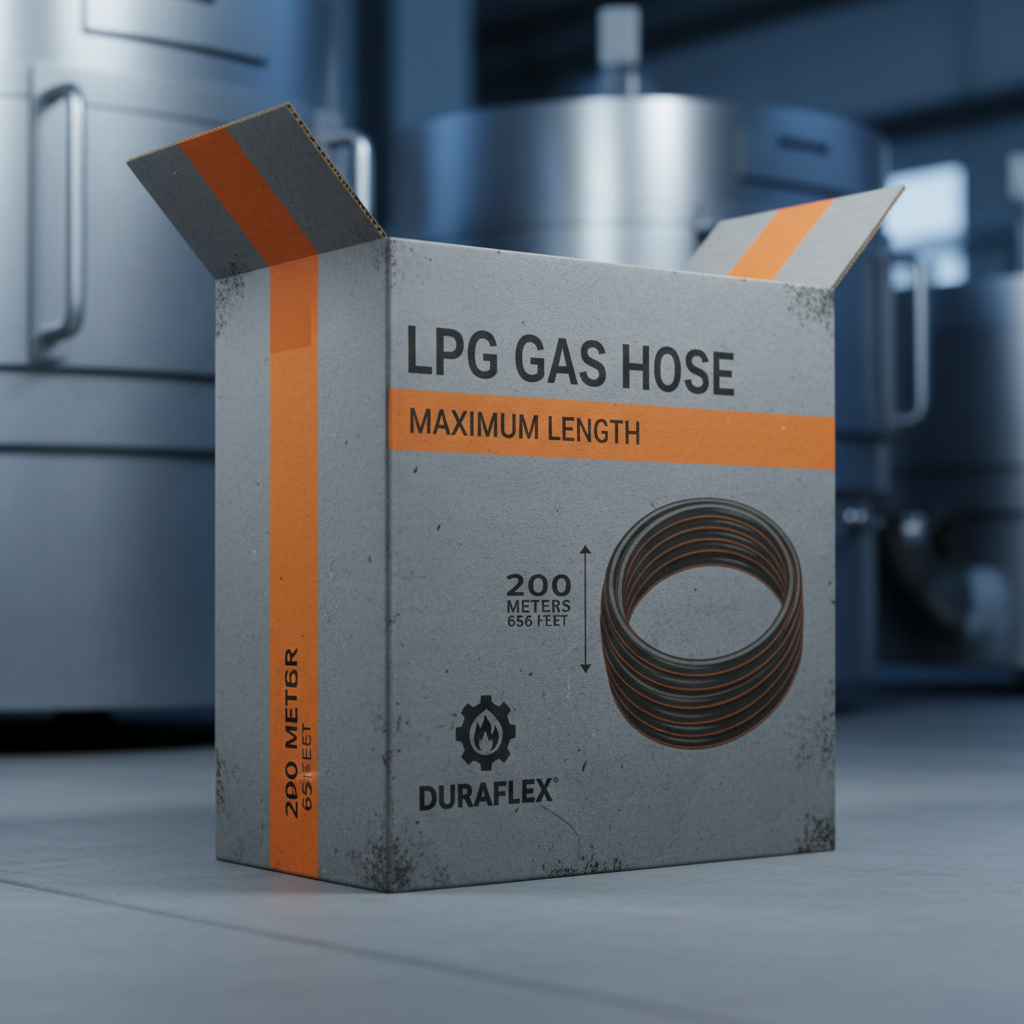
When working with Liquefied Petroleum Gas (LPG), ensuring the integrity and safety of your gas hose is paramount. A critical factor often overlooked is the lpg gas hose maximum length. Exceeding this limit can compromise performance and create hazardous situations. This article will delve into the factors influencing maximum hose length, relevant standards, and best practices for safe LPG usage. Choosing the right hose length, coupled with regular inspections, is vital for preventing leaks and ensuring operational efficiency. Kebing Hose provides high-quality LPG hoses designed for safety and reliability.
Factors Influencing LPG Gas Hose Maximum Length
Several factors dictate the permissible length of an LPG gas hose. These include the gas supply pressure, the hose's internal diameter, and the type of LPG appliance it serves. Longer hoses create greater pressure drop due to friction, potentially starving the appliance of gas. The hose material and construction also play a role; higher-quality hoses can withstand higher pressures and maintain consistent gas flow over greater distances. Furthermore, local regulations and industry standards often specify maximum hose lengths for various applications. Selecting a hose with the appropriate specifications is key to safe and efficient operation. Kebing Hose offers a range of LPG hoses tailored to different pressure and length requirements.
Key Considerations: Gas supply pressure, hose internal diameter, appliance gas demand, local regulations, and hose material are all crucial factors.
Understanding Pressure Drop and its Impact on Hose Length
Pressure drop occurs when gas flows through a hose, reducing the pressure available at the appliance. This drop increases with hose length, diameter, and flow rate. Insufficient pressure can lead to inefficient combustion, appliance malfunction, and even safety hazards. Therefore, calculating the expected pressure drop for a given hose length is vital. Engineers use formulas incorporating these variables to determine the maximum permissible length for a specific LPG setup. It's crucial to consult with a qualified gas technician to ensure the selected hose length provides adequate pressure to the appliance. Kebing Hose provides technical specifications to help you calculate appropriate hose lengths.
Pressure Drop Considerations:
• Increased pressure drop with longer hose lengths.
• Smaller hose diameter increases pressure drop.
• Higher gas flow rates result in greater pressure drop.
• Consult a gas technician for accurate calculations.
LPG Gas Hose Maximum Length: A Comparative Look
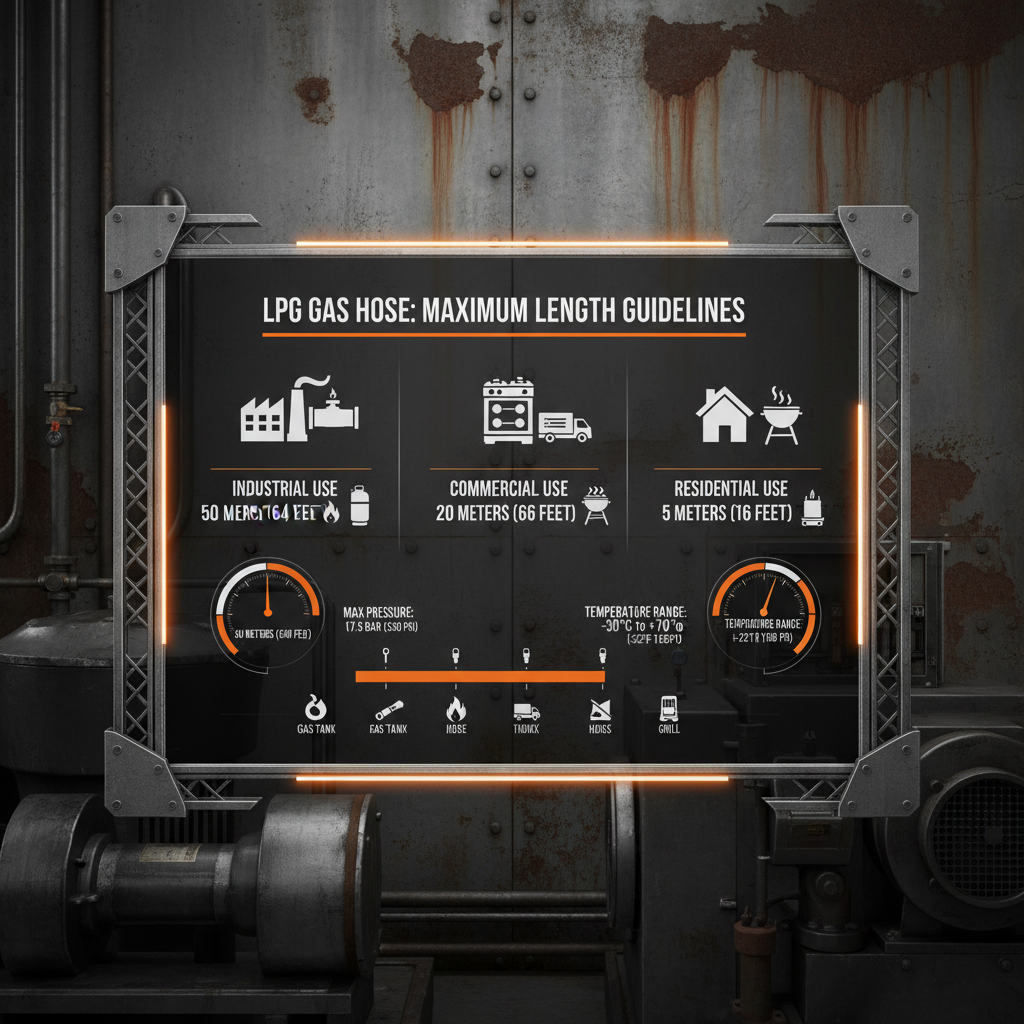
The maximum allowable length of an LPG gas hose varies based on the application and governing standards. For example, hoses connecting to portable LPG cylinders often have shorter maximum lengths than those used in fixed installations. Here's a comparative overview:
Choosing the Right LPG Gas Hose: Kebing Hose Solutions
At Kebing Hose, we offer a comprehensive range of LPG gas hoses designed to meet various applications and safety standards. Our hoses are manufactured using high-quality materials and undergo rigorous testing to ensure durability and reliability. We provide hoses in various lengths and diameters, allowing you to select the optimal solution for your specific needs. We also offer specialized hoses for high-pressure applications and harsh environments. Our commitment to quality and safety makes us a trusted partner for LPG gas users worldwide.
Best Practices for LPG Gas Hose Management
Maintaining your LPG gas hose is just as important as selecting the correct length. Regularly inspect the hose for cracks, abrasions, or signs of wear. Never use a hose that shows any damage. Store hoses properly, away from direct sunlight, heat sources, and chemicals. Replace hoses every 5-10 years, even if they appear to be in good condition. Always ensure the hose is securely connected to both the cylinder and the appliance. By following these best practices, you can minimize the risk of leaks and ensure the safe and efficient operation of your LPG system. Kebing Hose offers expert advice and support to help you maintain your LPG system.
Conclusion: Prioritizing Safety with Correct LPG Hose Length
Understanding the lpg gas hose maximum length is critical for safe and efficient LPG usage. By considering factors like pressure drop, appliance demand, and relevant standards, you can select the appropriate hose length and ensure reliable performance. Regular inspections and proper maintenance are equally important. Choose Kebing Hose for high-quality, reliable LPG hoses and expert support.
Frequently Asked Questions (FAQs)
What happens if an LPG hose is too long?
If an LPG hose is too long, it can lead to a significant pressure drop, potentially starving the appliance of gas. This can cause inefficient combustion, appliance malfunction, and in extreme cases, a dangerous situation. A longer hose also increases the risk of kinks or damage, potentially leading to leaks. Always adhere to the maximum hose length specified by the appliance manufacturer and relevant standards. Consult a qualified gas technician if you're unsure about the appropriate hose length for your setup.
How often should I inspect my LPG gas hose?
You should visually inspect your LPG gas hose before each use. Look for cracks, abrasions, kinks, or any other signs of damage. Also, check the hose connections to ensure they are secure and leak-free. Consider performing a leak test by applying a soapy water solution to the connections; bubbles indicate a leak. A more thorough inspection should be conducted annually by a qualified gas technician.
What type of material are LPG gas hoses made from?
LPG gas hoses are typically made from a combination of materials, including synthetic rubber, reinforced with textile or steel braiding for strength and durability. The materials are specifically chosen for their resistance to LPG and their ability to withstand varying temperatures and pressures. At Kebing Hose, we use high-quality materials that meet or exceed industry standards to ensure the safety and reliability of our hoses.
Can I repair a damaged LPG gas hose?
No, you should never attempt to repair a damaged LPG gas hose. Even a small repair can compromise the hose's integrity and create a potential leak hazard. A damaged hose must be replaced entirely with a new, approved hose. Contact a qualified gas technician for assistance if you are unsure about replacing a hose. Safety is paramount when dealing with LPG gas, and using a damaged hose can have serious consequences.
-
High Strength Industrial Clear Braided PVC Hose Pipe GuideNewsApr.16,2026
-
Industrial Reinforced Braided PVC Hose for Fluid Transfer GuideNewsApr.09,2026
-
Comprehensive Guide to Braided PVC Tubing Applications and BenefitsNewsApr.07,2026
-
Comprehensive Guide to Braided Clear Vinyl Tubing Applications and BenefitsNewsApr.04,2026
-
Comprehensive Guide to PVC Braided Hose Applications and SelectionNewsMar.31,2026
-
Comprehensive Guide to Selecting the Best Double Welding Hose for Your NeedsNewsMar.28,2026
 Afrikaans
 Albanian
 Arabic
 Azerbaijani
 Belarusian
 Bengali
 Bulgarian
 Czech
Czech
 Danish
 Dutch
Dutch
 Finnish
 French
 German
 Greek
Greek
 Hebrew
 Hindi
Hindi
 Hungarian
 Indonesian
 Irish
Irish
 Italian
 Japanese
 Kazakh
 Korean
 Kyrgyz
 Lao
Lao
 Latin
Latin
 Lithuanian
 Luxembourgish
 Malay
Malay
 Mongolian
 Myanmar
 Nepali
 Norwegian
 Persian
 Polish
 Portuguese
 Russian
 Serbian
 Slovak
 Spanish
 Swedish
 Tagalog
 Thai
Thai
 Turkish
 Ukrainian
 Uighur
 Uzbek
Uzbek
 Vietnamese
 Welsh
Welsh
 English