


Comprehensive Guide to Twin Welding Hose 8mm for Safe and Efficient Welding
Understanding Twin Welding Hose 8mm: A Comprehensive Guide
When it comes to reliable and safe welding operations, the right equipment is crucial. The twin welding hose 8mm is a vital component, delivering gases efficiently and safely to your welding torch. This article provides an in-depth look at this essential tool, covering its features, applications, benefits, and how to choose the best one for your needs. Selecting the correct hose ensures optimal welding performance and safety.
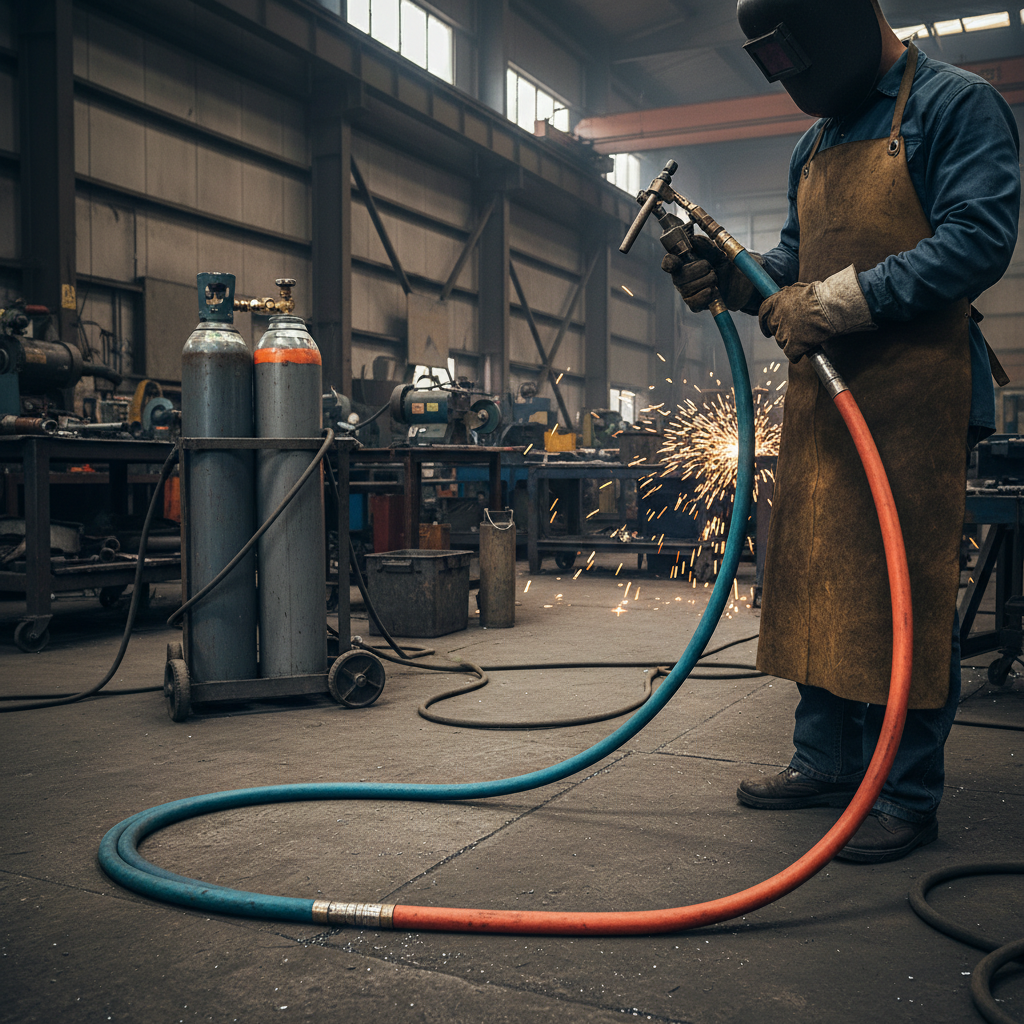
What is a Twin Welding Hose 8mm?
A twin welding hose 8mm refers to a hose designed to carry two different gases simultaneously – typically oxygen and acetylene – to a welding torch. The '8mm' indicates the inner diameter of the hose, which is a common size for many welding applications. These hoses are constructed with separate channels for each gas, preventing them from mixing and ensuring a clean and consistent weld. A high-quality twin welding hose is essential for maintaining weld integrity and safety.
Key Benefit: Ensures precise gas delivery for consistent welding results and improved safety.
Applications of Twin Welding Hose 8mm
The 8mm twin welding hose is versatile and used across a range of welding applications, including:
- Oxy-Acetylene Welding: The most common use, delivering oxygen and acetylene for fuel-gas welding.
- Oxy-Fuel Cutting: Providing the necessary gases for cutting metal using an oxy-fuel process.
- Brazing and Soldering: Used for heating and joining metals in brazing and soldering operations.
- Automotive Repair: Frequently utilized in auto body repair and fabrication.
- Construction and Fabrication: Essential for on-site welding and fabrication projects.
Key Features to Look for in a Twin Welding Hose 8mm
When selecting a twin welding hose 8mm, several features are crucial for optimal performance and safety. These include:
- Material: Look for hoses made from high-quality rubber or PVC, which are durable, flexible, and resistant to abrasion and weathering.
- Reinforcement: Braided reinforcement adds strength and prevents kinking or collapsing under pressure.
- Fitting Compatibility: Ensure the hose fittings are compatible with your welding regulator and torch.
- Pressure Rating: Choose a hose with a pressure rating that exceeds the maximum pressure of your welding gases.
- Length: Select a length that provides sufficient reach without excessive slack.
Comparing Welding Hose Materials: Rubber vs. PVC
Choosing between rubber and PVC welding hose depends on your specific needs and budget. Here's a comparison:
Safety Precautions When Using a Twin Welding Hose
Safety is paramount when working with welding gases. Here are some important precautions:
- Inspect the hose regularly: Check for cracks, leaks, or wear before each use.
- Secure connections: Ensure all fittings are tight and leak-free.
- Avoid kinking: Kinking can restrict gas flow and create a hazard.
- Proper storage: Store hoses in a cool, dry place away from direct sunlight and heat.
- Never use damaged hoses: Replace damaged hoses immediately.
Conclusion: Choosing the Right Twin Welding Hose 8mm
Investing in a high-quality twin welding hose 8mm from a reputable supplier like Kebing Hose is crucial for safe, efficient, and reliable welding operations. By understanding the key features and safety precautions, you can ensure optimal performance and protect yourself and your team. Don’t compromise on quality – choose a hose that meets your specific needs and adheres to industry standards.
Frequently Asked Questions (FAQs)
How often should I replace my twin welding hose?
The lifespan of a welding hose depends on usage, storage, and exposure to the environment. Generally, it’s recommended to replace your hose every 3-5 years, even if it appears undamaged. Regular visual inspections are crucial – look for cracks, abrasions, bulges, or signs of deterioration. If you notice any damage, replace the hose immediately. Consider replacing it sooner if it's frequently exposed to harsh conditions like extreme temperatures, oil, or chemicals. A compromised hose can lead to leaks and potential hazards.
Can I repair a damaged welding hose?
Repairing a welding hose is generally not recommended. Even a small leak can pose a significant safety risk. Welding gases are highly flammable and pressurized, and attempting to repair a hose with clamps or tape is unlikely to provide a secure and reliable seal. It's always best to replace a damaged hose entirely to ensure safe operation. Using a damaged hose can lead to gas leaks, fires, and potential injuries.
What is the importance of using the correct fittings?
Using the correct fittings is absolutely critical for safety and performance. Incorrectly sized or incompatible fittings can create leaks, reduce gas flow, and even cause fittings to fail under pressure. Always ensure that the fittings match the hose and the welding regulator/torch connections. Using the right fittings ensures a secure and leak-free connection, preventing gas loss and potential hazards. Kebing Hose offers a range of fittings specifically designed for our welding hoses.
How do I properly store a twin welding hose?
Proper storage is key to extending the life of your welding hose. Store the hose coiled loosely in a cool, dry, and well-ventilated area, away from direct sunlight, heat sources, and chemicals. Avoid sharp bends or kinks that can damage the hose. It’s best to hang the hose if possible, rather than storing it on the floor where it can be stepped on or damaged. A dedicated hose rack is a good investment for organized and safe storage.
-
High Strength Industrial Clear Braided PVC Hose Pipe GuideNewsApr.16,2026
-
Industrial Reinforced Braided PVC Hose for Fluid Transfer GuideNewsApr.09,2026
-
Comprehensive Guide to Braided PVC Tubing Applications and BenefitsNewsApr.07,2026
-
Comprehensive Guide to Braided Clear Vinyl Tubing Applications and BenefitsNewsApr.04,2026
-
Comprehensive Guide to PVC Braided Hose Applications and SelectionNewsMar.31,2026
-
Comprehensive Guide to Selecting the Best Double Welding Hose for Your NeedsNewsMar.28,2026
 Afrikaans
 Albanian
 Arabic
 Azerbaijani
 Belarusian
 Bengali
 Bulgarian
 Czech
Czech
 Danish
 Dutch
Dutch
 Finnish
 French
 German
 Greek
Greek
 Hebrew
 Hindi
Hindi
 Hungarian
 Indonesian
 Irish
Irish
 Italian
 Japanese
 Kazakh
 Korean
 Kyrgyz
 Lao
Lao
 Latin
Latin
 Lithuanian
 Luxembourgish
 Malay
Malay
 Mongolian
 Myanmar
 Nepali
 Norwegian
 Persian
 Polish
 Portuguese
 Russian
 Serbian
 Slovak
 Spanish
 Swedish
 Tagalog
 Thai
Thai
 Turkish
 Ukrainian
 Uighur
 Uzbek
Uzbek
 Vietnamese
 Welsh
Welsh
 English