


Comprehensive Guide to Selecting the Right Oxy Acetylene Hose for Safe Operation
Choosing the Right Oxy Acetylene Hose: A Comprehensive Guide
When working with oxy-acetylene, safety and reliability are paramount. The oxy acetylene hose is a critical component, responsible for delivering fuel gases safely and efficiently. Selecting the right hose is vital for preventing accidents and ensuring optimal performance. This article explores the key considerations when choosing an oxy acetylene hose, covering materials, pressure ratings, and essential safety features. Understanding these factors will empower you to make an informed decision and prioritize safety in your work.
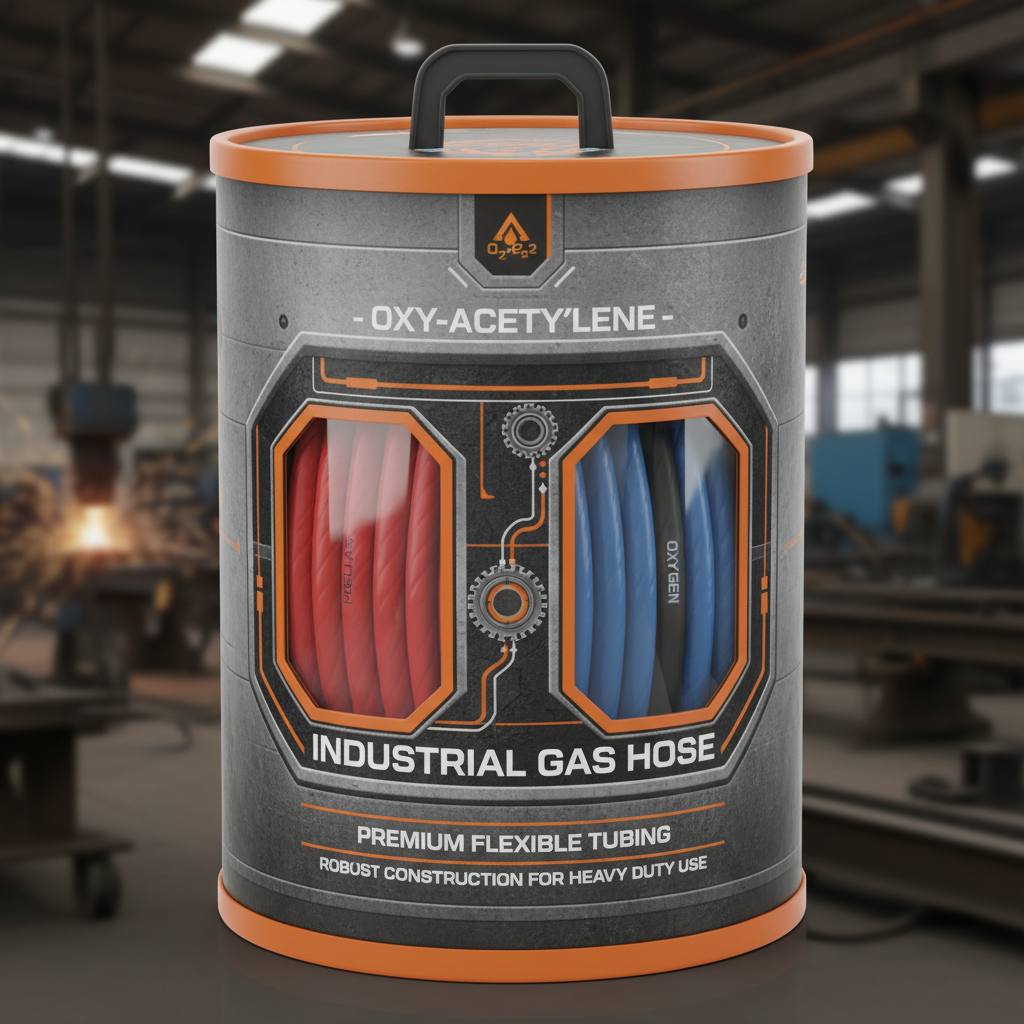
Understanding Oxy Acetylene Hose Construction
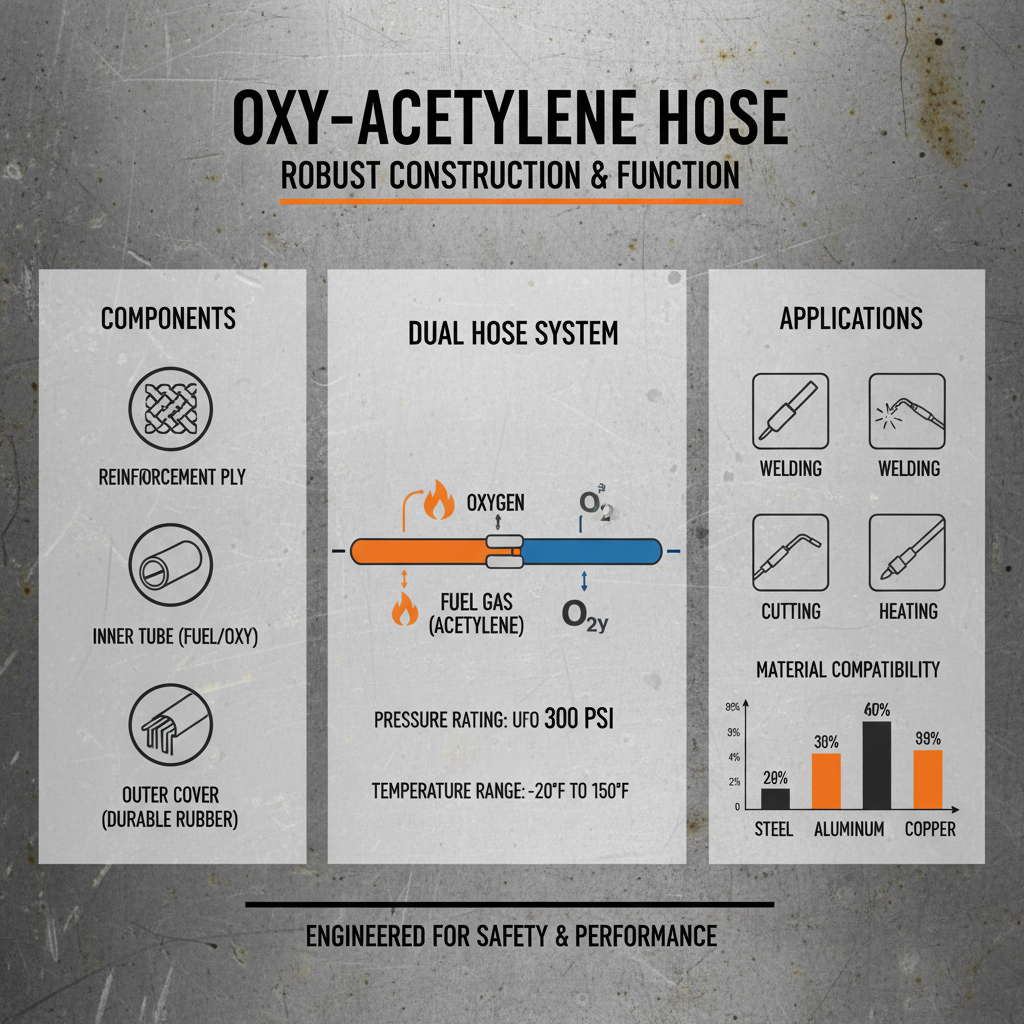
Oxy acetylene hoses aren’t one-size-fits-all. They are typically constructed with an inner tube, reinforcement layers, and an outer cover. The inner tube material is crucial; it needs to be compatible with both oxygen and acetylene to prevent degradation and leaks. Common materials include synthetic rubber blends specifically formulated for these gases. Reinforcement layers, often braided textiles or steel wire, provide strength and prevent kinking or bursting under pressure. The outer cover protects the hose from abrasion, weather, and other environmental factors. Choosing a hose with a durable outer cover significantly extends its lifespan. Kebing Hose offers a variety of high-quality oxy acetylene hoses designed for diverse applications.
Key Takeaway: The compatibility of the inner tube material with oxygen and acetylene is essential for safe operation. A robust outer cover enhances durability and longevity.
Crucial Specifications: Pressure Ratings & Hose Diameter
Pressure rating is a non-negotiable aspect of oxy acetylene hose selection. Oxygen typically requires higher pressure than acetylene. Ensure the hose's working pressure exceeds the maximum pressure of your equipment. Hose diameter also impacts performance; a smaller diameter restricts gas flow, while an excessively large diameter can be cumbersome. The correct diameter ensures adequate gas delivery without sacrificing maneuverability. Always consult your equipment manufacturer's recommendations for appropriate pressure and diameter specifications.
Key Considerations for Specifications:
• Oxygen pressure typically higher than acetylene.
• Hose diameter affects gas flow and maneuverability.
• Consult equipment manufacturer’s recommendations.
Oxy Acetylene Hose Materials: A Comparative Overview
Different materials offer varying levels of performance and durability. Here’s a comparison of common hose materials:
Essential Safety Features to Look For
Beyond material and specifications, certain safety features are critical. Look for hoses with reinforced construction to prevent bursting. Check for proper labeling indicating compatibility with oxygen and acetylene. Regularly inspect the hose for cracks, abrasions, or leaks. Investing in hoses with protective guards can shield them from damage in high-traffic areas. At Kebing Hose, safety is our top priority, and our hoses are rigorously tested to meet and exceed industry standards.
Maintaining Your Oxy Acetylene Hose for Longevity
Proper maintenance is crucial for extending the life and ensuring the safety of your oxy acetylene hose. After each use, inspect the hose for any signs of damage. Store the hose properly, rolled up loosely and protected from direct sunlight, extreme temperatures, and oils. Avoid sharp bends or kinks. Regularly test for leaks using a soapy water solution. Replace the hose immediately if any damage is detected. Following these simple maintenance steps will help prevent accidents and maximize the lifespan of your investment.
Conclusion: Prioritizing Safety with the Right Oxy Acetylene Hose
Choosing the right oxy acetylene hose is a vital aspect of ensuring a safe and efficient work environment. By understanding the materials, specifications, and safety features discussed in this article, you can make an informed decision. Kebing Hose is dedicated to providing high-quality, reliable hoses that meet the demanding needs of professionals. Don’t compromise on safety—choose Kebing Hose.
Frequently Asked Questions (FAQs)
How often should I replace my oxy acetylene hose?
The recommended replacement schedule for an oxy acetylene hose depends on usage and environmental conditions. Generally, hoses should be inspected annually and replaced every 3-5 years, even if no visible damage is present. Hoses used in harsh environments or subjected to frequent bending and abrasion may require more frequent replacement. Any sign of cracking, blistering, or stiffness indicates the hose needs immediate replacement. Prioritize safety and don't risk using a compromised hose. Kebing Hose offers durable, long-lasting hoses designed to withstand demanding applications.
What pressure rating should I look for in an oxy acetylene hose?
The pressure rating of the hose should always exceed the maximum working pressure of your oxy-acetylene equipment. Oxygen typically requires a higher pressure rating than acetylene. Check the specifications of your regulators, torches, and cylinders to determine the appropriate pressure requirements. Using a hose with an inadequate pressure rating poses a significant safety risk and can lead to failure. Kebing Hose provides hoses with clearly marked pressure ratings to ensure proper selection.
Can I use a standard air hose for oxy-acetylene?
Absolutely not. Using a standard air hose for oxy-acetylene is extremely dangerous and can result in a fire or explosion. Air hoses are not designed to withstand the higher pressures and specific gas compatibility requirements of oxy-acetylene systems. They may also contain oils or contaminants that can react with the gases, creating a hazardous situation. Always use hoses specifically manufactured and rated for oxy-acetylene service, like those offered by Kebing Hose.
How do I properly store my oxy acetylene hose?
Proper storage is crucial for extending the life of your oxy acetylene hose. Store the hose in a cool, dry, and well-ventilated area, away from direct sunlight, extreme temperatures, and sources of ignition. Roll the hose loosely to avoid kinking or creasing. Avoid storing it in contact with oils, chemicals, or sharp objects. A dedicated hose rack or hanger is ideal. Properly stored hoses will last longer and maintain their safety and performance.
-
High Strength Industrial Clear Braided PVC Hose Pipe GuideNewsApr.16,2026
-
Industrial Reinforced Braided PVC Hose for Fluid Transfer GuideNewsApr.09,2026
-
Comprehensive Guide to Braided PVC Tubing Applications and BenefitsNewsApr.07,2026
-
Comprehensive Guide to Braided Clear Vinyl Tubing Applications and BenefitsNewsApr.04,2026
-
Comprehensive Guide to PVC Braided Hose Applications and SelectionNewsMar.31,2026
-
Comprehensive Guide to Selecting the Best Double Welding Hose for Your NeedsNewsMar.28,2026
 Afrikaans
 Albanian
 Arabic
 Azerbaijani
 Belarusian
 Bengali
 Bulgarian
 Czech
Czech
 Danish
 Dutch
Dutch
 Finnish
 French
 German
 Greek
Greek
 Hebrew
 Hindi
Hindi
 Hungarian
 Indonesian
 Irish
Irish
 Italian
 Japanese
 Kazakh
 Korean
 Kyrgyz
 Lao
Lao
 Latin
Latin
 Lithuanian
 Luxembourgish
 Malay
Malay
 Mongolian
 Myanmar
 Nepali
 Norwegian
 Persian
 Polish
 Portuguese
 Russian
 Serbian
 Slovak
 Spanish
 Swedish
 Tagalog
 Thai
Thai
 Turkish
 Ukrainian
 Uighur
 Uzbek
Uzbek
 Vietnamese
 Welsh
Welsh
 English