


Comprehensive Guide to Twin Welding Hose Selection and Safe Operation
Understanding Twin Welding Hose: A Comprehensive Guide
In the demanding world of welding, the right equipment is crucial for safety, efficiency, and quality. Among the essential components, the twin welding hose plays a vital role in delivering gases precisely where they need to be. This article will delve into the features, applications, and benefits of twin welding hoses, providing a thorough understanding for welders, fabricators, and anyone involved in welding operations. Choosing the right hose can significantly impact weld quality and worker safety.
What is a Twin Welding Hose?
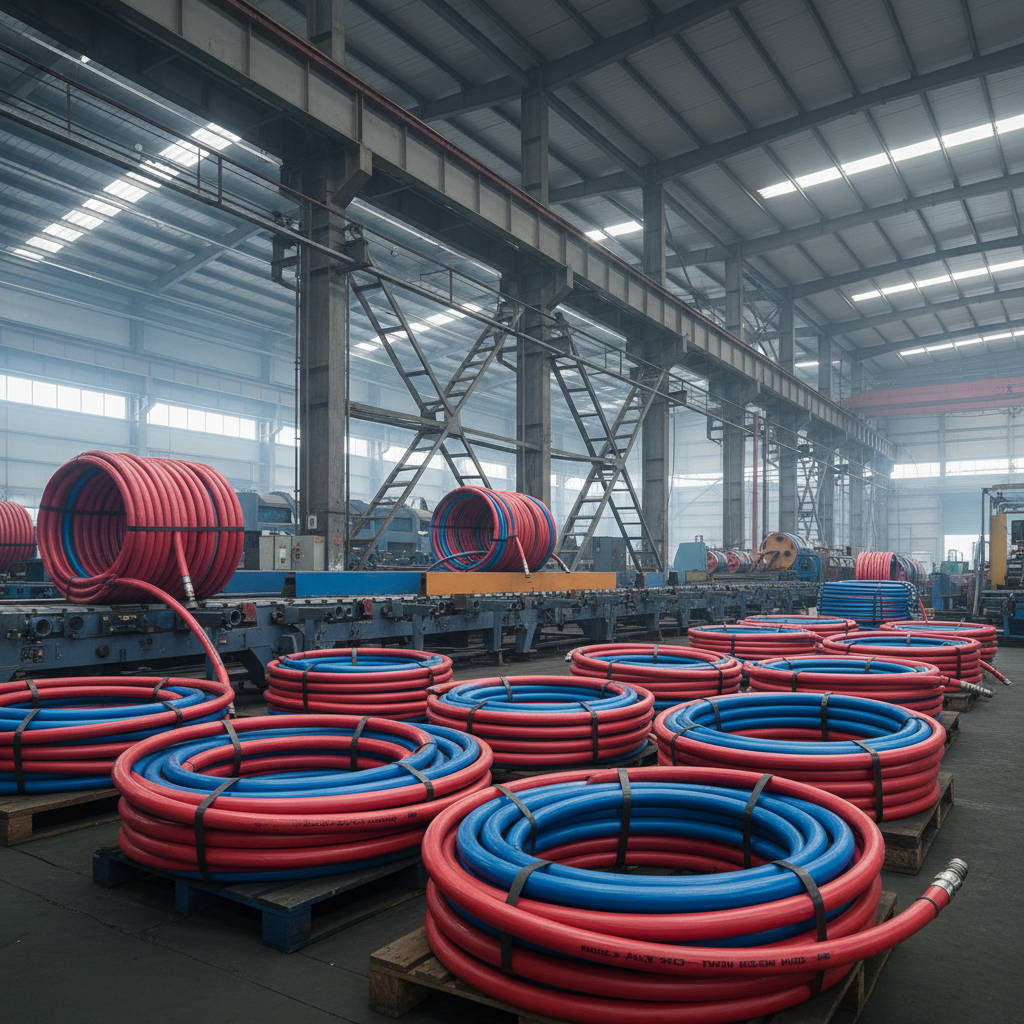
A twin welding hose, as the name suggests, consists of two hoses joined together, typically encased in a protective outer sleeve. One hose delivers the shielding gas (like argon, helium, or CO2) to protect the weld pool from atmospheric contamination, while the other carries the fuel gas (like acetylene, propane, or natural gas) to create the flame when used with oxy-fuel welding or cutting. These hoses are specifically engineered to withstand the high pressures, temperatures, and abrasion common in welding environments. The Kebing Hose twin welding hoses are made of high quality rubber and reinforced with high tensile braid, ensuring long life and reliability.
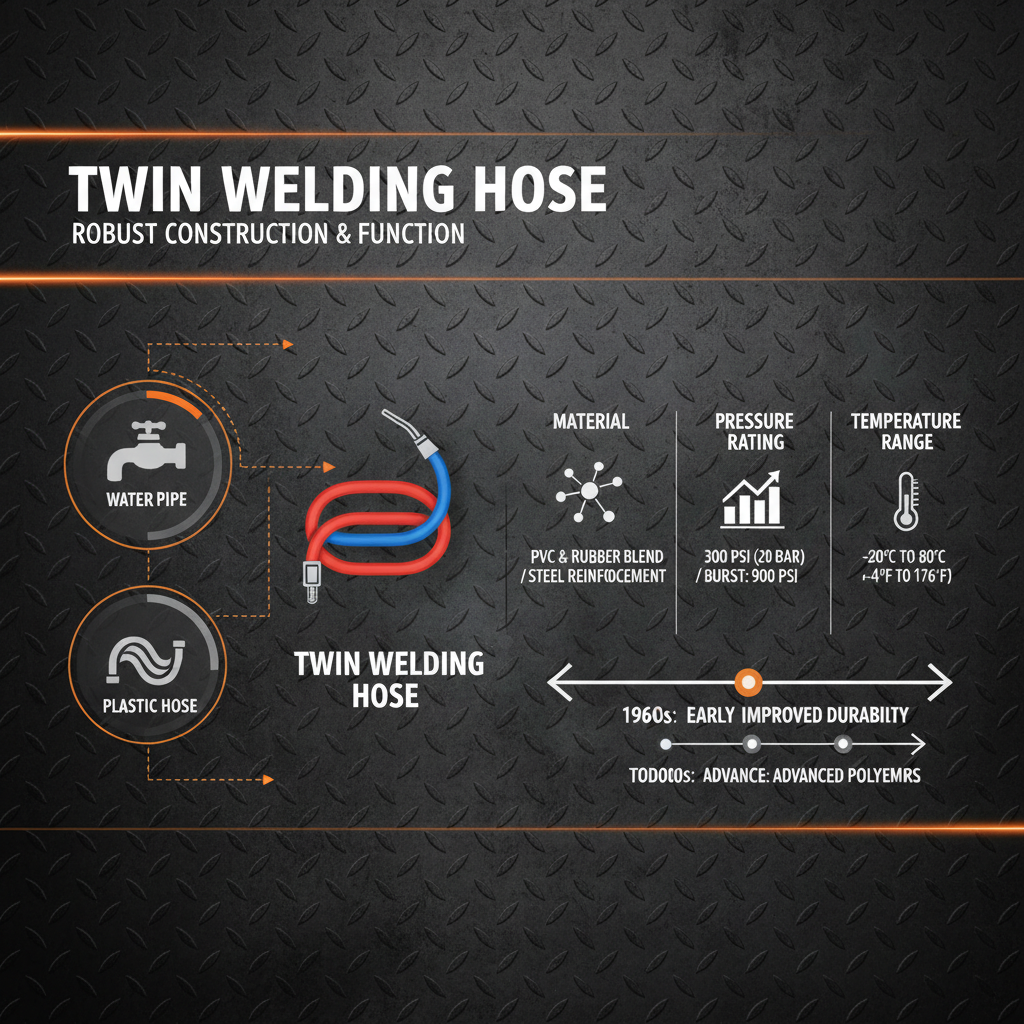
Key Features: Constructed with high-quality rubber, reinforced with a high-tensile braid for durability, and designed to withstand high pressures and temperatures.
Applications of Twin Welding Hose
Twin welding hoses find widespread applications across various welding processes and industries. They are integral to oxy-acetylene welding and cutting, MIG welding, TIG welding, and plasma cutting. Common industries utilizing these hoses include automotive repair, shipbuilding, construction, manufacturing, and metal fabrication. They’re also vital in educational settings for training future welders. Different welding processes require different hose sizes and materials, so selecting the right hose is paramount.
Common Applications:
• Oxy-Acetylene Welding & Cutting
• MIG/MAG Welding
• TIG Welding
• Plasma Cutting
Choosing the Right Twin Welding Hose: Key Considerations
Selecting the appropriate twin welding hose requires careful consideration of several factors. The type of welding process dictates the necessary gas types and pressure ratings. Hose diameter must match the welding equipment and gas flow requirements. Material composition—typically rubber, PVC, or a combination—affects flexibility, temperature resistance, and chemical compatibility. Reinforcement type (braided or spiral) impacts the hose's burst pressure and durability. Look for hoses certified to relevant safety standards. Kebing Hose offers a wide range of twin welding hoses tailored to specific needs.
Safety and Maintenance of Twin Welding Hose
Prioritizing safety when using twin welding hoses is essential. Regularly inspect hoses for cracks, abrasions, or leaks. Never use damaged hoses, as they pose a significant safety risk. Securely connect hoses to welding equipment and gas cylinders, ensuring tight fittings. Store hoses properly when not in use, protecting them from extreme temperatures, direct sunlight, and sharp objects. Follow the manufacturer’s recommendations for cleaning and maintenance. Proper maintenance extends hose life and ensures safe operation.
Why Choose Kebing Hose for Your Welding Needs?
At Kebing Hose, we are dedicated to providing high-quality, reliable twin welding hoses that meet the demands of professional welders and fabricators. Our hoses are engineered for durability, safety, and optimal performance. We offer a wide range of sizes, materials, and configurations to suit various applications. With competitive pricing, fast shipping, and excellent customer support, Kebing Hose is your trusted partner for all your welding hose needs. We are committed to providing products that exceed industry standards and contribute to the success of your welding projects.
Conclusion: Invest in Quality for Safe and Efficient Welding
Choosing the right twin welding hose is a critical investment in your welding operation's safety and efficiency. Kebing Hose offers a comprehensive selection of high-quality hoses designed to meet your specific needs. Don't compromise on quality – choose Kebing Hose for reliable performance and lasting value.
Frequently Asked Questions (FAQs)
What is the lifespan of a twin welding hose?
The lifespan of a twin welding hose varies depending on usage, environmental conditions, and maintenance. Generally, a hose should be replaced every 2-5 years, or sooner if visible signs of wear and tear appear, such as cracks, bulges, or stiffness. Regular inspection and proper storage are crucial for maximizing hose life. Factors like exposure to UV radiation, extreme temperatures, and abrasion can accelerate degradation. A Kebing Hose is manufactured to last, giving you more years of use.
What materials are twin welding hoses made from?
Twin welding hoses are typically constructed from rubber or PVC. Rubber hoses offer excellent flexibility and are well-suited for low-temperature applications. PVC hoses are more resistant to abrasion and chemicals, making them ideal for harsher environments. Some hoses utilize a combination of materials for enhanced performance. At Kebing Hose, we offer hoses made from premium-grade rubber and PVC compounds, ensuring durability and reliability.
How do I properly store twin welding hoses?
Proper storage is vital for extending the lifespan of your twin welding hoses. Store hoses in a cool, dry, and well-ventilated area, away from direct sunlight, extreme temperatures, and sharp objects. Coil the hoses loosely and avoid kinking or bending them excessively. Ideally, hang the hoses or store them on a hose rack to prevent damage. Ensure the hoses are completely drained of any residual gas before storage.
What safety precautions should I take when using twin welding hoses?
Always inspect hoses before use for any signs of damage. Ensure all connections are secure and leak-free. Never use a damaged hose. Wear appropriate personal protective equipment (PPE), including safety glasses, gloves, and protective clothing. Handle gas cylinders with care and follow all safety guidelines. Be aware of potential hazards such as fire, explosion, and gas leaks. Refer to the manufacturer's safety data sheet (SDS) for specific precautions.
-
High Strength Industrial Clear Braided PVC Hose Pipe GuideNewsApr.16,2026
-
Industrial Reinforced Braided PVC Hose for Fluid Transfer GuideNewsApr.09,2026
-
Comprehensive Guide to Braided PVC Tubing Applications and BenefitsNewsApr.07,2026
-
Comprehensive Guide to Braided Clear Vinyl Tubing Applications and BenefitsNewsApr.04,2026
-
Comprehensive Guide to PVC Braided Hose Applications and SelectionNewsMar.31,2026
-
Comprehensive Guide to Selecting the Best Double Welding Hose for Your NeedsNewsMar.28,2026
 Afrikaans
 Albanian
 Arabic
 Azerbaijani
 Belarusian
 Bengali
 Bulgarian
 Czech
Czech
 Danish
 Dutch
Dutch
 Finnish
 French
 German
 Greek
Greek
 Hebrew
 Hindi
Hindi
 Hungarian
 Indonesian
 Irish
Irish
 Italian
 Japanese
 Kazakh
 Korean
 Kyrgyz
 Lao
Lao
 Latin
Latin
 Lithuanian
 Luxembourgish
 Malay
Malay
 Mongolian
 Myanmar
 Nepali
 Norwegian
 Persian
 Polish
 Portuguese
 Russian
 Serbian
 Slovak
 Spanish
 Swedish
 Tagalog
 Thai
Thai
 Turkish
 Ukrainian
 Uighur
 Uzbek
Uzbek
 Vietnamese
 Welsh
Welsh
 English