


Comprehensive Guide to PVC Water Pipe for Garden Irrigation Systems
PVC Water Pipe for Garden: A Comprehensive Guide
Maintaining a thriving garden often relies on a reliable irrigation system. Choosing the right materials for your garden's water lines is crucial for efficiency and longevity. PVC water pipe for garden applications is a popular and cost-effective choice. This article delves into the benefits, types, installation, and considerations when selecting PVC pipe for your garden, providing you with the knowledge to create an optimal watering system. From drip irrigation to sprinkler systems, understanding your options is key to a healthy, beautiful garden.
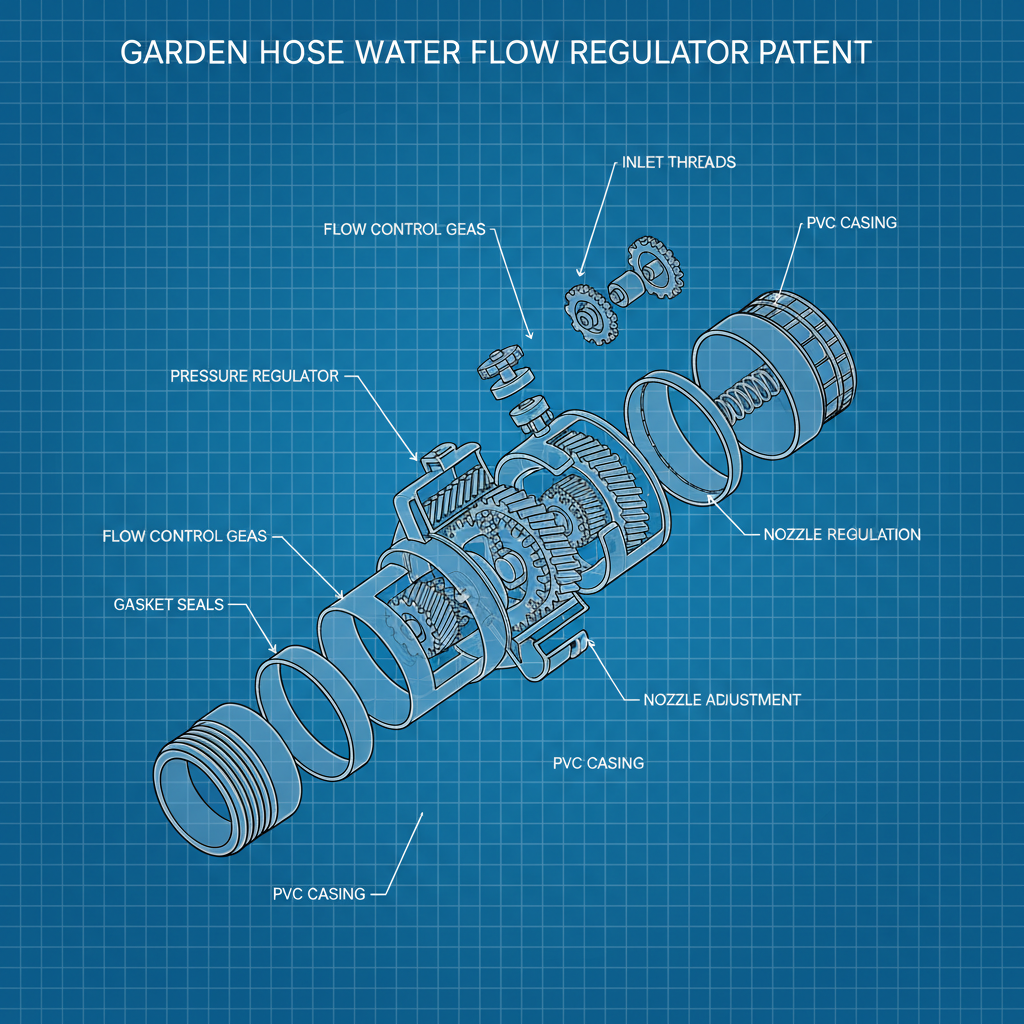
Why Choose PVC Water Pipe for Your Garden?
PVC (Polyvinyl Chloride) pipe has become a standard in garden irrigation for several compelling reasons. Its resistance to corrosion, lightweight nature, and affordability make it a practical choice for both DIY enthusiasts and professional landscapers. Unlike metal pipes, PVC won't rust or corrode over time, ensuring a long lifespan and consistent water flow. It’s also easy to cut, join, and install, reducing labor costs and simplifying maintenance. Furthermore, PVC doesn't leach harmful chemicals into the soil or water, making it a safe option for growing edible plants. Kebinghose offers a wide selection of PVC pipes suitable for diverse garden applications.
Key Benefits: Corrosion resistance, lightweight, affordable, easy to install, doesn’t leach chemicals.
Types of PVC Pipe for Garden Irrigation
Not all PVC pipe is created equal. Different types are suited for different gardening tasks. Schedule 40 PVC is the most common type used for irrigation, offering a good balance of durability and affordability. It's suitable for main water lines and general irrigation purposes. Schedule 80 PVC is thicker and stronger, making it ideal for high-pressure applications or areas prone to physical damage. Flexible PVC, often used for drip irrigation lines, is easy to maneuver around plants and obstacles. Understanding these differences allows you to select the best pipe for your specific needs.
PVC Pipe Types:
• Schedule 40: General irrigation, main lines
• Schedule 80: High-pressure applications, durable lines
• Flexible PVC: Drip irrigation, maneuvering around obstacles
PVC Pipe Sizes and Flow Rates
Selecting the correct pipe diameter is vital for ensuring adequate water flow throughout your garden. Smaller diameter pipes (e.g., 1/2 inch) are suitable for drip irrigation lines and short runs, while larger diameters (e.g., 1 inch or 1.5 inches) are necessary for main water lines and longer distances. The flow rate will depend on the pipe size, water pressure, and length of the line. It's essential to calculate your garden's water requirements to determine the appropriate pipe size. Kebinghose offers helpful resources to assist with calculating flow rates and selecting the correct pipe size for your project.
Installing Your PVC Garden Water Pipe
Proper installation is crucial for a leak-free and efficient irrigation system. Start by planning your layout and measuring the required pipe lengths. Cut the PVC pipe using a PVC cutter or saw, ensuring clean, straight cuts. Use PVC primer and cement to join the pipe sections and fittings, following the manufacturer's instructions carefully. Allow the cement to cure completely before applying water pressure. Consider using Teflon tape on threaded connections to prevent leaks.
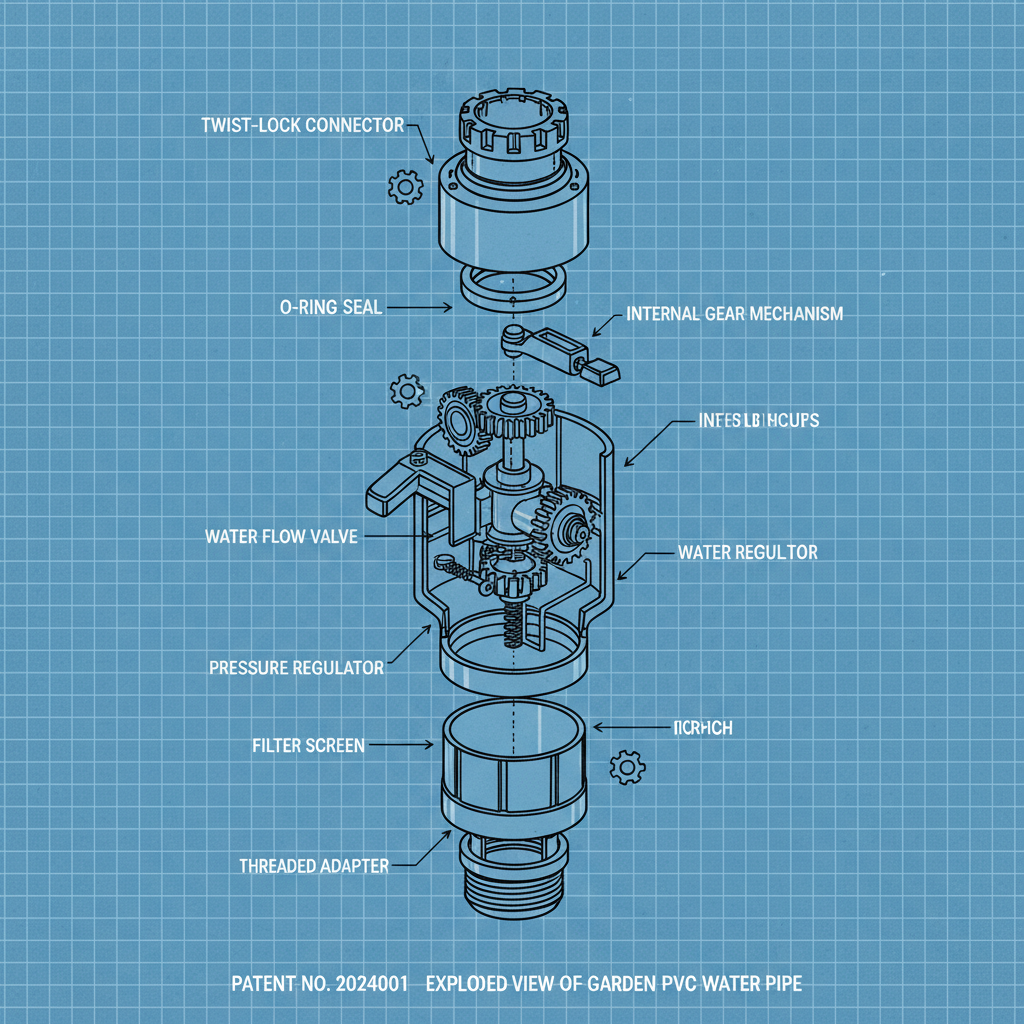
Maintenance and Longevity
While PVC is durable, regular maintenance will extend its lifespan. Inspect the pipes periodically for cracks, leaks, or damage. Flush the system annually to remove debris and prevent clogging. Protect exposed pipes from direct sunlight to prevent UV degradation. During colder months, drain the system to prevent freezing and potential pipe bursts. By following these simple maintenance steps, you can ensure your PVC water pipe for garden continues to provide reliable irrigation for years to come.
Conclusion: Investing in a Reliable Garden Watering System
Choosing the right PVC water pipe for your garden is an investment in the health and beauty of your plants. With its durability, affordability, and ease of installation, PVC offers a practical solution for creating an efficient and reliable irrigation system. Explore the wide range of options available at Kebinghose and start building the garden of your dreams today.
Frequently Asked Questions (FAQs)
What is the best way to connect PVC pipes?
The most reliable method for connecting PVC pipes is using PVC primer and cement. First, apply the primer to both surfaces to be joined. This softens the PVC and prepares it for bonding. Then, apply a generous layer of cement and quickly join the pipes, twisting slightly to ensure even distribution. Hold the connection firmly for about 30 seconds until the cement sets. Ensure proper ventilation when working with PVC primer and cement. For threaded connections, use Teflon tape to create a watertight seal.
Can PVC pipe be used underground?
Yes, PVC pipe can be used underground, but it’s essential to bury it at a sufficient depth to protect it from damage and freezing. The recommended burial depth varies depending on your climate, but generally, it should be at least 18-24 inches deep. Consider wrapping the pipe with protective sleeves in rocky soil to prevent punctures. Proper backfilling and compaction around the pipe are also crucial for stability.
What tools are needed to install PVC pipe?
Essential tools for installing PVC pipe include a PVC cutter or saw, PVC primer and cement, measuring tape, a marker, sandpaper (for cleaning pipe ends), Teflon tape, and potentially a pipe wrench for threaded connections. A deburring tool can also be helpful for removing sharp edges from cut pipes. Safety glasses are recommended to protect your eyes from debris.
How do I prevent leaks in my PVC irrigation system?
Preventing leaks requires careful installation and attention to detail. Ensure all pipe cuts are clean and straight. Apply PVC primer and cement generously and correctly. Use Teflon tape on all threaded connections. After installation, test the system for leaks by turning on the water and inspecting all joints and connections. Address any leaks promptly by re-applying cement or tightening connections.
-
High Strength Industrial Clear Braided PVC Hose Pipe GuideNewsApr.16,2026
-
Industrial Reinforced Braided PVC Hose for Fluid Transfer GuideNewsApr.09,2026
-
Comprehensive Guide to Braided PVC Tubing Applications and BenefitsNewsApr.07,2026
-
Comprehensive Guide to Braided Clear Vinyl Tubing Applications and BenefitsNewsApr.04,2026
-
Comprehensive Guide to PVC Braided Hose Applications and SelectionNewsMar.31,2026
-
Comprehensive Guide to Selecting the Best Double Welding Hose for Your NeedsNewsMar.28,2026
 Afrikaans
 Albanian
 Arabic
 Azerbaijani
 Belarusian
 Bengali
 Bulgarian
 Czech
Czech
 Danish
 Dutch
Dutch
 Finnish
 French
 German
 Greek
Greek
 Hebrew
 Hindi
Hindi
 Hungarian
 Indonesian
 Irish
Irish
 Italian
 Japanese
 Kazakh
 Korean
 Kyrgyz
 Lao
Lao
 Latin
Latin
 Lithuanian
 Luxembourgish
 Malay
Malay
 Mongolian
 Myanmar
 Nepali
 Norwegian
 Persian
 Polish
 Portuguese
 Russian
 Serbian
 Slovak
 Spanish
 Swedish
 Tagalog
 Thai
Thai
 Turkish
 Ukrainian
 Uighur
 Uzbek
Uzbek
 Vietnamese
 Welsh
Welsh
 English