


Comprehensive Guide to LPG Vapor Hose Selection Safety and Applications
Understanding LPG Vapor Hose: A Comprehensive Guide
LPG (Liquefied Petroleum Gas) vapor hoses are crucial components in a variety of applications, from industrial processes to recreational vehicles. Ensuring you select the right hose for your needs is paramount for safety and efficiency. This article will provide a detailed overview of LPG vapor hoses, covering their construction, applications, safety considerations, and how to choose the best option from Kebing Hose. Proper hose selection and maintenance are vital to prevent leaks and ensure safe operation.
What is an LPG Vapor Hose?
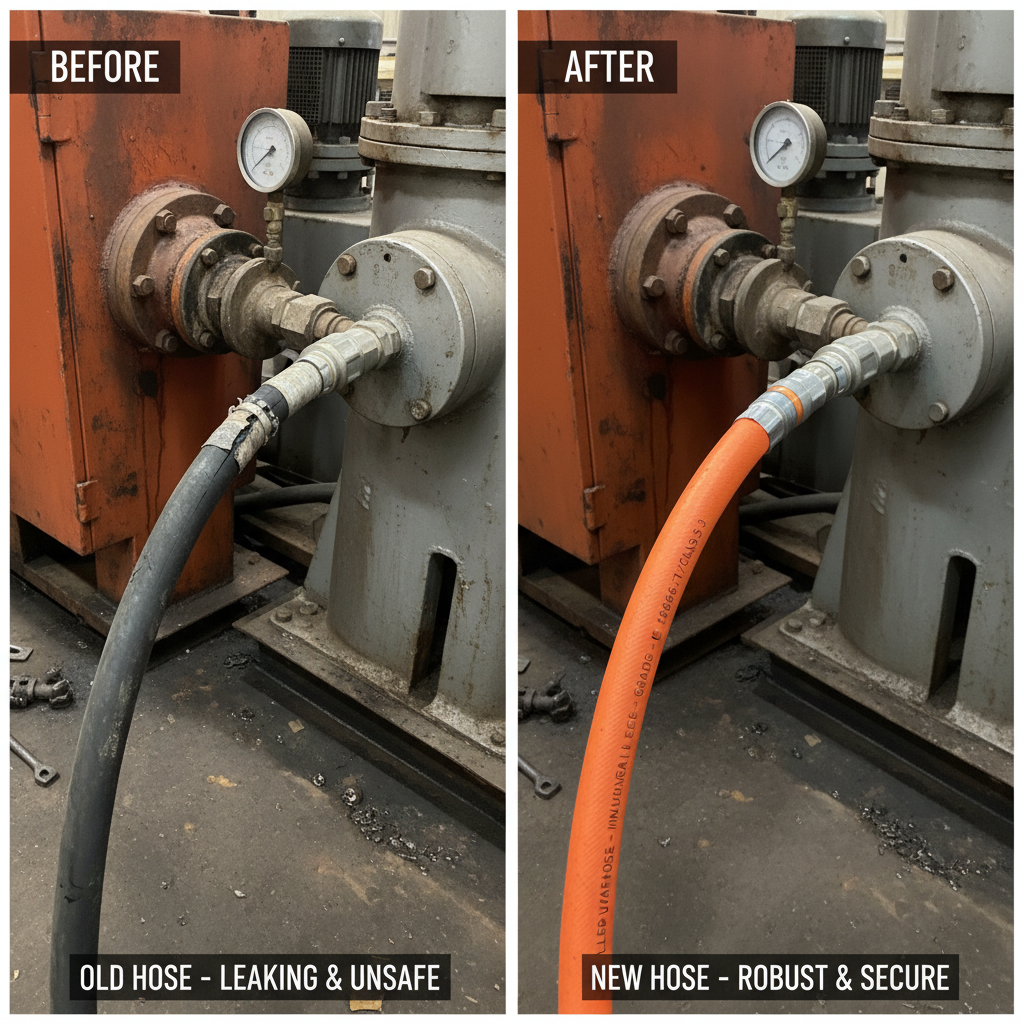
An LPG vapor hose is specifically designed to safely convey gaseous LPG at low pressures. Unlike liquid LPG hoses, vapor hoses are engineered to handle the expanded gaseous state of the fuel. They consist of an inner tube, reinforcement layers, and an outer cover, all constructed from materials compatible with LPG and resistant to permeation. The key feature is their ability to withstand the pressures associated with vapor transfer without leaks or degradation. Using a hose specifically rated for vapor, rather than liquid, is absolutely essential for safety. Kebing Hose offers a range of LPG vapor hoses designed for various applications and pressure requirements.
Key Features: Constructed with materials compatible with LPG; Resistant to permeation; Designed for low-pressure vapor transfer; Enhanced safety features.
Applications of LPG Vapor Hoses
LPG vapor hoses find widespread use in several sectors. Commonly, they are employed in the connection between gas cylinders and vaporizers in heating systems, forklifts, and other LPG-powered equipment. They're also vital in RVs and caravans for supplying gas to appliances like stoves and heaters. Industrial applications include connecting to bulk LPG storage tanks and process equipment. Because of the diverse demands of these applications, a variety of hose constructions are available, as offered by Kebing Hose, to suit different pressures, temperatures, and environments.
Common Applications:
• Heating Systems
• Forklifts
• RVs and Caravans
• Industrial LPG processes
LPG Vapor Hose Construction & Materials
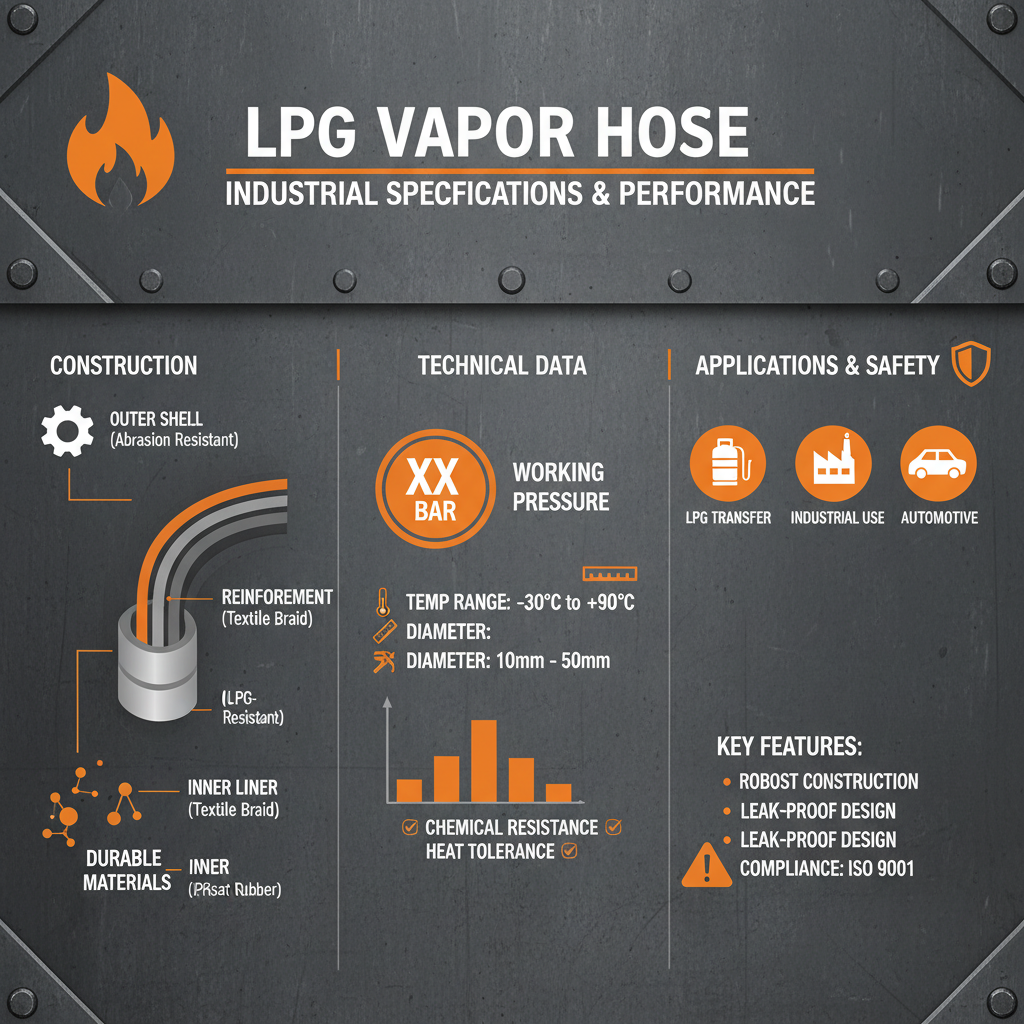
The construction of an LPG vapor hose is critical to its safety and performance. Typically, these hoses consist of four key layers: an inner tube made of a synthetic rubber compatible with LPG (often a blend of nitrile and PVC), a braided reinforcement layer (usually made of textile or steel wire) to withstand pressure, an intermediate layer for bonding, and a durable outer cover providing abrasion and weather resistance. Kebing Hose uses high-quality materials to ensure their hoses meet stringent industry standards.
Choosing the Right LPG Vapor Hose
Selecting the appropriate LPG vapor hose involves considering several factors. First, determine the working pressure and temperature of your application. The hose must be rated to exceed these conditions. Second, consider the length needed, avoiding unnecessary excess hose, which can create hazards. Third, ensure the hose is compatible with the specific LPG type being used. Finally, look for hoses that meet relevant safety standards and certifications. Kebing Hose provides detailed specifications and guidance to help you choose the ideal hose for your needs.
Safety Considerations and Maintenance
Safety is paramount when dealing with LPG. Regularly inspect your hoses for cracks, abrasions, or signs of deterioration. Never use a damaged hose. Ensure all connections are secure and leak-free – use a leak detection solution to verify. Avoid exposing hoses to direct heat, sharp objects, or corrosive substances. Store hoses properly when not in use, away from sunlight and extreme temperatures. Following these safety precautions and performing regular maintenance will help prevent accidents and ensure the safe operation of your LPG system. Kebing Hose emphasizes the importance of safety and provides resources to help customers maintain their hoses correctly.
Conclusion: Choosing Reliability with Kebing Hose
Selecting the right LPG vapor hose is critical for safety, efficiency, and long-term reliability. Kebing Hose offers a comprehensive range of high-quality hoses designed to meet diverse application needs. By prioritizing safety, choosing the right materials, and maintaining your hoses properly, you can ensure a secure and efficient LPG system.
Frequently Asked Questions (FAQs)
What is the typical lifespan of an LPG vapor hose?
The lifespan of an LPG vapor hose typically ranges from 5 to 7 years under normal operating conditions. However, this can vary significantly depending on factors such as exposure to UV radiation, extreme temperatures, and mechanical stress. Regular inspections are crucial. Any signs of cracking, abrasion, or deterioration necessitate immediate replacement. It is also recommended to replace the hose if it has been exposed to a significant impact or chemical exposure, even if no visible damage is apparent. Kebing Hose provides guidance on optimal hose lifespan based on specific applications.
How often should I inspect my LPG vapor hose?
You should visually inspect your LPG vapor hose before each use. This includes checking for cracks, abrasions, bulges, or any other signs of damage. Additionally, perform a leak test using a leak detection solution every three to six months, or more frequently in high-use applications. Pay close attention to the connection points, as these are common areas for leaks. A proactive inspection schedule helps identify potential issues before they become safety hazards.
What safety standards do Kebing Hose LPG vapor hoses meet?
Kebing Hose LPG vapor hoses are manufactured to meet or exceed relevant international safety standards, including EN ISO 3821. These standards ensure the hoses are rigorously tested for pressure resistance, permeation, and compatibility with LPG. We are committed to providing products that meet the highest safety requirements, giving our customers peace of mind. Detailed certifications are available upon request.
-
High Strength Industrial Clear Braided PVC Hose Pipe GuideNewsApr.16,2026
-
Industrial Reinforced Braided PVC Hose for Fluid Transfer GuideNewsApr.09,2026
-
Comprehensive Guide to Braided PVC Tubing Applications and BenefitsNewsApr.07,2026
-
Comprehensive Guide to Braided Clear Vinyl Tubing Applications and BenefitsNewsApr.04,2026
-
Comprehensive Guide to PVC Braided Hose Applications and SelectionNewsMar.31,2026
-
Comprehensive Guide to Selecting the Best Double Welding Hose for Your NeedsNewsMar.28,2026
 Afrikaans
 Albanian
 Arabic
 Azerbaijani
 Belarusian
 Bengali
 Bulgarian
 Czech
Czech
 Danish
 Dutch
Dutch
 Finnish
 French
 German
 Greek
Greek
 Hebrew
 Hindi
Hindi
 Hungarian
 Indonesian
 Irish
Irish
 Italian
 Japanese
 Kazakh
 Korean
 Kyrgyz
 Lao
Lao
 Latin
Latin
 Lithuanian
 Luxembourgish
 Malay
Malay
 Mongolian
 Myanmar
 Nepali
 Norwegian
 Persian
 Polish
 Portuguese
 Russian
 Serbian
 Slovak
 Spanish
 Swedish
 Tagalog
 Thai
Thai
 Turkish
 Ukrainian
 Uighur
 Uzbek
Uzbek
 Vietnamese
 Welsh
Welsh
 English