


Comprehensive Guide to Choosing the Right LPG Hose with Regulator
LPG Hose with Regulator: A Comprehensive Guide
When working with Liquefied Petroleum Gas (LPG), safety and reliability are paramount. A high-quality LPG hose with regulator is crucial for ensuring efficient and safe gas delivery. This article will provide a detailed overview of LPG hoses with regulators, their applications, key features, and factors to consider when choosing the right one for your needs. We will explore the importance of selecting a hose that meets industry standards and provides long-lasting performance.
Understanding the Components of an LPG Hose with Regulator
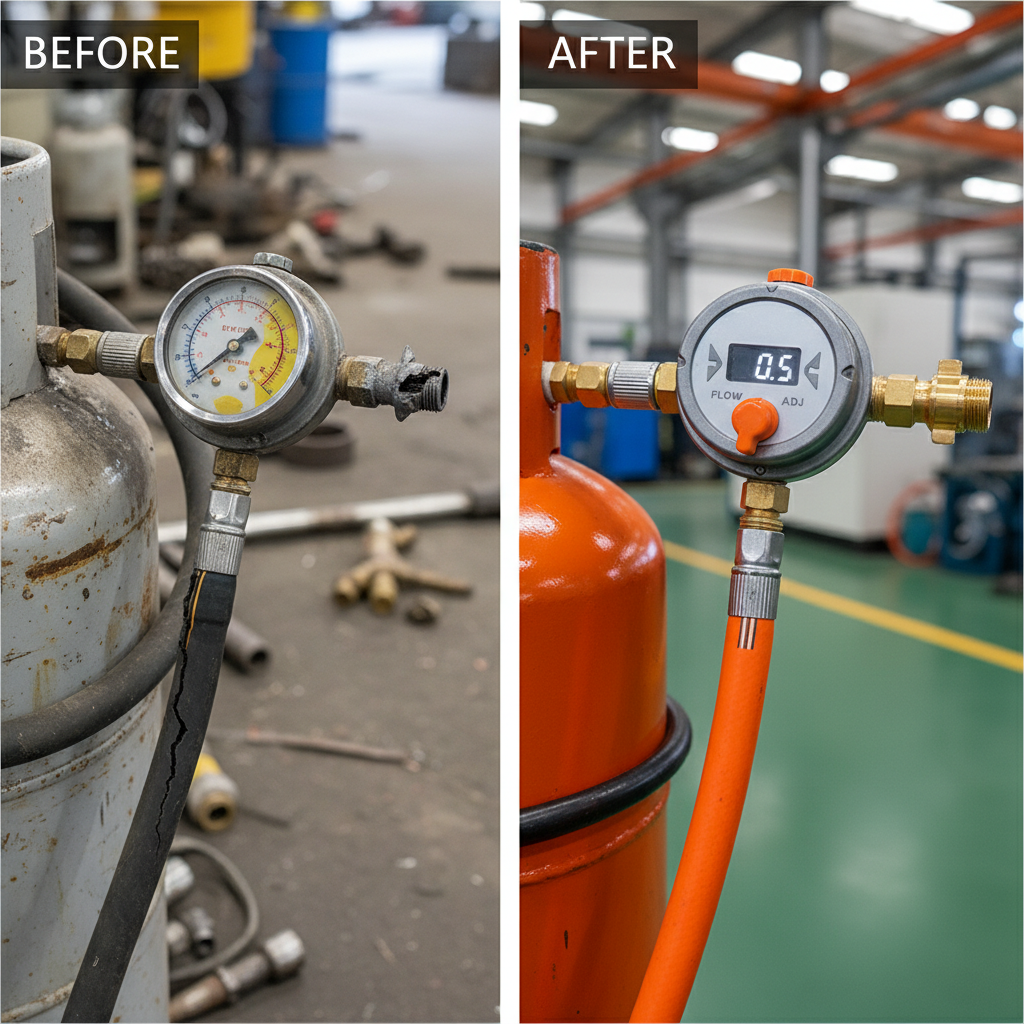
An LPG hose with regulator is comprised of two essential components: the hose itself and the regulator. The hose is designed to safely transport LPG from the gas source to the appliance. It is typically made from a rubber or thermoplastic material reinforced with textile or wire braiding for strength and flexibility. The regulator, on the other hand, reduces the high pressure of the LPG in the cylinder to a lower, safer, and usable pressure for the appliance. A properly functioning regulator is vital for consistent gas flow and preventing potential hazards. Choosing a quality LPG hose and regulator from a reputable manufacturer like Kebing Hose ensures both safety and optimal performance.
Key Benefits: Safe and efficient gas delivery, consistent gas flow, and enhanced safety features to prevent leaks and hazards.
Key Features to Look for in an LPG Hose with Regulator
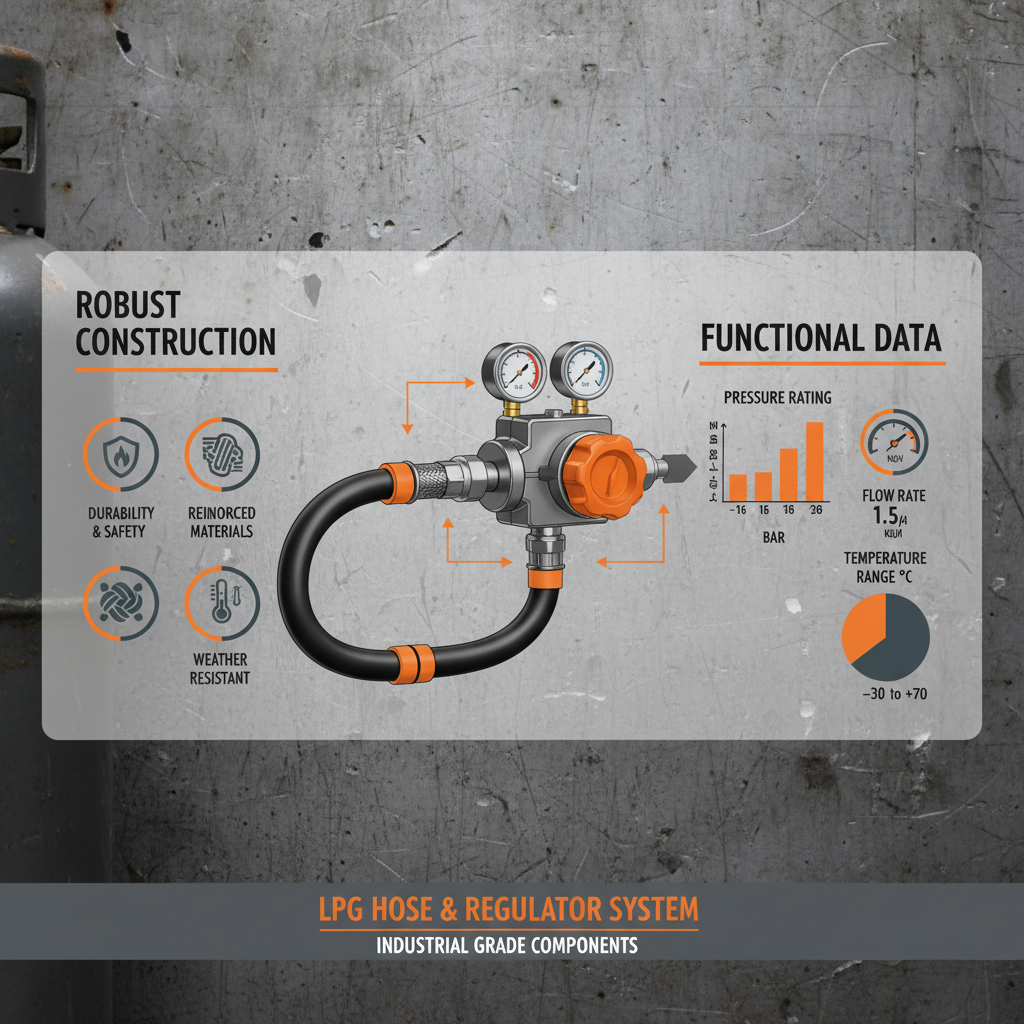
When selecting an LPG hose with regulator, several key features should be considered. First, ensure the hose is certified to meet relevant safety standards, such as EN ISO 3821. The hose material should be compatible with LPG and resistant to degradation from weathering and chemicals. The regulator should have a stable outlet pressure and be capable of handling the required gas flow rate for your appliance. Look for regulators with overpressure protection and flame arrestors for added safety. A robust and secure connection system is also critical to prevent leaks. Kebing Hose offers a range of LPG hoses engineered with these features in mind.
Essential Features:
• Certification to EN ISO 3821 or equivalent.
• LPG-compatible hose material.
• Stable outlet pressure regulator.
• Overpressure protection & flame arrestor.
LPG Hose with Regulator Applications
LPG hoses with regulators are used in a wide variety of applications, including domestic heating and cooking, caravan and camping gas systems, industrial heating processes, and agricultural applications such as crop drying. The specific type of hose and regulator required will depend on the application's gas pressure and flow rate requirements. For example, a higher flow rate regulator is needed for a large industrial burner than for a portable camping stove. Understanding the application is crucial for selecting the right components and ensuring safe operation.
Choosing the Right LPG Hose with Regulator: Factors to Consider
Selecting the correct LPG hose with regulator involves considering several factors. First, determine the gas pressure and flow rate required for your appliance. The hose length should be sufficient to reach the appliance without excessive coiling or kinking. Ensure the hose and regulator are compatible with the type of LPG gas being used (propane or butane). Regular inspection and maintenance are essential for ensuring the safe and reliable operation of your LPG system. Replacing hoses and regulators at recommended intervals is also vital. Kebing Hose provides expert advice and a comprehensive range of products to meet your specific needs.
Safety Precautions When Using LPG Hoses with Regulators
Safety is paramount when working with LPG. Always check for leaks using a soapy water solution before using the appliance. Never use a damaged or worn hose or regulator. Ensure adequate ventilation when using LPG appliances indoors. Store LPG cylinders in a well-ventilated area away from heat sources and ignition sources. Regularly inspect the hose and regulator for signs of wear, cracks, or damage. If you suspect a leak, immediately turn off the gas supply and contact a qualified gas engineer.
Conclusion: Ensuring Safety with Quality LPG Equipment
Investing in a high-quality LPG hose with regulator from a trusted supplier like Kebing Hose is essential for safe and reliable gas delivery. By understanding the key features, applications, and safety precautions, you can ensure the safe and efficient operation of your LPG system. Prioritize safety and choose products that meet industry standards for peace of mind.
Frequently Asked Questions (FAQs)
How often should I replace my LPG hose with regulator?
Generally, it is recommended to replace your LPG hose with regulator every 5-10 years, depending on usage and exposure to environmental factors. Regular inspection is crucial. If you notice any signs of wear, cracks, or damage, replace the hose immediately. It’s also advisable to replace the hose if it has been exposed to extreme temperatures or chemicals. Compliance with local regulations regarding hose replacement is also essential.
What is the difference between propane and butane regulators?
Propane and butane require different regulator pressures due to their varying vapor pressures. Propane regulators typically operate at 28-30 PSI, while butane regulators operate at around 28-30 PSI as well. Using the incorrect regulator can result in unsafe operation, potentially causing under-performance or dangerous leaks. Always ensure the regulator is specifically designed for the type of gas you are using.
What should I do if I smell gas?
If you smell gas, act immediately. First, extinguish any open flames or ignition sources. Do not operate any electrical switches. Open windows and doors to ventilate the area. Turn off the gas supply at the cylinder valve. Do not attempt to repair the leak yourself. Contact a qualified gas engineer or your local emergency services for assistance.
Are all LPG hoses compatible with all LPG appliances?
No, not all LPG hoses are universally compatible. The hose must be rated for the appropriate pressure and flow rate required by your specific appliance. Additionally, ensure the hose material is compatible with LPG and that the hose fittings are compatible with the appliance's gas inlet. Always refer to the appliance manufacturer’s instructions for recommended hose specifications.
-
High Strength Industrial Clear Braided PVC Hose Pipe GuideNewsApr.16,2026
-
Industrial Reinforced Braided PVC Hose for Fluid Transfer GuideNewsApr.09,2026
-
Comprehensive Guide to Braided PVC Tubing Applications and BenefitsNewsApr.07,2026
-
Comprehensive Guide to Braided Clear Vinyl Tubing Applications and BenefitsNewsApr.04,2026
-
Comprehensive Guide to PVC Braided Hose Applications and SelectionNewsMar.31,2026
-
Comprehensive Guide to Selecting the Best Double Welding Hose for Your NeedsNewsMar.28,2026
 Afrikaans
 Albanian
 Arabic
 Azerbaijani
 Belarusian
 Bengali
 Bulgarian
 Czech
Czech
 Danish
 Dutch
Dutch
 Finnish
 French
 German
 Greek
Greek
 Hebrew
 Hindi
Hindi
 Hungarian
 Indonesian
 Irish
Irish
 Italian
 Japanese
 Kazakh
 Korean
 Kyrgyz
 Lao
Lao
 Latin
Latin
 Lithuanian
 Luxembourgish
 Malay
Malay
 Mongolian
 Myanmar
 Nepali
 Norwegian
 Persian
 Polish
 Portuguese
 Russian
 Serbian
 Slovak
 Spanish
 Swedish
 Tagalog
 Thai
Thai
 Turkish
 Ukrainian
 Uighur
 Uzbek
Uzbek
 Vietnamese
 Welsh
Welsh
 English