


Comprehensive Guide to LPG Gas Flexible Hose Selection and Safety
Understanding LPG Gas Flexible Hose: A Comprehensive Guide
LPG (Liquefied Petroleum Gas) is a versatile fuel source used in numerous applications, from heating and cooking to industrial processes. Ensuring its safe and efficient transfer requires high-quality LPG gas flexible hose. This article provides a detailed overview of LPG hoses, their applications, key considerations when choosing them, and the importance of adhering to safety standards. We’ll explore the various types available, materials used, and how to select the right hose for your specific needs. Proper hose selection is paramount to prevent leaks and ensure the safe operation of LPG systems.
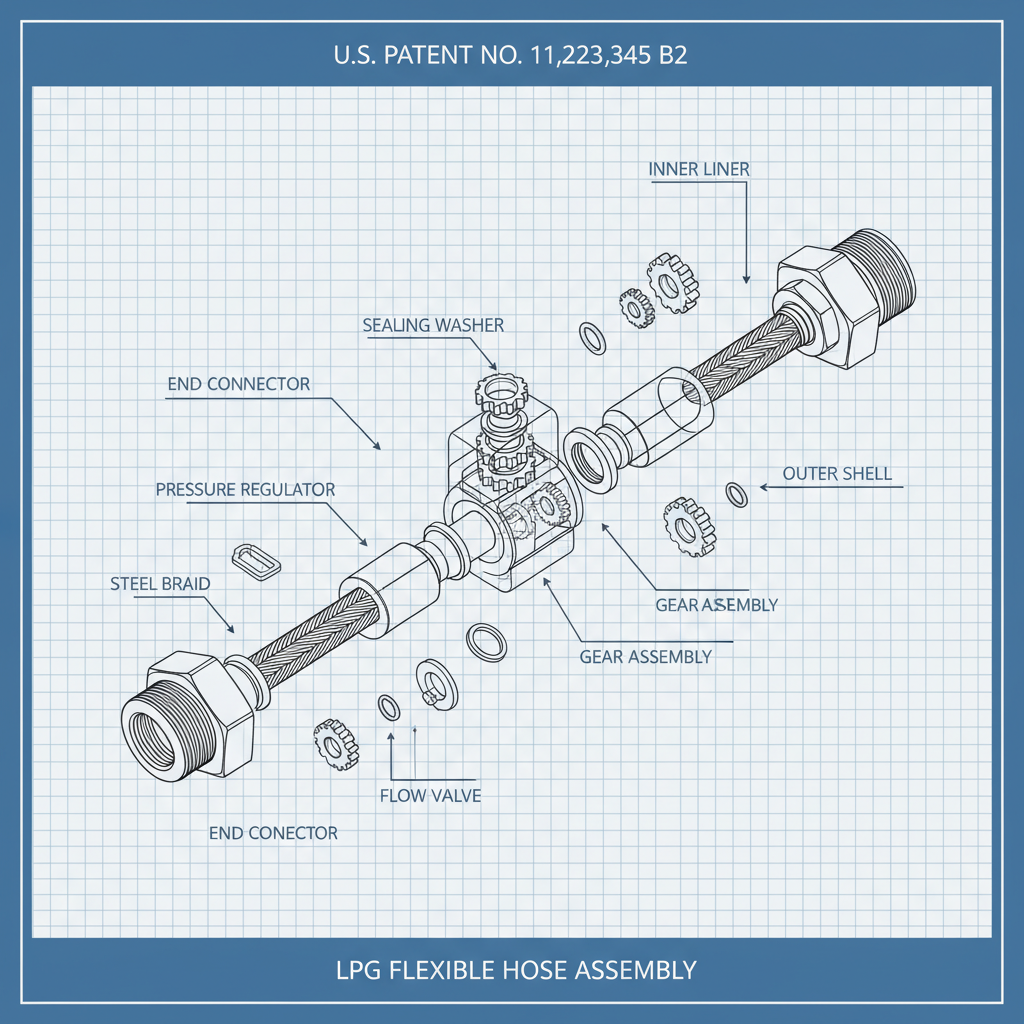
What is LPG Gas Flexible Hose and Why is it Important?
An LPG gas flexible hose is specifically designed to safely convey LPG from the supply source (tank or cylinder) to the appliance or equipment. Unlike rigid piping, flexible hoses offer greater maneuverability and adaptability, making them ideal for various applications. Their importance lies in their ability to withstand the high pressures and unique chemical properties of LPG, preventing leaks and ensuring a secure connection. Using a hose specifically designed for LPG is crucial; standard hoses are not rated for this purpose and can pose a significant safety risk. Kebing Hose provides reliable and certified LPG hoses for a variety of applications.
Key Benefits: Enhanced safety, flexibility in installation, resistance to LPG’s corrosive properties, and ease of connection/disconnection.
Choosing the Right LPG Gas Flexible Hose
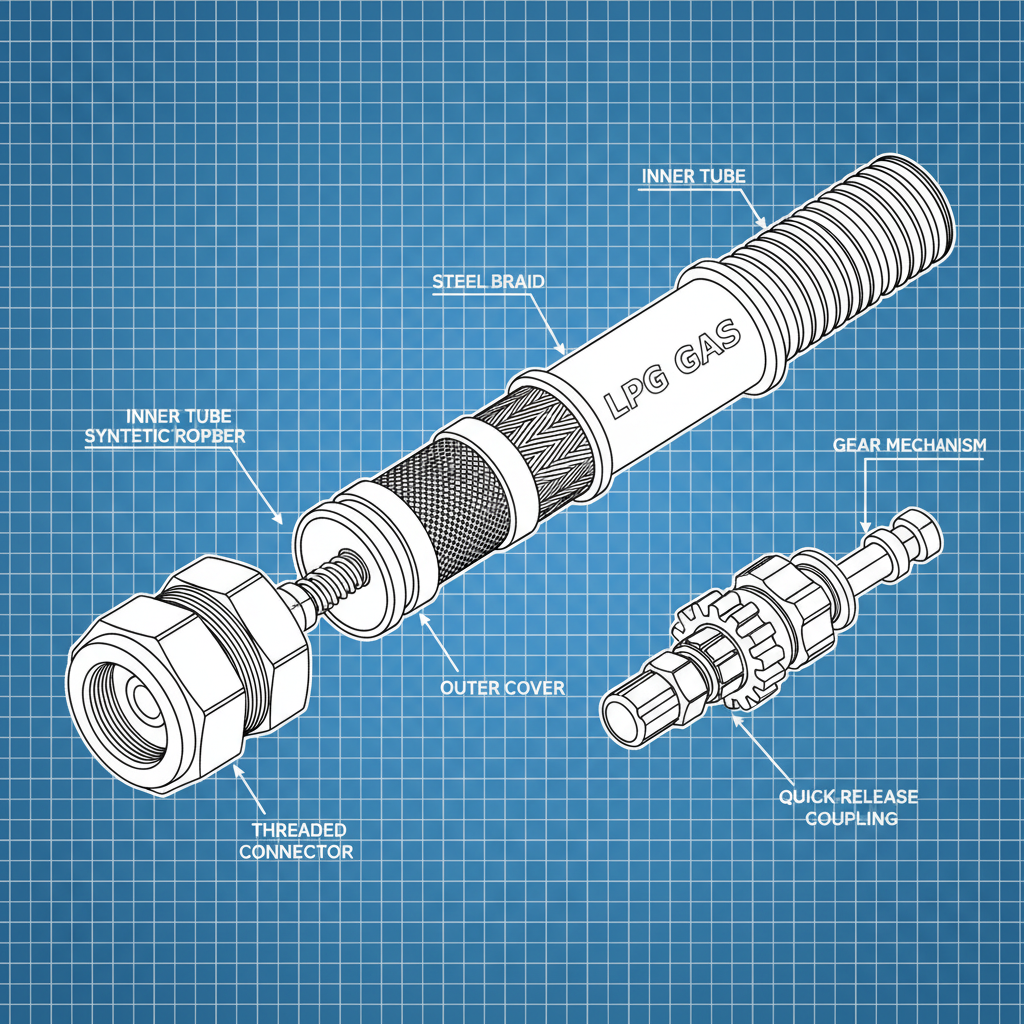
Selecting the appropriate LPG hose requires careful consideration of several factors. Pressure rating is paramount; the hose must be capable of handling the maximum pressure of the LPG system. Material compatibility is also crucial, as LPG can degrade certain materials. Common materials include synthetic rubber (EPDM) and stainless steel. Length and diameter should be appropriate for the application, avoiding excessive bending or stretching. Furthermore, ensure the hose is certified to relevant safety standards (e.g., EN 1763, AS/NZS 1869). Always verify the hose's intended use before installation.
Key Selection Criteria:
• Pressure Rating
• Material Compatibility (EPDM, Stainless Steel)
• Length & Diameter
• Safety Certifications (EN 1763, AS/NZS 1869)
LPG Gas Flexible Hose: Materials Compared
Different materials offer varying levels of performance and suitability for specific LPG applications. EPDM (Ethylene Propylene Diene Monomer) is a synthetic rubber renowned for its excellent resistance to LPG, weathering, and ozone. Stainless steel hoses, while more expensive, offer superior durability, corrosion resistance, and are often preferred in harsh environments. Polyurethane hoses are sometimes used, but their compatibility with LPG must be carefully verified. The following table provides a detailed comparison:
Applications of LPG Gas Flexible Hose
LPG hoses find widespread use in various settings, including residential, commercial, and industrial applications. Common applications include connecting gas cylinders to barbecues, heaters, stoves, and industrial equipment. They are essential for caravans, camping stoves, and forklift trucks. Specific applications often dictate the required hose specifications, such as pressure rating, length, and material. Kebing Hose offers tailored solutions to meet diverse application requirements.
Safety Considerations and Maintenance
Safety is paramount when working with LPG. Regular inspection of the hose for cracks, abrasions, or leaks is crucial. Never use a damaged hose. Ensure the hose is properly connected and secured to prevent accidental disconnection. Avoid exposing the hose to direct sunlight, heat sources, or sharp objects. Periodically check connections for tightness. Always follow the manufacturer’s instructions for installation and maintenance. In case of a gas leak, immediately shut off the gas supply and ventilate the area.
Conclusion: Ensuring Safe LPG Use with Quality Hoses
Choosing the right LPG gas flexible hose is a critical aspect of safe LPG usage. By understanding the various materials, applications, and safety considerations, you can ensure a reliable and secure connection. Investing in high-quality hoses from a reputable supplier like Kebing Hose is essential for protecting your property and ensuring the well-being of those around you. Prioritize safety and choose wisely.
Frequently Asked Questions (FAQs)
How often should I replace my LPG hose?
It's generally recommended to replace your LPG hose every 5-10 years, even if it appears to be in good condition. The rubber can degrade over time due to exposure to environmental factors and LPG itself. Furthermore, any sign of cracks, abrasions, or leaks necessitates immediate replacement. Regular inspections, at least twice a year, are vital to ensure the hose remains safe for use. Following the manufacturer’s recommendation is essential, as specific hoses may have different lifespans.
Can I repair a damaged LPG hose?
No, you should never attempt to repair a damaged LPG hose. Even a small repair can compromise the hose’s integrity and create a potential leak hazard. LPG hoses are designed as a complete unit, and any tampering can void safety certifications. The only safe course of action is to replace the damaged hose with a new, certified one. Attempting a repair could lead to a dangerous gas leak and potential fire or explosion.
What safety certifications should I look for when purchasing an LPG hose?
Look for hoses certified to recognized safety standards such as EN 1763 (European standard) or AS/NZS 1869 (Australian/New Zealand standard). These certifications indicate that the hose has undergone rigorous testing and meets specific safety requirements for LPG applications. The hose should have a clear marking indicating its certification and pressure rating. Always verify that the hose is suitable for the specific type of LPG appliance you are using.
-
High Strength Industrial Clear Braided PVC Hose Pipe GuideNewsApr.16,2026
-
Industrial Reinforced Braided PVC Hose for Fluid Transfer GuideNewsApr.09,2026
-
Comprehensive Guide to Braided PVC Tubing Applications and BenefitsNewsApr.07,2026
-
Comprehensive Guide to Braided Clear Vinyl Tubing Applications and BenefitsNewsApr.04,2026
-
Comprehensive Guide to PVC Braided Hose Applications and SelectionNewsMar.31,2026
-
Comprehensive Guide to Selecting the Best Double Welding Hose for Your NeedsNewsMar.28,2026
 Afrikaans
 Albanian
 Arabic
 Azerbaijani
 Belarusian
 Bengali
 Bulgarian
 Czech
Czech
 Danish
 Dutch
Dutch
 Finnish
 French
 German
 Greek
Greek
 Hebrew
 Hindi
Hindi
 Hungarian
 Indonesian
 Irish
Irish
 Italian
 Japanese
 Kazakh
 Korean
 Kyrgyz
 Lao
Lao
 Latin
Latin
 Lithuanian
 Luxembourgish
 Malay
Malay
 Mongolian
 Myanmar
 Nepali
 Norwegian
 Persian
 Polish
 Portuguese
 Russian
 Serbian
 Slovak
 Spanish
 Swedish
 Tagalog
 Thai
Thai
 Turkish
 Ukrainian
 Uighur
 Uzbek
Uzbek
 Vietnamese
 Welsh
Welsh
 English