


Comprehensive Guide to LPG Flexible Hose Applications and Safety Standards
Understanding LPG Flexible Hose: A Comprehensive Guide
LPG (Liquefied Petroleum Gas) flexible hose is a critical component in any system involving the transfer of LPG. Its purpose is to safely and efficiently convey gas between fixed installations and various appliances. Choosing the right LPG flexible hose is paramount for safety and performance. This article delves into the various aspects of LPG flexible hose, including its applications, materials, safety standards, and factors to consider when making a purchase. We’ll explore the importance of quality hoses and the benefits of sourcing from reputable suppliers like Kebing Hose.
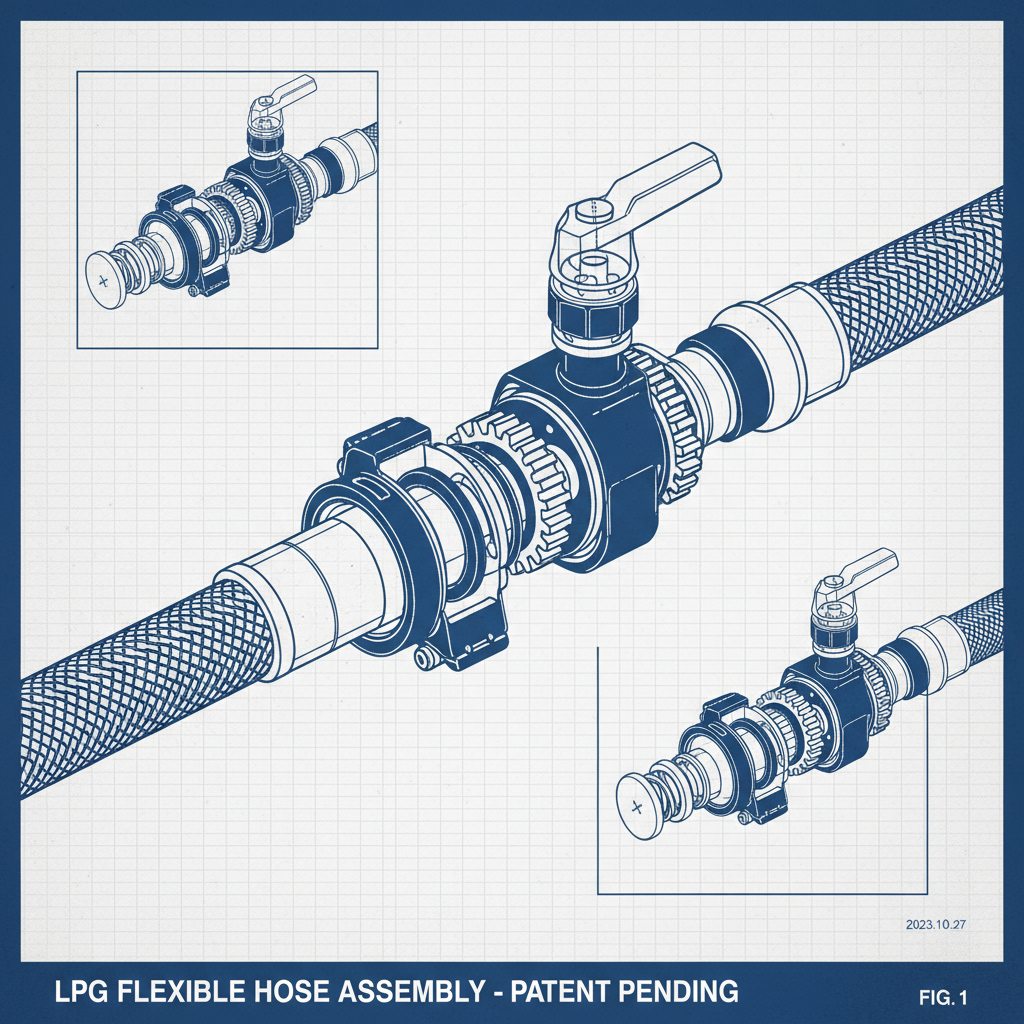
Applications of LPG Flexible Hose
LPG flexible hose finds wide application across both domestic and industrial sectors. Common uses include connecting gas cylinders to barbecues, heaters, and stoves in homes. Industrially, these hoses are used in forklift trucks, agricultural equipment, and various gas-powered machinery. They are also crucial in temporary gas installations, such as events and construction sites. The versatility of these hoses means they must meet stringent safety standards to ensure reliable performance in diverse environments. The flexibility allows for easy connection and maneuverability, unlike rigid piping systems.
Key Applications: Connecting gas cylinders to appliances, powering forklifts, agricultural machinery, temporary gas installations and BBQ connections.
Materials Used in LPG Flexible Hose Construction
The materials used in LPG flexible hose construction are critical to its safety and longevity. Typically, these hoses consist of an inner tube, reinforcement layers, and an outer cover. The inner tube is often made of a synthetic rubber compound that is resistant to LPG permeation. Reinforcement layers, commonly made of high-tensile textile or steel wire, provide strength and pressure resistance. The outer cover, often made of PVC or a similar durable material, protects the hose from abrasion, weathering, and chemicals. Choosing a hose with quality materials is essential to avoid leaks and ensure safe gas transfer. Kebing Hose utilizes premium materials to guarantee superior performance.
Material Breakdown:
• Inner Tube: Synthetic Rubber (LPG resistant)
• Reinforcement: High-Tensile Textile or Steel Wire
• Outer Cover: PVC or Durable Polymer
LPG Flexible Hose: Comparing Materials and Specifications
Different applications demand different hose specifications. Factors to consider include working pressure, temperature range, hose length, and the type of fitting required. Here’s a comparison of common materials and specifications:
Safety Standards and Regulations for LPG Flexible Hose
LPG flexible hose must comply with relevant safety standards to ensure safe operation. These standards vary by region, but generally include certifications such as EN ISO 3821 in Europe and AS/NZS 1869 in Australia and New Zealand. These standards specify requirements for materials, construction, testing, and marking. Always verify that the hose you purchase is certified and approved for use with LPG. Regularly inspect hoses for signs of damage, such as cracks, abrasions, or leaks. Replace hoses if they show any signs of wear or deterioration. Kebing Hose products meet and exceed these crucial safety standards.
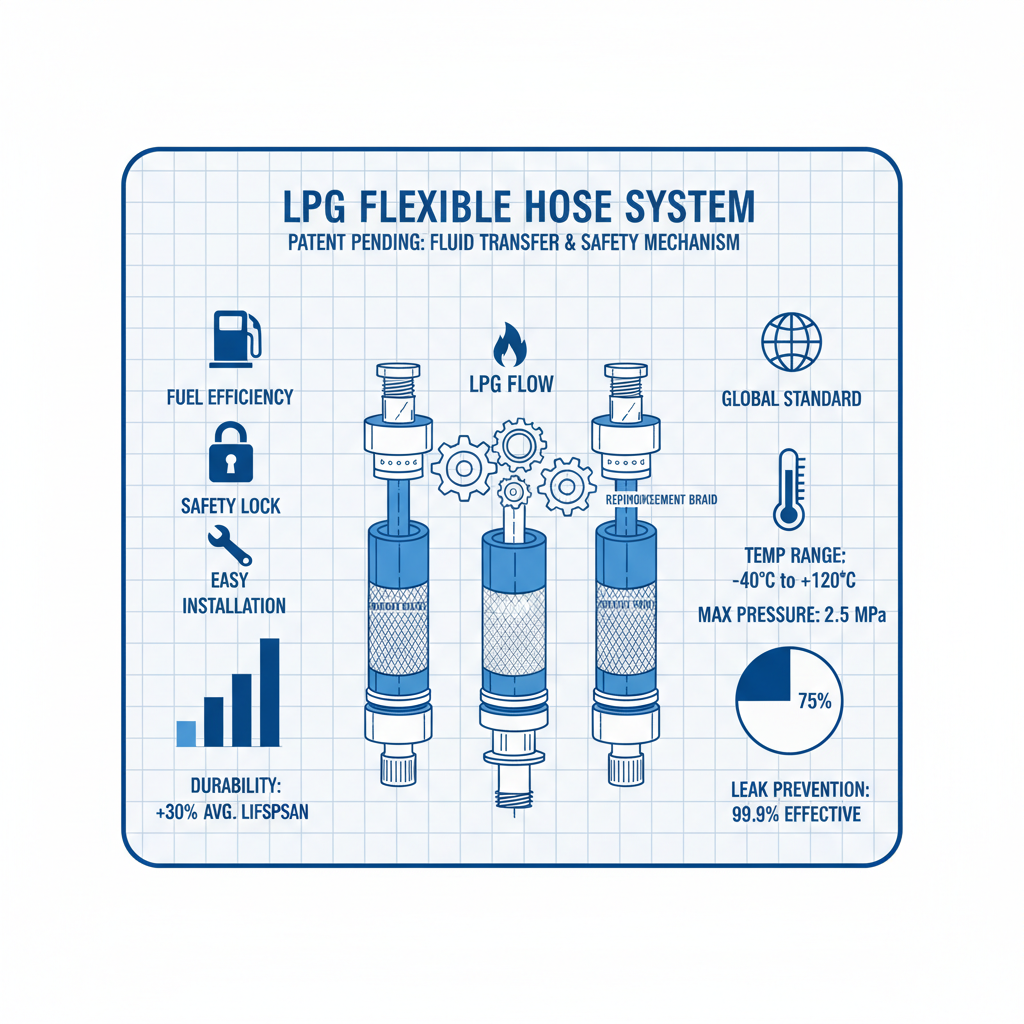
Choosing the Right LPG Flexible Hose: Key Considerations
Selecting the correct LPG flexible hose requires careful consideration. First, determine the working pressure and temperature range of your application. Ensure the hose is compatible with the specific type of LPG being used. Choose a hose with the appropriate length and fittings for your setup. Finally, and most importantly, purchase from a reputable supplier who can guarantee compliance with safety standards. Prioritizing quality and safety will ensure a reliable and long-lasting solution.
Conclusion: Ensuring Safe and Efficient LPG Transfer
Investing in a high-quality LPG flexible hose is a critical aspect of maintaining a safe and efficient gas system. By understanding the different materials, specifications, and safety standards, you can make an informed decision. Kebing Hose offers a comprehensive range of certified LPG flexible hoses to meet diverse needs. Don't compromise on safety – choose a reliable partner for your gas transfer requirements.
Frequently Asked Questions (FAQs)
How often should I replace my LPG flexible hose?
It’s recommended to replace your LPG flexible hose every 5 years, even if it appears to be in good condition. The rubber and other materials can degrade over time due to exposure to gas, temperature fluctuations, and environmental factors. Regular inspection is crucial; look for cracks, abrasions, or any signs of wear. If you detect any damage, replace the hose immediately. Also, always replace the hose after a fire or flood. Compliance with regulatory standards may also dictate replacement schedules, so check local regulations.
What type of fittings should I use with my LPG flexible hose?
Only use fittings specifically designed and approved for LPG use. Ensure the fittings are compatible with the hose diameter and material. Brass fittings are generally recommended for LPG applications due to their corrosion resistance. Avoid using fittings made of materials that are incompatible with LPG, as this could lead to leaks or corrosion. Always ensure the fittings are securely tightened to prevent gas leakage. Kebing Hose offers a wide range of compatible fittings.
How do I check for LPG leaks in a flexible hose?
The safest way to check for LPG leaks is by using a soapy water solution. Mix water with a small amount of dish soap and apply it to the hose connections and along the hose length. If bubbles form, this indicates a leak. Never use a flame or any ignition source to check for leaks, as LPG is highly flammable. If you suspect a leak, immediately turn off the gas supply, ventilate the area, and contact a qualified gas technician.
-
High Strength Industrial Clear Braided PVC Hose Pipe GuideNewsApr.16,2026
-
Industrial Reinforced Braided PVC Hose for Fluid Transfer GuideNewsApr.09,2026
-
Comprehensive Guide to Braided PVC Tubing Applications and BenefitsNewsApr.07,2026
-
Comprehensive Guide to Braided Clear Vinyl Tubing Applications and BenefitsNewsApr.04,2026
-
Comprehensive Guide to PVC Braided Hose Applications and SelectionNewsMar.31,2026
-
Comprehensive Guide to Selecting the Best Double Welding Hose for Your NeedsNewsMar.28,2026
 Afrikaans
 Albanian
 Arabic
 Azerbaijani
 Belarusian
 Bengali
 Bulgarian
 Czech
Czech
 Danish
 Dutch
Dutch
 Finnish
 French
 German
 Greek
Greek
 Hebrew
 Hindi
Hindi
 Hungarian
 Indonesian
 Irish
Irish
 Italian
 Japanese
 Kazakh
 Korean
 Kyrgyz
 Lao
Lao
 Latin
Latin
 Lithuanian
 Luxembourgish
 Malay
Malay
 Mongolian
 Myanmar
 Nepali
 Norwegian
 Persian
 Polish
 Portuguese
 Russian
 Serbian
 Slovak
 Spanish
 Swedish
 Tagalog
 Thai
Thai
 Turkish
 Ukrainian
 Uighur
 Uzbek
Uzbek
 Vietnamese
 Welsh
Welsh
 English