


Choosing the Right Oxygen and Acetylene Hoses for Safe and Efficient Operations
Choosing the Right Oxygen and Acetylene Hoses for Your Needs
When working with oxygen and acetylene, safety and reliability are paramount. The correct oxygen and acetylene hoses are crucial for ensuring a secure and efficient operation. These specialized hoses are designed to withstand the high pressures and unique properties of these gases. This article will provide a comprehensive guide to understanding, selecting, and maintaining the right hoses for your specific applications. We will delve into the materials, construction, safety features, and common uses of these vital components.
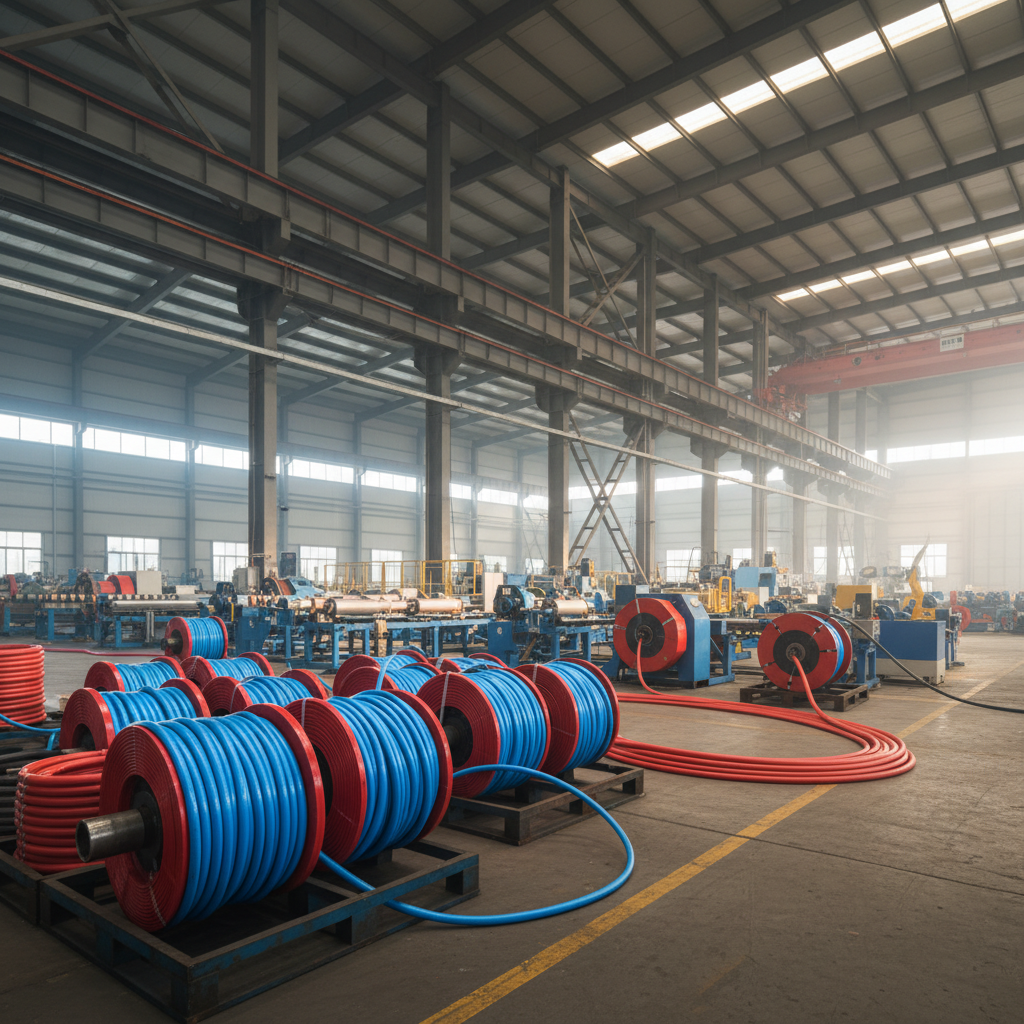
Understanding Oxygen and Acetylene Hose Construction
Oxygen and acetylene hoses are not interchangeable with standard industrial hoses. They are specifically engineered with layers of reinforcement to handle the high pressures involved in gas delivery. Acetylene hoses require a special liner that is impervious to acetylene, preventing it from permeating the hose wall. Oxygen hoses must be oil-free to prevent spontaneous combustion. The typical construction includes an inner tube, reinforcement layers (often braided textile or steel wire), and an outer cover. The inner tube material varies depending on the gas it will carry.
Key Considerations: Oxygen and acetylene hoses are designed to withstand the unique properties of these gases, ensuring safe and efficient operation.
The Importance of Material Selection for Oxygen and Acetylene Hoses
The materials used in oxygen and acetylene hoses directly impact their safety and performance. Inner tubes for oxygen hoses are commonly made from synthetic rubber compounds that prevent oil contamination. Acetylene hoses utilize a seamless liner, typically made of a special rubber formulation, to prevent acetylene from diffusing through the hose wall. Reinforcement layers can be made from high-tensile textile braids or spiral-wound steel wire for added strength and pressure resistance. The outer cover is usually a durable rubber compound designed to protect against abrasion, weathering, and chemicals.
Material Benefits:
• Prevents gas permeation
• Ensures oil-free oxygen delivery
• Withstands high pressures
• Provides resistance to weathering and abrasion
Oxygen vs. Acetylene Hose: Key Differences
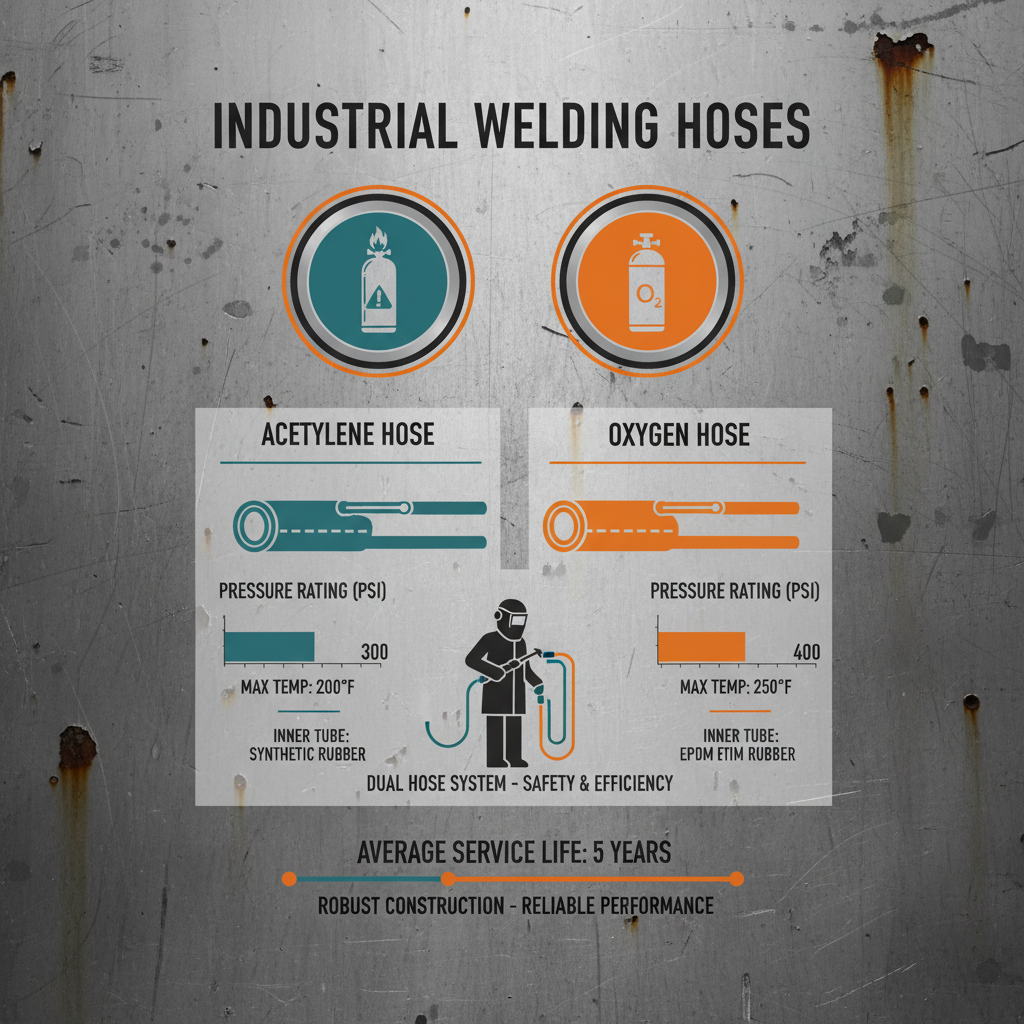
While both hoses are used for welding and cutting applications, they have distinct characteristics. Oxygen hoses are typically green, while acetylene hoses are usually red or maroon, for easy identification. Oxygen hoses prioritize oil-free construction to prevent spontaneous combustion, while acetylene hoses focus on preventing gas permeation. The reinforcement layers and pressure ratings may also differ based on the specific application requirements. Using the wrong hose can lead to dangerous and potentially explosive situations.
Choosing the Right Length and Fittings
Selecting the appropriate length of hose is crucial for operational efficiency and safety. Avoid excessively long hoses, which can create tripping hazards and reduce gas flow. Choose hoses that are long enough to comfortably reach the work area without stretching or kinking. The fittings used with your oxygen and acetylene hoses must be compatible with the gas cylinders and welding equipment. Ensure the fittings are securely attached and regularly inspected for leaks. Using incorrect or damaged fittings can lead to dangerous gas leaks.
Maintenance and Safety Tips
Regular inspection and maintenance are essential for ensuring the safe operation of oxygen and acetylene hoses. Before each use, check for cracks, abrasions, kinks, and leaks. Never use a hose that is damaged or shows signs of wear. Store hoses properly, away from direct sunlight, heat sources, and sharp objects. Regularly test connections for leaks using a soap solution. Always purge hoses before disconnecting them from the cylinders. Consult with Kebing Hose for specific maintenance recommendations for your hoses.
Conclusion: Prioritizing Safety with Quality Hoses
Investing in high-quality oxygen and acetylene hoses is a critical step in ensuring workplace safety and operational efficiency. By understanding the unique requirements of each gas, selecting the appropriate materials and fittings, and implementing a regular maintenance program, you can minimize risks and maximize performance. Choose Kebing Hose for reliable and durable hoses that meet the highest safety standards.
Frequently Asked Questions (FAQs)
How often should I replace my oxygen and acetylene hoses?
The recommended replacement schedule for oxygen and acetylene hoses depends on usage frequency and environmental conditions. Generally, hoses should be replaced every 3-5 years, or sooner if they show any signs of wear, damage, or deterioration. Regular inspections are vital for identifying potential issues. It’s also wise to replace hoses after any major incident, such as exposure to extreme heat or chemicals. Following the manufacturer’s guidelines is crucial for ensuring optimal safety and performance.
What should I do if I suspect a leak in my oxygen or acetylene hose?
If you suspect a leak, immediately shut off the gas supply at the cylinder valve. Do not attempt to repair the hose yourself. Evacuate the area and ensure proper ventilation. Use a soap solution to pinpoint the leak, looking for bubbles forming at the connection points or along the hose. Replace the damaged hose with a new one and have the system professionally inspected before resuming operation. Safety is paramount - never ignore a suspected gas leak.
Can I use water to test for leaks in my hoses?
No, never use water to test for leaks in oxygen or acetylene hoses. Water can react with acetylene, creating a potentially explosive situation. Always use a specifically formulated leak detection solution, such as a soap and water mixture designed for gas leak detection. These solutions are safe for use with both oxygen and acetylene and will clearly indicate the location of any leaks by forming bubbles.
Where can I find high-quality oxygen and acetylene hoses?
You can find a wide selection of high-quality oxygen and acetylene hoses at Kebing Hose. We offer a variety of lengths, fittings, and configurations to meet your specific needs. Our hoses are manufactured to the highest safety standards and are backed by a commitment to quality and customer satisfaction.
-
High Strength Industrial Clear Braided PVC Hose Pipe GuideNewsApr.16,2026
-
Industrial Reinforced Braided PVC Hose for Fluid Transfer GuideNewsApr.09,2026
-
Comprehensive Guide to Braided PVC Tubing Applications and BenefitsNewsApr.07,2026
-
Comprehensive Guide to Braided Clear Vinyl Tubing Applications and BenefitsNewsApr.04,2026
-
Comprehensive Guide to PVC Braided Hose Applications and SelectionNewsMar.31,2026
-
Comprehensive Guide to Selecting the Best Double Welding Hose for Your NeedsNewsMar.28,2026
 Afrikaans
 Albanian
 Arabic
 Azerbaijani
 Belarusian
 Bengali
 Bulgarian
 Czech
Czech
 Danish
 Dutch
Dutch
 Finnish
 French
 German
 Greek
Greek
 Hebrew
 Hindi
Hindi
 Hungarian
 Indonesian
 Irish
Irish
 Italian
 Japanese
 Kazakh
 Korean
 Kyrgyz
 Lao
Lao
 Latin
Latin
 Lithuanian
 Luxembourgish
 Malay
Malay
 Mongolian
 Myanmar
 Nepali
 Norwegian
 Persian
 Polish
 Portuguese
 Russian
 Serbian
 Slovak
 Spanish
 Swedish
 Tagalog
 Thai
Thai
 Turkish
 Ukrainian
 Uighur
 Uzbek
Uzbek
 Vietnamese
 Welsh
Welsh
 English