


Choosing the Right LPG Hose for Safe and Efficient Gas Transfer
Choosing the Right LPG Hose: A Comprehensive Guide
When it comes to safely transferring Liquefied Petroleum Gas (LPG), the quality and reliability of your LPG hose are paramount. A compromised hose can lead to leaks, posing significant safety risks. This guide will delve into the essential aspects of LPG hoses, covering types, materials, applications, and factors to consider when selecting the best hose for your needs. Ensuring you have the right hose isn't just about compliance; it's about protecting people and property. Kebing Hose provides a range of high-quality LPG hoses designed for various applications.
Understanding LPG Hose Types and Applications
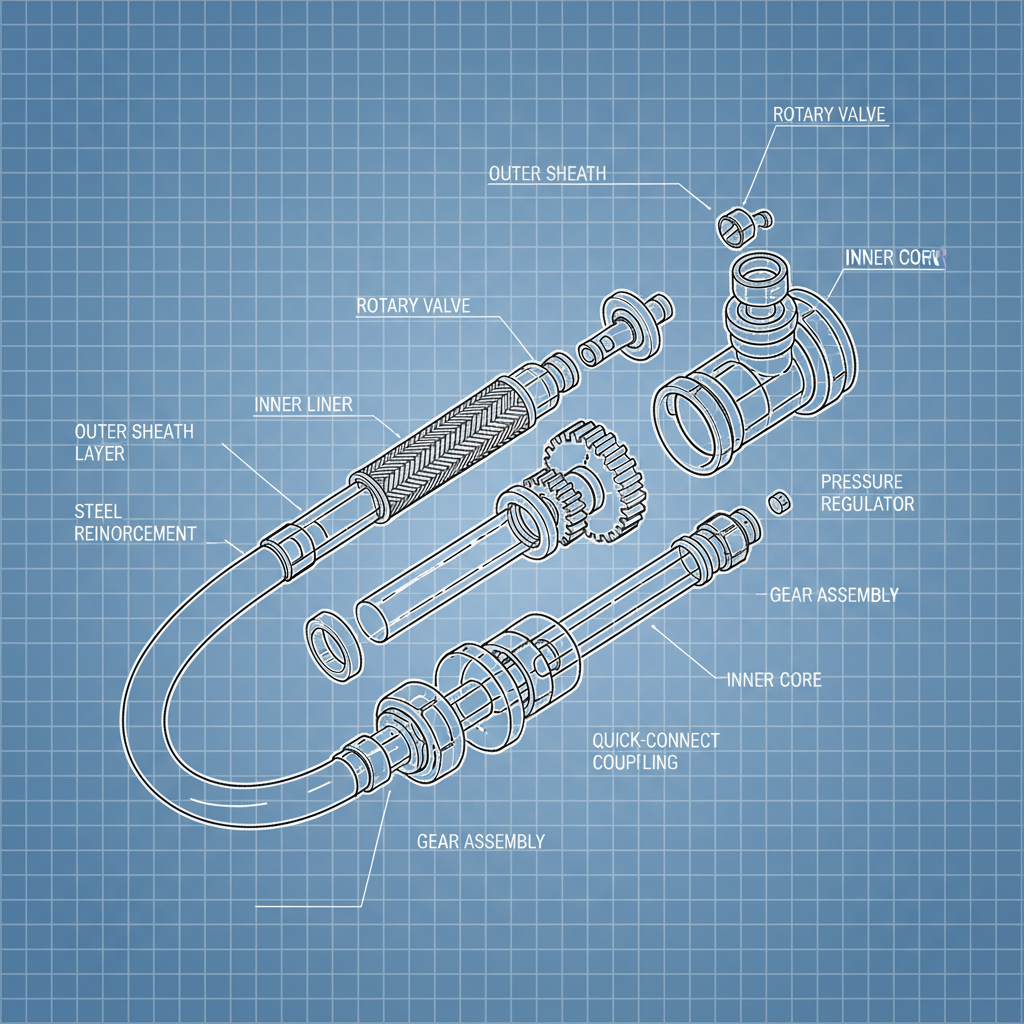
LPG hoses aren't one-size-fits-all. Different applications demand specific hose types. Common classifications include high-pressure hoses for cylinders and regulators, low-pressure hoses for appliances like barbecues and heaters, and specialized hoses for industrial uses. The pressure rating is a critical factor; always ensure the hose can handle the maximum pressure of your system. Furthermore, consider the operating temperature range – LPG hoses must remain flexible and functional in both hot and cold environments. Kebing Hose offers a variety of hoses specifically engineered for diverse LPG applications.
Key Takeaway: Selecting the correct hose type based on your application's pressure, temperature, and intended use is crucial for safety and performance.
Materials Matter: Comparing LPG Hose Construction
The materials used in an LPG hose directly influence its durability, flexibility, and resistance to LPG permeation. Common materials include synthetic rubber (EPDM, NBR), PVC, and stainless steel braiding. EPDM rubber offers excellent resistance to LPG, weathering, and ozone. Stainless steel braiding provides reinforcement, increasing the hose's pressure capacity and preventing kinking. PVC is often used for lower-pressure applications but can become brittle over time. Understanding these material properties is vital for choosing a hose that will withstand the rigors of its intended environment.
Material Comparison:
• EPDM Rubber: Excellent LPG resistance, weathering, and ozone resistance.
• NBR Rubber: Good abrasion resistance, suitable for oil-based LPG applications.
• PVC: Cost-effective for lower-pressure applications, less durable.
• Stainless Steel Braiding: Reinforces the hose, increasing pressure capacity and preventing kinking.
LPG Hose Standards and Safety Regulations
Safety standards are paramount when dealing with LPG. Hoses must comply with relevant regulations, such as EN ISO 3821 in Europe and AS/NZS 1869 in Australia and New Zealand. These standards specify requirements for materials, construction, pressure testing, and marking. Always look for hoses that are clearly marked with the applicable standard and the manufacturer's information. Using non-compliant hoses can void insurance claims and, more importantly, put lives at risk. Kebing Hose ensures all its products meet or exceed these crucial safety standards.
Factors to Consider When Choosing an LPG Hose
Beyond materials and standards, several factors influence your hose selection. Consider the hose length needed for your application, ensuring it's not excessively long as this can reduce pressure. Also, check the hose's bend radius – tight bends can restrict flow and damage the hose. Regular inspection for wear and tear is crucial, and hoses should be replaced if any damage is detected. A proactive maintenance schedule will prolong the hose’s lifespan and ensure continued safety. Finally, proper storage, away from direct sunlight and extreme temperatures, is essential.
Proper Installation and Maintenance of Your LPG Hose
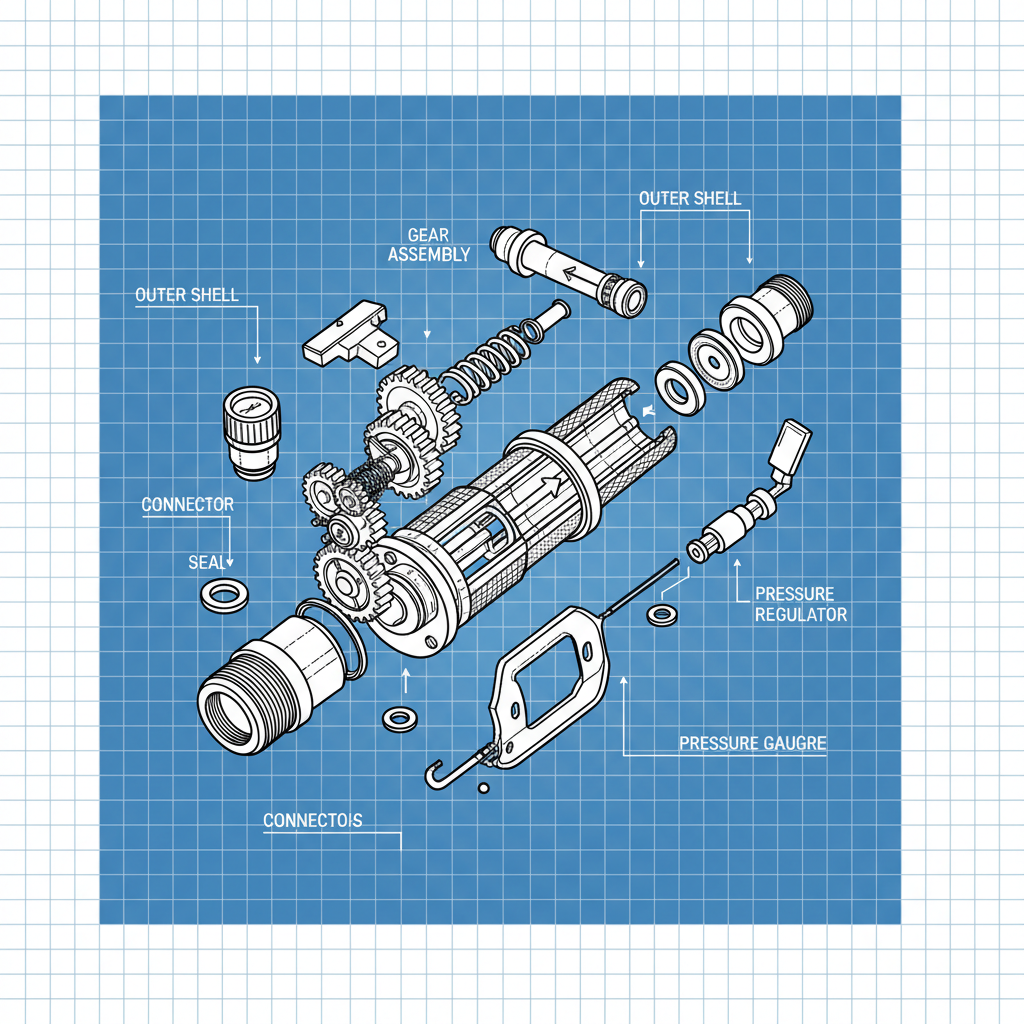
Correct installation is just as important as choosing the right LPG hose. Use approved fittings and clamps, ensuring they are compatible with the hose and the connected appliances. Avoid kinking or twisting the hose during installation. Regularly inspect the hose for signs of wear, cracks, or leaks. A soapy water solution can be used to check for leaks – bubbles will form if there's a leak present. If any damage is found, replace the hose immediately. Annual professional inspection is also recommended for peace of mind.
Conclusion: Ensuring Safe LPG Use with Quality Hoses
Choosing the right LPG hose is a critical safety measure. By understanding the different types, materials, standards, and maintenance requirements, you can ensure the safe and efficient transfer of LPG. Kebing Hose is dedicated to providing high-quality, compliant hoses that meet the needs of diverse applications. Don't compromise on safety – choose a reliable hose from a trusted supplier.
Frequently Asked Questions (FAQs)
How often should I replace my LPG hose?
While there’s no fixed timeframe, it's generally recommended to replace your LPG hose every 5-7 years, even if it appears undamaged. Factors like exposure to UV light, extreme temperatures, and frequency of use can affect its lifespan. Regular visual inspections are vital – look for cracks, abrasions, or signs of deterioration. If you notice any damage, replace the hose immediately. Adhering to a preventative maintenance schedule is the safest approach.
Can I repair a damaged LPG hose?
No, you should never attempt to repair a damaged LPG hose. Even a small puncture or crack can lead to a dangerous leak. LPG is highly flammable, and any repair could compromise the hose’s integrity. The safest course of action is to replace the entire hose with a new, approved one. Using patched or repaired hoses is a significant safety hazard.
What fittings should I use with my LPG hose?
Always use fittings specifically designed and approved for LPG use. These fittings are typically made from brass or stainless steel and feature secure, leak-proof connections. Ensure the fittings are compatible with the hose’s diameter and thread type. Avoid using generic or mismatched fittings, as they may not provide a secure seal and could lead to leaks. Kebing Hose offers a range of compatible fittings for its hoses.
-
High Strength Industrial Clear Braided PVC Hose Pipe GuideNewsApr.16,2026
-
Industrial Reinforced Braided PVC Hose for Fluid Transfer GuideNewsApr.09,2026
-
Comprehensive Guide to Braided PVC Tubing Applications and BenefitsNewsApr.07,2026
-
Comprehensive Guide to Braided Clear Vinyl Tubing Applications and BenefitsNewsApr.04,2026
-
Comprehensive Guide to PVC Braided Hose Applications and SelectionNewsMar.31,2026
-
Comprehensive Guide to Selecting the Best Double Welding Hose for Your NeedsNewsMar.28,2026
 Afrikaans
 Albanian
 Arabic
 Azerbaijani
 Belarusian
 Bengali
 Bulgarian
 Czech
Czech
 Danish
 Dutch
Dutch
 Finnish
 French
 German
 Greek
Greek
 Hebrew
 Hindi
Hindi
 Hungarian
 Indonesian
 Irish
Irish
 Italian
 Japanese
 Kazakh
 Korean
 Kyrgyz
 Lao
Lao
 Latin
Latin
 Lithuanian
 Luxembourgish
 Malay
Malay
 Mongolian
 Myanmar
 Nepali
 Norwegian
 Persian
 Polish
 Portuguese
 Russian
 Serbian
 Slovak
 Spanish
 Swedish
 Tagalog
 Thai
Thai
 Turkish
 Ukrainian
 Uighur
 Uzbek
Uzbek
 Vietnamese
 Welsh
Welsh
 English