


PVC Hose Sizes for Industrial Applications: A Comprehensive Guide
Understanding Pvc Hose Sizes for Industrial Applications
You know, spending time on-site with clients, you quickly realize how crucial even seemingly small components are. It’s not always the big, flashy machinery that makes or breaks a process, it’s often the things that move fluids and materials – and that's where PVC hose sizes come into play. Frankly, getting the right diameter, pressure rating, and material composition is essential. We’ve seen projects stalled, even safety incidents, because of overlooked hose specifications. It’s more than just a tube; it’s a critical link in the system.
Table of Contents
- Pvc Hose Sizes: The Basics
- Applications and Benefits
- Cost, Maintenance and Longevity
- Market Trends & Sustainability
Pvc Hose Sizes: The Basics
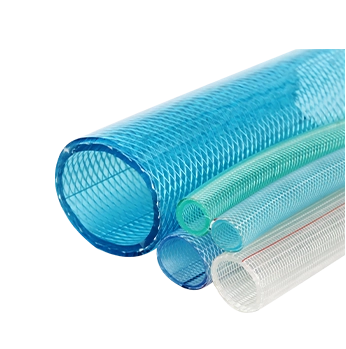
So, what are we talking about when we say "PVC hose sizes"? It’s not just about the inner diameter (ID) and outer diameter (OD), although those are crucial. It’s about the wall thickness, pressure rating, temperature range, and even the specific PVC compound used. Schedule 40 and Schedule 80 are common classifications, referring to the wall thickness and thus, the pressure capacity. A Schedule 80 hose, for instance, is significantly more rigid and can handle higher pressures. We've seen a real shift towards reinforced PVC, especially for applications involving abrasive materials. Here's a quick spec rundown:
| Specification | Value | Description |
|---|---|---|
| Material | PVC (Polyvinyl Chloride) | Durable, Chemical Resistant |
| Diameter Range | 1/4" to 12" | Wide range of sizes available |
| Pressure Rating | Up to 300 PSI | Dependent on schedule and temperature |
| Temperature Range | -20°F to 140°F | Typical operating range |
Applications and Benefits
The use cases are incredibly diverse. We’re talking everything from water transfer in agriculture to chemical handling in manufacturing, even pneumatic systems. The benefits are pretty straightforward: PVC is relatively inexpensive, lightweight, corrosion-resistant, and easy to install. I suppose the biggest advantage, though, is its versatility. It can be cut and connected with readily available fittings. A recent project involved a food processing plant needing to upgrade their wash-down hoses. They needed something that could withstand high-pressure sanitation cycles and be FDA compliant—PVC fit the bill perfectly.
Cost, Maintenance and Longevity
Okay, let's talk money. The upfront cost of PVC is low, but you have to consider the total cost of ownership. A cheap hose that fails frequently is actually more expensive than a higher-quality one that lasts. Maintenance is usually minimal – a periodic visual inspection for cracks or wear. But, and this is important, prolonged exposure to UV light can degrade PVC, making it brittle. Many engineers say proper storage when not in use extends its life significantly. Here's how some key vendors stack up:
| Vendor | Price Point | Product Range | Customer Support |
|---|---|---|---|
| Kebing Hose | Competitive | Extensive | Excellent |
| Flextech | Mid-Range | Moderate | Good |
| Polyflow | Premium | Specialized | Limited |
Market Trends & Sustainability
Oddly enough, sustainability is becoming a bigger factor. While PVC isn’t inherently the most eco-friendly material, manufacturers are increasingly focusing on recycled PVC content and responsible manufacturing processes. There's also a trend toward bio-based plasticizers as alternatives to traditional phthalates. The market is definitely shifting towards longer-lasting, more durable hoses, reducing the need for frequent replacements. I think we’ll see increased demand for reinforced PVC and specialized compounds tailored to specific applications. Regulations around chemical handling are also driving demand for hoses with specific certifications.
Frequently Asked Questions about Pvc Hose Sizes
- What is Pvc Hose Sizes and how does it work?
- Pvc hose sizes refer to the inner and outer diameters of the hose, along with its wall thickness, determining its pressure capacity and flow rate. It works by securely containing fluids or gases within its structure, offering resistance to corrosion and wear.
- What are the main benefits of using Pvc Hose Sizes in industrial applications?
- The key benefits include cost-effectiveness, durability, flexibility, resistance to chemicals and abrasion, and ease of installation and maintenance, making them suitable for a wide range of industries.
- How does Pvc Hose Sizes compare to traditional alternatives?
- Compared to rubber or metal hoses, PVC options are lighter, more corrosion-resistant, and often more affordable. However, they may have lower temperature and pressure ratings in some cases, requiring careful selection for specific applications.
- What industries can benefit most from Pvc Hose Sizes implementation?
- Industries such as agriculture, construction, manufacturing, food processing, and water treatment can all benefit from the versatility and reliability of Pvc Hose Sizes, particularly for fluid transfer and irrigation purposes.
Conclusion on Pvc Hose Sizes from china
Ultimately, choosing the right PVC hose size isn't about picking the cheapest option; it's about selecting a component that will reliably perform its function, minimize downtime, and contribute to the overall efficiency of your operation. A little upfront planning can save a lot of headaches down the road. Visit our website: https://www.kebinghose.com for a complete range of options.
-
High Strength Industrial Clear Braided PVC Hose Pipe GuideNewsApr.16,2026
-
Industrial Reinforced Braided PVC Hose for Fluid Transfer GuideNewsApr.09,2026
-
Comprehensive Guide to Braided PVC Tubing Applications and BenefitsNewsApr.07,2026
-
Comprehensive Guide to Braided Clear Vinyl Tubing Applications and BenefitsNewsApr.04,2026
-
Comprehensive Guide to PVC Braided Hose Applications and SelectionNewsMar.31,2026
-
Comprehensive Guide to Selecting the Best Double Welding Hose for Your NeedsNewsMar.28,2026
 Afrikaans
 Albanian
 Arabic
 Azerbaijani
 Belarusian
 Bengali
 Bulgarian
 Czech
Czech
 Danish
 Dutch
Dutch
 Finnish
 French
 German
 Greek
Greek
 Hebrew
 Hindi
Hindi
 Hungarian
 Indonesian
 Irish
Irish
 Italian
 Japanese
 Kazakh
 Korean
 Kyrgyz
 Lao
Lao
 Latin
Latin
 Lithuanian
 Luxembourgish
 Malay
Malay
 Mongolian
 Myanmar
 Nepali
 Norwegian
 Persian
 Polish
 Portuguese
 Russian
 Serbian
 Slovak
 Spanish
 Swedish
 Tagalog
 Thai
Thai
 Turkish
 Ukrainian
 Uighur
 Uzbek
Uzbek
 Vietnamese
 Welsh
Welsh
 English