


3 Inch Suction Hose Pipe Price – Quality, Uses & Global Insights
Understanding 3 Inch Suction Hose Pipe Price: What You Need to Know
If you’ve ever been involved in industries like agriculture, water management, construction, or even disaster relief, chances are you’ve bumped into suction hoses. The 3 inch suction hose pipe price often pops up as a vital consideration when budgeting projects or planning logistics. While it might seem like a narrow topic, this measure carries broad weight worldwide – affecting everything from how water is pumped out of flood zones to how industrial plants handle liquids.
Why should you care? Because knowing the nuances behind the pricing can help you save costs, choose better materials, and optimize durability — all of which impact the success of your endeavor. So buckle up, and let's pump up your knowledge on this often overlooked but essential component!
Global Snapshot: Why 3 Inch Suction Hose Pipe Pricing Matters
Globally, the demand for flexible yet durable suction hoses is soaring with the rise in agriculture mechanization and industrial water handling needs. According to the United Nations' UN Water Report, efficient water management is critical to sustainable development— and the humble suction hose is right in the middle of it.
Yet, one major hurdle is cost variability. A tighter budget can force compromises on hose quality, risking leakage or failure during crucial civil works or emergency operations. In emerging markets, subtle price differences can mean the difference between success and costly downtime.
So, understanding the 3 inch suction hose pipe price, its influences, and trends can empower buyers and engineers worldwide to make smarter decisions. Oddly enough, what appears as a simple tubing choice often intersects with international standards like ISO 3994, which define performance and test criteria for hoses, tying quality directly to price points.
What Exactly Is a 3 Inch Suction Hose Pipe Price?
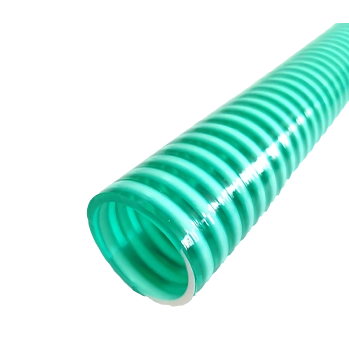
Let's break it down simply: a 3 inch suction hose pipe is a flexible pipeline, typically made of synthetic rubber and reinforced with layers (fabric, steel wire, or textile), designed to suck liquids (like water, oil, or slurry) through pumps. The “3 inch” denotes the inner diameter of the pipe, a common size that balances flow capacity with handling ease.
The price refers to the cost per meter (or foot) you pay to purchase these hoses. Differences in price come from material quality, reinforcement layers, length, and the manufacturer’s reputation. It’s not just a number — it’s a reflection of performance reliability; cheaper hose pipes may degrade quicker and lead to downtime, while high-end options bring peace of mind over long-term projects.
Core Factors Influencing 3 Inch Suction Hose Pipe Price
1. Material Composition
Rubber quality, whether butyl, nitrile, or EPDM, plays a huge role. Butyl hoses, for instance, resist ozone and weather well, pushing prices up. Conversely, lower-grade materials may save money initially but fail fast in harsh environments.
2. Reinforcement Layers
The number and type of reinforcement (polyester fabric, steel wire helix) determine strength and flexibility. For industrial suction hoses exposed to pressure fluctuations, more reinforcement equals higher cost but also less risk of collapse or bursting.
3. Length and Customization
Buying in bulk or custom lengths sometimes lowers the per-meter price, though specialty fittings or colors often add to expense.
4. Brand and Quality Certifications
Vendors complying with ISO standards or testing regimes offer higher quality assurance — and higher price tags. That said, investing in certified hoses pays off by reducing unexpected failures.
5. Market Demand & Supply Chain Dynamics
Raw material shortages, shipping costs, and regional demand spikes influence prices. For example, flooding seasons drive suction hose demand up, nudging prices higher temporarily.
Mini takeaway: Material and reinforcement chiefly dictate suction hose reliability and price. Understanding these helps buyers avoid penny-wise-pound-foolish traps.
Where Does This Flexible Pipe Get Used?
The humble 3 inch suction hose is everywhere:
- Disaster Relief: In flooding zones (think South Asia monsoon areas), relief workers use suction hoses to pump out water—sometimes under extreme conditions.
- Agriculture: Irrigation projects in Africa and South America rely on suction hoses for drawing water from rivers or wells.
- Industrial Sites: Chemical, mining, and processing plants utilize hoses to transport slurry, oil, or wastewater.
- Municipal Waterworks: City maintenance teams use suction hoses during pipe repairs or pump chamber emptying.
For instance, in post-hurricane recovery across the Caribbean, agencies needed quick-supply suction hoses to restore drainage systems — and price and availability directly impacted response speed.
Product Specifications: Typical 3 Inch Suction Hose Pipe
| Specification | Details |
|---|---|
| Inner Diameter | 3 inches (75 mm) |
| Material | EPDM rubber with polyester reinforcement |
| Temperature Range | -20°C to 80°C |
| Working Pressure | 0.3 MPa (about 45 psi) |
| Reinforcement | 2 layers polyester fabric + steel wire helix |
| Length Options | 1 to 50 meters (customizable) |
| Price Range (per meter) | $8.50 – $15.00 (varies by specs & volume) |
Comparing Top Vendors for 3 Inch Suction Hose Pipe Prices
| Vendor | Price (per meter) | Material Quality | Certification | Lead Time |
|---|---|---|---|---|
| Kebing Hose | $9.50 | EPDM + Polyester + Steel Wire | ISO 3994 Certified | 2-3 weeks |
| Generic Supplier | $7.00 | Lower-grade Rubber | No Formal Certification | 1 week |
| Premium Brand Co. | $15.00 | High-grade Synthetic Rubber + Extra Layers | ISO and ASTM Compliant | 3-4 weeks |
Why Investing in Quality Pays Off
From a practical standpoint, spending a bit more for a certified, well-reinforced suction hose often saves thousands downstream in repairs, replacements, and lost productivity. Many plant managers point out that hoses failing mid-operation cause cascading delays, equipment damage, and even safety risks.
Beyond logic, it also comes down to peace of mind. In emergency responses—where every second counts—you want your equipment to perform flawlessly. I’ve seen crews struggle when cutting corners on hose specs; frankly, it was expensive downtime they'd rather avoid.
What’s Next? Trends in Suction Hose Pipes
Sustainability and smart manufacturing are shaping the next-gen hoses. Recent materials research shows bio-based rubbers and recycling-friendly composites are emerging. Automation in quality control ensures consistent reinforcement layering. Industry standards continue updating to incorporate environmental impact metrics.
Digital sensors embedding pressure, wear, and temperature data right into hose jackets? Not far off. It feels like hoses will soon be “smart,” telling operators when a replacement’s due—avoiding guesswork and failures.
Common Challenges & How to Overcome Them
Of course, not all is rosy. One challenge is balancing flexibility with pressure rating. Thicker reinforcement layers add strength, but too much stiffness complicates handling. Also, passing fluctuating pressures without kinks can be tricky.
Vendors address this with layered design innovation—combining synthetic fabrics and corrosion-resistant steel wiring in spiral forms. Plus, better manufacturing consistency cuts down weak points. You know, it’s a continuous tug-of-war between durability, cost, and ease of use.
Frequently Asked Questions About 3 Inch Suction Hose Pipe Price
- What factors mainly affect 3 inch suction hose pipe pricing?
- The material quality (e.g., type of rubber), reinforcement layers, length, and certifications primarily influence cost. Supply chain conditions can also cause price fluctuations.
- Is it better to buy cheaper hoses in bulk or higher quality ones individually?
- Though bulk buying saves money upfront, lower quality hoses tend to degrade faster. Investing in higher-quality hoses reduces downtime and overall costs in the long run.
- Can 3 inch suction hoses be customized for specific industries?
- Yes, hoses can be tailored in length, thickness, material type, and fittings to suit chemical resistance needs, temperature ranges, or flow capacity specific to different sectors.
- How often should suction hoses be inspected or replaced?
- It depends on usage and environment, but routine checks every 3–6 months are advisable. Replace hoses showing cracks, bulges, or leakage signs immediately.
- Where can I find affordable and reliable 3 inch suction hoses online?
- Reputable vendors like Kebing Hose offer competitive prices with ISO-certified quality, good customer support, and customization options.
Wrapping It Up: Why Price Should Reflect Quality in Suction Hoses
Understanding the ins and outs of the 3 inch suction hose pipe price is more than just a budgeting exercise — it’s about choosing reliability, durability, and efficiency for your projects. Undervaluing quality can cost you dearly; investing wisely pays dividends in smoother operations and safety.
So before you settle on “the cheapest option,” consider the bigger picture — how well will it hold up under pressure, literally and figuratively? If you want to explore quality options and detailed pricing, feel free to visit our site. Sometimes the right hose can save your entire operation.
Here’s to better flow and fewer headaches!
References:
-
High Strength Industrial Clear Braided PVC Hose Pipe GuideNewsApr.16,2026
-
Industrial Reinforced Braided PVC Hose for Fluid Transfer GuideNewsApr.09,2026
-
Comprehensive Guide to Braided PVC Tubing Applications and BenefitsNewsApr.07,2026
-
Comprehensive Guide to Braided Clear Vinyl Tubing Applications and BenefitsNewsApr.04,2026
-
Comprehensive Guide to PVC Braided Hose Applications and SelectionNewsMar.31,2026
-
Comprehensive Guide to Selecting the Best Double Welding Hose for Your NeedsNewsMar.28,2026
 Afrikaans
 Albanian
 Arabic
 Azerbaijani
 Belarusian
 Bengali
 Bulgarian
 Czech
Czech
 Danish
 Dutch
Dutch
 Finnish
 French
 German
 Greek
Greek
 Hebrew
 Hindi
Hindi
 Hungarian
 Indonesian
 Irish
Irish
 Italian
 Japanese
 Kazakh
 Korean
 Kyrgyz
 Lao
Lao
 Latin
Latin
 Lithuanian
 Luxembourgish
 Malay
Malay
 Mongolian
 Myanmar
 Nepali
 Norwegian
 Persian
 Polish
 Portuguese
 Russian
 Serbian
 Slovak
 Spanish
 Swedish
 Tagalog
 Thai
Thai
 Turkish
 Ukrainian
 Uighur
 Uzbek
Uzbek
 Vietnamese
 Welsh
Welsh
 English