


Durable Wire Reinforced Suction Hose – Reliable Fluid Transfer Solutions
Understanding Wire Reinforced Suction Hose: The Unsung Industrial Hero
At first glance, a wire reinforced suction hose might not sound like the most thrilling piece of industrial equipment. Yet, this humble tool quietly powers countless critical operations globally—from disaster relief water extraction to food processing plants. So why does this matter on the world stage? With increasing demands on infrastructure resilience, environmental safety, and efficient fluid handling, understanding the strengths and nuances of wire reinforced suction hoses can save costs, enhance safety, and improve operational reliability.
Why Wire Reinforced Suction Hose Holds Global Importance
Pipe and hose technologies form a backbone for industries worldwide. According to the International Organization for Standardization (ISO), efficient fluid transfer systems directly influence manufacturing productivity and environmental compliance. Yet, the biggest challenge, especially in harsh or variable environments, is durability and safety. Wire reinforced suction hoses solve this by preventing collapse under vacuum conditions—crucial when pumping liquids or sludge with solids or debris. Globally, industries—from agriculture in Africa to oil and gas in the Middle East—depend on these hoses to keep machines humming without leaks or kinks.
For instance, the UN-Water agency highlights water management as a critical factor for sustainable development. Having reliable suction hoses during floodwater evacuation or potable water supply ensures vulnerable communities maintain dignity and safety.
Mini takeaway: The wire reinforced suction hose is not just a tool—it’s a literal lifeline for fluid transfer in sectors demanding reliability and resilience.
What Exactly Is a Wire Reinforced Suction Hose?
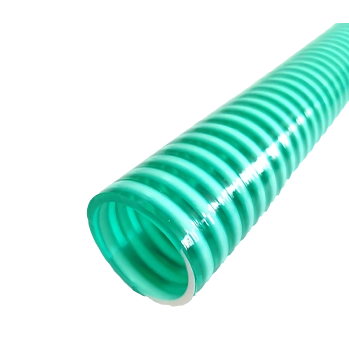
Simply put, a wire reinforced suction hose is a flexible tube engineered with integrated wire spirals embedded within its walls. This spiral wire reinforcement prevents the hose’s collapse when vacuum pressure is applied during suction tasks. Usually made from PVC or rubber compositions, these hoses combine strength with flexibility.
Modern industries require hoses that manage variable pressures while resisting abrasion, chemicals, and environmental stresses. A wire reinforced suction hose fits this bill perfectly, bridging the gap between rugged industrial functionality and practical portability. Whether in mining operations, sewage systems, or chemical plants, the hose adapts to the unique challenges of suction-based fluid movement.
Core Components that Make the Difference
1. Spiral Wire Reinforcement
The embedded wire spiral is the heart of suction hoses. It maintains structural integrity under negative pressure, preventing suction collapse even during intense pumping. The wire also provides some resistance against crushing and external forces—important on rugged job sites.
2. Durable Hose Materials
Most hoses use synthetic polymers like PVC blended with plasticizers or compounded rubber. These materials resist abrasion and weathering. Some are specially formulated to withstand oils, chemicals, or UV light depending on application.
3. Flexibility & Bend Radius
A good suction hose remains flexible at both low and high temperatures, enabling easy handling and routing without kinking. This factor matters especially when working in confined or irregular spaces.
4. Pressure and Vacuum Ratings
Every hose is rated for maximum working pressure and vacuum. Ensuring these ratings align with operational parameters avoids premature failure. For suction hoses, vacuum resistance is often the critical metric.
5. Couplings and Connectors
Typically fitted with quick-release or threaded couplings to create leak-proof joints. Compatibility with pumps and fittings ensures smooth operations without fluid loss or spillage.
Mini takeaway: Together, these features create a robust, flexible, and reliable suction hose fit for industrial challenges.
In the Real World: Global Applications of Wire Reinforced Suction Hose
Across continents and industries, wire reinforced suction hoses play vital, often invisible, roles:
- Disaster Response: After floods or hurricanes, these hoses help evacuate debris-laden water safely and quickly.
- Agriculture: They assist irrigation systems in pumping water from lakes or wells, resistant to clogging by soil.
- Mining and Construction: Dewatering of sites and slurry transport depend on reliable suction hoses to maintain efficient work cycles.
- Chemical and Food Industries: Their hygienic and chemical-resistant materials make them suitable for moving liquids safely with minimal contamination.
- Oil & Gas: Used in suction and transfer of fuels or waste under tough field conditions.
For example, in Southeast Asia’s remote industrial zones, wire reinforced suction hoses enable extraction and fluid transfer in humid, abrasive landscapes where replacements aren’t easily available.
Wire Reinforced Suction Hose: Specs at a Glance
| Specification | Typical Value | Unit |
|---|---|---|
| Inner Diameter | 25–300 | mm |
| Working Pressure | 1.5–6 | bar |
| Vacuum Resistance | 80–90 | kPa |
| Material | PVC/Rubber | - |
| Temperature Range | -10 to +65 | °C |
Comparing Key Wire Reinforced Suction Hose Vendors
| Kebing Hose | Supplier A | Supplier B | |
|---|---|---|---|
| Material Quality | Industrial Grade PVC & Synthetic Rubber | Standard PVC | Rubber Blend |
| Vacuum Resistance | Up to 90 kPa | Up to 70 kPa | Up to 85 kPa |
| Customization Options | Wide range sizes & materials | Limited | Standard sizes only |
| Delivery Time | 2-3 weeks | 4-5 weeks | 3-4 weeks |
| Customer Support | 24/7 Technical Assistance | Business Hours Only | Email Support |
Advantages and Long-Term Value of Wire Reinforced Suction Hoses
Beyond specs, the real magic lies in what these hoses deliver long-term: safety, sustainability, and peace of mind. Durable hoses reduce downtime caused by failures, saving companies thousands in emergency repairs. Their robust design means fewer replacements—translating to less waste and better environmental footprints.
On a human level, imagine disaster relief teams depending on a hose that won’t kink or burst when evacuating waters from a flooded neighborhood. It’s about trust and dignity for affected communities, preserving resources and time when every second counts.
Plus, cost efficiency isn’t just the upfront price but overall lifecycle value. Investing in quality suction hoses often means less frequent repairs and longer operational life—quite a “bang for your buck.”
Looking Ahead: Innovations and Trends in Suction Hose Technology
Frankly, hose technology feels a bit underappreciated when you consider ongoing innovation. For example, emerging bio-based polymers aim to reduce plastic waste in hose manufacturing, blending eco-conscious production with durability.
Digital transformation is touching hoses too—with embedded sensors monitoring pressure, temperature, and wear in real time. Imagine avoiding a costly hose failure by getting alerted before it happens.
Also, manufacturers are integrating automated coupling mechanisms for faster deployment and safer connections, especially in hazardous environments.
Challenges and Smart Solutions for Wire Reinforced Suction Hoses
One enduring limitation remains: improper handling leading to hose damage. Wire spirals can deform if bent excessively or dragged over sharp edges. Many engineers mention that operator training is just as vital as product specs to get the best performance.
Another challenge is chemical compatibility. While common materials work for many fluids, strong acids or solvents require specially compounded hoses—raising costs.
Innovative coatings and hybrid materials now extend hose service life in tough chemical conditions without heavy expense.
Frequently Asked Questions About Wire Reinforced Suction Hose
Q: What makes a wire reinforced suction hose better than non-reinforced hoses?
A: The integral wire spiral prevents hose collapse under vacuum, which non-reinforced hoses often struggle with. This ensures continuous fluid flow and reduces downtime caused by hose failure.
Q: Can these hoses be used for potable water?
A: Yes, but only hoses specifically rated as food-grade or potable water safe. Many suppliers offer such hoses with compliant materials suitable for hygienic applications.
Q: How often should wire reinforced suction hoses be inspected or replaced?
A: Regular inspection every 3-6 months is recommended, looking for cracks, leaks, or spiral damage. Replacement intervals depend on usage intensity but typically range from 2 to 5 years.
Q: Are there customization options available for special industrial environments?
A: Absolutely. Vendors like Kebing Hose offer custom diameters, materials, and coupling types tailored to specific applications or temperature requirements.
Q: How do I select the right hose size and pressure rating?
A: Start with your system’s maximum required vacuum and fluid flow rate. Consult technical data sheets or experts to match hose diameter, wall thickness, and vacuum rating to the job.
Conclusion: Why Investing in a Quality Wire Reinforced Suction Hose Pays Off
To sum it all up, wire reinforced suction hoses are more than just industrial accessories—they’re trusted partners in efficiency, safety, and sustainability across global industries. Their design ingenuity solves challenging vacuum applications, delivering tangible benefits that cascade from operational savings to humanitarian impact.
If you’re looking to upgrade your fluid handling systems or start a new project, explore robust, customizable options like those available at Kebing Hose. Trust me, it’s worth the investment.
References
-
High Strength Industrial Clear Braided PVC Hose Pipe GuideNewsApr.16,2026
-
Industrial Reinforced Braided PVC Hose for Fluid Transfer GuideNewsApr.09,2026
-
Comprehensive Guide to Braided PVC Tubing Applications and BenefitsNewsApr.07,2026
-
Comprehensive Guide to Braided Clear Vinyl Tubing Applications and BenefitsNewsApr.04,2026
-
Comprehensive Guide to PVC Braided Hose Applications and SelectionNewsMar.31,2026
-
Comprehensive Guide to Selecting the Best Double Welding Hose for Your NeedsNewsMar.28,2026
 Afrikaans
 Albanian
 Arabic
 Azerbaijani
 Belarusian
 Bengali
 Bulgarian
 Czech
Czech
 Danish
 Dutch
Dutch
 Finnish
 French
 German
 Greek
Greek
 Hebrew
 Hindi
Hindi
 Hungarian
 Indonesian
 Irish
Irish
 Italian
 Japanese
 Kazakh
 Korean
 Kyrgyz
 Lao
Lao
 Latin
Latin
 Lithuanian
 Luxembourgish
 Malay
Malay
 Mongolian
 Myanmar
 Nepali
 Norwegian
 Persian
 Polish
 Portuguese
 Russian
 Serbian
 Slovak
 Spanish
 Swedish
 Tagalog
 Thai
Thai
 Turkish
 Ukrainian
 Uighur
 Uzbek
Uzbek
 Vietnamese
 Welsh
Welsh
 English