


What is a Vent Hose? Key Uses, Benefits & Global Impact Explained
Understanding Vent Hose: A Small Component with a Global Impact
If you haven’t given much thought to vent hoses, you’re hardly alone. Yet, these often overlooked components quietly do some heavy lifting across industries and even humanitarian efforts worldwide. Vent hoses play a critical role in safely channeling gases and vapors, helping to protect workers, equipment, and communities. Globally, they touch everything from industrial safety protocols to environmental compliance — and grasping their importance can unlock better solutions in fields as varied as manufacturing, agriculture, and emergency relief.
Why Vent Hoses Matter Globally
According to the International Organization for Standardization (ISO), standards governing vent systems ensure safe handling of combustible or hazardous gases — which affect millions of workers daily. The United Nations Environment Programme has also highlighted emissions control as pivotal for climate goals. Vent hoses reduce leaks and contamination risks. Frankly, without them, the risks of toxic exposures rise sharply. Industrial sites, shipping yards, and even sewage plants rely on these hoses to vent pressurized or contaminated air safely. So, their humble function actually safeguards health and environment on a massive scale.
Defining Vent Hose in Simple Terms
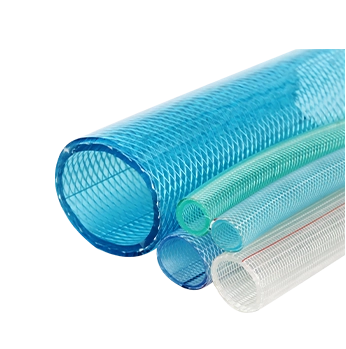
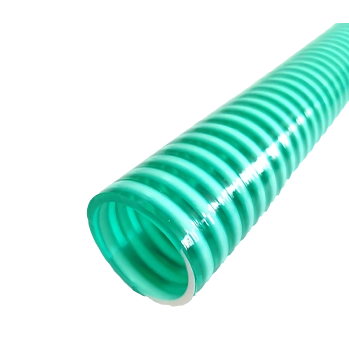
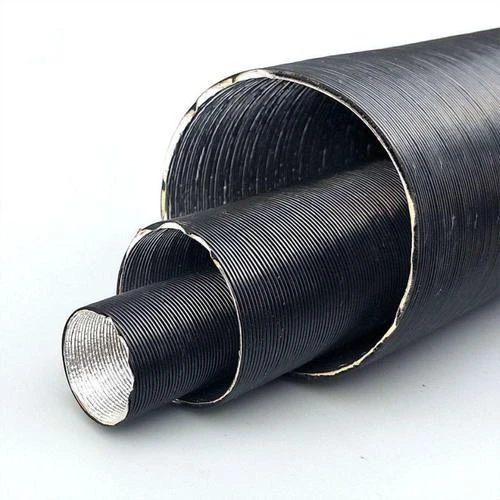
At its core, a vent hose is a flexible tube designed to carry gases, vapors, or air away from equipment or enclosed spaces to a safe external environment. Typically made from specialized rubber, PVC, or silicone materials, these hoses must resist chemicals, heat, and pressure variations. In modern industry, vent hoses serve as protective pathways preventing dangerous buildup of fumes or pressure in tanks, engines, or waste containers. In humanitarian relief especially, they help maintain safe and breathable environments where infrastructure is makeshift or compromised.
Key Factors and Core Components of Vent Hose
Durability
Vent hoses must endure harsh environments — think extreme temperatures, chemical exposure, and physical abrasion. Durable materials like nitrile rubber or reinforced PVC extend hose life, reducing maintenance and downtime. Imagine a mining operation where tireless venting prevents methane buildup; the hose’s strength is literally a matter of safety.
Flexibility and Scalability
Because installations vary, flexible hoses can easily adapt to tight spaces or dynamic setups, like rotating machinery or emergency shelters. Plus, scalable sizing options let engineers select hoses ranging from small engine vents to large industrial pipelines.
Cost Efficiency
Replacing vent hoses frequently is costly — but investing in quality products that last can save organizations thousands annually. Moreover, efficiency in venting reduces energy consumption by preventing pressure losses.
Chemical and Temperature Resistance
Many vent hoses face corrosive vapors or extreme heat. Materials must be carefully chosen to prevent degradation or failure. For instance, fluoropolymer-based hoses resist aggressive acids, while silicone hoses handle high heat applications.
Safety and Compliance
Modern vent hoses often meet ISO or OSHA standards, which is vital to ensure they function reliably during emergencies or daily operations. Certified hoses reduce workplace accidents and regulatory fines.
Mini Takeaway
In plain terms, understanding vent hoses boils down to knowing what material and design suits your application—and ensuring durability, safety, and cost-effectiveness are balanced.
Global Applications and Use Cases of Vent Hoses
Vent hoses are everywhere, maybe not headline-makers, but definitely safety-makers.
- Industrial Manufacturing: In chemical plants and refineries, vent hoses carry volatile gases away from sensitive equipment.
- Agriculture: Manure storage facilities and slurry tanks use vent hoses to prevent buildup of methane and ammonia.
- Maritime Industry: Ship engine rooms rely on flexible vent hoses to handle exhaust and bilge ventilation.
- Humanitarian and Disaster Relief: Emergency shelters and mobile sanitation units use vent hoses to ensure air quality and reduce hazards.
- Municipal Waste Management: Sewage treatment plants use vent hoses to safely transport noxious gases.
For example, in the aftermath of hurricanes, temporary medical and housing units often depend on robust vent hoses to manage air quality despite makeshift wiring and infrastructure. In remote industrial zones like the Sahara or Siberia, vent hoses help maintain safety despite harsh conditions.
Advantages and Long-Term Value of Vent Hose
Vent hoses are not just tubes; they're investments in health, safety, and operational efficiency. Some advantages worth highlighting:
- Cost Savings: Reduced equipment wear and downtime translate into more predictable maintenance expenses.
- Sustainability: Proper venting lowers environmental emissions, supporting climate goals and regulatory compliance.
- Social Impact: Workers in toxic or confined spaces breathe easier and operate safer.
- Reliability: High-quality vent hoses withstand harsh environments, mitigating risk of catastrophic failure.
- Emotional Peace of Mind: When you know the vents are properly handled, safety standards build trust and dignity among staff and affected communities.
Product Specification Table
| Specification | Vent Hose Model A | Vent Hose Model B | Vent Hose Model C |
|---|---|---|---|
| Material | Nitrile Rubber | Reinforced PVC | Silicone |
| Temperature Range | -40°C to 100°C | -20°C to 80°C | -60°C to 230°C |
| Pressure Resistance | Up to 150 PSI | Up to 100 PSI | Up to 120 PSI |
| Chemical Resistance | Good (oils, fuels) | Moderate | Excellent (acids, bases) |
| Typical Use | Chemical plants, automotive | General venting, mild industrial | High temp/vacuum, food grade |
Vendor Comparison: Leading Vent Hose Suppliers
| Feature | Vendor A | Vendor B | Vendor C |
|---|---|---|---|
| Lead Time | 2 Weeks | 4 Weeks | 1 Week |
| Customization Options | High | Low | Medium |
| Price Range | $$$ | $ | $$ |
| Warranty | 5 Years | 1 Year | 3 Years |
| Industry Certifications | ISO 9001, OSHA | None | ISO 14001 |
Looking Ahead: Future Trends & Innovations in Vent Hose
The world of vent hose technology isn’t exactly flashing neon signs, but it’s quietly evolving. New composite materials aim to combine weight reduction with improved durability, while green energy pushes manufacturers to reduce emissions through smarter vent hose designs. Digital transformation is creeping in too: sensors embedded in hoses can monitor pressure and wear in real-time, preventing failures before they happen. Oddly enough, automation paired with smart ventilation systems is becoming a thing — meaning vent hoses might soon be smarter, safer, and more sustainable.
Common Challenges & Practical Solutions
Challenges like hose degradation under chemical attack or mechanical wear remain, especially in harsh industries. Swapping materials haphazardly without considering chemical compatibility can lead to costly failures. Many engineers say that early-stage testing and adherence to standards are non-negotiable. Also, storage and handling matter — vent hoses folded improperly can crack or weaken. Solutions include investing in training for procurement and operational teams and selecting hoses certified by recognized organizations. You might think, "It’s just a hose," but overlooking details can mean serious operational headaches.
FAQ: Frequently Asked Questions About Vent Hose
- Q: How do I know which vent hose material suits my application?
A: Begin by understanding the chemical exposure, temperature range, and pressure your system faces. For aggressive chemicals, fluoropolymer or silicone hoses may work best; for oily or fuel environments, nitrile rubber is often preferred. Consult product datasheets and industry standards to confirm compatibility. - Q: Can vent hoses be reused after long service?
A: Generally, vent hoses have recommended service life spans based on material degradation. Regular inspections can detect cracks or brittleness. If wear is evident, replacement is safer than reuse due to risk of leaks or failure. - Q: Are vent hoses customizable for unusual system geometries?
A: Absolutely. Many suppliers offer custom lengths, diameters, and fittings. Flexible vent hoses make installation easier in tight or complex spaces. - Q: How frequently should vent hoses be inspected?
A: Inspection frequency depends on application severity but conducting monthly visual checks and annual professional inspection is a good practice to prevent unexpected breakdowns.
Conclusion
Vent hoses might sound like a niche, technical subject, but their role in improving safety, sustainability, and efficiency worldwide is downright significant. Their evolution touches environmental goals, worker health, and operational reliability. Whether you’re managing a factory, a disaster relief site, or a remote industrial installation, choosing the right vent hose means fewer headaches and better outcomes — over the long haul.
To explore top-quality and customizable vent hose solutions crafted for diverse needs, visit our website. Let’s help you find the perfect fit for your application!
Final Thought
It’s funny how something as simple as a vent hose can quietly underpin so much safety and efficiency across the world. Next time you pass a site with hissing air vents, maybe give that hose a moment of appreciation...
References
-
High Strength Industrial Clear Braided PVC Hose Pipe GuideNewsApr.16,2026
-
Industrial Reinforced Braided PVC Hose for Fluid Transfer GuideNewsApr.09,2026
-
Comprehensive Guide to Braided PVC Tubing Applications and BenefitsNewsApr.07,2026
-
Comprehensive Guide to Braided Clear Vinyl Tubing Applications and BenefitsNewsApr.04,2026
-
Comprehensive Guide to PVC Braided Hose Applications and SelectionNewsMar.31,2026
-
Comprehensive Guide to Selecting the Best Double Welding Hose for Your NeedsNewsMar.28,2026
 Afrikaans
 Albanian
 Arabic
 Azerbaijani
 Belarusian
 Bengali
 Bulgarian
 Czech
Czech
 Danish
 Dutch
Dutch
 Finnish
 French
 German
 Greek
Greek
 Hebrew
 Hindi
Hindi
 Hungarian
 Indonesian
 Irish
Irish
 Italian
 Japanese
 Kazakh
 Korean
 Kyrgyz
 Lao
Lao
 Latin
Latin
 Lithuanian
 Luxembourgish
 Malay
Malay
 Mongolian
 Myanmar
 Nepali
 Norwegian
 Persian
 Polish
 Portuguese
 Russian
 Serbian
 Slovak
 Spanish
 Swedish
 Tagalog
 Thai
Thai
 Turkish
 Ukrainian
 Uighur
 Uzbek
Uzbek
 Vietnamese
 Welsh
Welsh
 English