


Vacuum Pump Hose: Global Applications, Benefits & Innovations Explained
Understanding the Vacuum Pump Hose: The Unsung Hero of Industrial Efficiency
If you’ve ever peeked behind the scenes in manufacturing plants, healthcare facilities, or environmental labs, you might have come across a curious yet crucial component: the vacuum pump hose. This simple-looking item plays an outsized role in countless industries worldwide — from ensuring sterile processing environments to managing delicate chemical extractions.
Why does it matter so much globally? Well, vacuum pump hoses are vital for maintaining pressure differentials in equipment used for everything from semiconductor fabrication to emergency medical devices. Mastering their function and specifications can significantly boost operational reliability, cut maintenance costs, and promote sustainable industrial practices. Frankly, it’s one of those unsung heroes whose impact, while often invisible, is profound.
Global Industry Context: Why the Vacuum Pump Hose Matters
The global market for vacuum technology, including pump hoses, is growing steadily — the World Bank reports expansion driven by manufacturing in Asia-Pacific, Europe, and North America. Vacuum pumps alone are expected to see a compound annual growth rate of around 4.8% through 2028. At the heart of this growth lies the need for robust hoses that can withstand various harsh environments and chemical exposures.
One big challenge industries face? Ensuring hose durability and chemical resistance while retaining flexibility — a balance that’s surprisingly tricky but crucial in sectors like pharmaceuticals or semiconductor production, where contamination or failure could cost millions. Vacuum pump hoses form the critical link; if they falter, entire processes might grind to a halt.
What Exactly Is a Vacuum Pump Hose?
In plain terms, a vacuum pump hose is a flexible tube designed to connect vacuum pumps to the equipment or environment they serve, enabling the controlled flow of gases or fluids at sub-atmospheric pressures. These hoses need to maintain a strong vacuum seal and resist collapsing inward under negative pressure. That’s why materials and design matter immensely.
In humanitarian contexts as well, vacuum pump hoses come into play — think of mobile medical units relying on vacuum-assisted devices, or water purification efforts in disaster zones. They connect critical devices that save lives or support sustainable infrastructure.
Core Components and Key Factors of Vacuum Pump Hoses
1. Durability and Material Composition
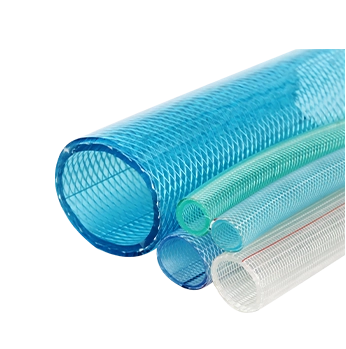
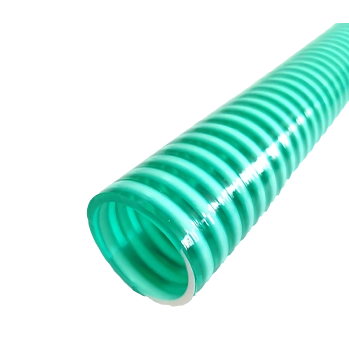
Vacuum pump hoses typically combine synthetic rubbers, reinforced plastics, or silicone layers, often reinforced with spiraled wires or textile braids. This mix protects against chemical exposure, abrasion, and vacuum collapse. For instance, PTFE-based hoses resist aggressive solvents, while nitrile rubber options perform well with oils and fuels.
2. Flexibility and Bend Radius
Industries demand tight space maneuverability. Having hoses with a small bend radius without kinking is critical to maintaining uninterrupted vacuum performance. Oddly enough, some manufacturers innovate with layered composites to strike that fine balance.
3. Temperature Resistance
Vacuum pump hoses can be exposed to extreme heat or cold depending on the process — think vacuum drying ovens operating at elevated temperatures. Heat-resistant silicone hoses, capable of enduring temperatures of -60°C to 200°C, address this need.
4. Chemical Resistance
From corrosive acids to organic solvents, the chemical makeup of the transported gases or fluids necessitates hoses that won’t degrade or contaminate the process. Different industries have certified hoses adhering to ISO standards like ISO 80369 for safe fluid transfer.
5. Size and Length Customization
The vacuum hose must fit the exact system configuration; many suppliers offer bespoke lengths and diameters to optimize efficiency and minimize leak points.
Global Applications & Use Cases of Vacuum Pump Hoses
Let me take you on a quick tour across industries:
- Healthcare: Vacuum pump hoses connect suction units for surgery and respiratory therapy worldwide.
- Semiconductor manufacturing: Here, ultra-clean vacuum hoses carry process gases without contamination, in places like Taiwan and South Korea.
- Environmental monitoring: In Europe and North America, hoses link vacuum pumps to sampling devices tracking air and water quality.
- Industrial Manufacturing: From automotive plants in Germany to chemical plants in China, hoses maintain vacuum in processes like degassing or coating.
- Humanitarian Deployments: In disaster zones, quick-deploy vacuum systems with reliable hoses help in water purification or medical support setups.
Oddly enough, even the food and beverage sector uses vacuum pump hoses for packaging, ensuring freshness and hygiene.
Mini Takeaway:
Vacuum pump hoses aren’t a niche gadget; they’re woven into the fabric of diverse industries globally, proving indispensable in everything from preserving human health to manufacturing microchips.
Product Specifications: Typical Vacuum Pump Hose Features
| Specification | Typical Value | Notes |
|---|---|---|
| Material | Silicone reinforced with stainless steel wire | For durability & flexibility |
| Inner Diameter | 25-100 mm | Customizable per system needs |
| Operating Temperature | -60°C to +200°C | Silicone allows wide range |
| Max Vacuum Pressure | -99.9 kPa (close to perfect vacuum) | Ensures efficient suction |
| Chemical Resistance | Wide, including acids & solvents | Depends on material choice |
Vendor Comparison: Leading Vacuum Pump Hose Suppliers
| Vendor | Material Options | Customization | Global Reach | Certifications |
|---|---|---|---|---|
| Kebing Hose | Silicone, PTFE, Nitrile | High – bespoke lengths & diameters | Asia, Europe, North America | ISO 9001, RoHS |
| GlobalFlex | PVC, Rubber | Medium customization | Europe, Americas | CE |
| VacuumTech | Silicone, UHMWPE | Standard sizes | Global | ISO 80369 |
Advantages and Long-Term Value
Using the right vacuum pump hose can be a game-changer — not just cost-wise (lower downtime and fewer replacements) but also from a sustainability standpoint. Proper hoses reduce leaks and contamination, which in turn reduces waste and hazard exposure. It also feels good, frankly, knowing your equipment and people are safer and more reliable.
There's also the emotional impact — trust in technology often hinges on these small pieces working flawlessly. Whether it’s a surgeon relying on suction devices or a cleanroom technician, reliable vacuum pump hoses help preserve safety and dignity in sensitive operations.
Future Trends & Innovations
The future looks promising, with R&D pushing toward greener materials and smart hoses embedded with sensors to monitor integrity and vacuum pressure in real time. Automation and IoT integration promise predictive maintenance — no more surprise hose failures. In addition, regulatory pressures and environmental awareness encourage biodegradable or recyclable hose materials. It’s kind of an exciting frontier.
Challenges & Solutions
A few challenges remain: chemical compatibility issues, hose longevity in harsh conditions, and ensuring airtight seals under varying pressures. Experts recommend regular inspections, working with trusted vendors who certify their products, and considering customizations tailored to your specific process environment. Advances in composite materials and coatings are also promising solutions.
FAQ: Frequently Asked Questions About Vacuum Pump Hose
- What materials are best for vacuum pump hoses exposed to chemicals?
- Typically, PTFE and silicone-coated hoses provide excellent chemical resistance. The choice depends on the specific chemicals involved; always check compatibility charts and certifications to avoid degradation.
- How flexible should a vacuum pump hose be for tight spaces?
- You’ll want hoses with a small minimum bend radius to prevent kinking. Silicone-based hoses often offer better flexibility than rubber or PVC alternatives without sacrificing durability.
- Can vacuum pump hoses be used in extreme temperature environments?
- Yes, certain hoses are designed to handle temperatures from -60°C up to +200°C, especially silicone reinforced variants. This makes them suitable for processes involving vacuum drying or cryogenic conditions.
- How often should vacuum pump hoses be inspected or replaced?
- Inspection frequency depends on usage and operating conditions, but generally every 6-12 months. Look for signs of cracks, abrasion, or loss of vacuum integrity. Prompt replacement prevents costly downtime.
- Where can I find custom vacuum pump hoses tailored to specific industrial needs?
- Specialist suppliers like vacuum pump hose manufacturers often offer bespoke solutions. Engaging them early helps optimize your system’s performance and longevity.
Conclusion: Why Vacuum Pump Hoses Shouldn’t Be Overlooked
In real terms, the vacuum pump hose is a linchpin in numerous critical global industries — quietly enabling technological progress, reliability, and safety. Its evolving materials, improved design, and growing role in monitoring and automation underscore its importance. When you think about investing in operational excellence, don’t overlook the hose that keeps your vacuum running strong.
Ready to upgrade your vacuum pump hoses? Visit our website: https://www.kebinghose.com to explore robust, customizable solutions that meet diverse industrial needs.
Oddly enough, it feels like such a small component—but it really is a giant enabler behind the scenes.
References:
-
High Strength Industrial Clear Braided PVC Hose Pipe GuideNewsApr.16,2026
-
Industrial Reinforced Braided PVC Hose for Fluid Transfer GuideNewsApr.09,2026
-
Comprehensive Guide to Braided PVC Tubing Applications and BenefitsNewsApr.07,2026
-
Comprehensive Guide to Braided Clear Vinyl Tubing Applications and BenefitsNewsApr.04,2026
-
Comprehensive Guide to PVC Braided Hose Applications and SelectionNewsMar.31,2026
-
Comprehensive Guide to Selecting the Best Double Welding Hose for Your NeedsNewsMar.28,2026
 Afrikaans
 Albanian
 Arabic
 Azerbaijani
 Belarusian
 Bengali
 Bulgarian
 Czech
Czech
 Danish
 Dutch
Dutch
 Finnish
 French
 German
 Greek
Greek
 Hebrew
 Hindi
Hindi
 Hungarian
 Indonesian
 Irish
Irish
 Italian
 Japanese
 Kazakh
 Korean
 Kyrgyz
 Lao
Lao
 Latin
Latin
 Lithuanian
 Luxembourgish
 Malay
Malay
 Mongolian
 Myanmar
 Nepali
 Norwegian
 Persian
 Polish
 Portuguese
 Russian
 Serbian
 Slovak
 Spanish
 Swedish
 Tagalog
 Thai
Thai
 Turkish
 Ukrainian
 Uighur
 Uzbek
Uzbek
 Vietnamese
 Welsh
Welsh
 English