


Vacuum Pipes: Flexible, Leak-Proof, High-Vac Performance?
Field Notes on Vacuum Conveyance: choosing the right ducts and pipes for negative pressure
In factories and temporary job sites, teams still debate whether classic steel lines or modern flexible vacuum pipes make more sense. To be honest, the answer depends on duty cycle, abrasion, and how often you move rigs. Lately, the humble Flexible Air Duct Hose from Kebing Hose has been showing up in places I didn’t expect—welding bays, mobile dust collection, even tunnel maintenance—because it handles negative pressure surprisingly well for its weight.
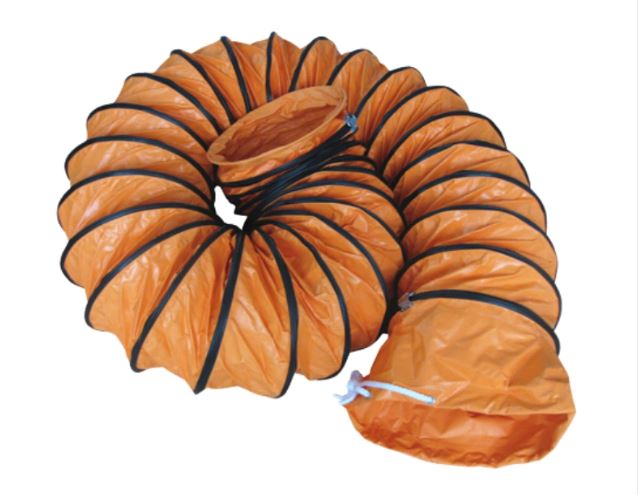
What it is, and why it’s trending
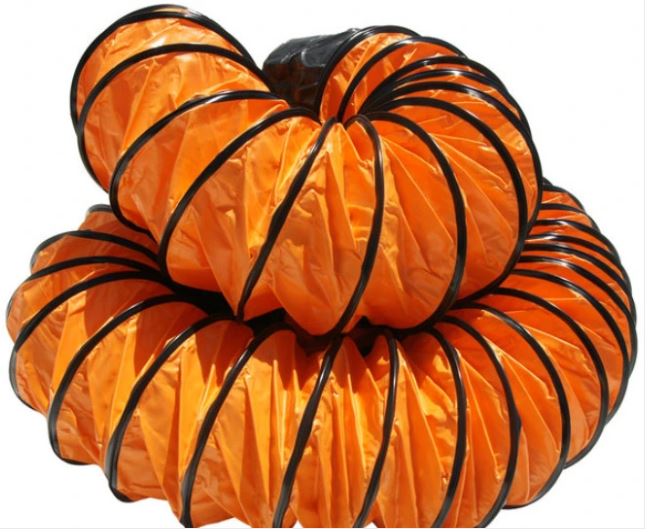
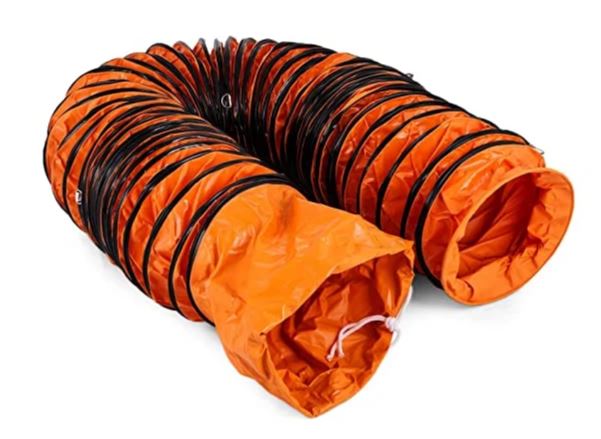
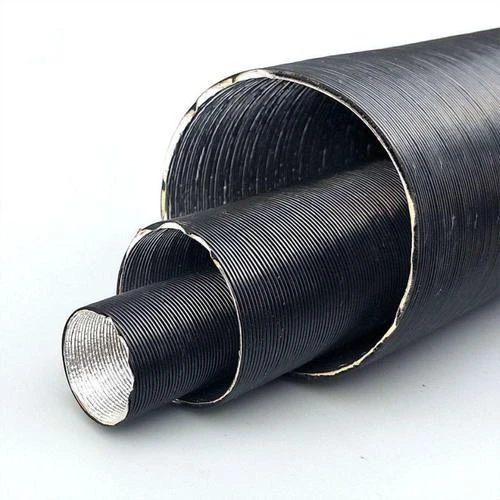
The Flexible Air Duct Hose is built from PVC mesh‑coated tarpaulin with a spiral, auger‑type fiber reinforcement. Out of the box, wall thickness is 0.4 mm; custom thickness and sizes are available (that’s been a crowd‑pleaser for integrators). The push toward portable capture—think source extraction for fumes and dust—has nudged many teams to blend rigid steel lines with sections of vacuum pipes that can flex, collapse, and relocate in minutes. Less downtime, fewer flanges, fewer groans from maintenance.
Typical product specifications
| Parameter | Typical value | Notes |
|---|---|---|
| Base material | PVC mesh‑coated tarpaulin | Spiral auger‑type screw fiber cloth |
| Wall thickness | 0.4 mm (standard) | Custom ≈0.3–1.0 mm on request |
| Inner diameter | ≈100–1000 mm | Other sizes available |
| Temperature range | -10 to +70 °C (peaks +80 °C) | Real‑world use may vary |
| Vacuum rating | up to ≈ -8 to -12 kPa | Internal collapse test at 23 °C, 4–8 m length |
| Bend radius | ≈1× ID | Tight bends reduce flow |
| Flame resistance | FR options available | DIN 4102 B1 / UL 94 VTM‑0 (request) |
| Origin | Hongda Business 1602, Yuhua District, Shijiazhuang, Hebei | Factory direct |
Process flow and testing, in brief
Materials are cut from PVC mesh tarpaulin, spiral reinforcement is formed and stitched/welded, and seams are heat‑sealed. QC includes negative‑pressure collapse checks (target ≈ -10 kPa), seam shear per ASTM D5034, and flammability screening if FR versions are ordered. For HVAC duties, teams often align with EN 13180 and UL 181 guidelines; cleanroom extraction (light duty) may reference ISO 14644 classifications for the surrounding environment.
Service life? In my experience, 2–5 years is typical in HVAC and fume extraction, shorter in abrasive dust lines. Many customers say the lightweight build pays back in faster changeouts. And yes, vacuum pipes that can coil into a van are nice on a rainy Friday when you just want to go home.
Where it’s used
- Source capture for welding fumes and solder smoke
- Mobile dust collectors in woodworking and composite sanding
- Ship engine rooms and tunnel ventilation (temporary)
- HVAC return air, negative‑pressure containment zones
Vendor snapshot (what buyers compare)
| Vendor | Lead time | Customization | Certs/Docs | Support |
|---|---|---|---|---|
| Kebinghose (Flexible Air Duct Hose) | ≈7–12 days | Thickness/ID, color, logo | ISO 9001, RoHS/REACH, FR options | Engineer feedback, samples |
| Imported premium brand | ≈3–6 weeks | Limited | UL 181 listings, extensive | Distributor network |
| Generic marketplace seller | ≈2–5 days | Rare | Basic COCs; varies | Chat/email only |
Mini case study
Hebei auto parts plant swapped 30 m of rigid lines for sections of vacuum pipes using the PVC spiral‑reinforced hose. Under ≈ -6 kPa continuous draw, 12‑hour cycling over two weeks showed no seam delamination; changeover time dropped 30%, and measured operator area noise fell by ≈4 dB (A). The maintenance chief told me, “We just move it and keep going.” Not lab‑perfect, but real.
Compliance notes: FR builds can be supplied to align with NFPA 90A use cases; HVAC buyers often request EN 13180 guidance and UL 181 style testing. Material declarations (RoHS/REACH) are available on request.
Customization checklist
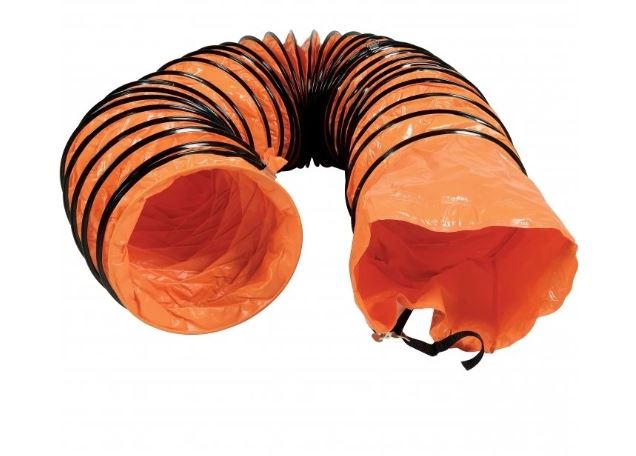
- Thickness: 0.3–1.0 mm; ID: ≈100–1000 mm
- Cuffs: plain end, zipper sleeve, ring clamps
- Color coding and logo print for line IDs
- FR grade for hot work or public buildings
Data listed are typical; select and validate for your application. For heavy abrasion or high vacuum (> -12 kPa), consider hybrid systems with rigid steel segments and short flexible vacuum pipes at the tool end.
Authoritative citations
- EN 13180: Ventilation for buildings — Ductwork — Non-metallic ducts.
- UL 181: Factory-Made Air Ducts and Air Connectors.
- ISO 14644-1: Cleanrooms and associated controlled environments — Classification.
- NFPA 90A: Standard for the Installation of Air-Conditioning and Ventilating Systems.
- ASTM D5034: Standard Test Method for Breaking Strength and Elongation of Textile Fabrics.
-
High Strength Industrial Clear Braided PVC Hose Pipe GuideNewsApr.16,2026
-
Industrial Reinforced Braided PVC Hose for Fluid Transfer GuideNewsApr.09,2026
-
Comprehensive Guide to Braided PVC Tubing Applications and BenefitsNewsApr.07,2026
-
Comprehensive Guide to Braided Clear Vinyl Tubing Applications and BenefitsNewsApr.04,2026
-
Comprehensive Guide to PVC Braided Hose Applications and SelectionNewsMar.31,2026
-
Comprehensive Guide to Selecting the Best Double Welding Hose for Your NeedsNewsMar.28,2026
 Afrikaans
 Albanian
 Arabic
 Azerbaijani
 Belarusian
 Bengali
 Bulgarian
 Czech
Czech
 Danish
 Dutch
Dutch
 Finnish
 French
 German
 Greek
Greek
 Hebrew
 Hindi
Hindi
 Hungarian
 Indonesian
 Irish
Irish
 Italian
 Japanese
 Kazakh
 Korean
 Kyrgyz
 Lao
Lao
 Latin
Latin
 Lithuanian
 Luxembourgish
 Malay
Malay
 Mongolian
 Myanmar
 Nepali
 Norwegian
 Persian
 Polish
 Portuguese
 Russian
 Serbian
 Slovak
 Spanish
 Swedish
 Tagalog
 Thai
Thai
 Turkish
 Ukrainian
 Uighur
 Uzbek
Uzbek
 Vietnamese
 Welsh
Welsh
 English