


Transparent PVC: Durable & Clear Industrial Solutions | Kebing Hose
Transparent PVC: A Practical Look from Industry Experience
Having spent over a decade in the industrial equipment sector, I’ve come across all kinds of materials touted as “the next big thing.” But when it comes to transparent PVC, there’s a quiet reliability to it that keeps it in steady demand. Oddly enough, despite its simplicity and long history, transparent PVC still surprises with its versatility on the shop floor and beyond.
In real terms, transparent PVC is essentially a clear, flexible plastic that you can see right through without losing strength or durability. Something you get right away when handling it – it feels sturdy but pliable, which is a rare combo. Engineers often mention how valuable that transparency is; it allows you to visually inspect flow, wear, or contamination directly, no guesswork.
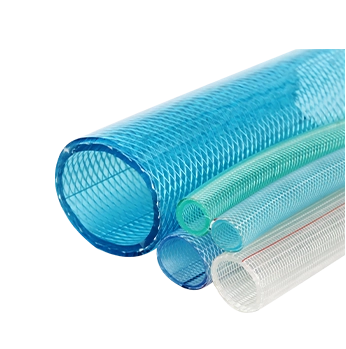
The application stories are many: from protective curtains on manufacturing lines to clear tubing for chemical transfer, or even simple window panels in harsh environments. One small project I recall was for a client needing clear hose lines to monitor liquids moving through a system. The transparent PVC hose gave them peace of mind and reduced downtime because leaks or blockages were quickly spotted.
What Makes Transparent PVC Work?
The secret lies in the compound’s formulation—polyvinyl chloride mixed with specific plasticizers to maintain flexibility. These plasticizers also impact clarity, so manufacturers balance them carefully. It’s also inherently resistant to many chemicals and UV rays, although I’d always advise checking compatibility with aggressive solvents depending on your exact use case.
Customizability is a big plus. Thickness, diameter, and even reinforcement can be tailored to fit tougher industrial demands or delicate applications. For example, a reinforced transparent PVC hose holds up better under pressure but still lets you see inside. This flexibility is one reason why the material stays relevant despite newer polymers cropping up.
| Specification | Details |
|---|---|
| Material | Flexible PVC with specific plasticizers |
| Transparency | >90% light transmission |
| Temperature Range | -10°C to +60°C (depend on thickness) |
| Chemical Resistance | Good against acids, alkalies, alcohols |
| Customization | Thickness, diameter, reinforcement options |
| Common Uses | Hoses, curtains, panels, tubing |
Comparing Transparent PVC Vendors: What to Consider
If you’re hunting for transparent PVC products, it’s tempting to chase the lowest price, but I’ve learned the hard way that quality and service make all the difference.
| Vendor | Product Range | Customization | Lead Time | Customer Support | Price Level |
|---|---|---|---|---|---|
| Kebing Hose | Wide (hoses, tubing, sheets) | High (custom diameters, thickness) | 2-3 weeks typical | Responsive & knowledgeable | Mid-range |
| Vendor B | Moderate (hoses only) | Low (limited sizes) | 4-6 weeks | Standard support | Lower |
| Vendor C | Limited (panels and sheets) | Moderate | 3-4 weeks | Good with technical queries | Higher |
Frankly, when you’re selecting transparent PVC products, think beyond just specs and price. Consider how responsive the supplier is because delays can cripple production schedules. Also, the ability to customize means fewer compromises during installation or operation. Working with a vendor who understands the material and your application makes all the difference.
Before wrapping up, a quick note on testing — consistent quality control is critical. I’ve seen tubing fail because of poor plasticizer dispersion, leading to haziness or brittleness over time. So, ask about inspection methods or certifications. It’s better to be sure than sorry.
In any case, transparent PVC is a somewhat humble hero in industrial settings. You don’t hear it on buzzword bingo lists, but it quietly does the job well — whether it’s letting you catch a leak mid-shift or shielding workers without blocking their view.
That’s just my two cents, for what it’s worth.
— Veteran Industrial Equipment Engineer
References:
- Kebing Hose Technical Data Sheets
- Industry Chemical Compatibility Guides
- Personal field experience and client feedback over 12 years
-
High Strength Industrial Clear Braided PVC Hose Pipe GuideNewsApr.16,2026
-
Industrial Reinforced Braided PVC Hose for Fluid Transfer GuideNewsApr.09,2026
-
Comprehensive Guide to Braided PVC Tubing Applications and BenefitsNewsApr.07,2026
-
Comprehensive Guide to Braided Clear Vinyl Tubing Applications and BenefitsNewsApr.04,2026
-
Comprehensive Guide to PVC Braided Hose Applications and SelectionNewsMar.31,2026
-
Comprehensive Guide to Selecting the Best Double Welding Hose for Your NeedsNewsMar.28,2026
 Afrikaans
 Albanian
 Arabic
 Azerbaijani
 Belarusian
 Bengali
 Bulgarian
 Czech
Czech
 Danish
 Dutch
Dutch
 Finnish
 French
 German
 Greek
Greek
 Hebrew
 Hindi
Hindi
 Hungarian
 Indonesian
 Irish
Irish
 Italian
 Japanese
 Kazakh
 Korean
 Kyrgyz
 Lao
Lao
 Latin
Latin
 Lithuanian
 Luxembourgish
 Malay
Malay
 Mongolian
 Myanmar
 Nepali
 Norwegian
 Persian
 Polish
 Portuguese
 Russian
 Serbian
 Slovak
 Spanish
 Swedish
 Tagalog
 Thai
Thai
 Turkish
 Ukrainian
 Uighur
 Uzbek
Uzbek
 Vietnamese
 Welsh
Welsh
 English