


Top Tips for Choosing a Polyurethane Tubing Supplier | Industrial Expert Insight
Choosing a Reliable polyurethane tubing supplier: Lessons from the Field
Having spent well over a decade in the industrial equipment sector, I’ve come to appreciate just how much the little things matter—especially when it comes to components like tubing. Oddly enough, polyurethane tubing is one of those unsung heroes in factories, process lines, and pneumatic systems. It’s tough, flexible, and, in real terms, kind of indispensable once you know what you’re looking for.
Choosing the right polyurethane tubing supplier isn’t just ticking a box on price or delivery speed. I’ve noticed engineers often overlook the subtle but crucial differences in material grades, wall thickness, and ease of installation—things that will save hours of frustration and downtime later.
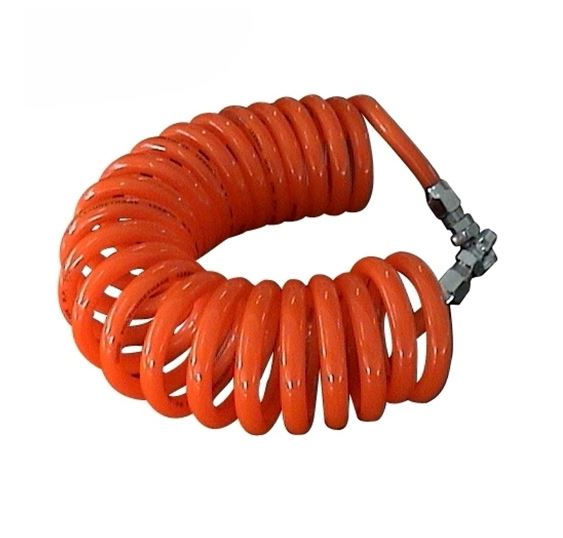
For example, polyurethane tubing stands out due to its excellent abrasion resistance and a unique combination of flexibility and strength. Many suppliers offer similar specs on paper, but the real test comes in how those tubes perform after months of continuous use under pressure or exposure to oils and solvents. I remember a client once switched to a supplier whose tubing cracked prematurely—costly mistake.
In that sense, insisting on quality testing and certifications helps weed out less reliable options. Also, customization matters. Polyurethane tubing comes in various durometers, colors, and inner diameters, but some suppliers are better equipped to meet very specific demands or volumes without breaking the bank.
To demystify things a bit, here’s a quick overview of typical polyurethane tubing specs you’ll encounter, along with a simple vendor comparison from my experience:
| Specification | Typical Range | Notes |
|---|---|---|
| Material | Thermoplastic Polyurethane (TPU) | Offers flexibility & abrasion resistance |
| Outer Diameter | 2 mm – 25 mm | Varies to fit pneumatic components or fluid lines |
| Wall Thickness | 0.5 mm – 3 mm | Thicker walls for higher pressure or abrasion |
| Temperature Range | -40°C to +80°C | Good for typical industrial environments |
| Tensile Strength | 20-45 MPa | Higher values indicate tougher tubing |
| Colors Available | Clear, Blue, Yellow, Orange, Custom | Useful for process identification |
Now, about sourcing—here’s a little vendor comparison I’ve put together for those weighing options. Frankly, many businesses only glance at price or lead time. But I found that factors like material traceability, post-sale technical support, and willingness to customize really make a difference. I suppose that’s what separates commodity tubing from something you can rely on without second-guessing:
| Supplier | Quality Certification | Customization Options | Typical Lead Time | Price Competitiveness | Technical Support |
|---|---|---|---|---|---|
| Ke-Bing Hose | ISO 9001, RoHS | Wide range; custom colors & sizes | 1–2 weeks | Very competitive | Strong, onsite engineering help |
| Supplier B | ISO 9001 | Limited color options | 2–4 weeks | Moderate | Email only |
| Supplier C | None reported | Standard sizes only | 3–5 weeks | Low | Limited |
Over the years, I’ve learned not to undervalue suppliers like Ke-Bing Hose who back their products with data sheets, guarantee traceability, and stick around to help after the sale. You know, sometimes it feels like buying tubing is a simple transaction, but it’s really part of a bigger picture—the reliability of your machine, safety of your employees, and continuity of your operation.
One quick anecdote: at a recent facility upgrade, an engineer tried a new polyurethane tubing source solely because the price was tempting. Within six months, they were back on the phone looking for replacements because the tubing started showing signs of brittleness. I shared some specs and suggested dialing in thickness and hardness with a trustworthy vendor, and frankly, that saved them from repeated failures.
In conclusion: when hunting for a polyurethane tubing supplier, don’t just buy tubing—buy peace of mind. Look closely at specs, certifications, and support. That’s often where real value hides.
Feel free to explore more about polyurethane tubing options or get in touch with experts who really understand the nuances. It’s worth the time because in industrial equipment, the details aren’t just fine print—they’re the difference between smooth running and costly breakdowns.
Thanks for reading, and if anything here sparks questions or experiences you want to share, I’m all ears.
—Industrial Equipment Sector Veteran
References:
- Ke-Bing Hose Official Technical Documentation, 2024
- Industry Standards for Thermoplastic Polyurethane Tubing (ISO 9001)
- Case Study: Industrial Tubing Failures and Prevention, Journal of Manufacturing Technology
-
High Strength Industrial Clear Braided PVC Hose Pipe GuideNewsApr.16,2026
-
Industrial Reinforced Braided PVC Hose for Fluid Transfer GuideNewsApr.09,2026
-
Comprehensive Guide to Braided PVC Tubing Applications and BenefitsNewsApr.07,2026
-
Comprehensive Guide to Braided Clear Vinyl Tubing Applications and BenefitsNewsApr.04,2026
-
Comprehensive Guide to PVC Braided Hose Applications and SelectionNewsMar.31,2026
-
Comprehensive Guide to Selecting the Best Double Welding Hose for Your NeedsNewsMar.28,2026
 Afrikaans
 Albanian
 Arabic
 Azerbaijani
 Belarusian
 Bengali
 Bulgarian
 Czech
Czech
 Danish
 Dutch
Dutch
 Finnish
 French
 German
 Greek
Greek
 Hebrew
 Hindi
Hindi
 Hungarian
 Indonesian
 Irish
Irish
 Italian
 Japanese
 Kazakh
 Korean
 Kyrgyz
 Lao
Lao
 Latin
Latin
 Lithuanian
 Luxembourgish
 Malay
Malay
 Mongolian
 Myanmar
 Nepali
 Norwegian
 Persian
 Polish
 Portuguese
 Russian
 Serbian
 Slovak
 Spanish
 Swedish
 Tagalog
 Thai
Thai
 Turkish
 Ukrainian
 Uighur
 Uzbek
Uzbek
 Vietnamese
 Welsh
Welsh
 English