


Top Polyurethane Tube Manufacturers for Industrial Use | Trusted Suppliers
Polyurethane Tube Manufacturers: What You Need to Know
Having spent quite a few years immersed in the industrial equipment sector, I've seen firsthand how polyurethane tube manufacturers shape not just the supply chain but the very performance of countless machines and systems. Polyurethane (PU) tubes, frankly, have carved out a unique space in our industry — a balance of flexibility, strength, and chemical resistance that's tough to beat.
Oddly enough, what draws most engineers and buyers to polyurethane tubes is their versatility. From pneumatic lines in automated factories to food-grade hose applications, these tubes are often the unsung heroes. I still recall a project where a client switched from PVC tubing to PU tubes for their sensory equipment — the results in durability and clarity were night and day.
Let's break down what these tubes bring to the table and why picking the right manufacturer matters so much. You know, it isn’t just about thickness or color—surface finish, adherence to strict testing standards, and customization options weigh heavily.
| Specification | Detail |
|---|---|
| Material | Thermoplastic polyurethane (TPU) |
| Temperature Range | -40°C to +80°C (up to +100°C in some grades) |
| Hardness | Shore A 85 - 95 (varies by product) |
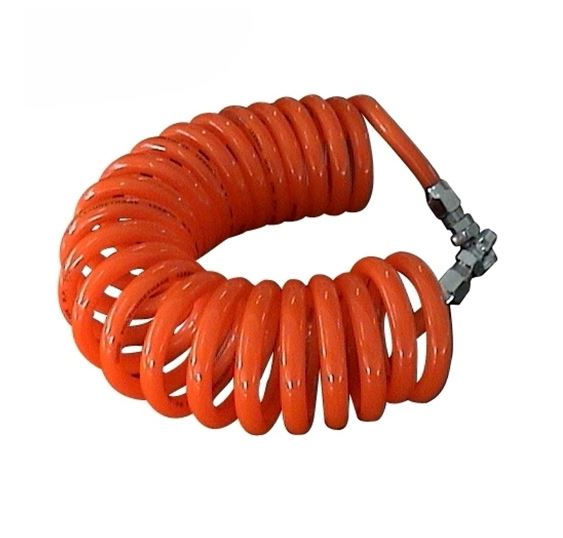
| Color Options | Transparent, Blue, Orange, Custom Colors |
| Chemical Resistance | Excellent against oils, greases, and many solvents |
| Maximum Working Pressure | Up to 15 bar depending on diameter and wall thickness |
Now, when it comes to choosing a manufacturer, it's not just specs on paper. It’s about trust and consistent quality. Many manufacturers churn out polyurethane tubes, but few invest in robust quality control or timely customizations. In my experience, the manufacturers who excel typically provide detailed documentation, meet rigorous ISO and ASTM standards, and can adjust tube hardness or diameter to meet specific industry needs.
| Manufacturer | Quality Certifications | Customization Options | Lead Time |
|---|---|---|---|
| Kebing Hose | ISO 9001, RoHS | Diameter, hardness, color, and length | 2-3 weeks |
| Alpha Tubes Ltd. | ISO 14001 | Limited to standard sizes | 4-6 weeks |
| PrimeFlex Solutions | None publicly listed | Standard catalog only | Variable, often longer |
I've found working closely with manufacturers like Kebing Hose quite reassuring — they seem to understand the industrial nuances. One little anecdote comes to mind: a client in the automotive sector had stringent demands for anti-static and hydrolysis resistance. Kebing managed a tailored solution with fast turnaround, which frankly eased a lot of headaches.
So, what’s the real bottom line? Polyurethane tubes continue to win favor because they’re adaptable and hold up well in demanding environments. But your choice of manufacturer influences whether you get a tube that’s truly fit for purpose or just “good enough.” If you’re sourcing tubes for pneumatic systems, robotics, or even food processing, make sure those tubes have been tested properly and come with guarantees. It’s something many engineers overlook until it becomes a costly lesson.
In real terms, I’d always recommend starting conversations with your supplier about testing protocols, material traceability, and, of course, customization capabilities. It feels like the difference between an okay job and an excellent one often boils down to those details.
If you’re curious, browsing their sites and requesting samples — yes, samples — can be immensely helpful. You can inspect flexibility, wall thickness, color stability, and even fit on your equipment before making a commitment. Trust me, it saves you time and headaches later on.
Takeaway: In the world of polyurethane tubes, the devil’s in the details — pick manufacturers who treat quality and service as seriously as the tubes themselves.
References:
1. ASTM International, Standards for Polyurethane Tubing
2. ISO 9001 Documentation for Industrial Tube Manufacturers
3. Industry Insider Interviews – Pneumatic Systems and Hose Suppliers
-
High Strength Industrial Clear Braided PVC Hose Pipe GuideNewsApr.16,2026
-
Industrial Reinforced Braided PVC Hose for Fluid Transfer GuideNewsApr.09,2026
-
Comprehensive Guide to Braided PVC Tubing Applications and BenefitsNewsApr.07,2026
-
Comprehensive Guide to Braided Clear Vinyl Tubing Applications and BenefitsNewsApr.04,2026
-
Comprehensive Guide to PVC Braided Hose Applications and SelectionNewsMar.31,2026
-
Comprehensive Guide to Selecting the Best Double Welding Hose for Your NeedsNewsMar.28,2026
 Afrikaans
 Albanian
 Arabic
 Azerbaijani
 Belarusian
 Bengali
 Bulgarian
 Czech
Czech
 Danish
 Dutch
Dutch
 Finnish
 French
 German
 Greek
Greek
 Hebrew
 Hindi
Hindi
 Hungarian
 Indonesian
 Irish
Irish
 Italian
 Japanese
 Kazakh
 Korean
 Kyrgyz
 Lao
Lao
 Latin
Latin
 Lithuanian
 Luxembourgish
 Malay
Malay
 Mongolian
 Myanmar
 Nepali
 Norwegian
 Persian
 Polish
 Portuguese
 Russian
 Serbian
 Slovak
 Spanish
 Swedish
 Tagalog
 Thai
Thai
 Turkish
 Ukrainian
 Uighur
 Uzbek
Uzbek
 Vietnamese
 Welsh
Welsh
 English